


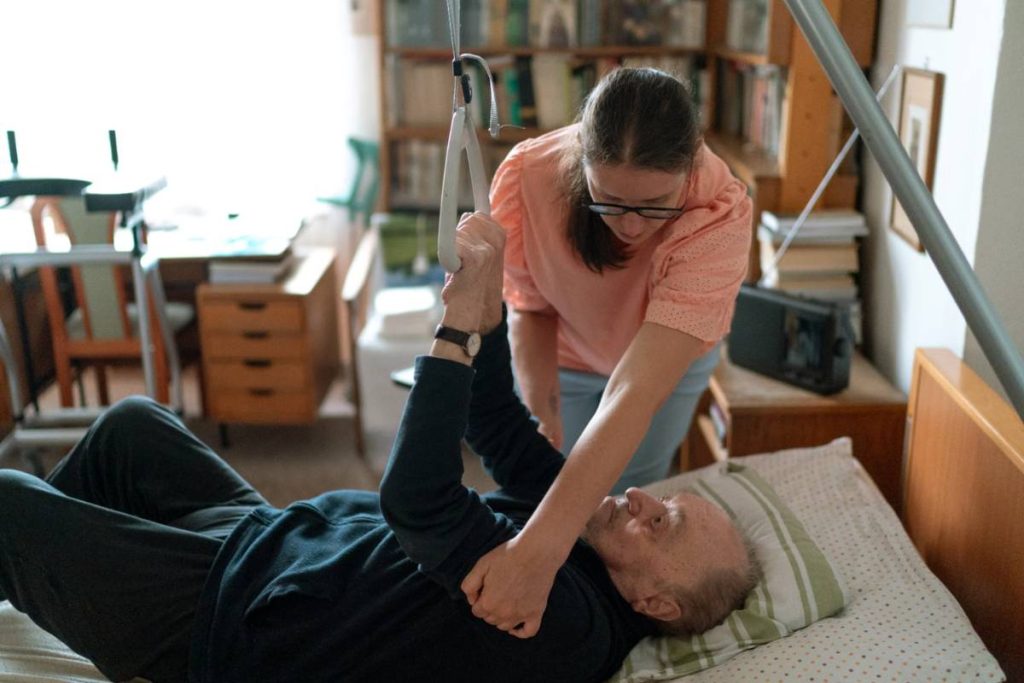
A parent may have done well in assisted living for years, but a fall, hospitalization, or gradual health decline can change how much care they need. Families may notice new problems without knowing whether the current community can still provide safe support.
The decision about when to move from assisted living to nursing home should consider medical needs, daily functioning, safety, and the facility’s care limits. This guide explains the warning signs, assessments, costs, and practical steps involved in planning the transition.
1. How Assisted Living and Nursing Homes Differ in Level of Care
Assisted living supports people who need help with daily activities but do not usually require continuous medical care. Nursing homes serve residents who need more intensive personal care, skilled nursing, rehabilitation, or full-time medical supervision.
| Comparison Area | Assisted Living | Nursing Home |
| Primary purpose | Support independence while providing daily assistance | Provide long-term personal care and full-time medical support |
| Personal care | Help with bathing, dressing, grooming, meals, and medications | Extensive help with most or all daily activities |
| Nursing availability | Varies by facility and state | Licensed nursing staff provide ongoing coverage |
| Medical care | Basic monitoring and coordination with outside providers | Skilled nursing and medical care available on site |
| Mobility support | May assist with walking and basic transfers | Better suited to complex mobility and transfer needs |
| Medication management | Reminders or administration within facility limits | Management of complex medication schedules and treatments |
| Rehabilitation | Usually arranged through outside providers | Physical, occupational, or speech therapy may be available |
| Dementia support | Available at facilities with suitable memory care services | May support residents with advanced medical and cognitive needs |
| Care intensity | Lower to moderate | Moderate to high |
| Resident independence | Greater control over routines and activities | More structured care based on medical and safety needs |
Facility capabilities vary. Some assisted living communities provide higher care levels or memory care, but they are not the same as nursing homes.
2. When to Move From Assisted Living to Nursing Home
No single change automatically means a resident must move. However, several warning signs may show that assisted living can no longer provide the required care safely.
- Medical needs require 24-hour nursing supervision: Complex conditions, recurring medical complications, wound care, or frequent monitoring may require licensed nursing staff to be available throughout the day and night.
- Falls or injuries become frequent: Repeated falls, fractures, head injuries, or near-falls may indicate that the resident needs closer supervision, more transfer assistance, or a different care environment.
- The resident needs extensive help with most daily activities: A nursing home may be more appropriate when the person requires substantial assistance with bathing, dressing, eating, toileting, continence, and moving around.
- Mobility or transfer needs exceed the facility’s capabilities: The current community may be unable to support a resident who needs mechanical lifts, two-person transfers, or extensive help getting in and out of bed.
- Medications can no longer be managed safely: Missed doses, repeated medication errors, changing prescriptions, injections, or complex treatment schedules may require more clinical oversight.
- Dementia symptoms create serious safety risks: Wandering, aggression, repeated attempts to leave, severe confusion, or an inability to recognize hazards may exceed the assisted living facility’s staffing or license.
- Weight loss, dehydration, or declining health continues: Ongoing weight loss, poor appetite, dehydration, pressure injuries, or increasing weakness may signal unmet medical or nutritional needs.
- Hospital visits and medical emergencies become more frequent: Repeated emergency room visits or hospital admissions may show that the resident needs closer medical monitoring between episodes.
- The assisted living facility states that it can no longer provide safe care: The facility may recommend a transfer when the resident’s needs exceed its staffing, equipment, license, or admission and retention policies.
Nursing homes provide full-time medical care and assistance with activities such as bathing, dressing, eating, transfers, and toileting. A physician and care team should assess whether this higher level of support is now appropriate.
3. Urgent vs. Planned Move From Assisted Living to a Nursing Home: Key Differences
Some moves follow a sudden health crisis, while others can be planned over several weeks or months. The level of risk should determine how quickly the family acts.
| Situation | Urgency | Recommended Approach | Next Step |
| Immediate safety risk | Urgent | Arrange immediate medical evaluation and safe supervision | Contact emergency services, the physician, or the current facility’s clinical team |
| Major decline after hospitalization | High | Complete discharge and nursing care assessments before returning to assisted living | Meet with the hospital discharge planner and review skilled nursing or long-term care options |
| Gradual loss of mobility | Moderate | Assess falls, transfers, equipment, and staffing needs | Request physical therapy and activities of daily living assessments |
| Increasing help with daily activities | Moderate | Compare current support with the facility’s care limits | Hold a care conference and request an updated care plan |
| Worsening dementia symptoms | High if safety is affected | Assess cognitive, behavioral, and supervision needs | Consult the physician and compare memory care with nursing home care |
| Rising assisted living care fees | Planned | Compare the total cost and care provided at each setting | Request itemized estimates from the current facility and nursing homes |
| Facility can no longer meet care needs | High | Begin placement planning within the notice period unless immediate transfer is required | Obtain the discharge policy, medical records, and referrals to suitable nursing homes |


An urgent move focuses first on medical stability and immediate safety. A planned transition allows more time to tour facilities, compare costs, review inspection records, and involve the resident in the decision. If the resident faces an immediate medical emergency, call emergency services rather than waiting for a routine placement assessment.
4. Medical and Care Assessments Before the Move
A care transition should be based on the resident’s current needs, not age or diagnosis alone. When deciding when to move from assisted living to nursing home, combine medical findings with daily-care, cognitive, and facility assessments.
Medical Evaluation
Ask the resident’s primary doctor or geriatric specialist to review:
- Current diagnoses and recent health changes
- Hospital visits and falls
- Medication complexity
- Nutrition and hydration
- Wounds or infections
- Need for skilled nursing or rehabilitation
- Likely progression of chronic conditions
The evaluation should state which services the resident now requires and whether they need continuous nursing supervision.
Activities of Daily Living Assessment
An activities of daily living assessment measures how much help the resident needs with:
- Bathing
- Dressing
- Grooming
- Eating
- Toileting
- Continence
- Walking
- Moving between a bed and chair
The assessor should record whether each activity requires reminders, one-person assistance, two-person assistance, or mechanical equipment. Extensive support across several activities may point to nursing home care.
Cognitive and Behavioral Assessment
A cognitive assessment reviews memory, judgment, communication, and awareness of danger. It should also document behaviors such as wandering, aggression, severe confusion, medication refusal, or disrupted sleep.
Dementia alone does not always require nursing home placement. A memory care community may remain suitable if it can safely meet the resident’s medical, behavioral, and supervision needs.
Care Conference With the Current Facility
Meet with assisted living staff, the resident, family members, and relevant healthcare providers. Discuss:
- Recent changes in health and behavior
- Services the facility currently provides
- Care the resident now requires
- Staffing and equipment limitations
- Possible short-term support
- Conditions that would require discharge
- Recommended timing for a transfer
Ask for an updated care plan and written explanation if the facility states that it can no longer meet the resident’s needs.
>>> Read more: Can You Change Nursing Homes on Medicaid? Your Step-by-Step Guide
5. Nursing Home Selection and Moving Checklist
Use this checklist to compare facilities and prepare for the transition:
- Confirm the level of nursing and personal care required.
- Search Medicare Care Compare for certified nursing homes.
- Review health inspections, staffing, quality measures, and penalties.
- Confirm that the facility can manage the resident’s diagnoses, medications, mobility, and behavior.
- Ask whether rehabilitation, memory care, or other specialized services are available.
- Verify Medicare, Medicaid, insurance, and private-pay acceptance.
- Request a list of services included in the rate and charges billed separately.
- Tour the facility during normal operating hours.
- Observe cleanliness, meals, staff response, and resident interactions.
- Read the admission agreement, discharge policy, and resident rights.
- Ask how family members receive updates and join care-plan meetings.
- Arrange the transfer of medical records, prescriptions, and advance directives.
- Label clothing, mobility equipment, hearing aids, glasses, and personal belongings.
- Prepare familiar items to make the new room feel more comfortable.
- Confirm transportation and medication arrangements for moving day.
- Schedule a follow-up meeting after admission.
Medicare Care Compare provides inspection results, staffing data, quality measures, penalties, and other information for Medicare-certified nursing homes. Families should still visit the facility and speak with residents or relatives when possible.
6. Nursing Home Costs and Payment Options
Cost can influence when to move from assisted living to nursing home, especially when higher care fees at the current community begin approaching nursing home prices.

CareScout’s 2025 Cost of Care Survey reported these national median nursing home costs:
- Semi-private room: $315 per day or $114,975 per year
- Private room: $355 per day or $129,575 per year
Actual prices vary by location, room type, medical needs, and facility. Request a current written estimate before admission.
Common payment options include:
- Personal income and savings: Residents may use Social Security, pensions, retirement accounts, and other assets.
- Medicare: Part A may cover short-term skilled nursing or rehabilitation for up to 100 days when all coverage requirements are met. It generally does not pay for a long-term custodial stay.
- Medicaid: State Medicaid programs may pay for long-term nursing home care for financially and functionally eligible residents at participating facilities.
- Long-term care insurance: Coverage depends on the policy’s benefit triggers, daily limit, elimination period, and facility requirements.
- Veterans benefits: Qualifying veterans may receive VA pension or Aid and Attendance payments. Separate VA programs may cover nursing home care in certain settings.
- Life insurance or home equity: Some families use policy benefits, a life settlement, home sale proceeds, or home equity, but each option carries financial consequences.
- Family contributions: Relatives may share remaining costs when other funding does not cover the entire bill.
Medicare may still cover doctor visits, therapy, and prescription drugs while a resident lives in a nursing home. Medicaid can cover long-term nursing home care for eligible residents, but financial rules and facility participation must be confirmed with the state.
>>> Read more: Do Nursing Homes Take Your Social Security Check? Critical Facts You Need to Know
7. Can Lifeline Help With Phone Costs During a Move to Nursing Home?
Moving from assisted living to a nursing home can bring new expenses, so families may look for ways to reduce everyday household costs. Lifeline is a federal program that can help eligible low-income households lower the cost of qualifying phone service. It does not pay for nursing home care, assisted living, room and board, or other medical expenses, but it can make staying connected with family, caregivers, and healthcare providers more affordable.
AirTalk Wireless is a Lifeline provider that offers eligible customers affordable phone service and may provide a free phone, depending on eligibility, location, and available inventory. If you want to apply, the process generally involves these steps:
- Check your eligibility based on household income or participation in a qualifying program such as Medicaid, SNAP, or SSI.
- Visit AirTalk Wireless and enter your ZIP code to check whether Lifeline service is available in your area.
- Choose an available phone option if you qualify for a device offer, or check whether you can bring a compatible device.
- Complete the application with the required personal and eligibility information.
- Submit documents if requested to verify your eligibility.
- Wait for approval and activation so you can begin using your Lifeline service.
Applying early can help eligible households have affordable phone service in place before or during a transition to nursing home care.


Note: Eligibility varies by state and program. Offers depend on availability and qualifications. AirTalk Wireless operates under the federal Lifeline Program as an Eligible Telecommunications Carrier (ETC). Service is non-transferable and limited to one service per household.
Conclusion
A move to a nursing home becomes more likely when medical, mobility, cognitive, or personal-care needs exceed what assisted living can safely manage. Families considering when to move from assisted living to nursing home should request formal assessments, meet with the current care team, and compare facilities before a crisis forces the decision. If immediate safety is not at risk, giving the resident time to visit and prepare can make the transition less distressing.