


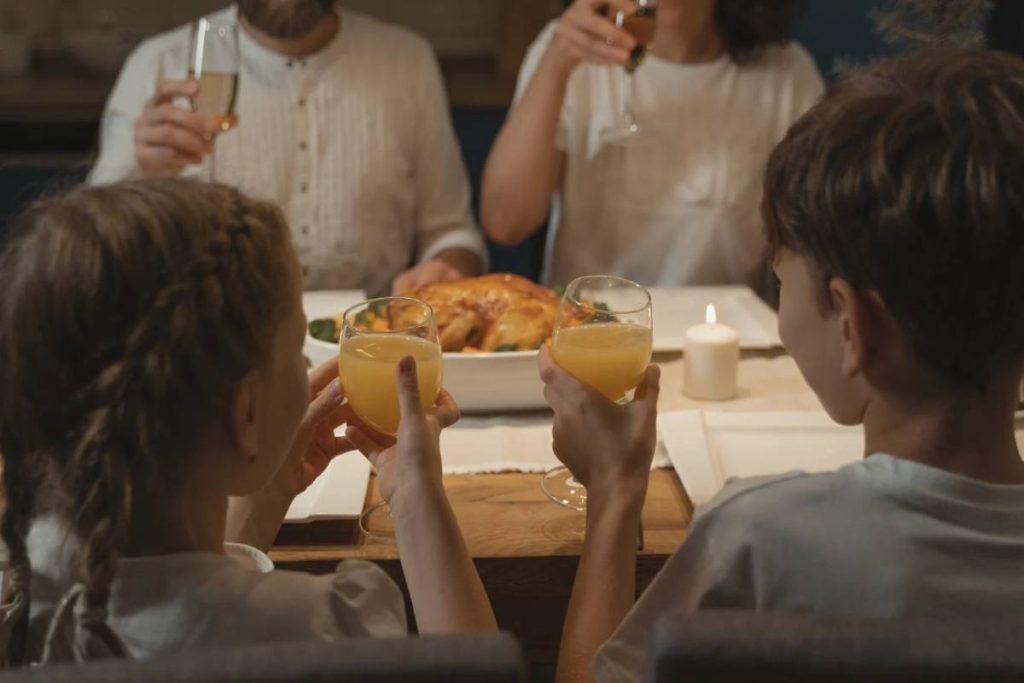
You probably know what Thanksgiving looks like today: a crowded dinner table, turkey and pie, family members traveling home, football in the background, and everyone sharing what they feel grateful for.
But the story behind the holiday is not as simple as the familiar scene of Pilgrims and Native people sitting down for one friendly meal.
So, why do we celebrate Thanksgiving, and how did it grow into one of America’s biggest holidays?
To understand, we need to look at the 1621 harvest gathering, the Wampanoag perspective often missing from popular retellings, and the political decisions that eventually placed Thanksgiving on the national calendar.
1. Why Do We Celebrate Thanksgiving Today?
Today, many Americans celebrate Thanksgiving to express gratitude, share a meal, and spend time with family or friends. Others use the day to volunteer, donate food, welcome neighbors, or remember people who cannot attend the gathering.
What do we celebrate? The focus usually includes:
- Gratitude for food, health, family, and community
- The completion of another year or harvest season
- Family histories and traditions
- Generosity toward people who need support
- Time together before the end-of-year holidays
But why do we do it? Thanksgiving gives families and communities a dedicated time to pause, appreciate what they have, reconnect with loved ones, and help others. Over generations, these values have become part of American culture, making Thanksgiving more than just a yearly meal.
Its meaning is not identical for everyone, however. Some Indigenous people observe the day as a time of remembrance, mourning, education, or cultural resilience.
The answer to why do we celebrate Thanksgiving Day, therefore, includes both personal gratitude and national history. A thoughtful celebration can recognize joy and community without ignoring the experiences that traditional holiday stories have often left out.

2. What Happened at the 1621 Harvest Gathering?
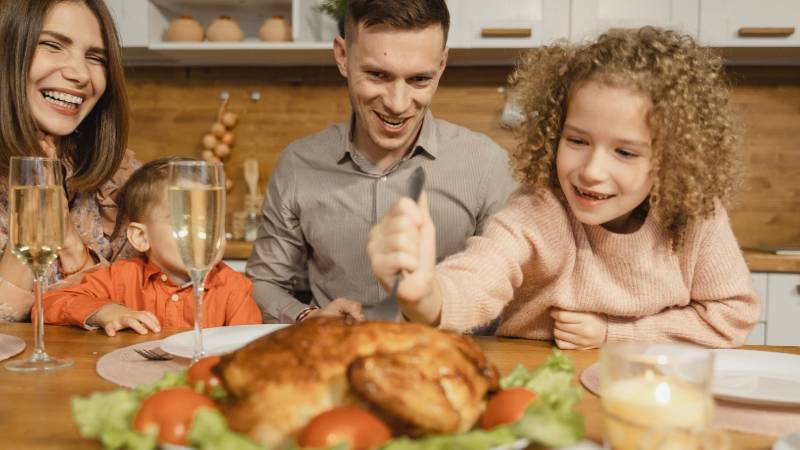
The event commonly associated with the “first Thanksgiving” took place in the fall of 1621 at Plymouth. It was a harvest gathering rather than the beginning of every American practice of giving thanks.
The Wampanoag and English Colonists
The English colonists had settled at Patuxet, a Wampanoag village that had been devastated by an epidemic before their arrival. They faced severe illness, hunger, and unfamiliar growing conditions during their first year.
The Wampanoag were not nameless background guests. They were a Native nation with their own government, communities, diplomacy, agricultural knowledge, and traditions of gratitude.
Ousamequin, known to the English as Massasoit, entered a mutual-protection agreement with the Plymouth colonists in 1621. Wampanoag assistance and environmental knowledge contributed to the colonists’ survival, but the relationship was also shaped by political strategy and regional pressures.
The Three-Day Harvest Event
After their harvest, the colonists held a celebration that lasted three days. Ousamequin and about 90 Wampanoag men arrived during the event and contributed five deer to the food.
The gathering likely included:
- Venison
- Wild birds
- Corn
- Fish and shellfish
- Locally available vegetables
- Athletic contests and military exercises
Only a small number of English accounts describe the event, so many details remain uncertain. There are no eyewitness images showing exactly how the gathering looked.
The 1621 event is often presented as the answer to what is the origin of Thanksgiving Day, but the modern holiday developed much later. Indigenous harvest ceremonies and practices of giving thanks had already existed for thousands of years.
The Smithsonian’s Native Knowledge 360° resource explains why the familiar “first Thanksgiving” story leaves out important Wampanoag perspectives.
3. How Did Thanksgiving Become a National Holiday?
The history behind why do we celebrate Thanksgiving as a nationwide holiday unfolded over several centuries.
Important milestones include:
- 1789: The first Federal Congress asked President George Washington to recommend a national day of thanksgiving. Washington proclaimed November 26 as a day of public thanksgiving and prayer.
- Early 1800s: Different states and communities held thanksgiving observances on different dates, and the celebration was especially common in New England.
- 1827 onward: Magazine editor Sarah Josepha Hale promoted Thanksgiving through articles, recipes, and letters to political leaders.
- 1863: During the Civil War, President Abraham Lincoln proclaimed the last Thursday of November a national day of thanksgiving. His proclamation emphasized gratitude, healing, and unity during a deeply divided period.
- 1870: Federal legislation made Thanksgiving one of the holidays recognized by the federal government.
- 1939: President Franklin D. Roosevelt moved the observance earlier to extend the Christmas shopping season, causing different states to celebrate on different dates.
- 1941: Congress established Thanksgiving as the fourth Thursday in November, creating the schedule used today.
The National Archives’ Thanksgiving history includes the congressional actions and presidential proclamations that shaped the federal holiday.
>>> Read more: Fast Food Open on Thanksgiving: Which Restaurants Are Open in 2026?
4. Which Parts of the Thanksgiving Story Are Often Oversimplified?
The version taught in school plays and older textbooks often compresses a complicated history into one friendly meal. Several parts need more context.
The Event Was Not the Beginning of Giving Thanks
Native nations had their own distinct harvest ceremonies, spiritual traditions, and daily practices of gratitude long before English colonists arrived. Europeans also held religious days of thanksgiving before and after 1621.
Calling the Plymouth event the first Thanksgiving can make earlier Indigenous traditions disappear from the story. It can also create the false impression that the modern national holiday began immediately afterward.
The Relationship Was More Complex Than a Friendly Meal
The Wampanoag and English colonists interacted through diplomacy, mutual protection, trade, and strategic necessity. Their cooperation was not simply a spontaneous friendship between two groups meeting for dinner.
Over time, English expansion, broken agreements, disease, land loss, and warfare caused devastating consequences for Wampanoag communities and other Native nations. The peaceful image of 1621 does not represent the relationship that followed.
Modern Foods and Images Are Not Exact Historical Records
Many familiar Thanksgiving foods became part of the holiday much later. Pumpkin pie, mashed potatoes, canned cranberry sauce, and modern stuffing are not reliable recreations of the 1621 menu.
Popular paintings also show clothing, table settings, and seating arrangements influenced by the eras in which the artists lived. These images reveal how later Americans imagined the event, not necessarily what happened.
5. Why Is Thanksgiving Still Important to Many Americans?
For many households, why do we celebrate Thanksgiving has a personal answer rather than a historical one. The holiday offers a rare shared day for relatives and friends to gather, particularly when they live far apart.
Thanksgiving can remain meaningful through:
- Family recipes passed between generations
- Reunions and shared meals
- Gratitude rituals
- Volunteering and community food programs
- Religious services
- Parades, football, and local events
- Honoring relatives who are no longer present
- Creating new traditions with friends or chosen family
The holiday also provides an opportunity to discuss whose stories are remembered. For some Native Americans, Thanksgiving is connected to survival, cultural continuity, protest, or the National Day of Mourning.
These experiences can exist alongside gratitude, but they should not be treated as one universal perspective.
6. How To Celebrate Thanksgiving More Thoughtfully
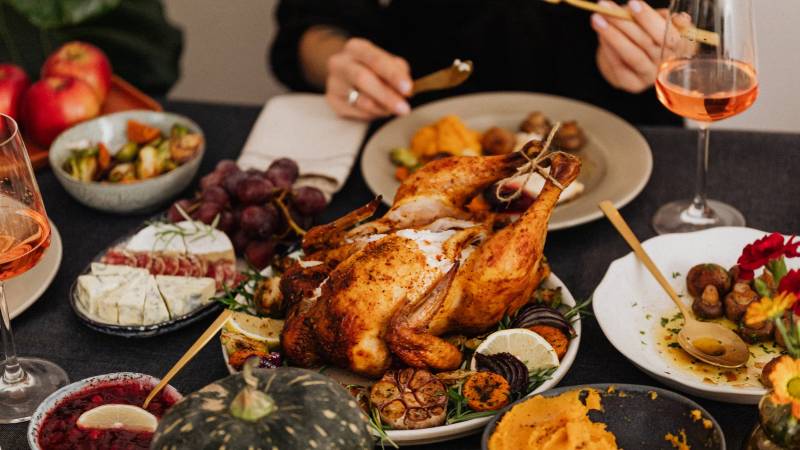
A thoughtful celebration does not require abandoning family traditions. It means adding context, respect, and generosity to the day.
Consider these ideas:
- Learn whose Indigenous homelands you live on.
- Use the name Wampanoag rather than referring only to generic “Indians.”
- Read Native-authored accounts of Thanksgiving history.
- Avoid costumes and decorations based on cultural stereotypes.
- Explain to children that the 1621 gathering is only one part of the story.
- Support a Native-led organization, museum, artist, or business.
- Invite guests to share what gratitude means to them.
- Donate food, money, or time to a local community program.
- Include family stories from several generations.
- Accept that some people do not celebrate the holiday.
The goal is not to replace gratitude with guilt. It is to make gratitude more honest by recognizing both the people at the table and the history behind the day.
>>> Also read: 50+ Food That Starts With W: Fruits, Snacks, Dishes & More
7. FAQs
Was the first Thanksgiving really in 1621?
The Plymouth harvest gathering of 1621 strongly influenced the modern Thanksgiving story. It was not the first harvest celebration or practice of giving thanks in North America.
Did the Wampanoag attend the 1621 gathering?
Yes. Ousamequin and about 90 Wampanoag men were present and contributed five deer, according to surviving historical accounts.
When did Thanksgiving become a federal holiday?
Federal legislation recognized Thanksgiving in 1870. Congress fixed its observance on the fourth Thursday of November in 1941.
Do all Americans celebrate Thanksgiving?
No. People observe it in different ways, and some do not celebrate it at all. Some Native Americans treat the day as a time for mourning, remembrance, education, or cultural gathering.
Conclusion
The story behind why do we celebrate Thanksgiving is larger than one harvest meal. Today’s holiday reflects gratitude, family traditions, Indigenous history, presidential proclamations, and centuries of social change.
Celebrating thoughtfully means enjoying the people and customs that matter to you while making room for the fuller history, especially the Wampanoag perspectives that older versions of the story often overlooked.