


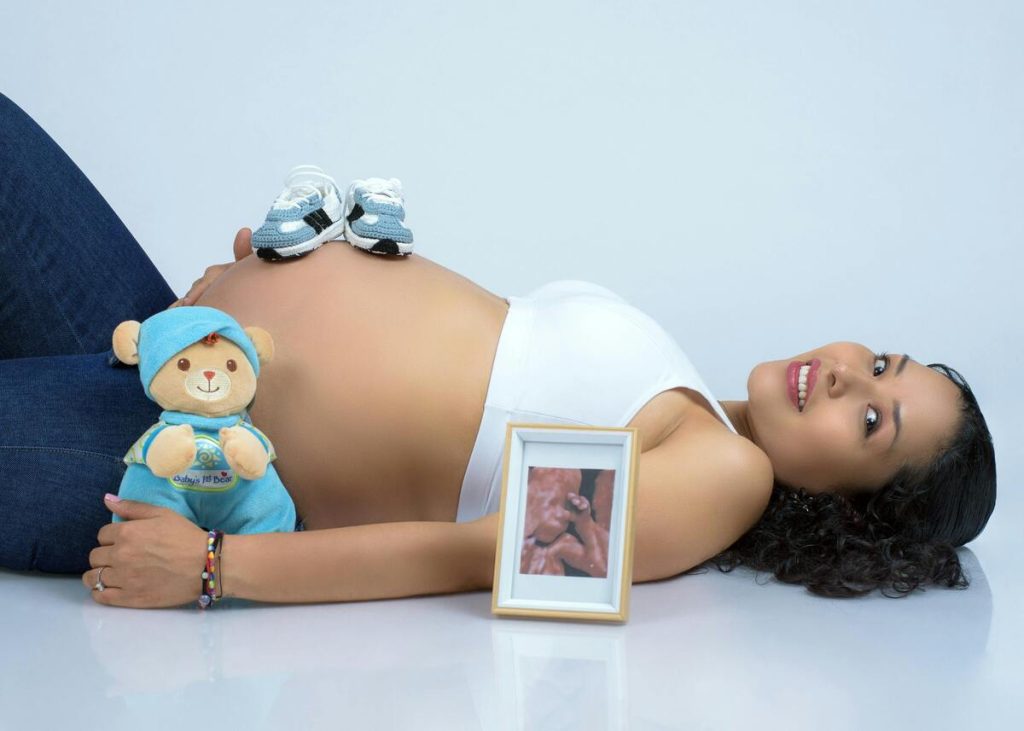
Understanding WIC qualifications NY is essential for families in New York who rely on nutrition assistance during pregnancy, infancy, and early childhood. The Special Supplemental Nutrition Program for Women, Infants, and Children (WIC) is federally funded but administered by each state, meaning eligibility rules must follow New York–specific guidelines.
This article explains the official eligibility criteria, income limits, nutrition requirements, and how WIC participation in New York may also support access to other assistance programs such as Lifeline phone benefits.
1. WIC Qualifications NY: The Official Eligibility Criteria Explained


The foundation of WIC qualifications NY is outlined by the New York State Department of Health (NYSDOH). To qualify, applicants must meet four core requirements:
- Belong to an eligible category
- Live in New York State
- Meet income guidelines
- Be determined to be at nutritional risk
These criteria are designed to ensure WIC benefits reach individuals and families who need nutrition support during critical developmental periods.
It is important to note that WIC is not welfare or cash assistance. Benefits are issued through an electronic WIC (eWIC) card that can only be used for approved food items and nutrition-related services.
2. Who Can Apply for WIC in New York?
When reviewing WIC qualifications NY, eligibility is first determined by categorical status. In New York, the following groups may apply:
- Pregnant individuals
- Postpartum individuals (up to 6 months after pregnancy, or up to 12 months if breastfeeding)
- Infants from birth to 12 months
- Children up to their 5th birthday
Applicants must reside in New York State, but there is no minimum residency period required. Temporary or recently relocated residents may still qualify.
A critical point often misunderstood in discussions about wic qualifications ny is citizenship. U.S. citizenship is not required to receive WIC benefits. Immigration status is not considered during the eligibility review process.
3. Income Limits for WIC in New York
Income is a major factor in WIC qualifications NY, but New York follows flexible federal guidelines.
WIC income eligibility is set at up to 185% of the Federal Poverty Level (FPL). Household size and total gross income are used to determine eligibility.
In addition, New York allows adjunctive income eligibility, meaning applicants may automatically meet income requirements if they already participate in certain assistance programs, including:
- Medicaid
- SNAP (EBT)
- Temporary Assistance for Needy Families (TANF)
This policy significantly broadens access and is a key part of qualifications for WIC in NY, especially for families already receiving healthcare or food assistance.
4. Nutrition Risk Assessment: A Required Step Many Applicants Don’t Expect
Another essential element of WIC qualifications in New York is the nutrition risk assessment.
Many applicants worry that this assessment involves complex medical testing. In reality, it is a basic health and nutrition screening conducted by trained WIC staff. It may include:
- Height and weight measurements
- Simple blood tests for iron levels (when appropriate)
- Dietary questions
- Review of pregnancy or child health history
A nutritional risk does not mean illness. Many common conditions, such as inadequate dietary intake or pregnancy-related nutritional needs, qualify.
This step ensures WIC benefits are tailored to support long-term health and development.
5. How to Apply for WIC in New York Step by Step?
Applying under WIC qualifications NY is done through local WIC clinics rather than a single statewide online portal.
The general application process includes:
- Locating a nearby WIC clinic
- Scheduling an appointment
- Bringing proof of identity, residency, and income
- Completing the nutrition assessment
Once approved, benefits are issued on an eWIC card that can be used at authorized retailers throughout New York.
WIC staff also provide nutrition education, breastfeeding support, and referrals to healthcare and social services.
>>>Read more: Does Target Accept WIC? What You Need To Know
6. WIC as a Qualifying Program for Lifeline in New York
Families navigating WIC qualifications NY often focus only on food benefits, but WIC participation may also support eligibility for other essential assistance programs.
One important example is the Lifeline program, a federal initiative overseen by the Federal Communications Commission (FCC). Lifeline helps low-income households afford phone and internet services.
In some states, participation in WIC may be accepted as a qualifying program for Lifeline, depending on state rules and provider policies. This means WIC enrollment can help demonstrate financial need, but it does not guarantee automatic approval.
Eligibility must always be verified based on current Lifeline guidelines.
7. How AirTalk Wireless Supports Eligible WIC Households?
For households that meet WIC qualifications NY and qualify for Lifeline through WIC participation or income-based eligibility, wireless providers such as AirTalk Wireless play a critical role in supporting everyday communication needs.
While WIC focuses on improving nutrition and health outcomes, access to reliable phone service ensures families can fully manage and maintain those benefits.
AirTalk Wireless participates in the federal Lifeline program, which is overseen by the Federal Communications Commission (FCC) and designed to help low-income households stay connected.
If WIC is recognized as a qualifying program in your state or if your household meets income eligibility requirements, AirTalk Wireless may offer Lifeline-supported services that include:
- A free or discounted smartphone
- Free monthly talk, text, and data allowances
- Affordable wireless service plans with no long-term contracts or hidden fees
Dependable phone access is especially important. It supports timely communication with WIC clinics, appointment reminders, and benefit updates.
Connectivity also helps households stay in touch with healthcare providers, coordinate school and childcare schedules, and access emergency services when needed.

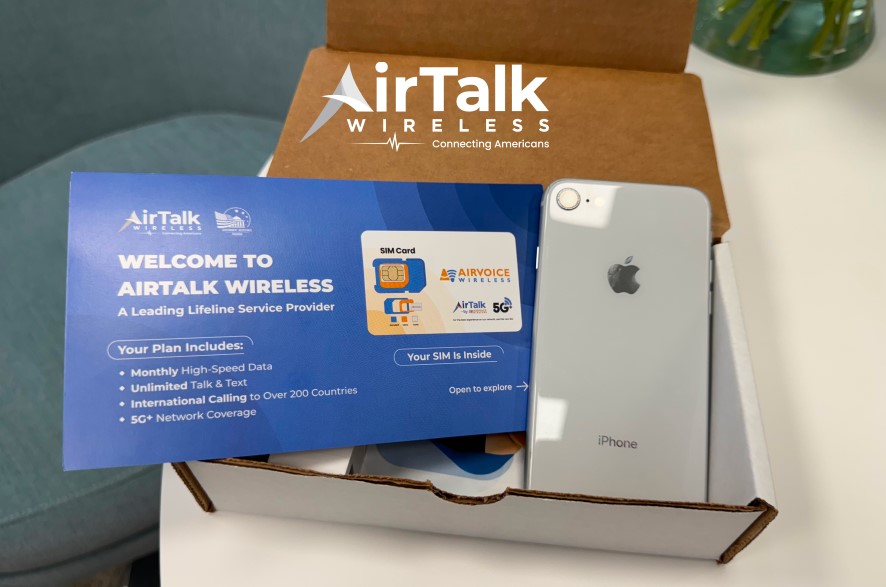
Although WIC itself does not provide communication services, combining nutrition assistance with Lifeline-supported phone access through AirTalk Wireless helps create a more stable support system. This connection allows families to stay informed, manage essential services, and reduce the risk of missed appointments or interrupted benefits.
Final Thoughts
Understanding WIC qualifications NY helps families make informed decisions about nutrition support during pregnancy and early childhood. New York’s WIC program is designed to be inclusive, with flexible income guidelines, no citizenship requirement, and comprehensive health-focused services.
Beyond food assistance, WIC participation may also help households connect to other programs like Lifeline through providers such as AirTalk Wireless. While eligibility must always be confirmed, these connections can strengthen household stability and access to care.If you believe you meet the qualifications for WIC in NY, contacting a local WIC clinic is the most reliable next step.