



Getting married is a major life change and for many Medicaid recipients, it raises an important concern: “Will I lose Medicaid if I get married?” This question comes up frequently because marriage can affect household size, income calculations, and reporting requirements.
The short answer is: marriage does not automatically mean you will lose Medicaid. However, it can change how eligibility is evaluated, depending on your Medicaid category, income level, and how quickly changes are reported.
This guide explains what really happens to Medicaid after marriage, who is most affected, and why remaining connected is critical during this transition.
1. Will I Lose Medicaid If I Get Married?


Direct answer: No, you do not automatically lose Medicaid when you get married.
But whether you may lose Medicaid if you get married depends on how your new household income compares to Medicaid limits and whether required updates are submitted correctly.
Medicaid eligibility is based on household income and size. Marriage combines financial information for most Medicaid categories, which may change eligibility but loss of coverage is not guaranteed.
Many people who ask “Will I lose Medicaid if I get married” remain eligible, especially if:
- Their spouse has low or moderate income
- They qualify under expanded Medicaid rules
- They are pregnant, disabled, or caring for children
Why marriage can affect Medicaid eligibility
Marriage affects Medicaid because it changes how the program defines your household. After marriage:
- Your spouse’s income may be counted
- Household size usually increases
- Eligibility thresholds may change
This recalculation explains why people worry about “Will I lose Medicaid if I get married”, but income limits are often higher for larger households.
The key factor is combined countable income, not marital status alone.
Who is most likely to lose Medicaid after getting married?
Those most likely to lose coverage after marriage include:
- Adults enrolled under income-based Medicaid with a higher-earning spouse
- Individuals close to the income limit before marriage
- People who delay reporting the change
Importantly, many people asking “Will I lose Medicaid if I get married” actually lose coverage due to administrative issues, not true ineligibility.
Why many people lose Medicaid after marriage due to paperwork, not eligibility
Common problems include:
- Failing to report marriage on time
- Missing verification requests
- Incomplete income documentation
- Missed calls or notices from Medicaid offices
In many cases, coverage is terminated because the agency cannot verify updated information, not because the household is over income.
2. Does Marriage Affect All Types of Medicaid the Same Way?
No. The impact of marriage depends heavily on the type of Medicaid you receive.
MAGI-based Medicaid uses federal tax rules to calculate income. This includes:
- Childless adults
- Parents and caretakers
- Pregnant individuals
Under MAGI rules:
- Spouses’ incomes are usually combined
- Household size increases with marriage
- Eligibility is based on modified adjusted gross income
Many MAGI enrollees remain eligible after marriage, especially if the combined income stays within limits.
For Non-MAGI Medicaid programs, which primarily serve seniors age 65 and older, individuals with disabilities, and those receiving long-term care, marriage can have a more significant impact on eligibility. Unlike MAGI Medicaid, Non-MAGI Medicaid does not rely solely on household income. Instead, it considers both income and countable assets, and in many cases, a spouse’s financial resources are included in the eligibility review.
When a Medicaid applicant is married, the state may evaluate combined spousal income and assets, even if only one spouse is applying for coverage. This is especially common in programs related to nursing home care or home- and community-based services (HCBS).
However, federal Medicaid rules also include important spousal impoverishment protections, which are designed to prevent the non-applicant spouse from becoming financially destitute. These rules allow the non-applicant spouse to keep a portion of income and assets, known as the Community Spouse Resource Allowance (CSRA) and Minimum Monthly Maintenance Needs Allowance (MMMNA).
Because Non-MAGI Medicaid rules are more complex and vary slightly by state, changes such as marriage must be reported promptly to avoid coverage interruptions. Even when eligibility is not lost, failure to update marital or household information on time can lead to delays, requests for additional documentation, or temporary suspension of benefits.
>>> Read more: Get a Free Government iPhone for Low-Income Families
3. Staying Connected Is Critical After a Medicaid Status Change
Marriage is considered a reportable life event, and Medicaid agencies often require updates within a specific timeframe. Failing to respond can result in suspension or termination, even if you still qualify.
This is why staying reachable matters. Medicaid may contact you to:
- Request proof of marriage
- Verify household income
- Confirm eligibility category
- Complete redetermination reviews
Many people who later ask “Will I lose Medicaid if I get married” could have avoided coverage gaps by responding on time.
Reliable phone and internet access helps ensure:
- Notices are received
- Deadlines are not missed
- Issues are resolved before coverage ends
4. Medicaid Households Can Get Free Phone Services: Here’s How
Medicaid enrollment often qualifies individuals for the federal Lifeline program. Lifeline itself sets eligibility rules, but phones and service are provided by approved providers, such as AirTalk Wireless.

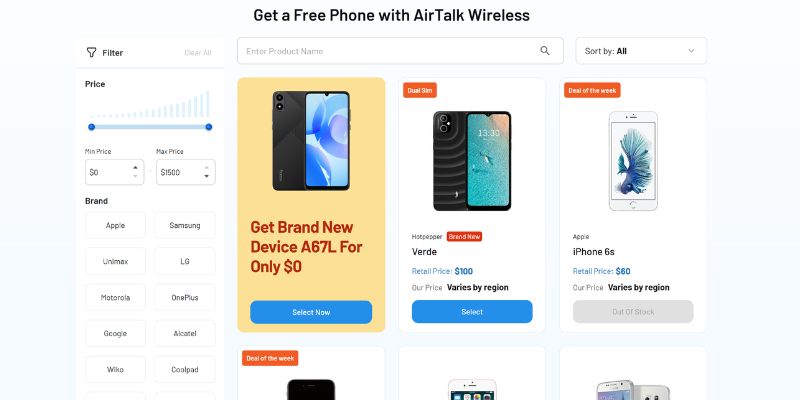
Through a Lifeline provider like AirTalk Wireless, eligible Medicaid households may receive: a free smartphone, monthly data, talk, and text with no long-term contracts
Having a free phone with Medicaid is especially helpful after marriage, when eligibility reviews and documentation requests are common.
With consistent phone access, Medicaid households can:
- Receive calls from caseworkers
- Check application or renewal status online
- Upload documents promptly
- Avoid missed deadlines that lead to termination
AirTalk Wireless supports eligible Medicaid recipients by helping them keep connected during life changes. For those still worried “Will I lose Medicaid if I get married”, reliable communication can be the difference between uninterrupted coverage and unnecessary loss.
Final Thoughts
So, “Will I lose Medicaid if I get married?” For most people, the answer is no, not automatically.
Marriage changes how Medicaid evaluates your household, but eligibility depends on income, category, and timely reporting. Many losses occur due to paperwork issues, not true ineligibility.
Understanding your Medicaid type, reporting changes promptly, and keeping connected through programs like Lifeline, via providers such as AirTalk Wireless, can help you navigate marriage without losing essential health coverage.