



Marriage changes more than your last name or tax filing status. It can also affect how Medicaid calculates household income and eligibility. That is why many people ask, will I lose my Medicaid if I get married?
Understanding how Medicaid treats married couples can help you avoid surprises and protect your coverage during this transition. Read now!
1. Will I Lose My Medicaid If I Get Married?
Marriage does not automatically cancel Medicaid, but it can change how your eligibility is calculated.
When you get married, Medicaid usually begins counting your spouse’s income as part of your household income. For individuals who qualify under income-based MAGI rules, this combined income may push the household above the state’s eligibility threshold. If that happens, coverage could end at your next eligibility review.
However, not everyone is affected the same way. For example:
- Individuals who qualify through a disability pathway tied to Supplemental Security Income may not lose coverage simply because they marry, though income rules still apply.
- Pregnant individuals and children have separate income thresholds that may be higher than adult limits.
- Some states offer transitional coverage or alternative eligibility categories.
Whether you lose Medicaid after marriage depends on your state’s income limits, your eligibility category, and how much your combined household income changes.


>>> Read more: Does Spouse Income Affect Medicaid Eligibility? A Comprehensive Guide
2. Who Is Most Likely to Be Affected After Marriage
The people most likely to see changes in Medicaid eligibility after marriage are adults who qualify based strictly on income.
In expansion states, adults may qualify for Medicaid if their income is at or below 138 percent of the federal poverty level. After marriage, the spouse’s income is added to the total household amount. Even if one spouse earns modest wages, the combined income may exceed the limit.
Individuals in non-expansion states may face even stricter income caps, especially parents and caretaker relatives.
By contrast, people who qualify based on disability or age may have more complex financial rules, including asset considerations. In those cases, marriage can still affect eligibility, but the analysis may involve both income and resource limits.
Because eligibility rules vary widely, the impact of marriage depends heavily on your specific category and state guidelines.
3. How to Protect Your Medicaid Status When You Get Married
Marriage changes how Medicaid evaluates your household, but there are steps you can take to reduce the risk of unexpected termination.
Report Your Marriage to Medicaid on Time
Medicaid requires beneficiaries to report major life changes, including marriage, within a specified timeframe. This is often within 10 to 30 days, depending on your state.
Failing to report your marriage can cause administrative problems later. If Medicaid discovers unreported income changes during renewal, coverage may be terminated retroactively. Reporting promptly ensures your case is updated correctly and reduces the risk of penalties or gaps.
Always confirm your state’s reporting deadline and keep records of when and how you submitted the update.
Update Household Income and Filing Status Accurately
After marriage, your spouse’s income is typically included in your Medicaid eligibility calculation. This includes wages, self-employment income, and in some cases other taxable income sources.
Your tax filing status may also affect how Medicaid evaluates your household under MAGI rules. Filing jointly versus separately can influence how income is counted.
When updating your case, provide:
- Current pay stubs for both spouses
- Employer information
- Any recent changes in income
- Updated address or household details
Accurate reporting prevents delays and helps Medicaid determine whether you remain eligible under your new household structure.
Request an Eligibility Review Before Assuming You Lost Coverage
Do not assume that marriage automatically disqualifies you.
If you are unsure how your combined income affects eligibility, request a formal eligibility review. Medicaid may determine that you still qualify under your category, especially if your spouse’s income is modest or if you fall under a higher income threshold group, such as pregnancy-related coverage.
In some situations, eligibility categories can shift rather than terminate. For example, you may move from one adult category to another without losing coverage entirely.
Ask About Transitional or Post-Marriage Coverage Options
If your new household income exceeds Medicaid limits, ask about transitional coverage options before accepting termination.
Some states offer:
- Transitional medical assistance for families with income increases
- Marketplace referrals for subsidized insurance plans
- Special enrollment periods triggered by marriage
Exploring alternatives early helps avoid a coverage gap and gives you time to compare other insurance options if needed.
4. Common Mistakes That Lead to Unexpected Medicaid Termination
One of the most common mistakes is assuming Medicaid will automatically adjust without requiring action. Marriage must be reported, and income documentation must be updated promptly.
Another frequent error is underestimating the impact of a spouse’s income. Even part-time wages can shift eligibility calculations in expansion states.
Some individuals fail to open or respond to renewal notices after marriage. If verification requests are ignored, Medicaid may close the case for failure to provide information rather than true ineligibility.
Finally, many people believe that losing Medicaid is permanent. In reality, eligibility can change again if household income decreases or circumstances shift.
Understanding these risks and acting quickly after marriage can significantly reduce the likelihood of unexpected termination.
5. Why Keeping Your Contact Information Updated Matters After Marriage
After getting married, many people update their last name, address, or household details, but forget to update their contact information with Medicaid. This small oversight can create serious problems.
Medicaid communicates primarily through mailed notices, online portals, phone calls, and managed care plan updates. You may receive requests to verify income, confirm household changes, or complete a renewal review.
If your address, phone number, or email is outdated, you might miss an important deadline. Missing a response window can lead to case closure for failure to provide information, even if you were still eligible.
Marriage often triggers a cascade of updates such as tax filing status changes, new insurance options through a spouse’s employer, and potential eligibility reviews. During this period, staying reachable is critical. Always update:
- Mailing address
- Phone number
- Email address
- Online portal account information
Because Medicaid enrollment can also qualify households for the Lifeline program, some individuals may be eligible for discounted phone service.
Through approved providers such as AirTalk Wireless, eligible Medicaid participants may receive a free phone along with monthly talk, text, and data, depending on state availability.
While phone service does not affect Medicaid eligibility rules, reliable communication helps ensure you receive and respond to time-sensitive notices after marriage.

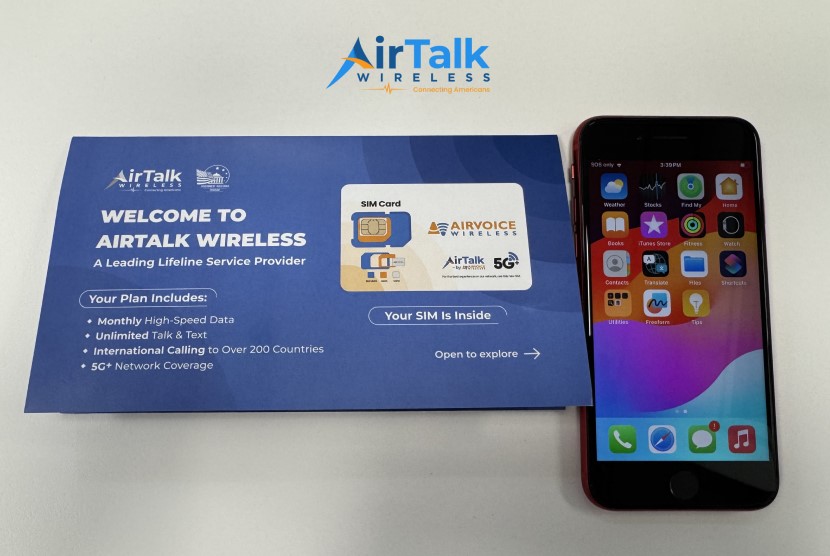
IMPORTANT: The government does not subsidize devices. Lifeline programs cover basic service costs only. Free or discounted devices, upgrade plans, or top-ups are exclusive benefits provided by AirTalk Wireless as part of our promotional offers. Terms and conditions apply. Limited-time promotion—offers vary by state, stock availability, and eligibility.
Conclusion
Whether you are asking will I lose my Medicaid if I get married out of concern or simply planning ahead, the answer depends on how your new household income fits within your state’s eligibility rules. Marriage changes how income is counted, but it does not automatically terminate coverage.
Reporting updates promptly, reviewing eligibility after income adjustments, and staying responsive to Medicaid notices are the most effective ways to avoid unexpected termination. Taking these steps early allows you to transition into married life without unnecessary disruptions to your Medicaid benefits.