


Understanding the WV Medicaid eligibility income chart is often the first step for West Virginia residents trying to figure out whether they qualify for coverage. Medicaid eligibility in WV is largely based on household income, family size, age, and specific life circumstances, which can make the rules feel confusing at first glance.
The income chart helps simplify this by showing how much you can earn and still qualify under different Medicaid programs. In this guide, we break down what the WV Medicaid income chart actually shows, how income limits work in practice, and why checking the chart carefully matters before you apply.
1. What the WV Medicaid Eligibility Income Chart Shows


The WV Medicaid eligibility income chart is a monthly income reference used by West Virginia to determine whether an individual or household qualifies for Medicaid or related assistance programs. Instead of listing one single cutoff, the chart displays income limits as percentages of the Federal Poverty Level (FPL), such as 100%, 133%, 150%, 185%, and higher, depending on the Medicaid program.
In simple terms, the chart helps answer a common question many applicants ask: what is the income limit for Medicaid in West Virginia? The answer depends on who is applying, how many people are in the household, and which Medicaid category applies to them.
In practical terms, the chart answers two key questions for applicants:
- How many people are in your household?
- How much gross monthly income does your household have?
By matching those two factors, the state can determine eligibility for Medicaid expansion, children’s Medicaid, disability-based Medicaid, or long-term care programs. The figures shown are monthly amounts, which is important because Medicaid decisions in West Virginia are not based on annual income alone.
2. WV Medicaid Income Limits by Household Size
West Virginia Medicaid income limits increase as household size grows, but the exact cutoff varies by eligibility group. Understanding how these limits work helps clarify what’s the maximum income you can make for Medicaid in different situations.
Income Limits for Single Adults and Couples
For adults ages 19 to 64 covered under Medicaid expansion, eligibility is generally tied to 133% of the Federal Poverty Level (with standard income disregards applied in practice).
Based on the chart:
- 1-person household: around $1,200 per month
- 2-person household: around $1,615 per month
These limits apply mainly to non-disabled adults without dependent children. Couples must count both incomes together, even if only one person is applying.
Income Limits for Families With Children
Families with children often qualify under higher FPL thresholds than adults-only households. West Virginia uses different percentages depending on the child’s age and the specific Medicaid or CHIP category.
From the chart, approximate monthly limits at common eligibility levels include:
- 3-person household: roughly $2,030 to $2,289 per month
- 4-person household: roughly $2,444 to $2,757 per month
- Each additional person: increases the limit by several hundred dollars per month
These higher limits reflect the state’s intent to keep children insured even when household income is modestly above adult Medicaid levels.
Income Limits for Seniors and People With Disabilities
For seniors (65+) and individuals with disabilities, income rules are more complex. Some programs use 100% FPL, while others allow higher limits with spend-down or medically needy options.
The chart also shows special income standards tied to:
- SSI-based Medicaid
- Nursing home Medicaid
- Medicare Savings Programs (QMB, SLMB, QI-1)
For example, nursing home-related Medicaid often references income around 300% of the SSI limit, while community-based programs may use lower monthly thresholds. Because these categories vary widely, seniors and disabled applicants often need a caseworker review rather than relying on one single number.
Bottom line: the WV Medicaid eligibility income chart is not a one-size-fits-all table. It shows how income limits change by household size, age, and program type, helping applicants understand whether their monthly income falls within West Virginia’s Medicaid guidelines.
3. Medicaid Programs in West Virginia That Use Income Charts
West Virginia relies on income charts to decide eligibility across several Medicaid programs. Each program uses a different income threshold and household rule, which is why the same income may qualify one person but not another.
WV Medicaid Expansion for Adults
Medicaid Expansion covers adults ages 19 to 64 who do not qualify under disability or family-based programs. Eligibility is primarily income-based and tied to a percentage of the Federal Poverty Level shown in the WV Medicaid income chart. Household size and monthly gross income are the main factors reviewed, and assets are generally not counted for this group.
Medicaid for Children and CHIP
Children are evaluated under higher income limits than adults. West Virginia uses income charts to determine eligibility for:
- Children’s Medicaid for lower-income households
- CHIP for families whose income is above standard Medicaid limits but still within state guidelines
Because these programs allow higher income thresholds, many working families still qualify even if adults in the household do not.
Medicaid for Seniors and Long-Term Care Applicants
For seniors age 65 and older and people applying for long-term care, income charts are only one part of the decision. These programs often reference:
- SSI-based income standards
- Nursing home income limits
- Medically needy or spend-down rules
In these cases, the chart helps screen applicants, but additional financial and medical reviews usually apply.
>>> Also read: 7 Essential Facts About Free Government Phones Huntington WV
4. What You Can Get With Medicaid in West Virginia
Medicaid coverage in West Virginia extends well beyond basic doctor visits. Once approved, members gain access to a wide range of health services designed to support both short-term care and long-term stability.
Medical Services Commonly Covered
West Virginia Medicaid typically includes:
- Primary care and specialist visits
- Hospital and emergency services
- Prescription medications
- Mental health and substance use treatment
- Preventive care such as screenings, immunizations, and annual checkups
Coverage details can vary by managed care plan, but these core services form the foundation of Medicaid benefits statewide.
Extra Benefits Linked to Medicaid Eligibility
Beyond medical care, Medicaid eligibility can unlock additional support that helps members manage daily life and healthcare access, such as:
- Non-emergency medical transportation to appointments
- Case management and care coordination
- Long-term care services for eligible seniors and disabled individuals
- Access to other assistance programs tied to low-income eligibility
Taken together, these benefits show why understanding the income charts matters. They are not only a gateway to health coverage, but also to broader support that helps West Virginia residents stay healthy and connected.
5. How to Apply for WV Medicaid After Checking the Income Chart
Once you have compared your household size and monthly income with the WV Medicaid eligibility income chart, the next step is submitting an application. West Virginia offers several ways to apply so residents can choose the option that works best for them.
Apply Online Through West Virginia PATH
The fastest way to apply is through West Virginia PATH, the state’s online benefits portal. You can:
- Create an account and start a Medicaid application at any time
- Enter household, income, and residency information
- Upload documents securely instead of mailing them
- Check application status and respond to requests online
This option is especially helpful if you want to avoid delays caused by missing paperwork.
Apply by Phone or In Person
If online access is limited, you can apply by:
- Calling your local DHHR office to complete an application by phone
- Visiting a DHHR office in person for help from a caseworker
In-person and phone applications follow the same income and eligibility rules shown in the WV Medicaid income chart, but a staff member can walk you through the process step by step.
What Documents You Should Prepare
Having documents ready can speed up approval. Commonly requested items include:
- Proof of identity and West Virginia residency
- Proof of income, such as pay stubs, benefit letters, or tax records
- Social Security numbers for household members
- Health insurance information if you have other coverage
Submitting complete documents early helps reduce back-and-forth requests during review.
6. How AirTalk Wireless Supports WV Medicaid Members
Medicaid eligibility in West Virginia often connects residents to other assistance programs that support daily needs. One of the most important is Lifeline, a federal program designed to help low-income households reduce the cost of phone or internet service through a monthly benefit.
Because Medicaid participation automatically qualifies many households for Lifeline, approved members can apply for that benefit through Lifeline-authorized providers. One of the most well-known providers is AirTalk Wireless.

For eligible WV Medicaid members, AirTalk Wireless may offer:
- A free or heavily discounted smartphone, depending on state availability
- Monthly talk, text, and data with no separate phone bill
- Coverage that helps members stay reachable for caseworkers, renewals, and medical appointments
Reliable phone access plays a key role after Medicaid approval. Notices about renewals, managed care enrollment, and benefit changes are often time-sensitive. Having consistent service helps prevent missed communications that could interrupt coverage.

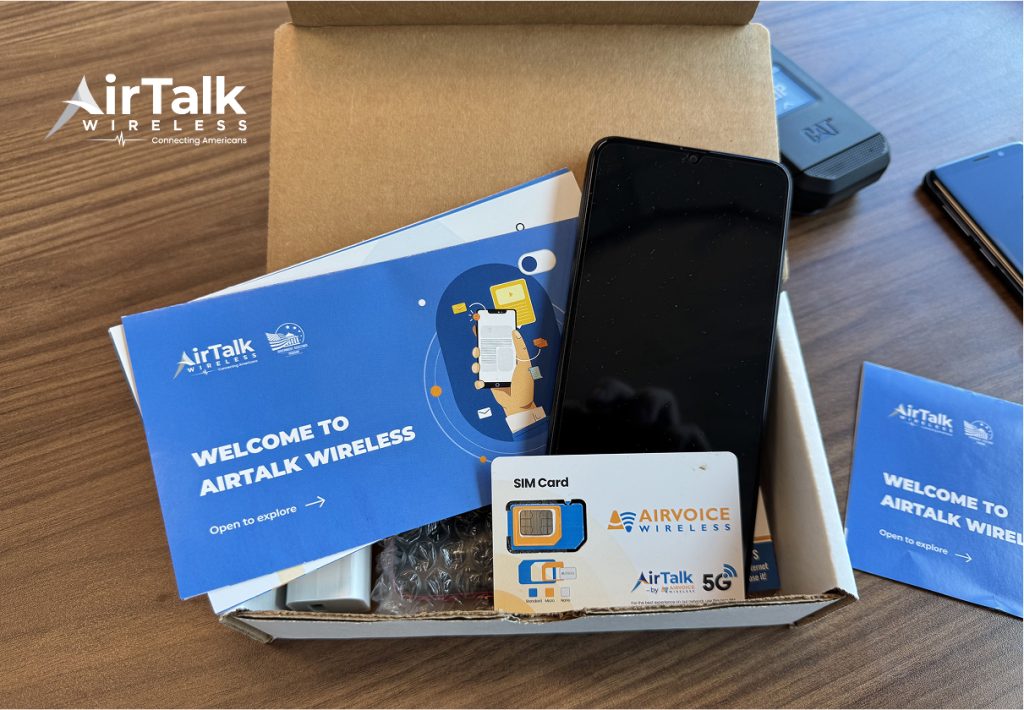
IMPORTANT: The government does not subsidize devices. Lifeline programs cover basic service costs only. Free or discounted devices, upgrade plans, or top-ups are exclusive benefits provided by AirTalk Wireless as part of our promotional offers. Terms and conditions apply. Limited-time promotion—offers vary by state, stock availability, and eligibility.
>>> Read more: How to Apply for the Lifeline Program at AirTalk Wireless?
Conclusion
Understanding the WV Medicaid eligibility income chart is the first step, but taking action is what turns eligibility into real coverage. After checking the income limits, applying through West Virginia PATH or a local DHHR office helps ensure your application is reviewed as quickly as possible. Once approved, Medicaid can open the door to comprehensive healthcare and related support programs, helping West Virginia residents stay healthy, informed, and connected.