

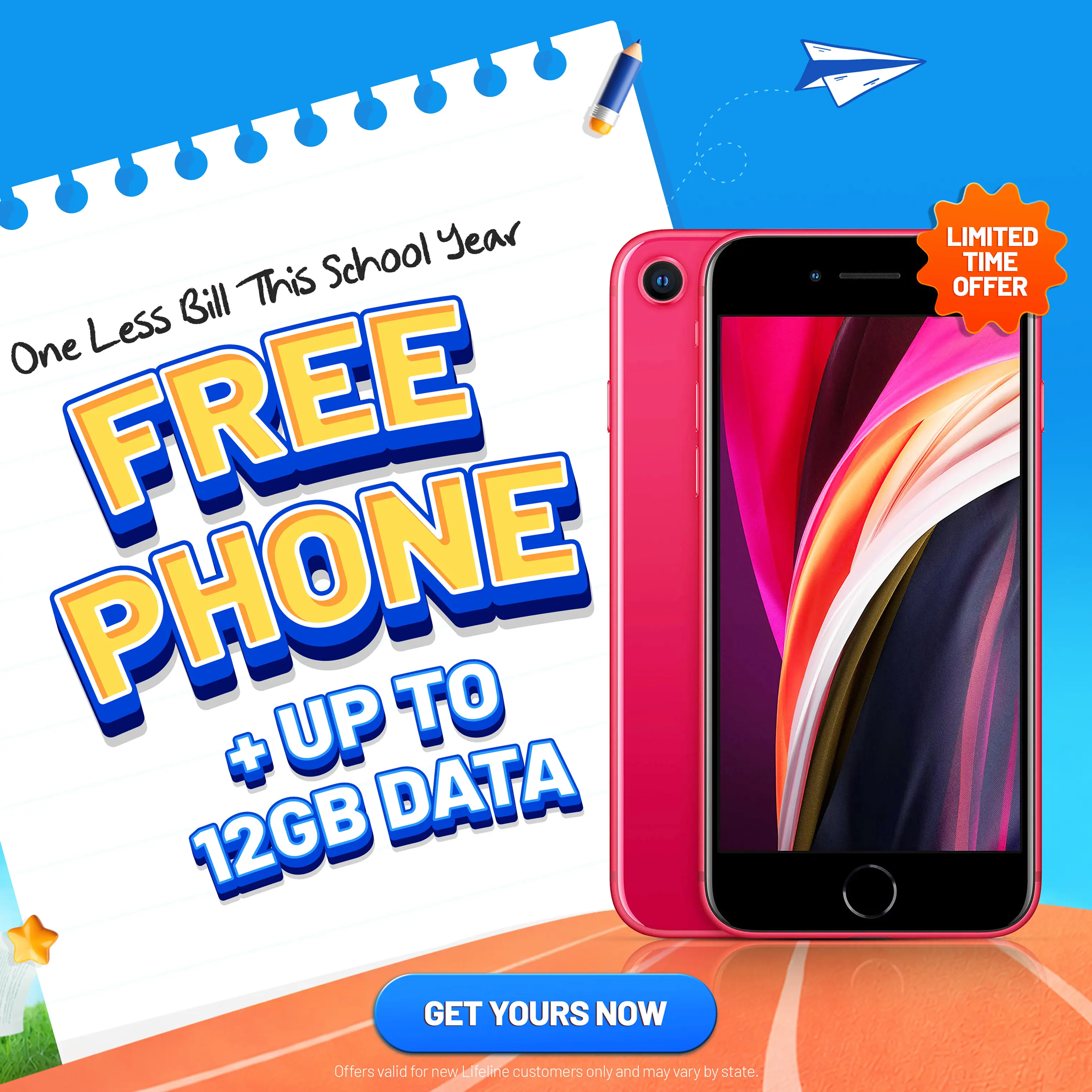

Free Government Cell Phone Qualifications: How To Make Sure You Qualify
- Share This:
-


-

-

-

-

-

-

-


Understanding free government cell phone qualifications is the first step to making sure you actually receive the device and service you need. Programs like Lifeline help eligible households access free or low-cost smartphones, but approval depends on meeting specific income limits or participating in qualifying assistance programs.
This guide breaks down exactly what you must meet, how to verify your eligibility, and what steps to take if you want a free iPhone through approved providers. You’ll also find tips and clear next steps to help you get approved quickly and confidently.
1. What Are the Qualifications for a Free Government Phone?
Lifeline is a federal assistance program that helps eligible individuals access essential communication services at no cost or at a significantly reduced price. To receive a free government phone through the Lifeline program, applicants must meet specific income or program-based requirements designed to support low-income households.
Income qualification is one of the most common ways to meet eligibility requirements. If you’re asking “what are the qualifications for a free government phone”, the answer is tied directly to federal rules: your household income must be at or below 135% of the Federal Poverty Guidelines. You can verify the current thresholds on the official Federal Poverty Guidelines page.
If your total household income falls within this range, you may qualify even if you are not enrolled in any assistance program. Acceptable proof includes recent pay stubs, a prior-year tax return, or an official benefits statement.
You can also meet free government cell phone qualifications through participation in specific government programs, such as SNAP (Food Stamps), Medicaid, SSI, Federal Public Housing Assistance, Veterans Pension and Survivors Benefit, or Tribal assistance programs. Enrollment in any of these programs typically provides automatic eligibility for Lifeline, as long as proof of participation is submitted.
Lifeline is a one-per-household benefit, which means only one phone or discounted service plan can be provided per residential address. Additionally, applicants must submit proper documentation, including proof of identity, address verification, and eligibility evidence.
Ensuring your documents are clear, consistent, and up-to-date will significantly reduce delays and increase your chances of fast approval.

>>> Read more: Top 5 Best Free Government Phone Plans for Low Income
2. How to Get a Free iPhone from the Government?
Step-by-Step Process
Getting a free iPhone through the government is straightforward once you understand the free government cell phone qualifications and follow each step carefully. Below is a clear breakdown to help you apply smoothly, avoid delays, and choose the best provider.
Step 1: Check Your Eligibility
Start by confirming that you meet the Lifeline program requirements. You may qualify through income limits or participation in programs such as Medicaid, SNAP, SSI, or Federal Public Housing Assistance. You can verify your eligibility through the National Verifier or your state’s Lifeline portal.
Step 2: Choose a Lifeline-Approved Provider
Not all providers offer iPhones, so select one that clearly lists available Apple models. Compare device options, service plans, and user reviews. A trusted provider ensures you receive a real phone rather than falling for a misleading “free iPhone” offer.
Step 3: Submit Your Application Online
Upload required documents such as your ID, proof of address, and proof of eligibility. Online applications are typically processed faster than mail-in submissions.
Step 4: Select Your iPhone Model
Once approved, browse the provider’s list of available iPhones. Free models are usually older generations, while newer models may be discounted. Review prices carefully and choose the device that best fits your budget and needs.
Step 5: Wait for Approval and Shipment
After submitting your device selection, your provider will finalize your order. Most Lifeline shipments arrive within 7–10 business days, depending on availability and your location.
If you want a simple, reliable way to get a free government iPhone, AirTalk Wireless is one of the most trusted choices. As a leading Lifeline provider, AirTalk delivers high-quality smartphones at no cost to eligible users, along with smooth approval steps and clear, upfront terms.
- Wide selection of iPhones: Qualified applicants can access free models like the iPhone 6, 6s, or 6s Plus through the Lifeline program.
- Reliable monthly service: AirTalk provides free talk, text, and data plans that support everyday communication without adding bills.
- A provider you can trust: AirTalk is known for transparent pricing, dependable service, and a helpful customer support team.
- Affordable upgrade options: AirTalk also offers discounted upgrade pricing for models like the iPhone 7, 8, and X, giving you more flexibility based on your budget and needs.
>>> Read more: How Do I Apply for a Free Government Phone? The Step-by-Step Guide You Need
Tips for Maximizing Benefits
To get the most value from the government program and ensure you meet all free government cell phone qualifications, follow these practical tips:
- Confirm free government cell phone qualifications: Check your qualification before applying to avoid delays. Make sure your name, address, and documentation match exactly across all forms.
- Choose a Lifeline provider that offers real iPhone options: Not every provider offers Apple devices. Compare providers and choose one with solid reviews and a clear list of available models.
- Apply online for faster approval: Online applications are processed more quickly than mail-in forms and allow you to upload documents instantly.
- Look for discounted upgrades: Programs rarely offer premium iPhones for free, but reliable providers offer steep discounts on newer models. Providers like AirTalk Wireless often list upgraded iPhones at lower prices for approved users.
- Keep your documents ready: Prepare your ID, proof of address, and proof of eligibility before applying. Clear scans or photos help avoid processing delays.
- Use your service every 30 days: Lifeline users must keep service active by making at least one call, text, or data session monthly. This ensures your phone service remains active.
- Recertify annually: Complete your yearly recertification to maintain your benefits. Missing this step can lead to service interruptions.

3. FAQs
Do I Need to Participate in a Government Program to Qualify?
You don’t always need to participate in a government program to qualify, but it is one of the easiest ways to meet Lifeline requirements. Programs like SNAP, Medicaid, SSI, and Federal Public Housing Assistance offer automatic eligibility. If you are not enrolled in these, you can still qualify through income if your household meets the federal poverty guidelines.
How Long Does It Take to Receive the Phone After Approval?
Most providers ship your device within 5–10 business days after approval. Shipping times can vary depending on your location and current stock availability. You will usually receive a tracking number so you can monitor your delivery status.
Can I Choose Any iPhone Model?
While you can choose from the models offered by your provider, not all iPhone versions are available for free. Older iPhone models are typically free, while newer or premium models may be offered at a discounted upgrade price.
Conclusion
Now that you understand the free government cell phone qualifications, you’re better prepared to apply and receive the benefits you qualify for. Meeting the program or income requirements ensures you can enjoy free monthly service and a dependable device without added financial stress.
Choosing the right provider will make your experience smoother from start to finish. For reliable service, clear instructions, and real device options, consider applying through AirTalk Wireless. Check your eligibility online and start your application with confidence.
- Share This:
-
-
-
-
-
-
-
-
New on AirTalk Wireless


How to Block a Number on iPhone (Calls, Texts, and More)
