

Medicaid Income Limits Florida Explained: Who Qualifies and What to Do If You’re Over the Limit
- Share This:
-


-

-

-

-

-

-

-


For many Florida residents, applying for Medicaid starts with one critical question: Medicaid income limits Florida. Whether you are working part-time, supporting a family, or facing rising medical costs, understanding how income limits work can help you avoid confusion and missed opportunities for support.
Florida’s Medicaid system is often misunderstood. Many people assume that earning any income disqualifies them automatically. In reality, Medicaid income limits in Florida are structured around specific eligibility categories, household circumstances, and program rules.
This guide explains how eligibility is determined, what the income numbers actually mean, how Medicaid connects to other assistance programs, and how qualifying may even help you access a free phone through Lifeline and AirTalk Wireless.
1. How Medicaid Eligibility Is Determined in Florida?
Florida Medicaid is administered by the Florida Agency for Health Care Administration (AHCA) in partnership with the Department of Children and Families (DCF), under federal oversight from the Centers for Medicare & Medicaid Services (CMS).
Eligibility is not based on income alone. Florida Medicaid evaluates:
- Household size
- Income type and amount
- Age
- Disability status
- Pregnancy or caregiving responsibilities
For most non-elderly applicants, eligibility is assessed using Modified Adjusted Gross Income (MAGI). This standardized method helps ensure fairness, but it also means income calculations may differ from what applicants expect.
Understanding Medicaid income limits Florida requires knowing which eligibility group you fall into. Florida Medicaid does not apply one universal income cutoff to everyone.
2. Medicaid Income Limits Florida: What the Numbers Really Mean

When people search for Medicaid income limits Florida, they are usually looking for a single income number. However, the reality is more nuanced.
Income limits are typically expressed as a percentage of the Federal Poverty Level (FPL) and vary depending on:
- Whether the applicant is a child, pregnant woman, senior, or disabled
- Household size
- Program category
For example:
- Children may qualify at higher income levels
- Pregnant women often have expanded income limits
- Seniors and individuals with disabilities may be evaluated using different standards
This is why two households with similar incomes can receive different eligibility outcomes. Medicaid income limits Florida are designed to match coverage with specific needs, not to exclude people arbitrarily.
Another important point: income is often reviewed monthly, not annually. Temporary changes in earnings can affect eligibility from month to month, making it important to apply rather than assume ineligibility.
3. Medicaid and Other Government Assistance Programs
Medicaid eligibility in Florida often serves as a gateway to additional government support programs. Once a household qualifies for Medicaid, it may become easier to access other forms of assistance without repeating the entire income verification process.
These programs may include:
- Nutrition assistance
- Utility and energy support
- Transportation assistance
- Communication support programs
This interconnected system exists because Medicaid already verifies income and household information using federal standards. Understanding Medicaid income limits Florida is therefore about more than healthcare, it is about unlocking broader financial stability.
For many low-income households, these combined benefits work together to reduce essential monthly expenses.
4. Can Medicaid Income Limits Florida Affect Lifeline Eligibility?
Yes. One of the most practical benefits tied to Medicaid eligibility is access to the Lifeline program, which helps low-income households remain connected through phone and internet services.
How Medicaid can serve as a Lifeline qualifying program
The Federal Communications Commission (FCC) recognizes Medicaid as a qualifying program for Lifeline. This means that if you are enrolled in Medicaid, you may automatically qualify for Lifeline benefits without needing to prove income again.
For individuals managing healthcare appointments, applications, and renewals, phone access is essential.
Free phone options for Florida residents
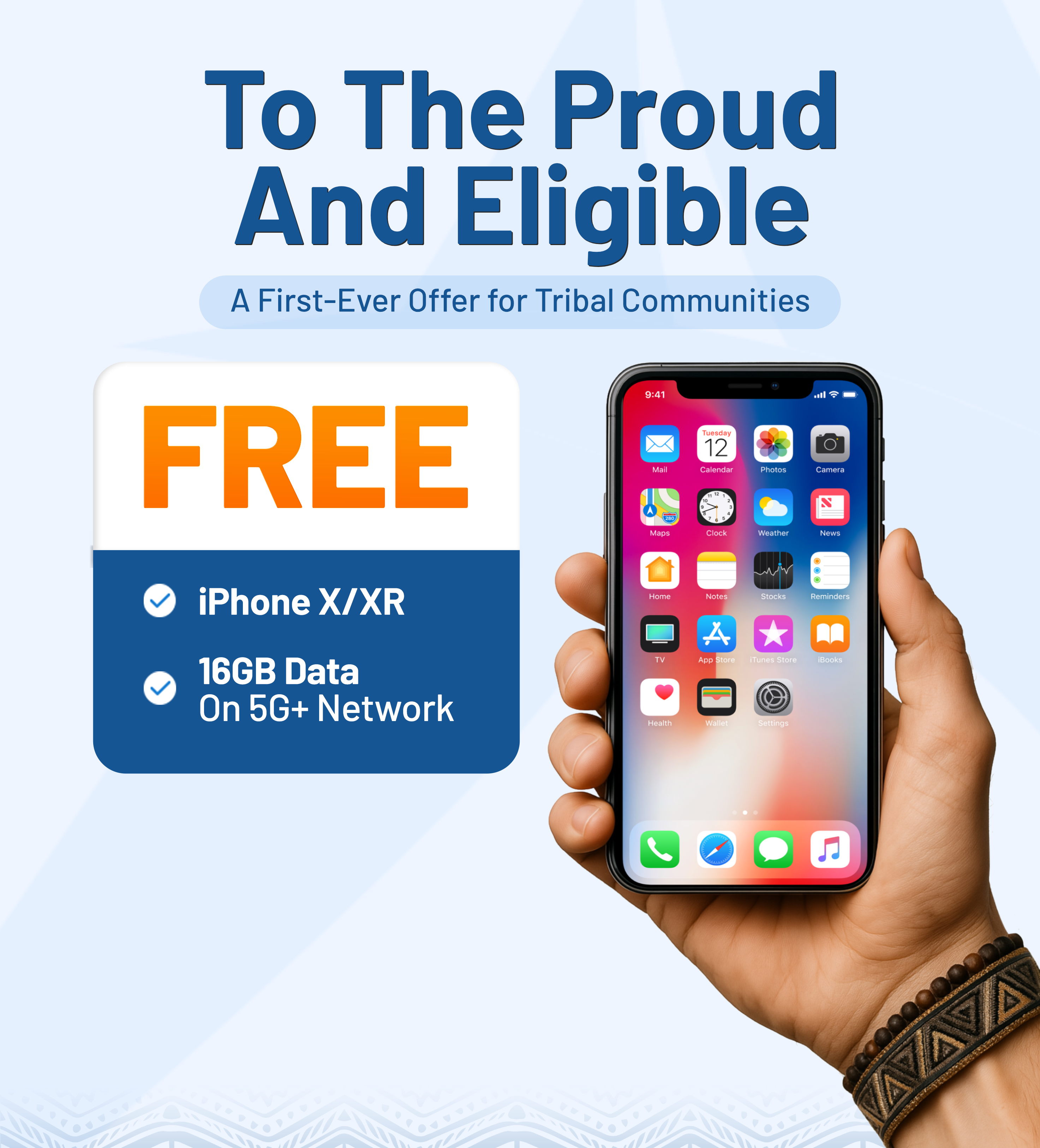
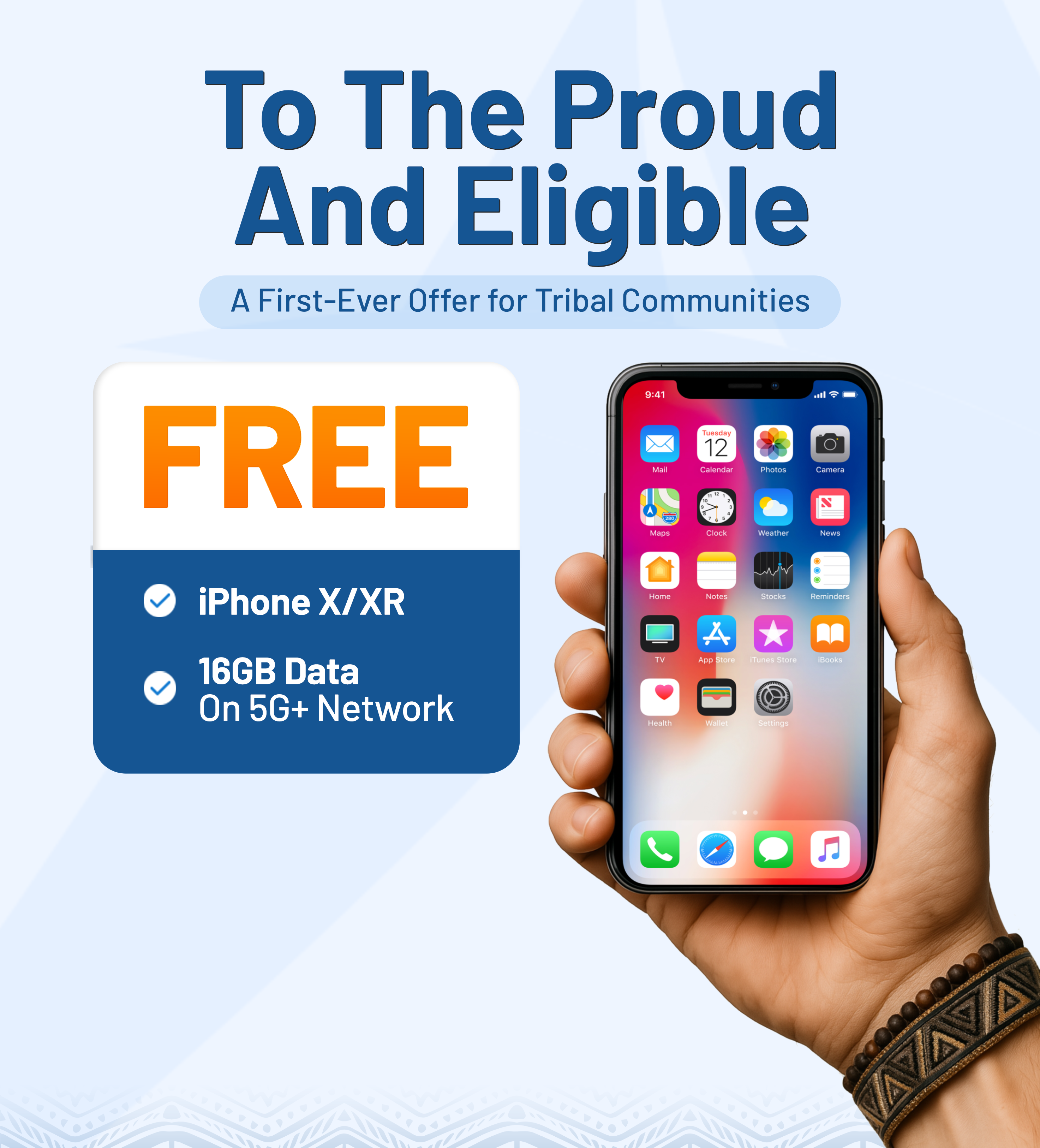
Eligible Florida residents may receive a free phone with Medicaid through approved Lifeline providers. This benefit is especially valuable for individuals and families with limited income, where maintaining consistent communication can directly affect healthcare access and benefit approval.
A free phone helps users:
- Communicate with Florida Medicaid offices and caseworkers
- Receive important renewal reminders, eligibility updates, and document requests
- Schedule medical appointments and follow up with providers
- Keep reachable during application reviews or coverage changes
In addition to voice calls, many plans of approved Lifeline providers also include free monthly data, allowing users to check Medicaid portals, access telehealth services, and manage benefits online without extra costs.
For households navigating Medicaid income limits in Florida, Lifeline support goes beyond connectivity. It acts as a practical safety net, helping eligible residents remain informed, responsive, and connected to essential healthcare and government services without worrying about phone bills.
>>> Read more: EBT Florida Application: Apply Online or In Person Now
5. How AirTalk Wireless Helps Eligible Florida Residents?
AirTalk Wireless is a Lifeline-approved provider that supports eligible Florida residents, including those who qualify through Medicaid. The service is designed for individuals and families who rely on government assistance programs and need reliable communication.
Through Airtalk Wireless, qualifying users may receive:
- A free smartphone
- Free monthly talk, text, and data
- Nationwide coverage
Why this matters: applying for Medicaid, responding to document requests, and managing ongoing benefits all depend on reliable communication. Missed calls or messages can lead to:
- Delayed approvals
- Missed deadlines
- Temporary loss of benefits
For residents who qualify under Medicaid, AirTalk Wireless helps they can keep connected throughout the entire process, from application to renewal.
Rather than treating phone service as a luxury, Lifeline and AirTalk Wireless recognize connectivity as a basic access tool for healthcare and government services.
Final Thoughts
Understanding Medicaid income limits Florida is the foundation for accessing healthcare and related support programs in the state. Income limits are not one-size-fits-all, and many residents qualify even if they believe their earnings are too high.
Applying through official state channels, understanding how eligibility categories work, and recognizing the added benefits tied to Medicaid, such as Lifeline phone service, can significantly improve access and stability.
With accurate information and supportive services like AirTalk Wireless, Florida residents can navigate Medicaid eligibility with greater confidence, clarity, and peace of mind.
- Share This:
-
-
-
-
-
-
-
-
New on AirTalk Wireless


