

Pregnancy Medicaid GA: Eligibility and Benefits in Georgia for 2026
- Share This:
-


-

-

-

-

-

-

-


Many expecting mothers look for affordable healthcare options during pregnancy, which is why searches for pregnancy Medicaid GA continue to grow. Medical care during pregnancy can be expensive, especially without insurance, so the Medicaid program in Georgia helps eligible pregnant women receive prenatal care, delivery services, and follow-up care.
1. What Is Pregnancy Medicaid GA?
Pregnancy Medicaid GA refers to Medicaid coverage available to pregnant women in Georgia who meet income and residency requirements. This coverage focuses on helping mothers receive medical care throughout pregnancy and after childbirth.

Overview of Pregnancy Medicaid in Georgia
Georgia Medicaid pregnancy coverage is intended to help pregnant individuals who may not otherwise have access to healthcare. Coverage typically includes medical visits, screenings, and delivery services needed for a healthy pregnancy.
Do You Automatically Qualify for Medicaid if You’re Pregnant?
Pregnancy alone does not automatically guarantee approval. Income limits, state residency, and other eligibility factors still apply. However, pregnancy may allow applicants to qualify under different income thresholds than standard Medicaid programs.
Some applicants may receive temporary approval while their application is reviewed, depending on their situation and documentation.

2. What Services Does Pregnancy Medicaid in Georgia Cover?
Pregnancy Medicaid focuses on medical care related to pregnancy and postpartum recovery.
Prenatal Care and Doctor Visits
Coverage usually includes routine prenatal checkups, lab testing, and screenings. These visits help monitor the health of both mother and baby throughout pregnancy.
Hospital and Delivery Services
Hospital services related to childbirth are typically covered. This may include labor, delivery, and medically necessary hospital care.
Postpartum Care and Follow-Up Visits
After delivery, Medicaid may continue to cover follow-up visits for a period of time. Postpartum care may include checkups, recovery monitoring, and certain medical services related to childbirth.

>>> Read more: Are College Students Eligible for Medicaid?
3. How to Qualify for Pregnancy Medicaid in Georgia
Understand the main eligibility factors before applying.
Income Requirements for Pregnant Applicants
Pregnancy Medicaid programs often have higher income limits compared to other Medicaid categories. This allows more pregnant applicants to qualify for coverage during pregnancy.
Income calculations usually consider household size and total earnings.
Residency and Citizenship Requirements
Applicants must live in Georgia and meet citizenship or qualified immigration status requirements. Proof of residency may include a lease, utility bill, or similar documentation.
Medical Confirmation of Pregnancy
You must provide medical confirmation of pregnancy from a qualified healthcare provider. This documentation is required to be approved for pregnancy‑related Medicaid coverage.
4. How to Apply for Pregnancy Medicaid in Georgia
Understanding the application process can make it easier to receive coverage quickly.
Step 1 – Confirm Eligibility Requirements
Applicants should review income guidelines and eligibility criteria before starting the process. This helps prevent delays caused by incomplete applications.
Step 2 – Gather Required Documents
Applicants may need identification, proof of income, residency documents, and pregnancy verification from a medical provider.
Step 3 – Submit an Online or In-Person Application
Applications can often be completed online through Georgia’s Medicaid portal or submitted through local assistance offices.
You can review application information at Georgia Medicaid.
Step 4 – Track Your Application Status
After submitting the application, applicants should monitor their status and respond quickly if additional documents are requested.

5. How Long Does Pregnancy Medicaid Coverage Last?
During pregnancy, Medicaid GA covers many medical services, but some costs may still fall outside the program.
Pregnancy Medicaid usually focuses on medically necessary services related to pregnancy and postpartum recovery. Services unrelated to pregnancy may not always be included unless the applicant qualifies under another Medicaid category.
For example, elective procedures that are not medically necessary may not be covered. Certain specialty services may also require prior approval. Because policies vary, patients should confirm coverage with their provider before scheduling treatment.
Coverage During Pregnancy
Once approved, pregnancy Medicaid generally stays active throughout the pregnancy as long as the applicant continues to meet program rules. This gives expectant mothers access to the care they need during each stage, including routine prenatal visits, lab work, screenings, and medically necessary treatment connected to the pregnancy.
Coverage during pregnancy is especially important because many services happen over several months rather than in a single visit.
A patient may need regular checkups, specialist referrals, imaging, or treatment for complications, and Medicaid coverage helps reduce the financial burden of that ongoing care. This is one reason many applicants try to apply as early as possible after pregnancy is confirmed.
Postpartum Coverage Period
Coverage often continues after delivery for a postpartum period rather than ending immediately once the baby is born. This extra time matters because postpartum care is a major part of maternal health. Follow-up visits may include physical recovery checks, monitoring for complications, prescription needs, and other medical care related to childbirth.
For many families, this period is also when questions arise about whether coverage will continue, whether a new application will be needed later, and which services are still included. That is why applicants should not assume that the date of delivery is the end of all benefits.
When Coverage May Transition to Other Programs
After the postpartum period ends, Medicaid coverage may change depending on the person’s income, household size, and overall eligibility. Some individuals may continue to qualify under another Medicaid category, while others may need to reapply or move into a different coverage program.
This transition can be confusing if applicants are not expecting it. A person who qualified under pregnancy-related rules may not automatically stay in the same category forever.
Because of that, it is helpful to watch for renewal notices, requests for updated documents, or instructions about next steps. For anyone using pregnancy Medicaid GA, planning for what happens after postpartum coverage ends can make the shift much smoother.
>>> Read more: Family Therapy Medicaid Coverage: What Services Are Available?
Why Does Applying Early Matter During Pregnancy?
Timing can make a difference when applying for pregnancy Medicaid. Applying early in pregnancy may help ensure coverage begins in time for prenatal visits and screenings.
Applicants who delay applying may need to pay out of pocket for early visits if their coverage has not yet been approved. Starting the process early can reduce financial stress and allow patients to focus on medical care.
6. Connectivity Options for Pregnancy Medicaid Members in Georgia
Managing pregnancy care often involves frequent communication with doctors, Medicaid offices, pharmacies, and clinics. Pregnancy Medicaid GA recipients also should look into phone assistance programs that help them stay in touch without paying much.
Phone and Service Benefits Available Through Lifeline
The Lifeline program is a federal assistance program that helps eligible low-income households receive discounted or free phone and internet service. In reality, Medicaid recipients automatically meet Lifeline eligibility requirements because Medicaid participation is one of the qualifying criteria.
Lifeline focuses on helping people stay connected for essential needs such as healthcare communication, job opportunities, and emergency services.
Having reliable phone access may help pregnant Medicaid members:
- Confirm prenatal appointments
- Receive reminders from clinics
- Contact doctors about symptoms
- Coordinate prescription refills
- Communicate with Medicaid caseworkers
These everyday situations show why communication access can be helpful during pregnancy, especially for patients managing multiple appointments.

Devices and Service Options Offered for Eligible Users
It is important to understand that Lifeline provides discounts on basic communication services. Devices and service plans are offered through participating wireless providers.
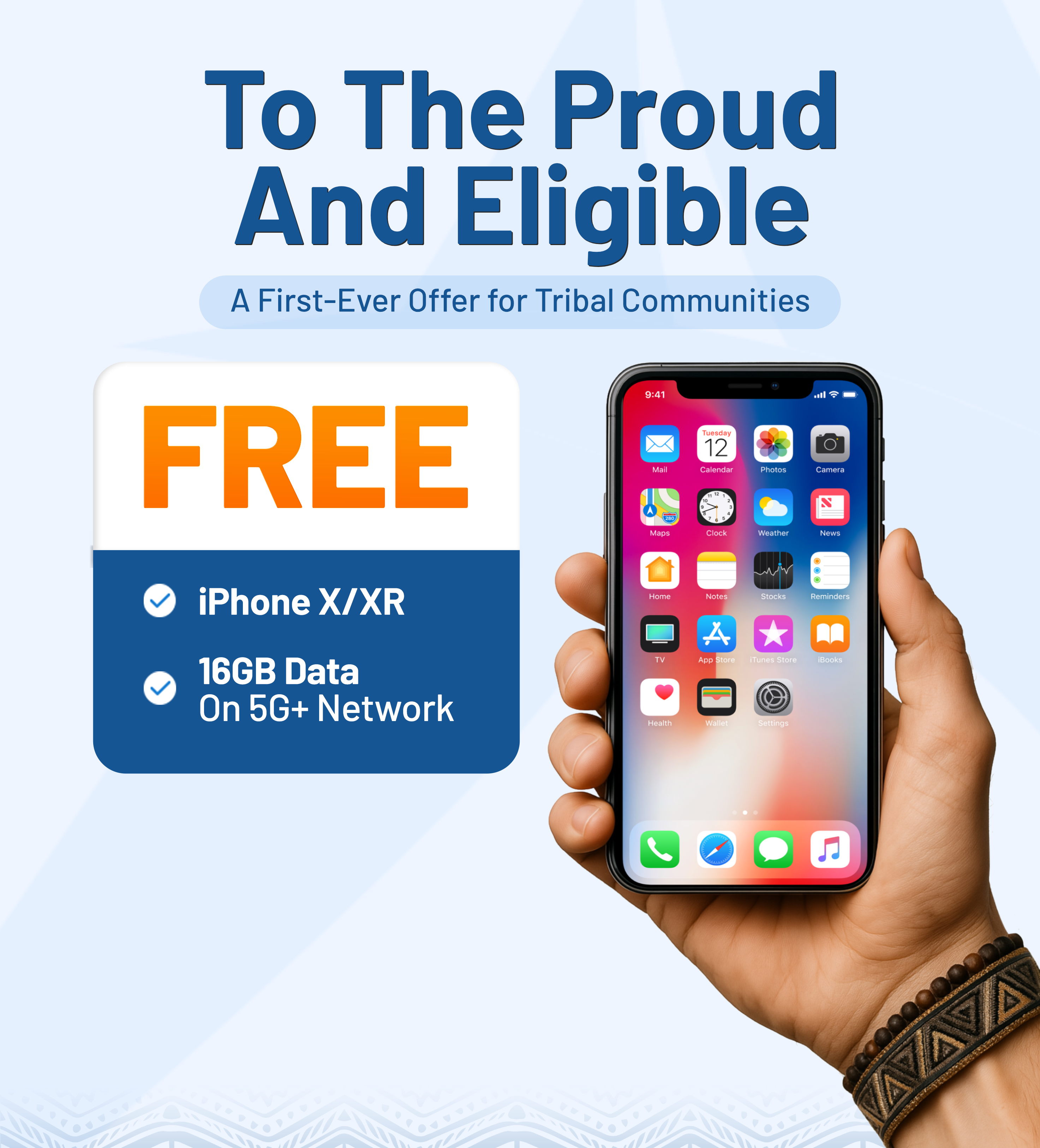
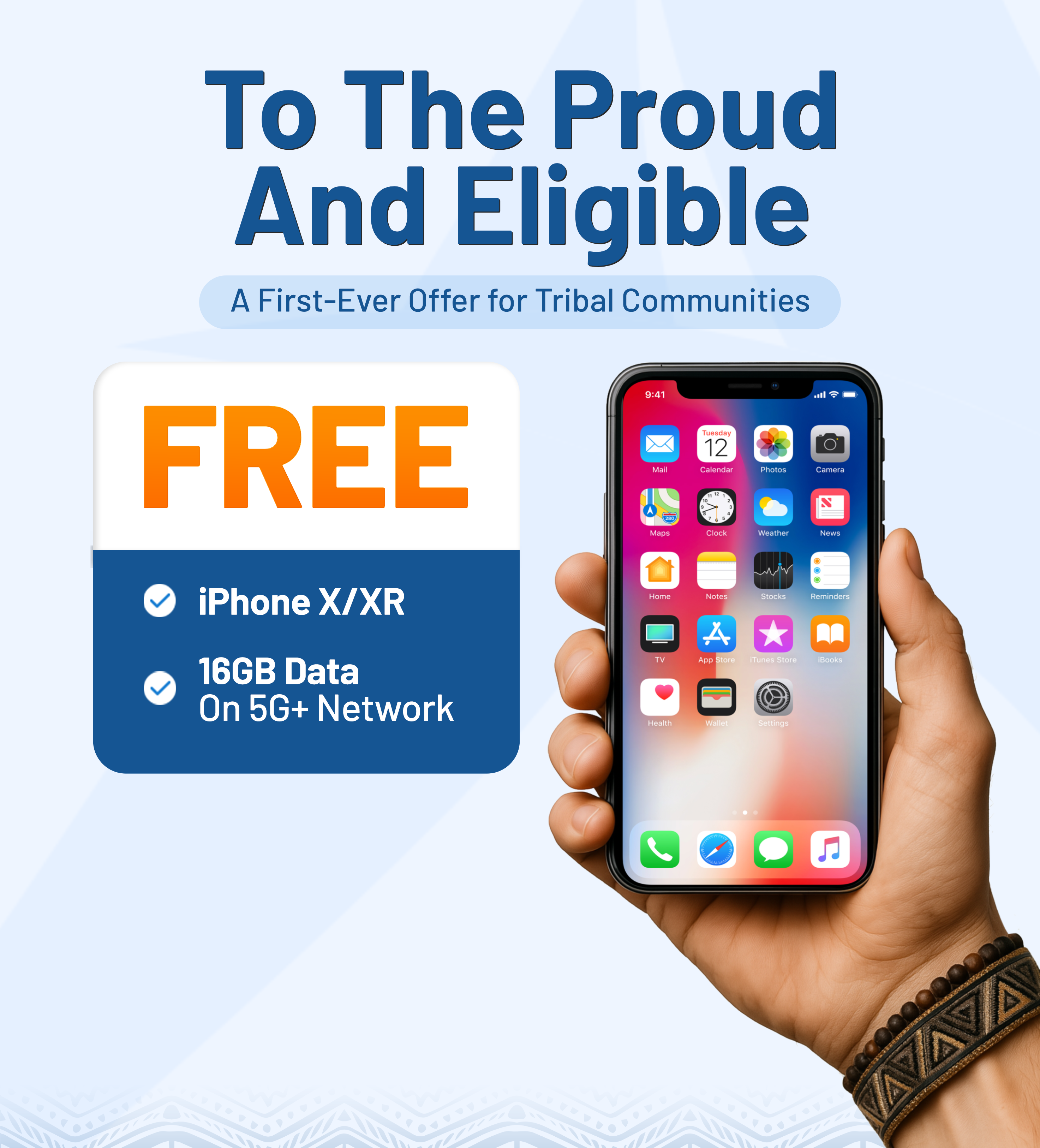
Through the Lifeline program, AirTalk Wireless provides eligible applicants with free phone service plans and device options, subject to availability.
Available devices may include smartphones suitable for calls, messaging, healthcare apps, and appointment reminders. Device availability may vary based on location and current inventory.
Of the many smartphone models, tablets, and smartwatches, here are some popular device options:
- iPhone 7
- iPhone 8
- iPhone X
- Samsung Galaxy A42 5G
- Samsung Galaxy A32 5G
- AirVoice S67 5G
Every Lifeline plan from AirTalk comes with:
- Generous data allowances
- Unlimited talk and text
- Free international calling to certain destinations
You can submit an application online on the AirTalk website. During the process, select from available service plans and device options.
7. FAQs
Can you apply for pregnancy Medicaid in Georgia without insurance?
Yes. Many applicants apply because they do not already have health insurance and need pregnancy-related coverage.
Can pregnancy Medicaid in Georgia cover past medical bills?
In some cases, Medicaid may apply retroactive coverage if the applicant met eligibility rules during the covered period.
Do you need proof of income for pregnancy Medicaid in Georgia?
Yes. Income documents are usually required to confirm eligibility during the application review.
Can pregnancy Medicaid in Georgia be denied for missing documents?
Yes. Missing proof of income, residency, or pregnancy can delay approval or lead to denial.
Final Words
Pregnancy healthcare can be expensive without insurance, which is why many families search for information about pregnancy Medicaid GA before applying.
While eligibility depends on income and residency requirements, many pregnant applicants may qualify for coverage that helps with prenatal care, delivery, and postpartum recovery.
Reviewing eligibility requirements early and submitting complete documentation can help make the process smoother.
- Share This:
-
-
-
-
-
-
-
-
New on AirTalk Wireless


