

iPhone X eSIM: Does iPhone X Support eSIM?
- Share This:
-


-

-

-

-

-

-

-


The iPhone X is a popular device, but when it comes to the iPhone X eSIM, unfortunately, the iPhone X does not have eSIM support, as it was introduced with the iPhone XS and later models.
In this guide, you’ll explore why the iPhone X lacks eSIM, the iPhones that do support eSIM, and the SIM options available for iPhone X users.
1. Does iPhone X Support eSIM?
The iPhone X does not support eSIM technology, as it was introduced after its release. Apple began integrating eSIM with the iPhone XS and newer models, marking a shift towards digital SIM cards for more flexible carrier options.
Released in 2017, the iPhone X had a physical SIM card slot and lacked the hardware to support eSIM.

The iPhone X doesn’t support eSIM primarily because of its design and release timeline. The eSIM technology, which allows users to activate their cellular plans digitally without the need for a physical SIM card, was introduced to iPhones starting with the iPhone XS in 2018.
At the time, Apple chose to only integrate eSIM into newer models, as it required additional hardware support and modifications that the iPhone X didn’t include.
While the iPhone X supports traditional SIM cards, it was not designed with the future shift to eSIM in mind. As such, iPhone X users are limited to using a physical SIM card for cellular service.
For those looking to use eSIM or dual-SIM capabilities, upgrading to a newer iPhone model, such as the iPhone XS, iPhone 11, or later, would be necessary.
>>> Read more: eSIM vs Nano SIM: Which SIM Technology Is the Future of Mobile?
2. Which iPhones Support eSIM (Full Compatibility List)
iPhone X eSIM support is not available because this model predates the introduction of eSIM in Apple devices. If you’re considering using eSIM, it’s important to know which iPhones support it.
Here is a list of iPhones that support eSIM:
- iPhone XS and XS Max (2018): The first iPhones to feature eSIM technology, allowing dual SIM support (one physical SIM and one eSIM).
- iPhone XR (2018): Like the XS series, the XR supports eSIM, providing the same dual-SIM functionality.
- iPhone 11, 11 Pro, and 11 Pro Max (2019): All iPhone 11 models support eSIM alongside a physical SIM, enabling dual SIM use.
- iPhone SE (2nd generation) (2020): The iPhone SE (2020) supports eSIM for dual SIM functionality, along with a physical SIM card.
- iPhone 12 series (2020): The iPhone 12 mini, 12, 12 Pro, and 12 Pro Max models all support eSIM, with the iPhone 12 series compatible with dual eSIM in certain regions.
- iPhone 13 series (2021): All models in the iPhone 13 lineup (13 mini, 13, 13 Pro, 13 Pro Max) support eSIM, including dual eSIM support.
- iPhone 14 series (2022): The iPhone 14 and 14 Pro models fully support eSIM, and in some regions (like the US), they are eSIM-only devices, meaning they no longer include a physical SIM card slot.
- iPhone SE (3rd generation) (2022): The updated SE model also supports eSIM for both domestic and international use.

If you’re looking for a reliable and affordable way to stay connected, consider signing up for Lifeline services with AirTalk Wireless. The Lifeline program is designed for eligible low-income individuals to help reduce their phone or internet bills.
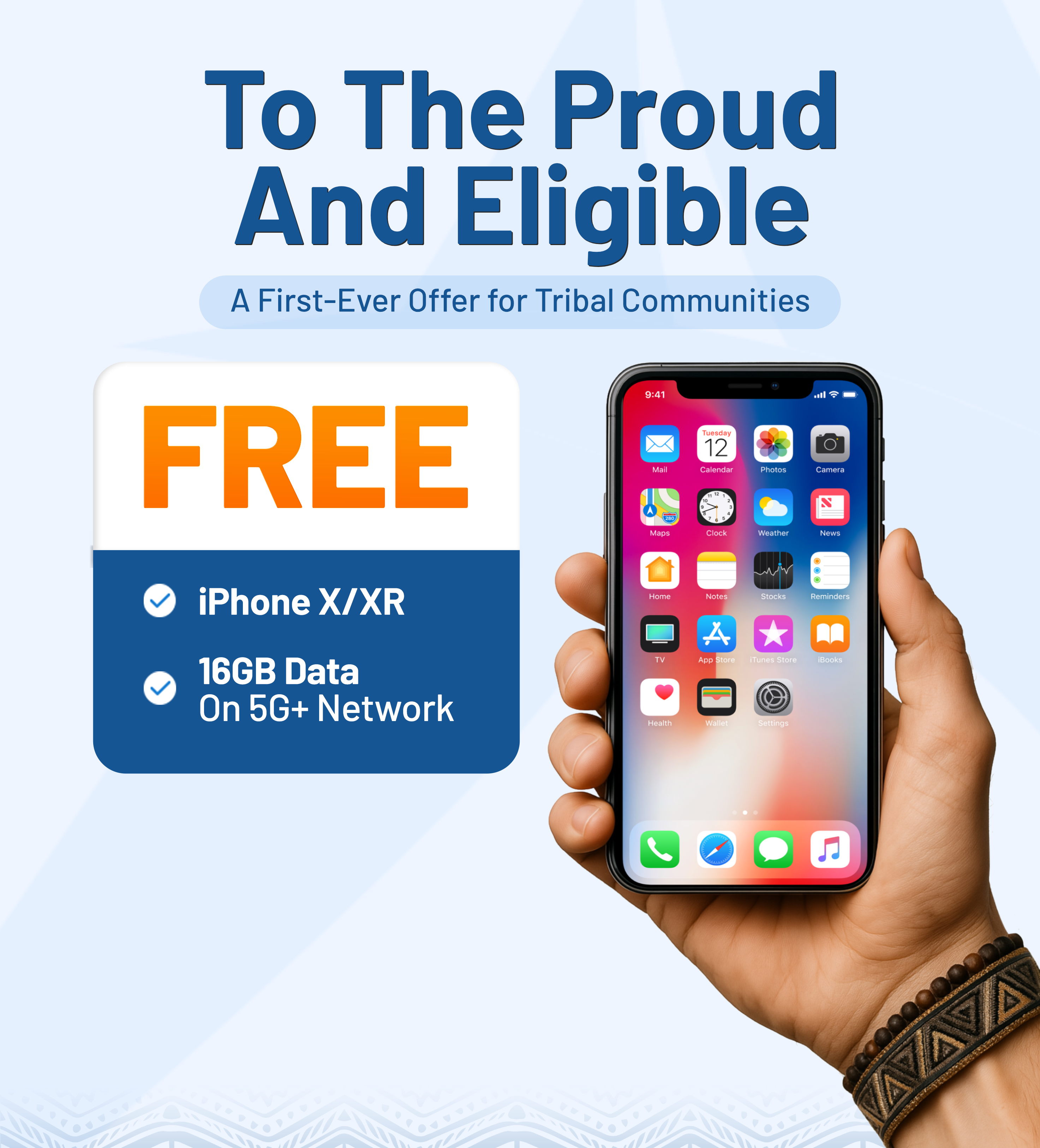
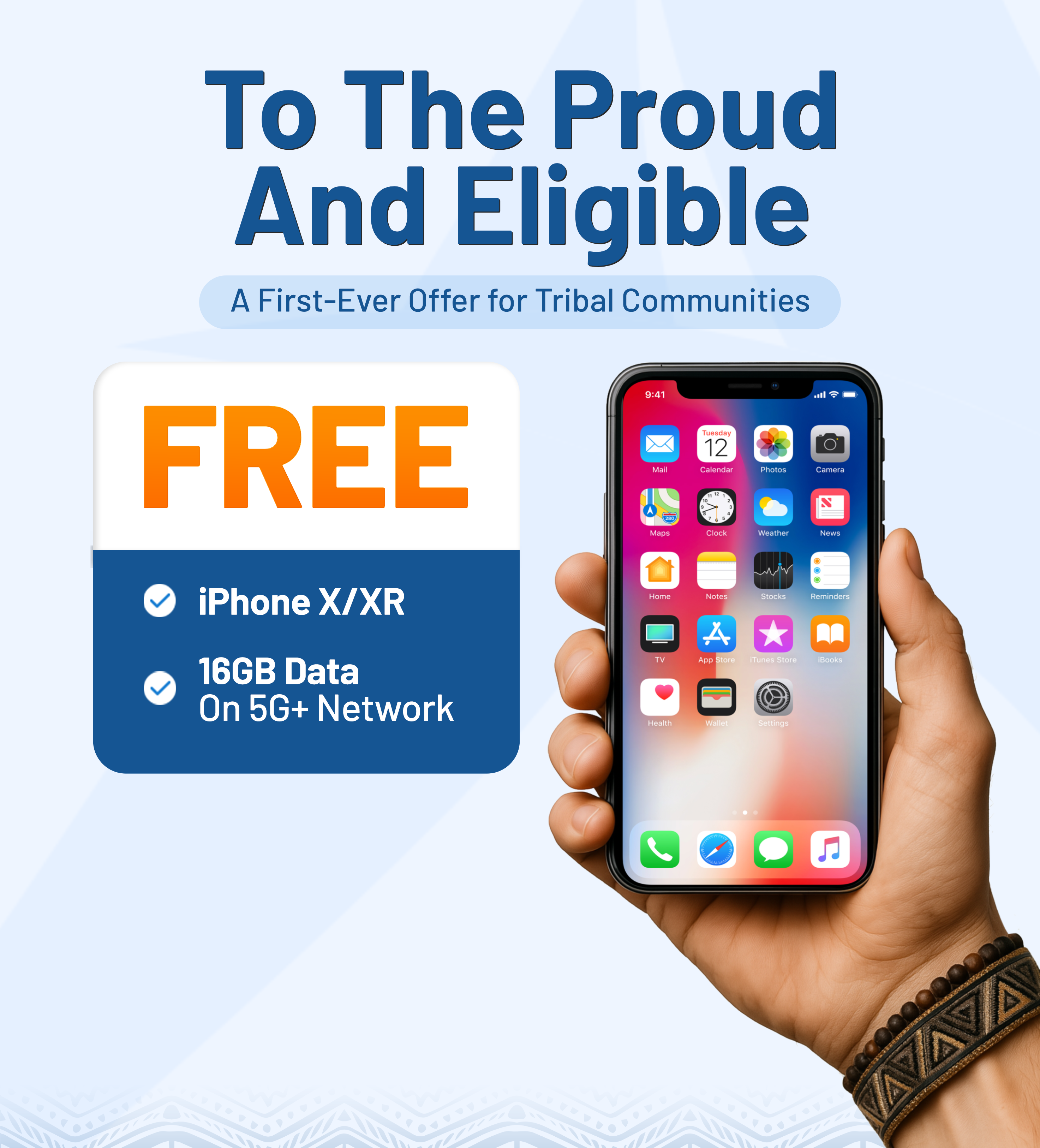
We offer a range of free phones through the Lifeline program for eligible participants. With a variety of options, you can select a device that fits your needs. Plus, AirTalk supports eSIM activation for free, making it easy to enjoy seamless service.
Popular free phone models available at AirTalk Wireless:
- Apple: iPhone 6, 6 Plus, 6s, 7, 8, 8 Plus, 11, 12, 13, 14, 15, XS, XR
- Samsung: Galaxy A42 5G, A54 5G, A71 5G, A32 5G, A50, S8, S8+, S9, S9+, Flip 3
- Other Brands: Motorola Moto G 5G, Motorola One 5G Ace, HotPepper Verde, Alcatel REVVL 5G, Unimax U693CL
Note: Eligibility varies by state and program. Offers depend on availability and qualifications. AirTalk Wireless operates under the federal Lifeline Program as an Eligible Telecommunications Carrier (ETC). Service is non-transferable and limited to one service per household.
>>> Read more: Does Pixel 8 Have eSIM?
3. iPhone X SIM Options: What You Can Use Instead
If you’re using an iPhone X and need to manage multiple lines or switch carriers, you won’t be able to use eSIM, as the device doesn’t support this feature.
However, there are still several SIM options available to make the most of your iPhone X’s cellular capabilities. Here are the alternatives you can use instead:
Physical nano-SIM
The iPhone X supports a single physical Nano-SIM card, which allows you to connect to a carrier’s network. This is the traditional method for accessing cellular services. If you’re looking to change carriers, simply swap out the SIM card for one from your new provider.
Keep in mind, the iPhone X only has space for one physical SIM, so you won’t be able to use two numbers simultaneously as you would with newer dual-SIM devices.
Dual SIM alternatives (SIM adapters)
While the iPhone X doesn’t offer built-in dual SIM support, you can still manage two numbers using third-party SIM adapters. These adapters typically allow you to insert two physical SIM cards into a single SIM slot.
Though not as seamless as dual SIM functionality, they can provide an option for users who need to use two lines.
Switching between SIM cards
If you’re using the iPhone X with a physical SIM, you can switch between carriers or numbers by manually changing the SIM cards.
This option may be helpful for travelers who need to switch to local SIM cards or for people who use different carriers for work and personal use. However, this option requires physically swapping out the SIM card each time you switch.
eSIM on Other Devices
While the iPhone X doesn’t support eSIM, newer iPhones (starting with the iPhone XS) do. If eSIM is essential for you, upgrading to an iPhone model that supports it, such as the iPhone XS or later, may be a good choice.

4. FAQs
Can iPhone X use dual SIM?
No, the iPhone X does not support dual SIM functionality. It only supports a single physical Nano-SIM card, and it does not have the capability for eSIM or dual SIM usage.
How to enable eSIM in iPhone X?
Unfortunately, the iPhone X eSIM is not available, so it is not possible to enable eSIM on this device. You would need to use a physical SIM card for cellular connectivity.
Can we add eSIM to iPhone X?
No, you cannot add eSIM to the iPhone X. eSIM functionality was introduced starting with the iPhone XS and newer models, so the iPhone X lacks the necessary hardware to support eSIM.
Conclusion
When it comes to the iPhone X eSIM, it’s important to note that this model does not support eSIM functionality. The iPhone X relies solely on a physical SIM card for cellular connectivity.
If you’re looking for the convenience of eSIM, you may want to upgrade to a newer iPhone model. For those who qualify for the Lifeline program, AirTalk Wireless offers a free eSIM and phone, providing easy access to affordable service. Visit AirTalk Wireless today to explore the available options and stay connected seamlessly!
- Share This:
-
-
-
-
-
-
-
-
New on AirTalk Wireless


