

Which iPhones Support eSIM? Full List and How to Check Your Model
- Share This:
-


-

-

-

-

-

-

-


eSIM support has become one of the biggest changes in modern iPhones, especially as Apple continues moving away from physical SIM cards in newer models.
Many users upgrading devices now want to know exactly which iPhones support eSIM, whether their current phone is compatible, and which models work best for long-term eSIM use.
That question matters even more today because Apple officially removed the physical SIM tray from U.S. iPhone 14 and newer models, making eSIM the primary activation method in those devices.
This guide explains which iPhones support eSIM, how to check your specific model, and which iPhones offer the best balance of compatibility, performance, and future support.
1. Which iPhones Support eSIM?
Apple first introduced eSIM support in 2018, and nearly every major iPhone release since then has continued supporting the technology.
Which iPhone models accept eSIMs? The answer now includes most modern iPhones from the XR generation onward.
According to Apple, eSIM availability may still vary slightly by country or carrier, but support has expanded significantly over the last several years.

First iPhones With eSIM Support
The earliest iPhones to introduce eSIM support were:
These models marked Apple’s first step toward digital SIM technology and dual-line functionality.
For many users researching What is the oldest iPhone that supports eSIM, these three devices are the official starting point.
Although these phones still support eSIM today, carrier compatibility and software support may vary depending on region and iOS version.
iPhone Models With Full Dual SIM Support
Apple expanded dual SIM functionality significantly with later iPhone generations.
Models including the:
- iPhone 11 series
- iPhone 12 series
- iPhone 13 series
allow users to combine physical SIM and eSIM more flexibly. Some models also support multiple eSIM profiles stored on the device simultaneously.
Apple notes that iPhone 13 and later models can store several eSIMs and activate more than one line at the same time in supported regions.
This generation is often considered the sweet spot for users comparing which iPhones support eSIM while still wanting flexible physical SIM compatibility.
Newer iPhones With eSIM-First Design
Apple pushed eSIM even further with newer iPhones, especially U.S. versions of:
- iPhone 14 series
- iPhone 15 series
- iPhone 16 series
These devices rely heavily on eSIM activation and, in some regions, no longer include a physical SIM tray at all.
That design shift reflects broader industry adoption. The GSMA reports that eSIM support now spans hundreds of mobile carriers globally as smartphone manufacturers continue moving toward digital-first connectivity.
For users planning long-term upgrades, these newer models currently represent the most future-ready answer to which iPhones support eSIM most efficiently.
>>> Read more: How Do I Know If I Have an eSIM? Simple Ways to Check on Any Phone
2. How to Check If Your iPhone Supports eSIM?
Even if your phone looks modern, it is still important to confirm whether eSIM is actually available on your specific model and region.
Check in Settings
The fastest way to verify compatibility is directly through iPhone settings. Open Settings, then tap Cellular.
If your phone supports eSIM, you will usually see options such as:
- Add eSIM
- Add Cellular Plan
- eSIM
- Cellular Setup
Apple explains that eSIM-capable iPhones display digital SIM management options inside Cellular settings.
This is one of the easiest ways to answer “how do I know if my iPhone supports eSIM” without searching model databases manually.
Check Your Model Number
Another reliable method is checking the exact model number. Go to Settings, then General, and About. Then locate the model number section.
Apple maintains official compatibility documentation showing which model numbers support eSIM in different countries and regions. This matters because some iPhones sold in specific markets may still have different SIM configurations.
Signs Your iPhone Already Supports eSIM
Several clues often indicate the device already supports eSIM functionality.
Common signs include:
- The phone offers “Add eSIM” inside settings
- The device supports dual SIM features
- No physical SIM is currently installed but service still works
- Multiple cellular plans appear inside settings
These indicators usually confirm that the device belongs to the group of iPhones included when discussing which iPhones support eSIM today.
3. Choosing the Right iPhone If You Want eSIM
Not every eSIM-compatible iPhone offers the same experience. Some models focus on affordability, while others provide stronger long-term support and better dual-line flexibility.
Best Budget Option
For users wanting lower pricing while still getting solid eSIM support, the iPhone 11 and iPhone SE (3rd generation) remain practical options.
These devices still support eSIM, current iOS versions, and dual-line functionality for many carriers.
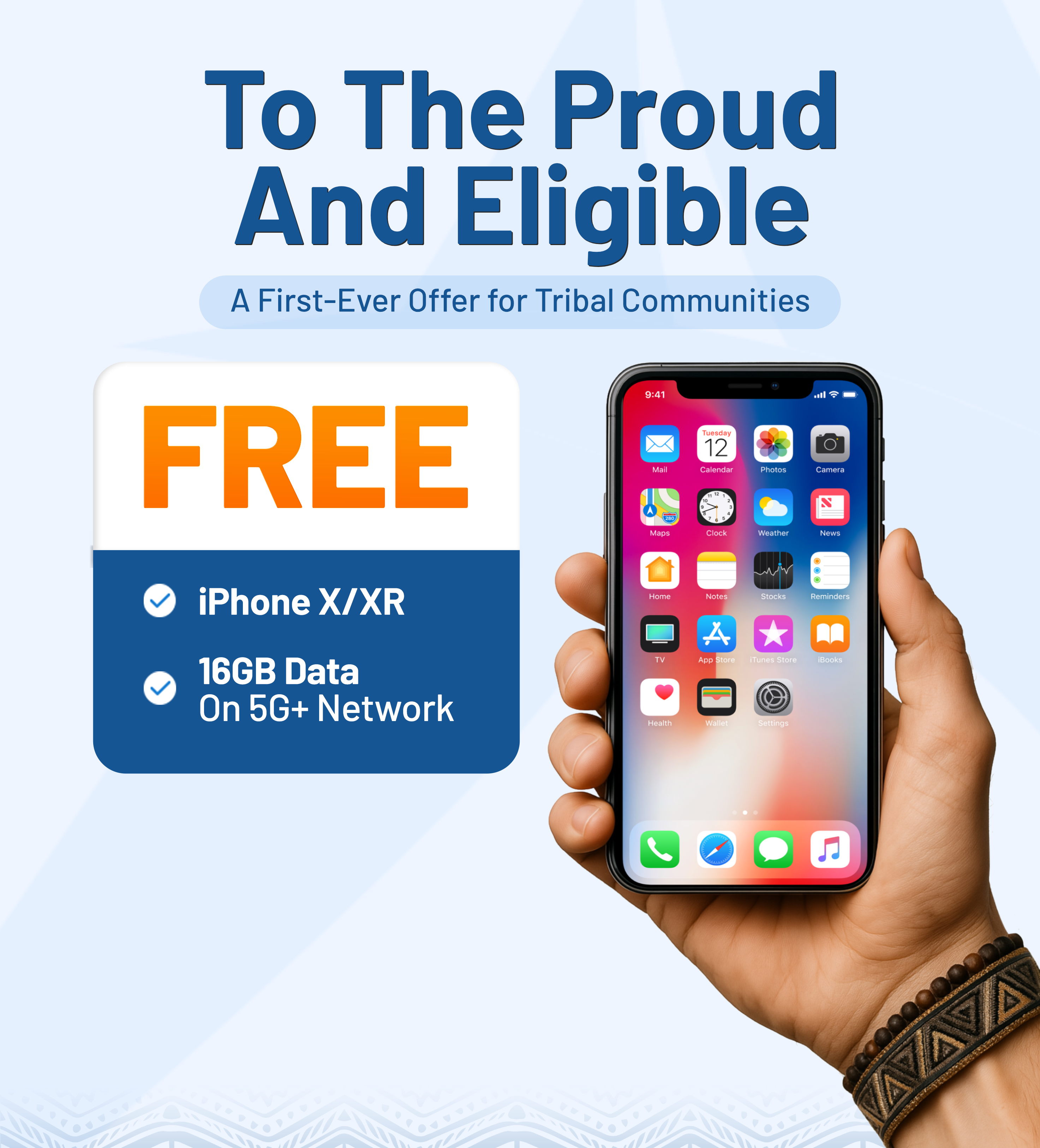
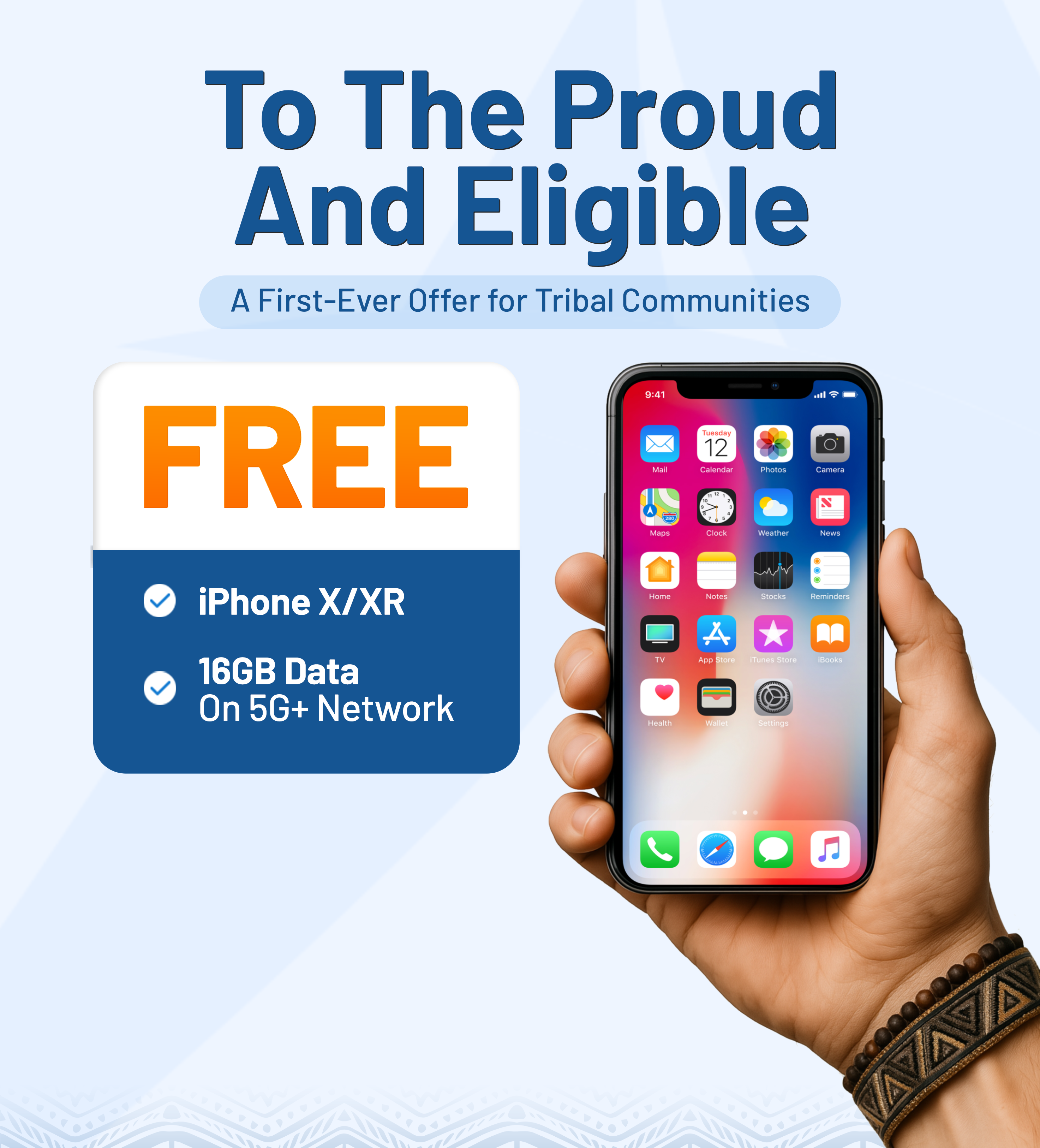
AirTalk Wireless offers various iPhone models depending on eligibility and availability. Checking available devices regularly can help users find affordable upgrade options.
The application process generally includes:
- Checking eligibility through income or qualifying programs
- Entering a ZIP code to confirm availability
- Selecting a compatible device if offered
- Uploading verification documents
- Completing the online application
- Activating service after approval
Best Balance of Performance and Support
For users wanting a stronger mix of performance, camera quality, battery life, and long-term compatibility, the iPhone 13 lineup remains one of the best overall choices.
This generation handles eSIM smoothly while still supporting physical SIM flexibility in many regions.
It also represents one of the most balanced answers for users comparing which iPhones support eSIM while avoiding the higher cost of the newest models.
Compatible AirTalk device availability may vary, but newer eSIM-ready iPhones often appear during promotions or upgrade offers.
Best for Future-Proof Use
Users planning to keep a device for many years may prefer newer models such as:
- iPhone 14
- iPhone 15
- iPhone 16
These devices were designed with stronger eSIM integration and long-term software support in mind.
Because Apple continues expanding eSIM-first hardware design, these models are likely to remain among the strongest long-term options for users prioritizing digital SIM flexibility.
For users switching fully to eSIM service, pairing a compatible iPhone with a supported provider can make activation and future transfers much easier.

Note: AirTalk Wireless operates under the federal Lifeline Program as an Eligible Telecommunications Carrier (ETC). Eligibility varies by state and program. Offers depend on availability and qualifications. Service is non-transferable and limited to one service per household.
4. FAQs
Do all iPhones support eSIM worldwide?
No. eSIM availability can vary depending on the model, country, and carrier restrictions.
Can I use two eSIMs on one iPhone?
Many newer iPhones support multiple stored eSIM profiles, and some models allow two active eSIM lines simultaneously.
Do I need to remove my physical SIM to use eSIM?
Not always. Many iPhones support both physical SIM and eSIM together through dual SIM functionality.
Is eSIM better than a physical SIM on iPhone?
eSIM offers advantages such as easier activation, faster carrier switching, and fewer physical components, though some users still prefer physical SIM flexibility for travel or device swapping.
5. Final Thoughts
Understanding which iPhones support eSIM is becoming increasingly important as Apple continues moving toward digital-first cellular activation.
From the iPhone XS generation to the newest iPhone models, eSIM support has expanded significantly across Apple’s lineup.
Checking settings, model numbers, and carrier compatibility can quickly confirm whether your current device supports eSIM or whether an upgrade may offer a smoother experience.
As more carriers adopt digital activation, knowing which iPhones support eSIM can make future phone upgrades, transfers, and mobile setup far easier.
- Share This:
-
-
-
-
-
-
-
-
New on AirTalk Wireless


