

Is iPhone 14 eSIM Only? The SIM Difference Most Buyers Miss
- Share This:
-


-

-

-

-

-

-

-


If you are asking, “Is iPhone 14 eSIM only?”, the answer depends on where your device was purchased. Apple introduced different SIM configurations across regions, which can affect how you activate your phone or choose a carrier plan.
In this guide, you’ll learn how iPhone 14 SIM support works, how to set up eSIM, common activation issues, and how eligible users can use an iPhone 14 with AirTalk Wireless Lifeline service.
1. Is iPhone 14 eSIM Only?
Yes, but only for U.S. models.
The iPhone 14 SIM setup depends on where the device was originally sold. If you buy an iPhone 14 in the United States, it is eSIM-only, which means there is no physical SIM tray.
You need to activate mobile service through an eSIM instead of inserting a nano-SIM card. Apple confirms that iPhone 14 models sold in the U.S. use eSIM and do not support a physical SIM card.
For international models, the setup is different. Many iPhone 14 versions sold outside the U.S. still support dual SIM with one nano-SIM and one eSIM, so users can keep a physical SIM card while also adding an eSIM plan.
Apple’s technical specifications for non-U.S. models list dual SIM support with nano-SIM and eSIM, plus dual eSIM support.

This rule applies across the full iPhone 14 lineup, including iPhone 14, iPhone 14 Plus, iPhone 14 Pro, and iPhone 14 Pro Max. In simple terms, U.S. models are eSIM-only, while many international models support both nano-SIM and eSIM.
If you are wondering, “How many eSIMs can iPhone 14 have?”, the device can store multiple eSIM profiles, but you can only use up to two active eSIMs at the same time.
This is helpful if you want to separate personal and work numbers, switch between carriers, or use a travel plan without removing your main line. Apple also notes that iPhone 13 models and later support Dual eSIM, which includes the iPhone 14 series.
2. Why Apple Made iPhone 14 eSIM Only in the U.S.
Many users asking is iPhone 14 eSIM only are surprised to learn that Apple completely removed the physical SIM tray from all U.S. iPhone 14 models. The company made this change to push faster digital activation and reduce reliance on physical SIM cards.
Faster Carrier Activation
With eSIM, users can activate a carrier plan digitally within minutes without inserting a SIM card or visiting a carrier store. This makes it easier to switch carriers, add another phone number, or transfer service to a new iPhone.
Better Security
Apple also considers eSIM more secure because there is no removable SIM card inside the device. If the iPhone is lost or stolen, it becomes harder for someone to remove the phone line quickly.
More Internal Space
Removing the SIM tray also frees up extra space inside the iPhone for components like batteries, cameras, 5G hardware, and thermal systems.
Strong eSIM Support in the U.S.
Apple introduced the eSIM-only setup in the U.S. because major carriers like Verizon, T-Mobile, and AT&T already supported eSIM activation before the iPhone 14 launched.
International Models Still Support Physical SIM
Even though the answer to “Is iPhone 14 eSIM only?” is yes for U.S. models, many international versions still support both nano-SIM and eSIM because physical SIM cards are still widely used in some countries.
3. How to Set Up eSIM on iPhone 14 (Step-by-Step)
For users still wondering whether the iPhone 14 uses eSIM only, the setup process is actually much simpler than many people expect. Since U.S. iPhone 14 models no longer include a physical SIM tray, all carrier activation happens digitally through eSIM.
Before starting the setup process, make sure:
- Your iPhone 14 is connected to Wi-Fi
- Your carrier supports eSIM activation
- Your iPhone is unlocked if you want to switch carriers
- Your device is updated to the latest iOS version
The iPhone 14 can also store multiple eSIM profiles, making it easier to switch between carriers or add travel plans without changing a physical SIM card.
Option 1: Scan a QR Code
Many carriers activate eSIM through a QR code, which is one of the fastest ways to set up service on an iPhone 14.
Here’s how to do it:
- Open Settings
- Tap Cellular or Mobile Data
- Select Add eSIM
- Tap Use QR Code
- Scan the QR code provided by your carrier
- Follow the on-screen instructions to complete activation
Once the setup is finished, your carrier line should appear in the Cellular settings section.
Option 2: Use Carrier App
Some carriers allow direct eSIM activation through their official mobile app instead of using a QR code.
To activate eSIM through a carrier app:
- Download the carrier app from the App Store
- Sign in to your account
- Find the eSIM activation or transfer option
- Follow the instructions inside the app
- Restart your iPhone if requested
This method is often easier because the carrier automatically connects your account details to the activation process.
Option 3: Transfer from Old iPhone
If your previous iPhone already uses eSIM, Apple allows you to transfer the line directly to your iPhone 14 without contacting the carrier again.
To transfer eSIM from another iPhone:
- Place both iPhones close together
- Turn on Bluetooth on both devices
- Open Settings on your iPhone 14
- Tap Cellular or Mobile Data
- Select Add eSIM
- Choose Transfer From Nearby iPhone
- Confirm the transfer on both devices
After the transfer finishes, the old iPhone line is usually deactivated automatically and your iPhone 14 becomes the active device.
4. Common eSIM Issues on iPhone 14 and Quick Fixes
Many users who first realize the answer to “Is iPhone 14 eSIM only?” is yes for U.S. models usually run into setup or activation problems during the switch from a physical SIM card. In most cases, these issues are related to carrier settings, activation delays, or network compatibility rather than the iPhone itself.
eSIM Activation Not Working
One common issue is the eSIM failing to activate after scanning a QR code or completing setup through a carrier app.
This can happen if:
- The QR code has expired
- The carrier has not finished activating the line
- The iPhone is not connected to Wi-Fi
- The device is carrier locked
To fix it:
- Restart your iPhone
- Connect to a stable Wi-Fi network
- Remove the failed eSIM profile and try again
- Request a new QR code from the carrier
- Check whether the iPhone is unlocked in Settings > General > About
“No SIM” or “No Service” Error
Even though the iPhone 14 is eSIM only in the U.S., some users still see “No SIM” or “No Service” after activation.
This issue is usually caused by:
- Carrier activation delays
- Outdated carrier settings
- Temporary network connection problems
Quick fixes include:
- Turn Airplane Mode on and off
- Restart the iPhone
- Install carrier updates in Settings > General > About
- Reset network settings if needed
You can reset network settings by going to:
Settings -> General -> Transfer or Reset iPhone -> Reset -> Reset Network Settings
Cannot Add eSIM on iPhone 14
Some users cannot find the “Add eSIM” option or receive an error during activation.
This may happen because:
- The carrier does not support eSIM
- The current plan is not compatible with eSIM
- The iPhone is locked to another network
- The device software is outdated
If you are still confused about whether the iPhone 14 is eSIM only, checking your carrier compatibility is one of the most important steps before activation.
eSIM Transfer from Old iPhone Fails
Transferring eSIM from another iPhone may sometimes stop midway or fail completely.
This usually happens when:
- Bluetooth is turned off
- The iPhones are too far apart
- One device needs an iOS update
- The carrier requires manual approval
To fix the problem:
- Update both iPhones to the latest iOS version
- Keep both devices close together
- Turn on Bluetooth and Wi-Fi
- Retry the transfer process
- Contact the carrier if the transfer still fails
Mobile Data Not Working After Activation
In some cases, the eSIM activates successfully, but mobile data does not work afterward.
This can happen if the wrong line is selected for cellular data.
To fix it:
- Open Settings
- Tap Cellular or Mobile Data
- Select the active eSIM line
- Turn on the line if disabled
- Choose the correct line under Cellular Data
You may also need to enable data roaming if you are using a travel eSIM outside your home country.
Carrier Does Not Support eSIM
Not every carrier fully supports eSIM activation on iPhone 14, especially smaller prepaid providers or regional networks.
Before switching to eSIM, always confirm:
- Your carrier supports iPhone eSIM
- Your plan allows eSIM activation
- Your iPhone 14 is unlocked
- Your region supports digital activation
This is especially important for users buying a SIM-free iPhone 14 or switching from a physical SIM card for the first time.
>>> Read more: Free eSIM: What “Free” Means and How to Get One Legitimately
5. Get a Free iPhone with Free eSIM Service Through AirTalk Wireless
After learning the answer to “Is iPhone 14 eSIM only?” many users start looking for carriers or providers that support eSIM activation without expensive monthly phone bills. For eligible households, Lifeline providers may help reduce those costs by offering free monthly wireless service and smartphone options through approved programs.
AirTalk Wireless is one of the providers participating in the Lifeline program. Eligible users may qualify for free monthly talk, text, and data, along with access to smartphone offers depending on current promotions, stock availability, and location.
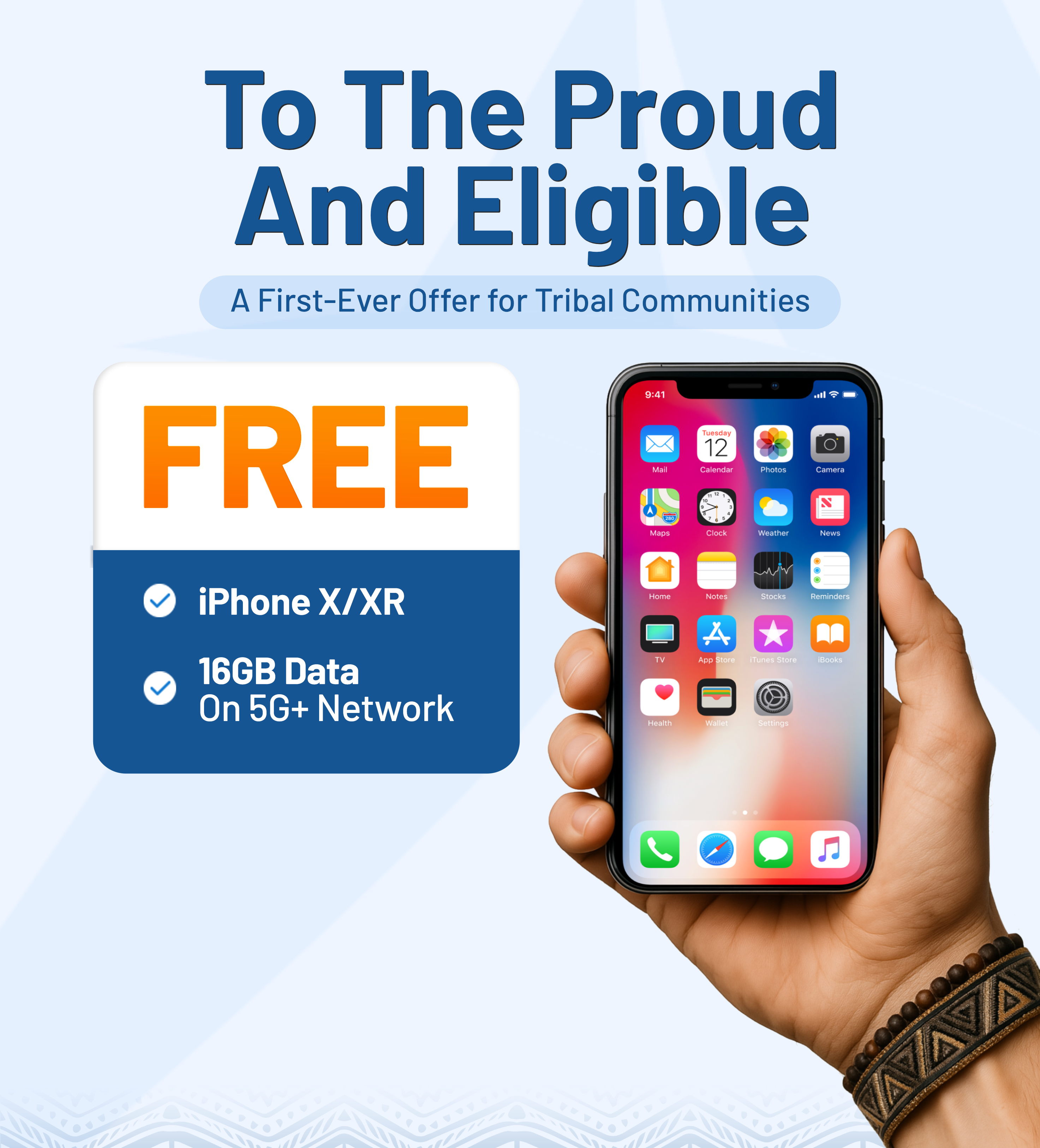
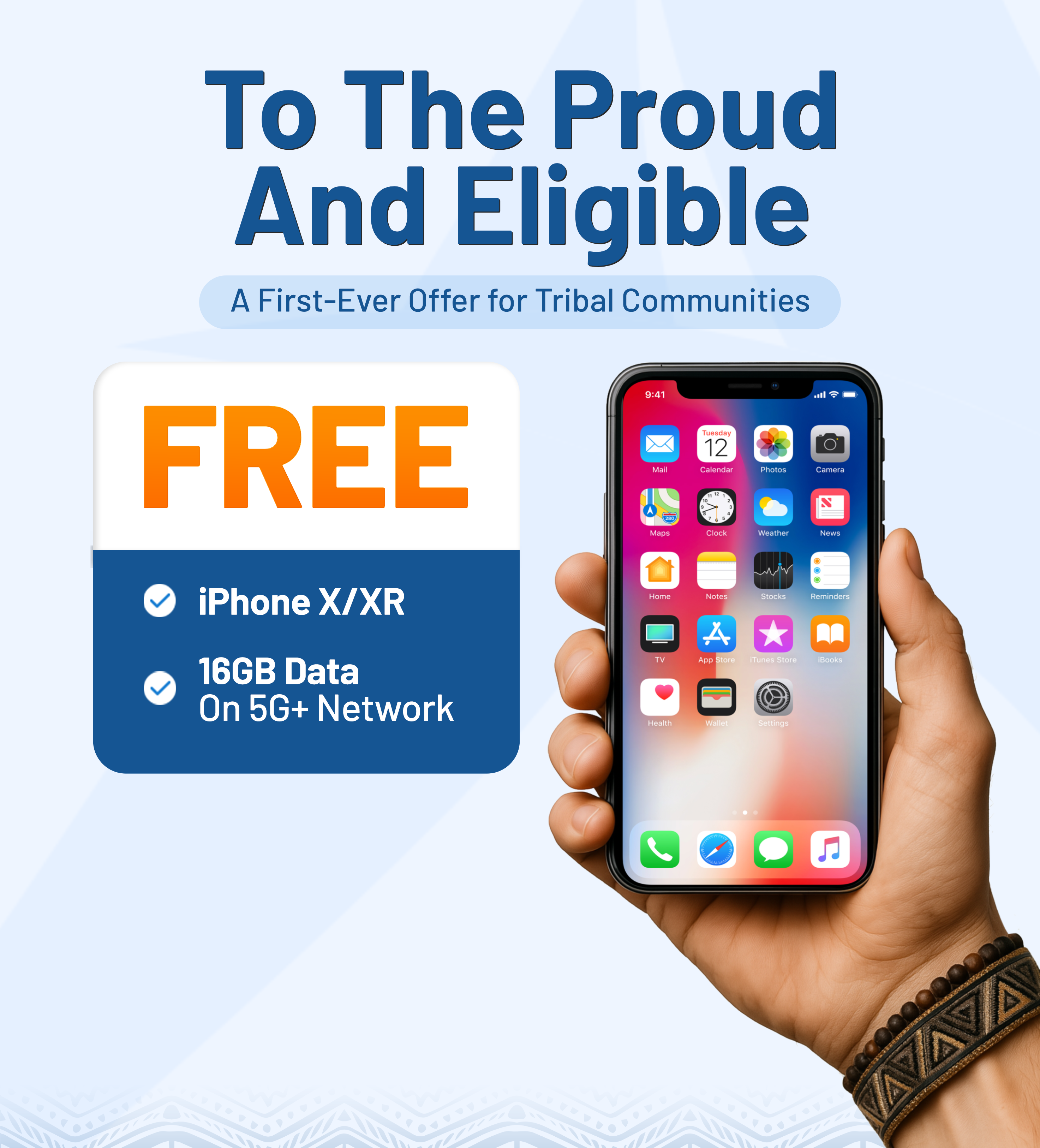
AirTalk Wireless sometimes includes Apple devices in its available phone lineup, including newer models like the iPhone 14. Depending on current promotions and eligibility, users may find:
- Free iPhone offers
- Heavily discounted iPhone 14 pricing
- Upgrade deals for premium smartphones
- Other Apple and Samsung device options
Because device inventory changes regularly, an iPhone 14 may not always be available completely free in every state. Some users may instead qualify for discounted upgrade pricing.
This is also one reason many people search for terms like “iPhone 14 SIM free”, especially when looking for unlocked devices that support eSIM activation.
Eligible users who qualify through Lifeline may receive: free monthly talk, text and data.
Qualification is typically based on household income or participation in approved assistance programs such as:
- Medicaid
- SNAP
- SSI
- FPHA
- Veterans Pension programs
- Tribal assistance programs
The application typically follows these steps:
- Visit the AirTalk Wireless website and start the application.
- Enter your ZIP code, hit “Apply now,” and select a suitable Lifeline plan.
- Choose a smartphone or other eligible device based on availability.
- Confirm eligibility through household income or participation in qualifying assistance programs such as Medicaid.
- Upload valid proof of eligibility if required.
- Submit the application and wait for approval confirmation.

Users who already own an unlocked iPhone 14 may also be able to use AirTalk Wireless through a BYOD option in supported areas. This allows eligible users to activate free monthly Lifeline service through eSIM while keeping their current device.
This option may work well for users who:
- Already own an iPhone 14
- Prefer eSIM activation instead of a physical SIM
- Want to keep their current phone
- Need free monthly service through Lifeline
Before applying, users should confirm that their iPhone 14 is unlocked and compatible with AirTalk Wireless network requirements.
IMPORTANT: The government does not subsidize devices. Lifeline programs cover basic service costs only. Free or discounted devices, upgrade plans, or top-ups are exclusive benefits provided by AirTalk Wireless as part of our promotional offers. Terms and conditions apply. Limited-time promotion—offers vary by state, stock availability, and eligibility.
Final Words
So, is iPhone 14 eSIM only? In the U.S., yes, but in many other countries, the device still supports both eSIM and a physical nano-SIM.
Understanding this difference can help you avoid activation issues and choose the right carrier plan. Whether you’re switching networks or setting up a new line, knowing how your iPhone 14 handles SIM cards makes the process much smoother.
- Share This:
-
-
-
-
-
-
-
-
New on AirTalk Wireless


