

Best Phone Plans for Seniors: Affordable Options for Every Budget
- Share This:
-


-

-

-

-

-

-

-


Staying connected is more important than ever for older adults. Whether it’s keeping in touch with family, managing healthcare appointments, or accessing emergency assistance, a reliable phone plan can make everyday life easier.
However, not all phone plans are designed with seniors in mind. Some include features that many older adults don’t need, while others come with monthly costs that may strain a fixed retirement income.
This guide explores the best phone plans for seniors, explains what features matter most, and highlights free or low-cost options that may be available through government-supported programs.
1. What Makes a Phone Plan Good for Seniors?
The best phone plans for seniors are not necessarily the most expensive plans or those with unlimited premium features.
Instead, many older adults benefit from plans that prioritize:
- Affordable monthly costs
- Reliable nationwide coverage
- Simple billing
- Easy-to-use devices
- Customer support
- Sufficient talk, text, and data allowances
- Emergency communication access
For some seniors, a basic phone plan is enough for calls and texts. Others may need data for video calls, telehealth appointments, navigation, and healthcare apps.
As a result, the best mobile phone plans for seniors often vary based on lifestyle, technology needs, and budget.

2. Best Phone Plans for Seniors in 2026
Several categories of senior-friendly phone plans are available today.
These include:
- Traditional carrier senior plans
- Prepaid phone plans
- Discount mobile plans
- Government-supported phone plans
While major carriers offer senior discounts in some regions, many low-income seniors find that government-supported programs provide the greatest overall value. For eligible individuals, government-supported Lifeline providers often represent some of the best phone plans for seniors because they significantly reduce or eliminate monthly service costs.
The federal Lifeline program helps qualifying households access affordable phone service.
Depending on eligibility and provider availability, benefits may include:
- Free monthly talk
- Free text messaging
- Free data
- Reduced monthly phone expenses
- Access to smartphones through participating providers
Because healthcare, family communication, and emergency contact services increasingly depend on mobile connectivity, Lifeline-supported plans can provide meaningful support for seniors living on fixed incomes.
Many retirees searching for the best basic cell phone plans for seniors discover that government-supported plans offer sufficient features without the burden of another monthly bill.
>>> Read more: Average Cost of Assisted Living for a Couple: What Seniors Can Expect to Pay
3. Who Has the Best Cell Phone Plans for Seniors?
The answer depends on what matters most to the individual.
Large national carriers may appeal to seniors who prioritize premium network features and extensive retail support.
However, for seniors focused on affordability, government-supported providers often rank among the strongest options available.
When evaluating who has the best cell phone plans for seniors, consider factors such as:
- Monthly cost
- Coverage in your area
- Data allowances
- Device options
- Eligibility requirements
- Customer support
A plan that works well for an active traveler may not be the best choice for someone primarily using a phone at home.
For budget-conscious households, the best cell phone plans for seniors often balance affordability with reliable service rather than focusing on premium features.
AirTalk Wireless exemplifies this approach as the company offers free or low-cost service through the Lifeline program with nationwide coverage and multiple device options for eligible seniors.
Note: AirTalk Wireless operates under the federal Lifeline Program as an Eligible Telecommunications Carrier (ETC). Eligibility varies by state and program. Offers depend on availability and qualifications. Service is non-transferable and limited to one service per household.
4. Can Seniors Qualify for Free or Discounted Phone Service?
Many seniors qualify for assistance programs without realizing it.
The federal Lifeline program was created to help eligible consumers maintain access to communication services.
Lifeline Program Eligibility
Eligibility is generally based on either income or participation in qualifying assistance programs.
Programs that may qualify an applicant include:
- Medicaid
- Supplemental Security Income (SSI)
- Supplemental Nutrition Assistance Program (SNAP)
- Veterans Pension and Survivors Benefit
- Certain Tribal assistance programs
Income-based qualification may also be available for households that meet federal income guidelines.
Because many retirees receive assistance through Medicaid or SSI, Lifeline eligibility is often more common than people expect.
Benefits Available Through Participating Providers
Participating Lifeline providers may offer:
- Free monthly service
- Talk and text allowances
- Mobile data
- Smartphone options
- Nationwide coverage depending on network availability
Benefits vary by provider, state, and eligibility status.
For many households, these services effectively transform what would otherwise be a recurring monthly expense into a free or substantially discounted benefit.
The application process usually includes these steps:
- Check if you qualify through program participation (SNAP, Medicaid, SSI, etc.) or income-based criteria (at or below 135% of Federal Poverty Guidelines).
- Collect proof of eligibility (benefit letter, award notice, or ID) and proof of address (utility bill or lease).
- Apply online or in person with a participating provider.
- Select from available data plans and smartphones (iPhone, Samsung Galaxy, etc.) based on your location.
- Upload or provide your documents.
- Wait for approval and the package will be shipped to your address.
>>> Read more: Can You Cancel Health Insurance at Any Time?
5. Why Many Seniors Choose AirTalk Wireless?
When considering who has the best cell phone plans for seniors, many eligible older adults look beyond traditional carrier pricing and explore Lifeline-supported providers.
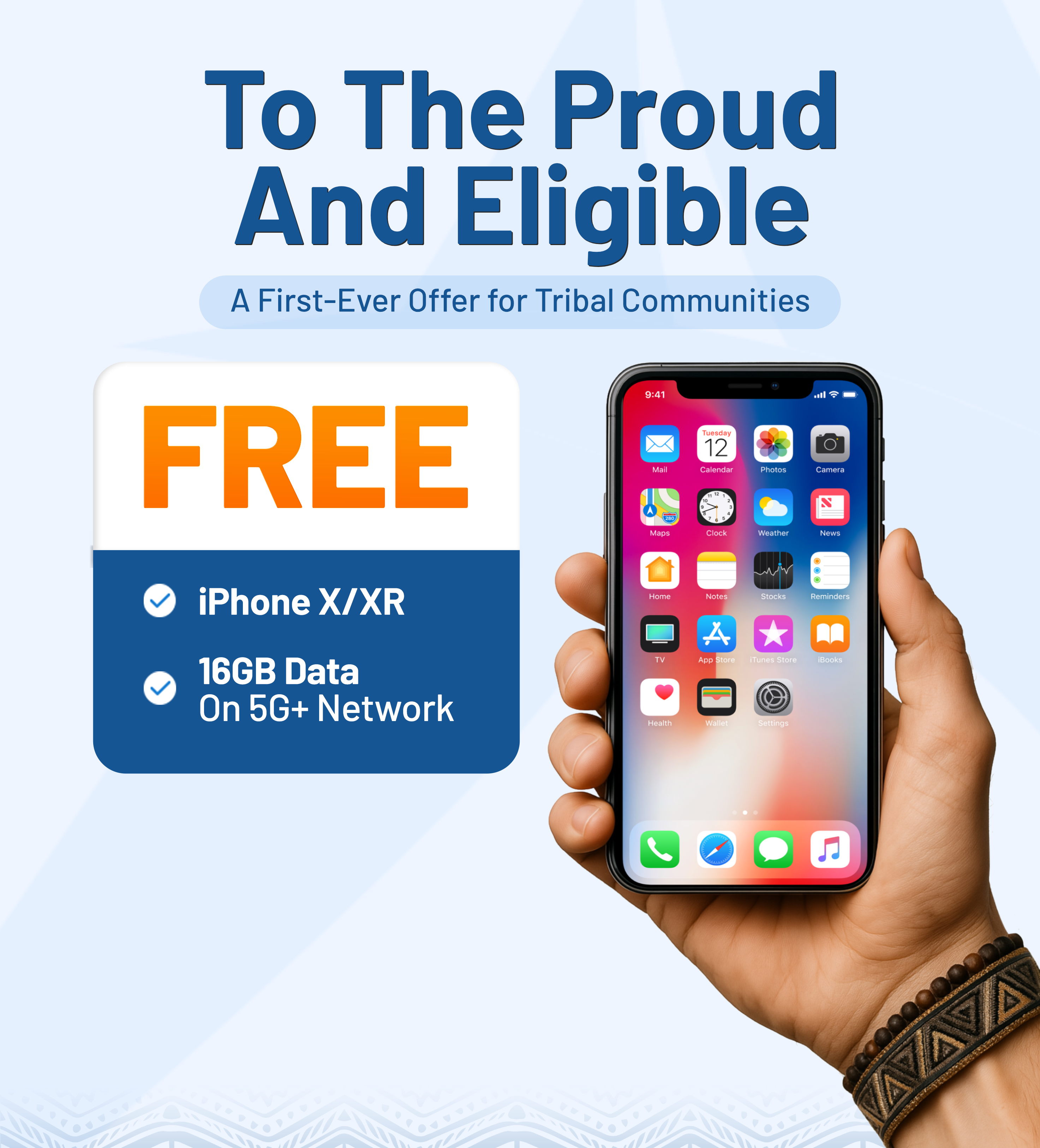
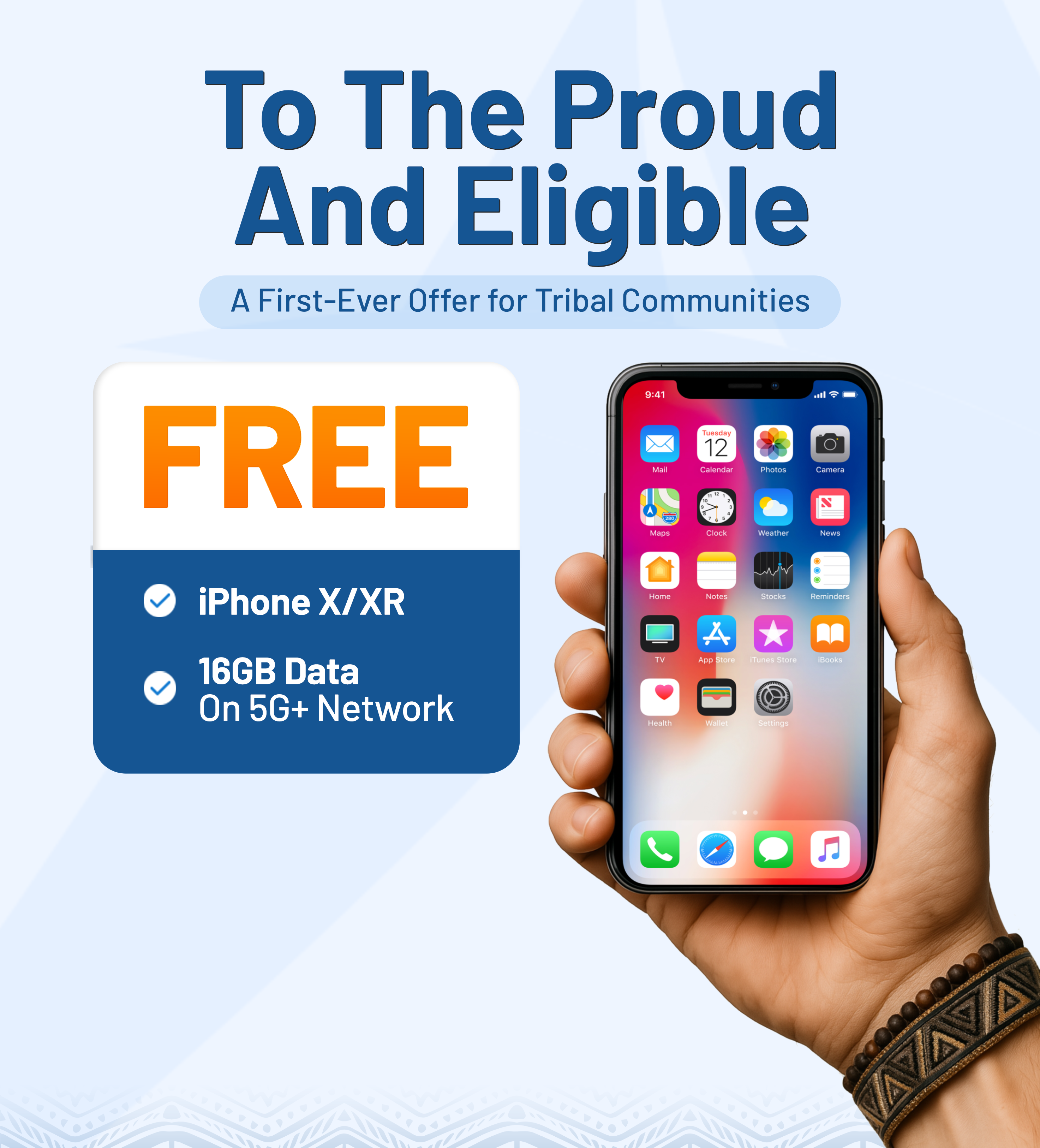
AirTalk Wireless participates in the federal Lifeline program and offers eligible customers free monthly talk, text, and data.
Qualified applicants may also receive a smartphone based on eligibility requirements and device availability.
Several factors contribute to AirTalk’s popularity among seniors:
- No monthly phone bill for eligible participants
- Access to smartphones that support modern communication needs
- Free to unlimited monthly data* (up to 16GB if paired with a device, or up to 25GB for only data)
- Nationwide connectivity
- Online application process
- Compatibility with healthcare communication and telehealth services
For seniors living on Social Security, SSI, Medicaid benefits, or other limited income sources, reducing communication costs can help free up funds for housing, food, healthcare, and daily living expenses.
*Offers may vary by state and are subject to future updates.

6. How to Choose the Right Senior Phone Plan?
The best plan depends on individual circumstances. Before selecting a plan, consider:
Monthly Budget
Determine how much you can comfortably spend each month.
For eligible seniors, free Lifeline-supported plans may provide substantial savings. In fact, seniors can save up to $9.25 monthly on their bills, or up to $34.25 on qualifying Tribal lands. When paired with a free phone or tablet, your total savings increase significantly.
Coverage Quality
A low-cost plan has limited value if service is unreliable in your area. Check network coverage before enrolling.
Phone Usage
Consider whether you primarily use:
- Voice calls
- Text messaging
- Video calling
- Internet browsing
- Healthcare applications
Usage patterns help determine how much data is needed.
Device Preferences
Some seniors prefer smartphones with larger screens, while others prefer simpler devices.
Matching the device to the user’s comfort level is just as important as choosing the service plan.
Taking these factors into account can help identify the best mobile phone plans for seniors based on real-world needs rather than marketing claims.
Final Thoughts
The most ideal phone plans for seniors should combine affordability, reliability, and ease of use. While traditional carrier plans remain popular, many older adults find that government-supported programs offer the greatest value, especially for those living on fixed incomes.
For eligible individuals, Lifeline-supported providers may deliver free monthly service while helping seniors stay connected with family, healthcare providers, and emergency resources.
Whether you’re comparing the phone plans for the elderly, evaluating the best basic cell phone plans for seniors, or researching who has the best cell phone plans for seniors, focusing on your actual communication needs can help you find the right solution without overspending.
- Share This:
-
-
-
-
-
-
-
-
New on AirTalk Wireless


