

How Much Is a Phone Bill Per Month for One Person? Best Ways to Reduce Your Monthly Bill
- Share This:
-


-

-

-

-

-

-

-


Mobile phones have become an essential part of daily life, but monthly service costs can vary widely depending on the type of plan you choose.
Some people spend less than $20 per month on basic service, while others pay well over $100 monthly for premium plans with unlimited data and device financing. Understanding what drives these differences can help consumers make smarter decisions about their wireless expenses.
If you’re trying to determine how much is a phone bill per month for one person, the answer depends on factors such as data usage, carrier choice, device payments, and eligibility for discount programs.
1. How Much Is a Phone Bill Per Month for One Person?
The average monthly phone bill varies significantly based on the type of service plan.
Below are common pricing ranges for individual phone plans in 2026.
| Plan Type | Typical Monthly Cost |
| Basic prepaid plan | $15–$30 |
| Limited-data prepaid plan | $20–$40 |
| Unlimited prepaid plan | $30–$60 |
| Traditional carrier plan | $50–$90 |
| Premium unlimited plan | $70–$120+ |
| Government-supported Lifeline plan | $0–$10 |
For consumers evaluating how much is a phone bill per month for one person, prepaid plans are often among the most affordable paid options.
Basic prepaid plans typically provide:
- Unlimited talk and text
- Limited data allowances
- No contracts
- Lower monthly costs
Traditional carrier plans generally cost more because they may include premium network access, additional features, and financing options for new devices.
Meanwhile, eligible consumers may qualify for free or low-cost service through government-supported programs such as Lifeline.
As a result, a phone bill for one person per month can be from essentially free to cost more than $100 depending on the plan selected.

>>> Read more: Best Phone Plans for Seniors: Affordable Options for Every Budget
2. What Determines the Cost of a Phone Bill?
Several factors influence monthly wireless expenses.
Data Usage
Data consumption is often one of the biggest pricing factors.
Consumers who primarily use phone calls, text messaging, or Wi-fi connections typically require less expensive plans.
Heavy streaming, gaming, and video usage generally increase monthly costs.
Carrier Type
Major national carriers usually charge more than prepaid and alternative providers.
While larger carriers may offer additional perks, many consumers find that lower-cost alternatives provide sufficient service for everyday needs.
Device Payments
A new smartphone financed through a carrier can significantly increase monthly bills.
In many cases, device payments add $20 to $50 or more per month on top of service charges.
Additional Features
Extra services can increase overall costs. These services may include:
- International calling
- Mobile hotspot data
- Device protection plans
- Premium streaming subscriptions
These add-ons often explain why two people using similar phones may have very different monthly bills.
Taxes and Fees
Government taxes, regulatory fees, and carrier surcharges may also affect the final amount paid each month.
When researching “how much is a phone bill per month for one person”, it’s important to compare total monthly costs rather than advertised base rates alone.
3. How to Lower Your Monthly Phone Bill?
Many consumers can reduce phone expenses without sacrificing service quality.
Choose the Right Amount of Data
One of the simplest ways to save money is selecting a plan that matches actual usage.
Paying for unlimited data may not make sense if most internet use occurs on home Wi-Fi networks. Reviewing monthly usage patterns can reveal opportunities to switch to a lower-cost plan.
Consider Prepaid Plans
Prepaid plans frequently cost less than traditional postpaid service.
Many prepaid carriers offer:
- No contracts
- Predictable monthly billing
- Competitive coverage
- Lower prices
For budget-conscious consumers, prepaid service can significantly reduce costs.
Bring Your Own Device
Purchasing a phone outright or continuing to use an existing device eliminates monthly financing charges.
Because device payments often represent a large portion of wireless expenses, bringing your own device can produce meaningful savings.
Compare Alternative Carriers
Many mobile virtual network operators (MVNOs) use the same nationwide networks as larger carriers while charging lower rates.
Comparing multiple providers may uncover better value for similar coverage.
For households evaluating how much is a phone bill for one person per month, switching carriers is often one of the fastest ways to reduce recurring expenses.
>>> Read more: Average Cost of Assisted Living for a Couple: What Seniors Can Expect to Pay
4. Can You Get Free or Low-Cost Phone Service?
In some cases, yes.
Eligible consumers may qualify for government-supported communication assistance through the federal Lifeline program.
Lifeline Program Eligibility
Lifeline eligibility may be based on income or participation in qualifying assistance programs.
Qualifying programs may include:
- Medicaid
- Supplemental Security Income (SSI)
- Supplemental Nutrition Assistance Program (SNAP)
- Veterans Pension and Survivors Benefit
- Certain Tribal assistance programs
Income-based qualification is also available for eligible households.
As of now, Lifeline has made communication services more affordable for millions of qualifying low-income consumers.

What Benefits May Be Available?
Benefits vary by provider and state, but eligible consumers may receive:
- Free monthly talk
- Unlimited texting
- Free mobile data
- Smartphone options through participating providers
- Reduced communication expenses
For qualifying households, these benefits can dramatically reduce the answer to how much is a phone bill per month for one person, sometimes lowering the cost to zero.
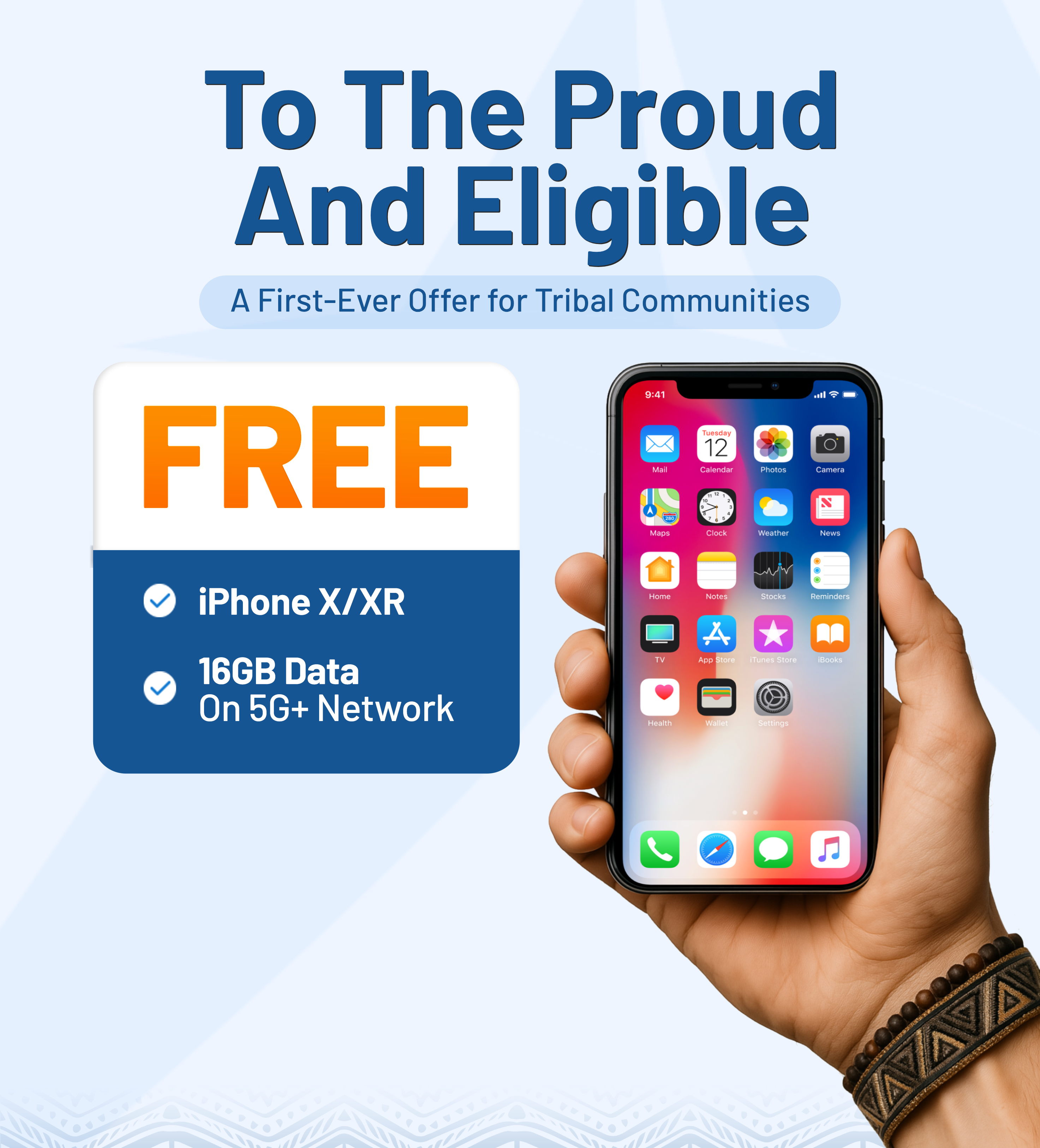
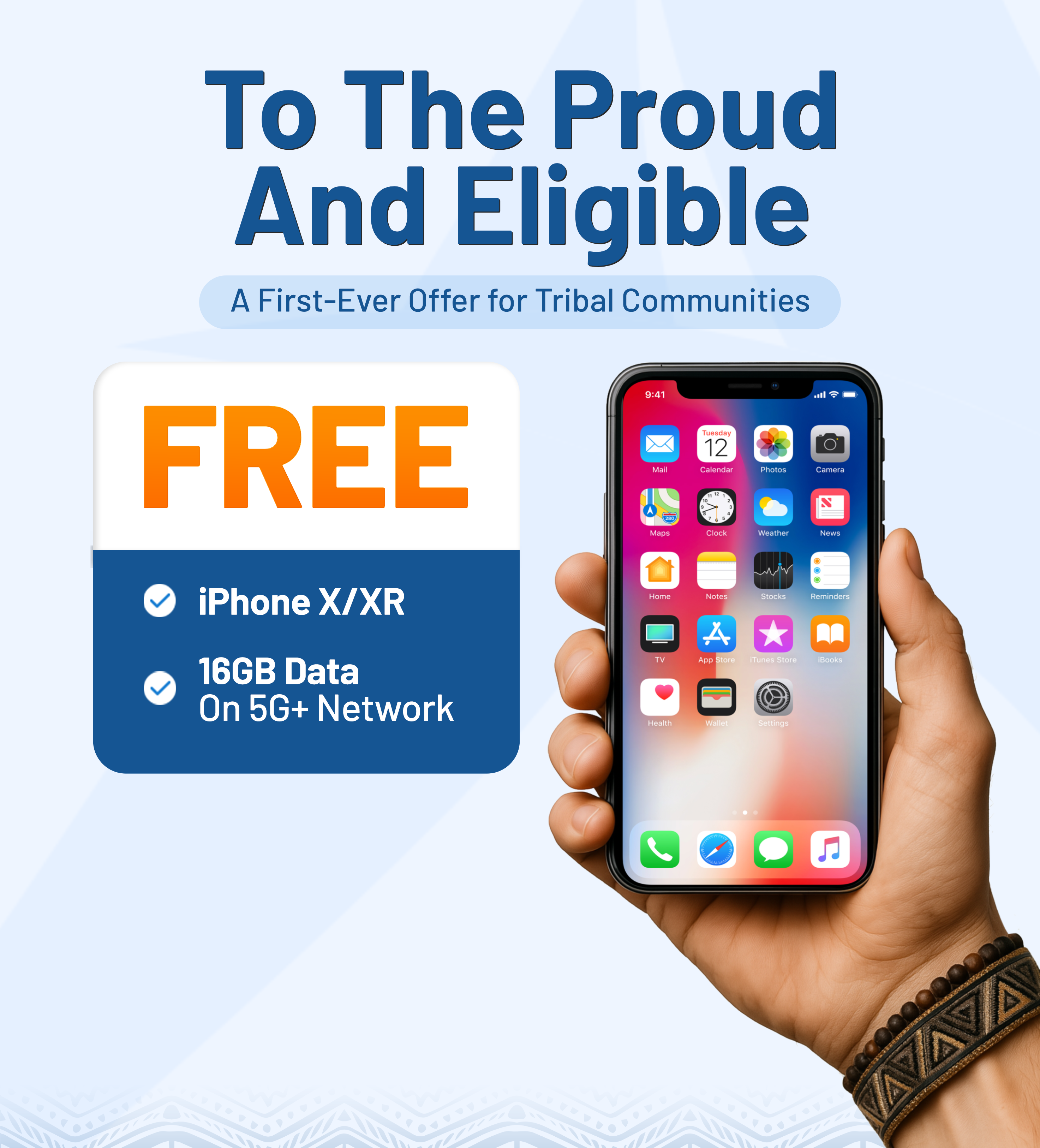
AirTalk Wireless participates in the federal Lifeline program and offers eligible customers free monthly talk, text, and data. Qualified applicants may also receive a smartphone based on eligibility requirements and device availability.
After checking their eligibility, participants can follow several steps to enroll in the program:
Step 1: Confirm Your Eligibility
Verify that you qualify through program participation (SNAP, Medicaid, SSI, Federal Public Housing Assistance, etc.) or income-based eligibility (at or below 135% of Federal Poverty Guidelines).
Step 2: Complete the Application
Visit AirTalk Wireless online or visit a participating location.
Choose from available data plans and smartphones including iPhones, Samsung Galaxy phones, and other models based on your location and inventory.
Fill out the application and upload your documentation.
Step 3: Wait for Approval
Most applications are approved within 1-3 business days. You’ll receive confirmation via email or phone.
Step 4: Activate Your Service
Once approved, activate your free service and start using unlimited talk, text, and data immediately.
Final Thoughts
The answer to how much is a phone bill per month for one person depends largely on the type of service selected. Basic prepaid plans may cost less than $30 per month, while premium unlimited plans can exceed $100 monthly. Device financing, data usage, and carrier choice all play major roles in determining the final bill.
For consumers looking to save money, comparing carriers, choosing appropriate data levels, and exploring government-supported programs can significantly reduce costs. In some cases, eligible households may even qualify for free phone service through Lifeline providers.
Understanding how much is a phone bill for one person per month can help you choose a plan that fits both your communication needs and your budget.
- Share This:
-
-
-
-
-
-
-
-
New on AirTalk Wireless


