

Housing Grants for Single Moms: Real Programs to Help You Rent or Buy a Home
- Share This:
-


-

-

-

-

-

-

-


Finding safe and affordable housing can be one of the biggest challenges for single mothers.
Rising rent, home prices, and everyday living expenses often make it difficult to keep up with monthly costs while supporting a family. For many parents, understanding what assistance is available is the first step toward achieving greater housing stability.
Housing grants for single moms are one option worth exploring, but they’re only part of the broader housing assistance system. This guide explains the programs that may help with renting or buying a home, where to find support, and what you can expect during the application process.
1. Why Housing Grants Exist for Single Mothers
Keeping up with housing costs can be especially difficult when one income has to cover rent or a mortgage, child care, groceries, transportation, and other everyday expenses. Even families with steady employment may struggle to keep housing affordable as living costs continue to rise.
This is why single mom grants for housing and other housing assistance programs are available. Their purpose is to help eligible low-income families secure stable housing and reduce the risk of housing insecurity.
Although many people use the term “housing grant,” assistance is more commonly provided through rental vouchers, subsidized housing, down payment assistance, or nonprofit homeownership programs rather than direct cash payments. Eligibility typically depends on household income, family size, and local program requirements.

2. Federal Housing Assistance for Single Moms
Many of the most widely available house grants for single moms are administered through the U.S. Department of Housing and Urban Development (HUD) or local Public Housing Agencies (PHAs). While these programs are not reserved exclusively for single mothers, eligible families with low incomes may receive significant housing assistance.
Section 8 Housing Choice Vouchers
The Housing Choice Voucher Program, commonly known as Section 8, helps eligible families rent homes in the private market. Instead of assigning a specific apartment, the program provides a voucher that can be used with participating landlords.
If approved, the local Public Housing Agency generally pays part of your monthly rent directly to the landlord, while you pay the remaining amount based on your household income.
Because demand is high, many communities have waiting lists that can remain closed or extend for months or even years. Applying as early as possible through your local PHA is recommended.
Public Housing and HUD-Backed Programs
Public housing offers affordable rental units owned and managed by local housing authorities for eligible low-income families, seniors, and individuals with disabilities. Rent is generally based on household income, making it more affordable than market-rate housing.
HUD also supports additional housing initiatives through programs such as the HOME Investment Partnerships Program, which helps states and local governments develop affordable housing, provide rental assistance, and support qualified homebuyers.
Depending on where you live, local agencies may also administer programs funded through HUD that assist with security deposits, home rehabilitation, or affordable homeownership opportunities.
3. Grants for Single Moms to Buy a House
Although many people search for grants for single moms for housing, there is rarely a federal home-buying grant created exclusively for single mothers. Instead, eligible buyers often combine federal loan programs, state or local down payment assistance, and nonprofit homeownership programs to reduce upfront costs.
Down Payment Assistance Programs
Many state Housing Finance Agencies, counties, and cities offer down payment or closing cost assistance for first-time and income-qualified homebuyers. Depending on the program, assistance may come as a grant, a forgivable loan, or a deferred-payment loan.
Requirements vary by location but often include income limits, homebuyer education courses, and occupancy rules. Your state’s housing agency or a HUD-approved housing counselor can help identify programs available in your area.
FHA Loans and Habitat for Humanity
An FHA loan can make homeownership more accessible because it generally allows lower down payments and more flexible credit requirements than many conventional mortgages.
Another option is Habitat for Humanity, which partners with eligible families to build or renovate affordable homes. Instead of providing a cash grant, Habitat combines affordable mortgage financing with volunteer participation, helping families achieve long-term homeownership through a different model.

4. Emergency and Short-Term Housing Help for Single Moms
If you’re facing an immediate housing crisis, there are resources that may provide temporary assistance while you work toward a longer-term solution.
Rental, Utility, and Deposit Assistance
Many local governments, Community Action Agencies, charities, and nonprofit organizations provide short-term help with rent, utility bills, security deposits, or emergency housing expenses. Some HUD-funded local programs may also offer temporary rental assistance or security deposit support for eligible households.
Availability varies by state and community, so contacting your local housing authority or dialing 211 can be a good place to start.
Shelters and Transitional Housing
Families experiencing homelessness or fleeing domestic violence may qualify for emergency shelters or transitional housing programs that provide temporary accommodation along with case management, employment assistance, and other supportive services.
While these programs differ from grants for single moms to buy a house, they can provide critical stability during difficult periods and help families transition toward permanent housing solutions.
5. How to Apply for Housing Grants for Single Moms Step by Step
Applying for housing assistance can take time, but preparing in advance can make the process much smoother. Because each program has its own rules and funding limits, it’s important to review the requirements carefully and submit complete, accurate information.
Checking Eligibility and Documents
Start by reviewing the eligibility requirements for each program you’re interested in. Most housing assistance programs consider factors such as household income, family size, residency, and citizenship or eligible immigration status.
You may also be asked to provide documents such as:
- Proof of income or recent pay stubs
- Tax returns
- Government-issued identification
- Social Security numbers for household members
- Lease agreement or mortgage information
- Bank statements or other financial records
Having these documents ready before you apply can help prevent delays.
Where to Submit Your Application
Where you apply depends on the type of assistance you’re seeking.
For example:
- Contact your local Public Housing Agency (PHA) for Section 8 vouchers or public housing.
- Visit your state’s Housing Finance Agency for down payment assistance programs.
- Reach out to nonprofit organizations such as Habitat for Humanity for affordable homeownership opportunities.
- Check your city or county government’s housing department for local rental assistance programs.
Many agencies now accept online applications, while others may require appointments or paper forms.
6. More Support to Stack on Top of Housing Help
Housing assistance can make a big difference, but it isn’t the only expense that affects your monthly budget. Even after receiving rental assistance or homeownership support, many single mothers still need to pay for phone service, internet access, transportation, groceries, and child care.
Looking for additional programs that reduce everyday costs can help you keep more money available for housing and other essentials.
One option to consider is the Lifeline program. Lifeline is a federal assistance program that helps eligible low-income households reduce the cost of phone service. If you already qualify for certain government assistance programs or meet the income requirements, you may also qualify for Lifeline benefits.
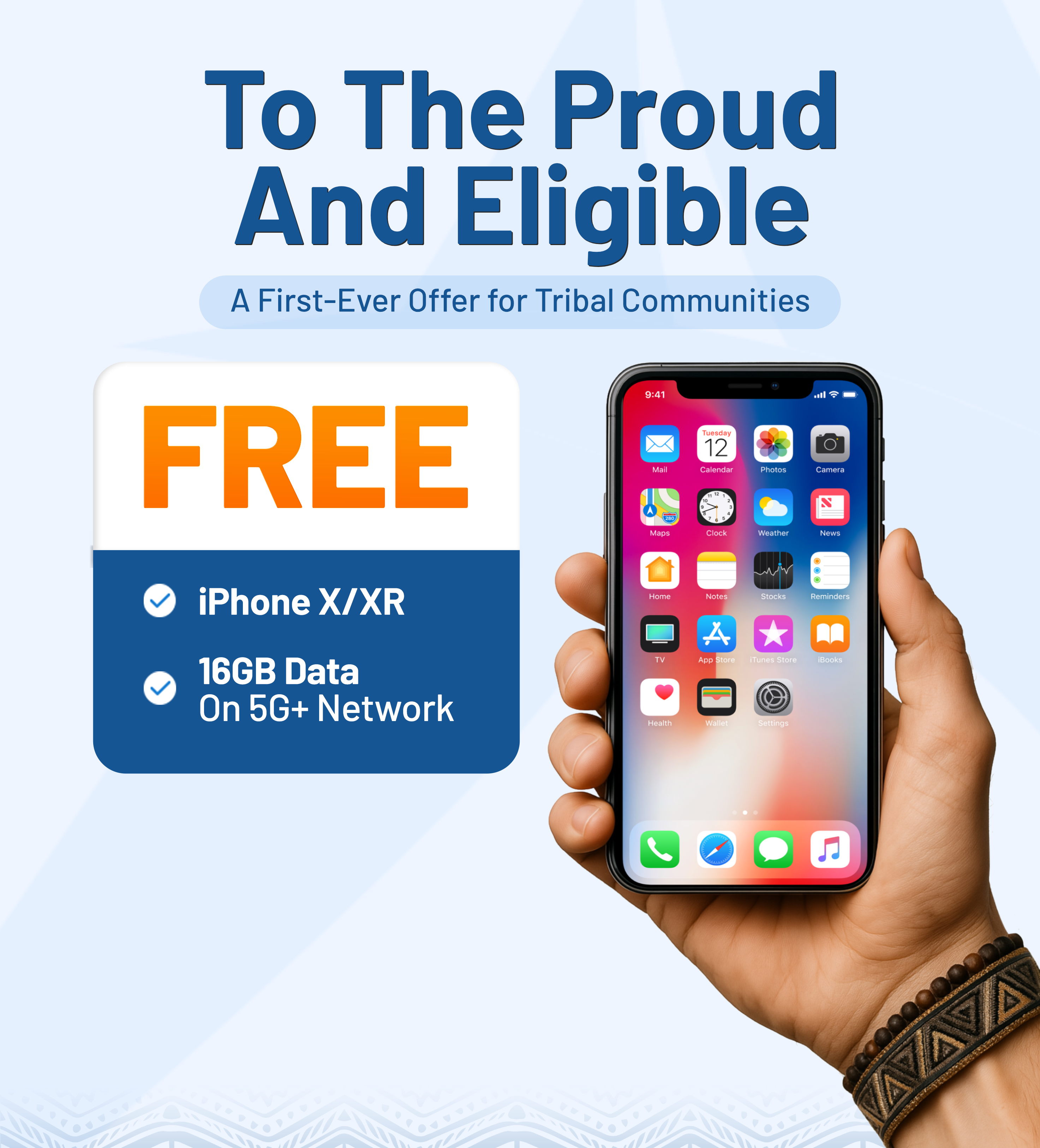
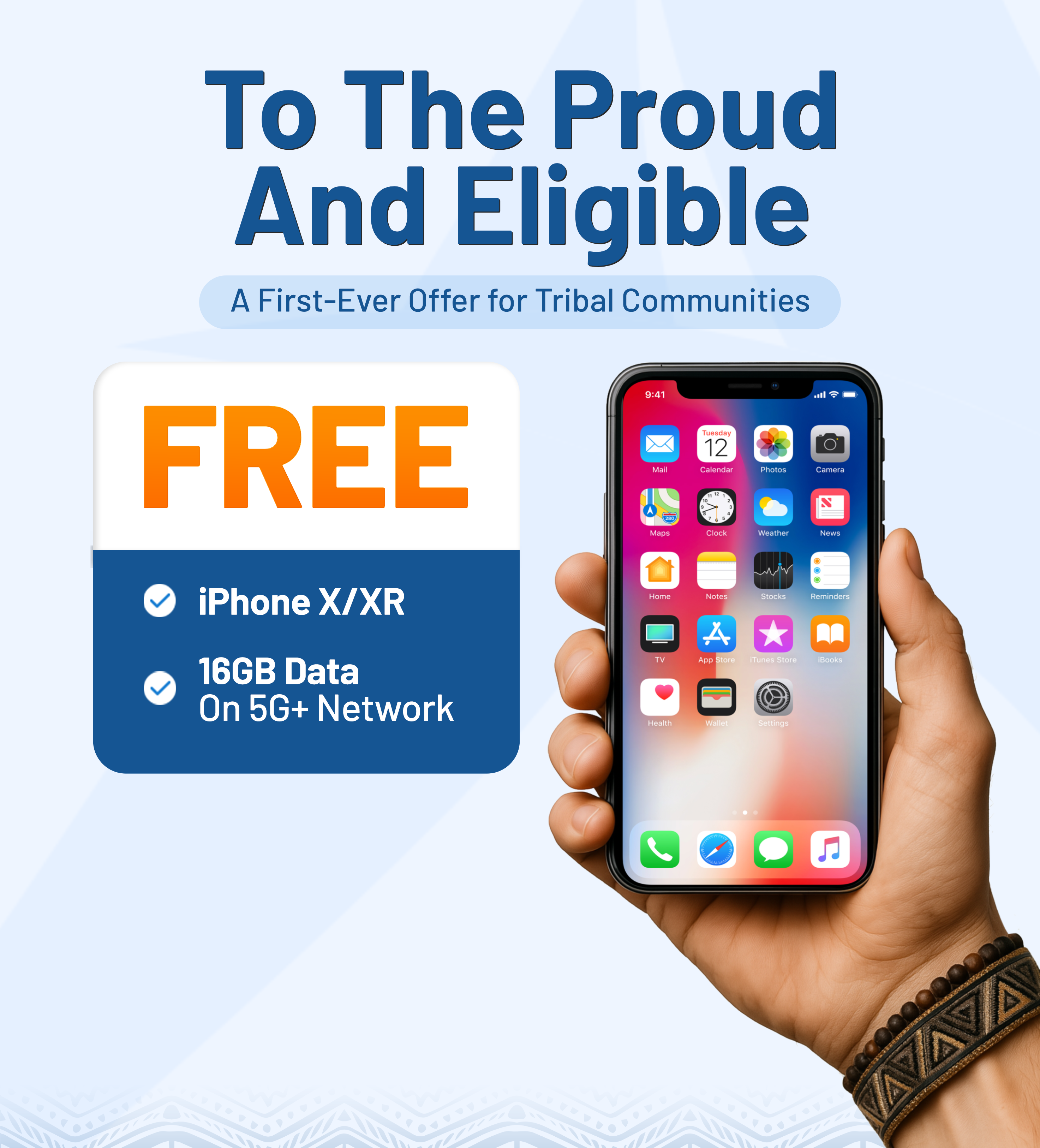
As a participating Lifeline provider, AirTalk Wireless offers eligible customers free monthly talk, text, and data plans. Depending on your state and current inventory, you may also qualify for a discounted smartphone or tablet.
Having reliable phone service can make it easier to communicate with landlords, housing agencies, employers, your child’s school, and healthcare providers without adding another monthly bill.

Getting started is simple:
- Visit the AirTalk Wireless website and start the application.
- Enter your ZIP code, select “Apply Now,” and choose the Lifeline plan that best fits your needs.
- Choose an available smartphone or tablet if you’re eligible.
- Confirm your eligibility based on your household income or participation in a qualifying government assistance program, such as Medicaid or SNAP.
- Upload proof of eligibility if additional documentation is required.
- Submit your application and wait for an approval decision.
Combining housing assistance with programs that lower other monthly expenses can help create greater financial stability for you and your family.
>>> Read more: Is the Free Government iPhone Legit? Guide and Safe Application
Note: AirTalk Wireless operates under the federal Lifeline Program as an Eligible Telecommunications Carrier (ETC). Eligibility varies by state and program. Offers depend on availability and qualifications. Service is non-transferable and limited to one service per household.
Conclusion
Housing grants for single moms can take many forms, from rental assistance and public housing to down payment assistance and nonprofit homeownership programs. While no single program fits every family’s situation, understanding the options available and applying early can improve your chances of receiving support.
Combining housing assistance with other available benefits can also help create greater financial stability for you and your family.
- Share This:
-
-
-
-
-
-
-
-
New on AirTalk Wireless


