


IHSS Program Benefits That Help You Receive Care at Home
- Share This:
-


-

-

-

-

-

-

-


Staying at home can make a meaningful difference for people who need help with daily activities. In California, the IHSS program can help pay for approved personal care and household assistance, giving eligible recipients more control over how they receive support.
1. What Is the IHSS Program?
In-Home Supportive Services (IHSS) is a California program that helps eligible older adults and people with disabilities pay for approved assistance in their homes.
Funded through Medi-Cal and public funds, the IHSS program is intended to make living at home safer when daily tasks become difficult without help.
How the IHSS Program Works in California:
- What is the IHSS program’s practical advantage? It gives recipients a say in choosing caregivers while the county decides which services are approved.
- During a home visit, a social worker evaluates daily limitations and sets authorized tasks and monthly hours. The state processes eligible provider payments, but the IHSS program does not automatically pay for every hour a relative helps.
Who Can Receive IHSS Services?
- The IHSS program in California primarily serves people aged 65 or older, people who are blind, and adults or children with qualifying disabilities. Applicants must live in California, have a Medi-Cal eligibility determination, and require assistance to remain safely at home.
- An ordinary house, apartment, or relative’s home may qualify, but a hospital or nursing facility generally does not.
- Importantly, being older or enrolled in Medi-Cal alone does not guarantee approval. Actual care needs determine whether IHSS authorizes services.

2. What Services Does the IHSS Program Cover?
The IHSS program focuses on practical assistance needed for safe daily living. Services must be individually assessed and authorized by the county.
The table below summarizes common examples, but approval depends on the recipient’s functional limitations and circumstances:
| Covered services | Generally not covered |
| Bathing, dressing, and toileting | Pet care |
| Meal preparation and grocery shopping | Gardening or home repairs |
| Housecleaning and laundry | Moving furniture |
| Authorized paramedical services | Social outings or companionship alone |
| Accompaniment to medical appointments | Paying bills |
- Personal care can include eating, grooming, and help with bowel or bladder needs.
- Domestic assistance may include cleaning spaces used by the recipient and washing necessary clothing.
- Grocery shopping and medical appointment accompaniment may also be approved when the person cannot reasonably handle those tasks independently.
The IHSS program can authorize certain paramedical tasks, such as catheter-related care, when the required medical directions and approvals are in place. Some recipients may qualify for protective supervision when a qualifying impairment creates a need for ongoing observation to prevent injury. This is not the same as ordinary babysitting or companionship.
Household chores are not automatically covered simply because they would be convenient. County decisions can vary even for people with the same diagnosis. When a task is shared with other household members, an assessor may consider which portion directly benefits the recipient.
A key distinction is that IHSS pays for approved care activities, not unrestricted help around the house. Ask the county to explain any task that is excluded or assigned fewer hours than expected.
2. Who Are Eligible for the IHSS Program in California?
The IHSS program assesses health needs, residency, and Medi-Cal eligibility separately.
Age, Disability, and Residency Requirements:
- An applicant generally must be 65 or older, blind, or disabled. Children with disabilities can also receive the IHSS program when they meet applicable rules; it is not an older-adults-only benefit. Children’s approved tasks may differ from those authorized for adults.
- The person must be a California resident and live in their own home or another eligible residence of their choosing. Someone staying in an acute hospital, licensed community care facility, or nursing home normally cannot receive IHSS services there.
- Most importantly, a county social worker must determine that specific assistance is necessary for safe living at home. A diagnosis alone does not establish how many care hours will be approved.
Medi-Cal and Financial Eligibility:
- The IHSS program in California requires a Medi-Cal eligibility determination. Financial eligibility depends on the individual’s Medi-Cal category, household circumstances, income, and sometimes countable assets.
- Important 2026 update: California reinstated asset limits for several non-MAGI Medi-Cal categories starting January 1, 2026. For affected applicants, the limit is generally $130,000 for one person, with $65,000 added for each additional household member; exclusions and special rules can apply.
- Some recipients qualify for Medi-Cal with a share of cost, meaning they may need to contribute toward qualifying medical or IHSS expenses. The county makes the final eligibility and cost determination. Having Medi-Cal coverage does not itself guarantee IHSS approval.
>>> Read more: California Dream For All Program 2026: Do You Qualify?
3. How to Apply for the IHSS Program in California
Applying for the IHSS program starts with the county where the person lives.
- Contact your county IHSS office. Locate it through the California Department of Social Services’ IHSS program page. Ask how the county accepts applications, since procedures may differ.
- Submit the application. Complete SOC 295, the Application for In-Home Supportive Services. Be ready to explain your living situation, health limitations, and tasks requiring assistance.
- Confirm Medi-Cal eligibility. If you are not enrolled, the county can explain how to apply. IHSS cannot authorize care without the required eligibility determination.
- Complete the health care certification. Have a licensed health care professional fill out SOC 873 and return it as instructed. The county needs this certification before services can be authorized.
- Participate in the home assessment. A social worker reviews your abilities, safety needs, household support, and requested services. Describe a typical difficult day, not only your best day.
- Review the decision and arrange care. The notice explains approval or denial, authorized tasks, and monthly hours. If approved, select an eligible caregiver and complete provider enrollment requirements.
Before the visit, list routine tasks, approximate time needed, and specific safety concerns. Clear examples can help make the assessment more accurate.
Keep copies of forms and the decision notice. Provider enrollment is separate from the recipient’s own application process. If care needs change, request a reassessment. If you disagree with an IHSS program decision, the notice should explain appeal rights.
4. Do Other States Have an IHSS Program?
The IHSS program is specific to California. Other states may offer Medicaid home- and community-based supports, including arrangements that let eligible participants choose and supervise paid caregivers.
These options have different eligibility rules, funding arrangements, and covered services.
| State | Comparable program | Main benefit |
| California | In-Home Supportive Services (IHSS) | Eligible individuals receive authorized in-home help and can often hire their own caregivers. |
| Texas | Consumer Directed Services (CDS) | Qualifying Medicaid program participants can hire and manage workers for eligible services. |
| Arizona | ALTCS Self-Directed Attendant Care (SDAC) | Eligible ALTCS members living at home can direct paid attendant care and act as the caregiver’s employer. |
- Does Texas have an IHSS program? No. Texas uses Consumer Directed Services (CDS) as a service delivery option within participating Medicaid programs. Participants typically work with a financial management services agency for payroll support.
- Does Arizona have an IHSS program? No. Arizona’s Self-Directed Attendant Care (SDAC) is an option under the Arizona Long Term Care System (ALTCS). Eligible members or their guardians can assume employer responsibilities, with fiscal-agent assistance.
Because both are options within broader Medicaid programs, enrollment does not automatically grant access to every self-directed service. Care needs and program-specific eligibility still matter.
Neither option guarantees the same benefits as California IHSS. Contact the relevant state Medicaid agency to confirm available services, caregiver rules, and how to enroll.
>>> Read more: Is Health Insurance Required in Texas? (2026 Complete Guide)
5. Other Benefits That Can Help With Everyday Care Needs
Communication matters in home care. The IHSS program does not cover phone bills, but separate assistance can reduce communication costs.
Affordable Phone Service for Medical and Caregiver Communication
Lifeline is a federal assistance program that discounts eligible phone or internet service. The standard federal support is up to $9.25 per month, with enhanced support of up to $34.25 per month for qualifying consumers on Tribal lands.
Reliable service can make it easier to contact relatives and caregivers. For people with mobility limitations, timely communication can be especially valuable when plans change. And especially, applying for Lifeline can help eligible households access truly affordable phone plans.
Lifeline is separate from the IHSS program, and only one Lifeline benefit per eligible household is generally permitted.

How Medi-Cal Recipients May Qualify for Additional Support
The good news that Medi-Cal participation is a qualifying pathway for federal Lifeline and California LifeLine.
This means a person receiving the IHSS program may also qualify, but IHSS enrollment alone is not a separate Lifeline eligibility category. Review the official Lifeline eligibility criteria before enrolling.
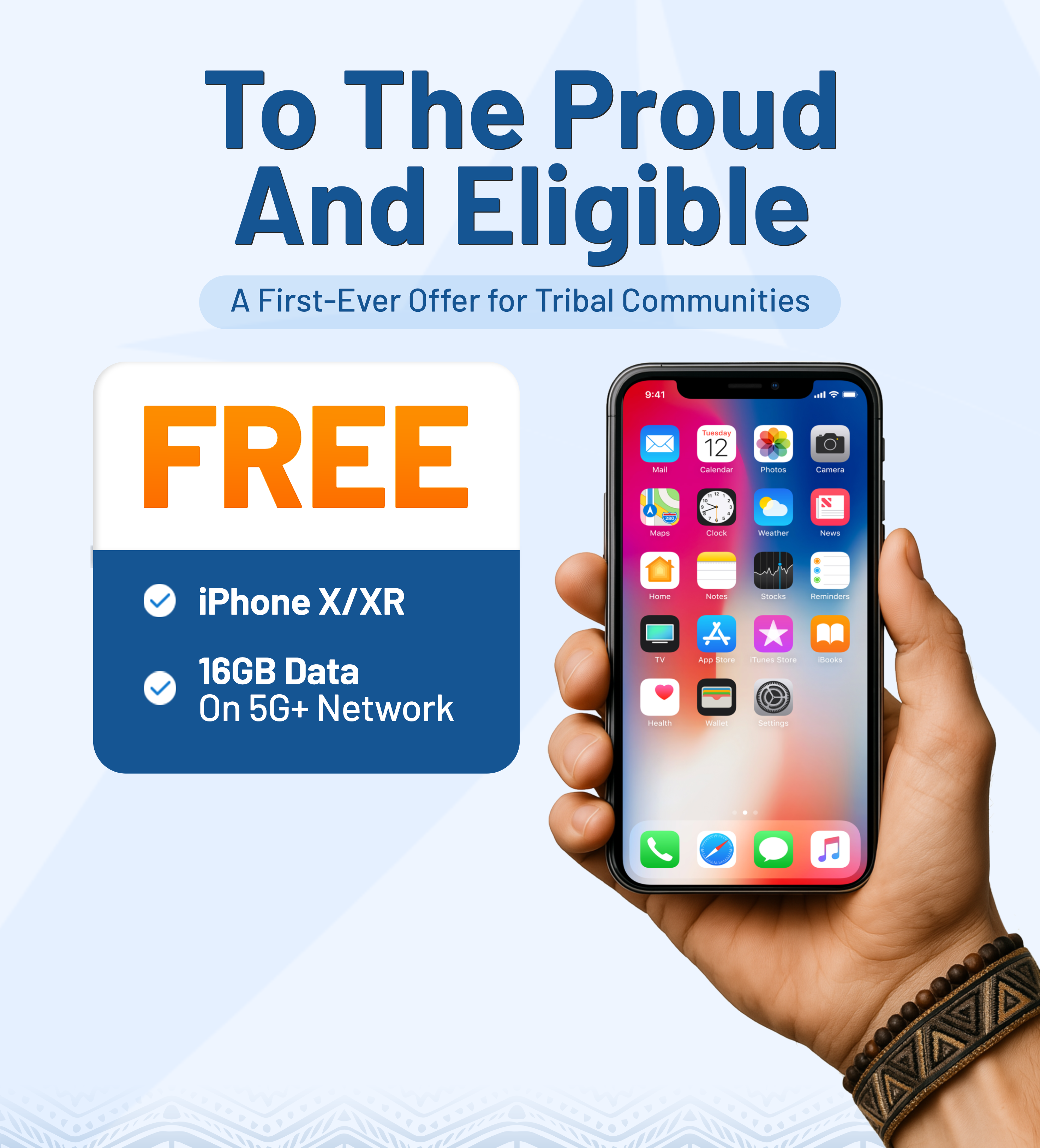
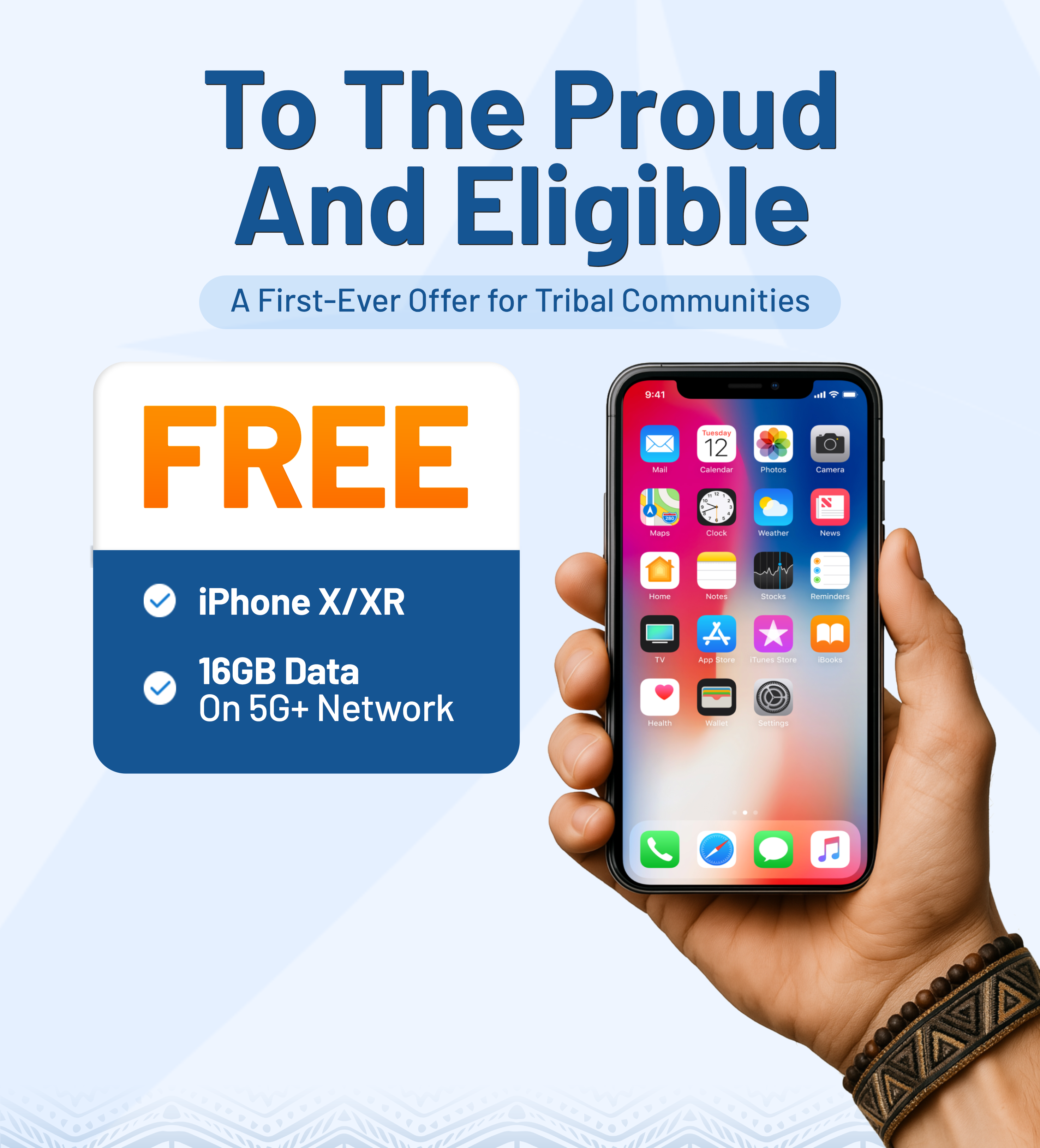
For an available provider option, AirTalk Wireless offers Lifeline-supported plans in California. Visit its Lifeline application in California, enter your ZIP code, review available plans and any qualifying phone offers, then provide the required eligibility information.
A free or discounted device may be offered with a qualifying plan. Availability, verification, and terms vary.
(California LifeLine and federal Lifeline have separate enrollment processes in 2026. Confirm the steps applicable to the benefit you choose)
6. FAQs
Is the IHSS program free for eligible recipients?
For recipients with Medi-Cal coverage without a share of cost, the IHSS program generally pays for authorized services. However, someone assigned a Medi-Cal share of cost may need to pay part of their eligible expenses. There is no standard IHSS application fee.
Can a family member get paid through IHSS?
Yes. An eligible relative may become a paid IHSS caregiver after completing required enrollment steps, which generally include orientation and background screening. Special rules apply to spouses and parents caring for minor children; the child’s IHSS subprogram can matter.
How many hours of care can you receive through IHSS?
The county authorizes hours based on assessed need. Many non-severely impaired cases have a 195-hour monthly limit, while certain severely impaired cases may qualify for up to 283 hours per month. Actual approvals can be much lower.
Does Texas have an IHSS program?
No. Texas offers Consumer Directed Services (CDS) in participating Medicaid programs. It lets eligible participants direct certain services and hire approved workers.
Does Arizona have an IHSS program?
No. Arizona offers Self-Directed Attendant Care (SDAC) through ALTCS for qualifying members who live at home and accept employer responsibilities.
Can IHSS recipients also qualify for Lifeline phone benefits?
Yes, potentially. Medi-Cal participation, rather than IHSS status alone, can establish a program-based path to Lifeline eligibility. Approval requires separate verification and compliance with household benefit rules.
7. Conclusion
The IHSS program can provide valuable support when daily activities are becoming harder to manage independently. Its greatest strength is the ability to arrange authorized care at home, often with a caregiver the recipient knows and trusts.
Before applying, confirm Medi-Cal eligibility, document everyday care needs, and contact your county IHSS office. Keep in mind that approved tasks, monthly hours, and any share of cost depend on an individual assessment.
- Share This:
-
-
-
-
-
-
-
-
New on AirTalk Wireless


