


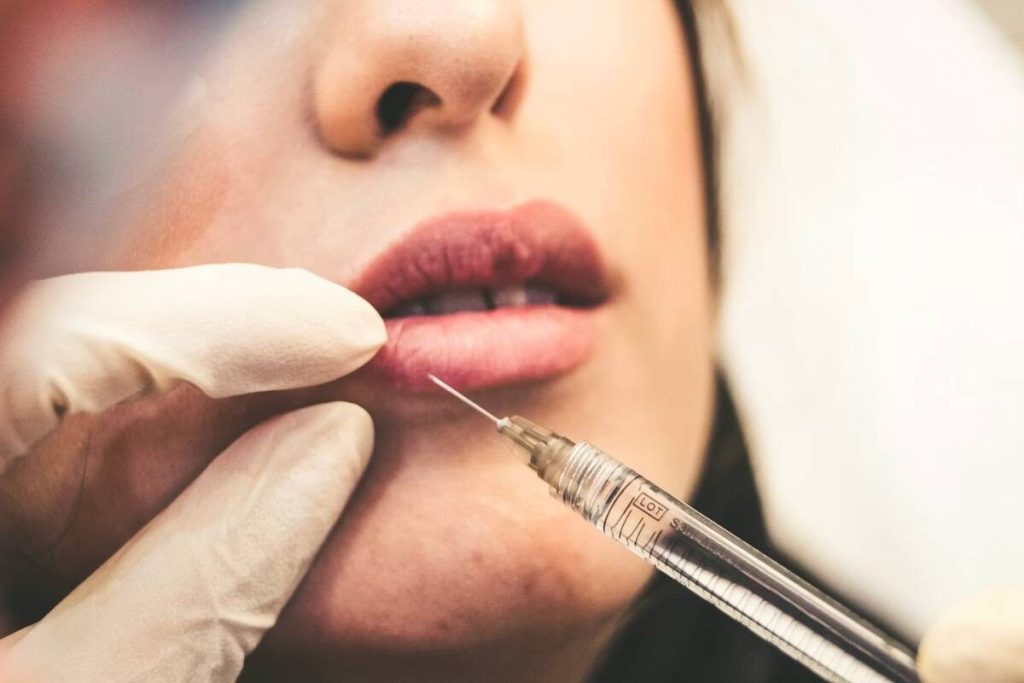
Finding a dermatologist that accepts Medicaid can feel surprisingly difficult, especially when a skin issue needs timely care. While Medicaid does cover dermatology services in many cases, not every skin doctor participates in the program, and availability often depends on your state, referral rules, and provider capacity.
This guide breaks down what it really means when a dermatologist accepts Medicaid, what conditions are commonly covered, and how to locate approved skin doctors near you without wasting time or hitting dead ends.
1. What Does It Mean When a Dermatologist Accepts Medicaid?
When a dermatologist accepts Medicaid, it means the provider is enrolled with your state’s Medicaid program and agrees to follow its billing rules, coverage guidelines, and reimbursement rates. Not every dermatologist participates in Medicaid, even if they accept private insurance or Medicare, which is why availability can be limited.


For patients, seeing a dermatologist that accepts Medicaid usually means:
- Your visit must follow state Medicaid coverage rules
- Some services may require a referral from a primary care provider
- Prior authorization may be needed for certain treatments or procedures
It’s also important to understand that Medicaid coverage can vary by state. A dermatologist who accepts Medicaid in one state may not be enrolled in another. This is why searching specifically for a dermatologist Medicaid provider in your state is essential, rather than assuming all clinics accept it.
2. Common Skin Conditions Covered by Medicaid Dermatology
Medicaid typically covers dermatology services that are considered medically necessary, rather than cosmetic. Coverage details depend on state rules, but many Medicaid programs include care for common and ongoing skin conditions.
Skin issues often covered include:
- Acne, when it causes pain, infection, or scarring risk
- Eczema, psoriasis, and other chronic inflammatory skin conditions
- Skin infections such as fungal infections, rashes, or abscesses
- Suspicious moles or lesions that may require evaluation or biopsy
- Hair and scalp conditions linked to underlying medical issues
Cosmetic procedures, such as elective mole removal or aesthetic treatments, are generally not covered unless a medical reason is documented. For ongoing conditions, Medicaid may also cover follow-up visits, prescription treatments, and monitoring when clinically appropriate.
Understanding what Medicaid does and does not cover can help patients prepare before scheduling an appointment with a dermatologist that accepts Medicaid.
>>> Also read: How to Get Free Braces with Medicaid: Eligibility Rules, Adult Costs, and Practical Alternatives
3. How to Find a Dermatologist That Accepts Medicaid Near You
Searching for a dermatologist near me that accepts Medicaid often requires more than a quick Google search. Because Medicaid participation varies by state and clinic, using the right approach can save time and reduce frustration.
The methods below are the most reliable ways to locate approved providers, including in-person and online dermatologist that accepts Medicaid options where available.
Use Your State Medicaid Provider Directory
Every state Medicaid program maintains an official provider directory listing doctors who are actively enrolled and accepting Medicaid patients. This should always be your starting point.
State directories allow you to:
- Filter results by specialty, such as dermatology
- Confirm whether the provider is currently accepting new Medicaid patients
- See location, contact details, and referral requirements
Because provider participation changes, directories are updated more frequently than third-party websites.
Call Dermatology Clinics Directly
Even if a dermatologist appears in a directory, calling the clinic directly is essential. Offices can confirm:
- Whether they currently accept Medicaid plans
- Which Medicaid managed care plans they work with
- Whether referrals or prior authorizations are required
This step helps avoid scheduling delays or denied appointments.
Ask for a Primary Care Referral If Required
In many states, Medicaid requires patients to obtain a referral from a primary care provider before seeing a specialist. If referrals are required:
- Schedule a visit with your primary care provider
- Explain your skin concern and request a dermatology referral
- Confirm that the referral is sent to a Medicaid-enrolled dermatologist
Having the referral in place can significantly improve your chances of securing an appointment.
4. Why It’s Often Hard to Find Dermatologists Who Accept Medicaid
Many patients are surprised by how limited access can be, even when coverage exists. One major reason is reimbursement. Medicaid typically pays lower rates than private insurance, which leads some dermatology practices to limit or stop accepting Medicaid patients altogether.
Other factors include:
- High demand and long waitlists for Medicaid appointments
- Administrative requirements such as prior authorizations
- Limited availability of specialists in certain regions
Because of these constraints, finding a dermatologist that accepts Medicaid often requires persistence, flexibility with location or appointment timing, and careful follow-up. Understanding these challenges can help patients set realistic expectations while continuing the search.
5. How Medicaid Coverage Helps With Ongoing Dermatology Care
Skin conditions often require more than a single visit. Chronic issues like eczema, psoriasis, acne, or recurring infections usually involve follow-up appointments, prescription refills, and ongoing monitoring. Medicaid coverage helps make this continuity of care possible by covering medically necessary dermatology visits, approved treatments, and follow-up care when properly documented.
For patients seeing a dermatologist that accepts Medicaid, coverage can support:
- Initial evaluations and diagnostic visits
- Follow-up appointments to track treatment progress
- Prescription medications related to covered skin conditions
- Referrals or additional testing when medically required
By reducing out-of-pocket costs, Medicaid makes it more realistic for patients to stay consistent with treatment plans instead of delaying care due to financial concerns. This continuity is especially important for skin conditions that worsen without regular management.
>>> Also read: Does Medicaid Cover Therapy? What Services Are Covered
6. Free Phone Options for Medicaid Patients to Stay Connected
Managing dermatology care does not stop after booking an appointment. Medicaid patients often need to stay reachable for referral confirmations, appointment reminders, prescription updates, and follow-up instructions. Missing a call or message can mean delayed care or missed treatment.
Medicaid participation may allow eligible households to qualify for Lifeline, a federal assistance program that helps low-income individuals afford phone or internet service through a monthly discount. This benefit is delivered through approved Lifeline providers, which handle enrollment, wireless service, and any device offers they choose to make available.
For many Medicaid patients searching for a free phone with Medicaid, AirTalk Wireless is a provider frequently chosen because of its focus on device quality and user choice.
Unlike providers that assign a single model, AirTalk Wireless allows eligible users to review available options and select a smartphone or tablet that fits their needs, depending on eligibility and availability. This flexibility is especially helpful for patients who rely on their phone for healthcare communication, online portals, and appointment management.
Key reasons Medicaid patients choose AirTalk Wireless include:
- Provider-offered smartphones and tablets from recognizable brands such as Samsung, Apple, Sky, and Alcatel
- Monthly talk, text, and data plans designed to support everyday communication
- The ability to choose a preferred device instead of receiving a random assignment
- A secure online application process with streamlined verification
- Ongoing connectivity that supports medical appointments and care coordination
For Medicaid patients managing ongoing dermatology care, enrolling through a provider like AirTalk Wireless helps reduce missed appointments and keeps communication consistent throughout treatment.
IMPORTANT: The government does not subsidize devices. Lifeline programs cover basic service costs only. Free or discounted devices, upgrade plans, or top-ups are exclusive benefits provided by AirTalk Wireless as part of our promotional offers. Terms and conditions apply. Limited-time promotion—offers vary by state, stock availability, and eligibility.
Conclusion
Finding a dermatologist that accepts Medicaid can take effort, but understanding how coverage works makes the process more manageable. Medicaid supports medically necessary dermatology care and helps patients stay consistent with treatment over time.
Combined with reliable communication access through Lifeline-approved providers, eligible Medicaid patients can better manage appointments, follow-ups, and ongoing skin care without unnecessary disruptions.