


Braces are more than a cosmetic treatment when crooked teeth affect how a child bites, speaks, or develops. That is why MassHealth can cover orthodontic treatment in certain cases, but the rules are much stricter than simply having misaligned teeth.
If you are asking does MassHealth cover braces, the key factors are age, medical necessity, and prior authorization.
1. Does MassHealth Cover Braces? Quick Answer
Yes, MassHealth covers braces for eligible members under age 21 when the orthodontic treatment meets its medical necessity requirements. Braces are listed as a covered dental service for children, with prior authorization required.
For adults, the answer is different. If you are researching “does MassHealth cover braces for adults” or “does MassHealth cover braces over 21”, standard MassHealth dental coverage does not cover new orthodontic treatment for members age 21 and older.
However, there is an important exception: some members who began comprehensive orthodontic treatment before turning 21 may continue receiving covered treatment after age 21 as long as they remain eligible and meet the applicable requirements.
For children and teens, MassHealth orthodontic coverage is connected to the Early and Periodic Screening, Diagnostic, and Treatment (EPSDT) benefit. EPSDT provides broader coverage for medically necessary services for eligible members under 21.
That does not mean every child who wants braces will automatically receive them. The orthodontist must demonstrate that treatment is medically necessary, and MassHealth must approve the treatment before it begins.


>>> Also read: Does Medicaid Cover Wrist Braces? Smart Ways to Get Approved and Save Money in 2026
2. What Does “Medically Necessary” Mean for Braces?
The most important part of understanding does MassHealth cover braces is understanding what MassHealth means by medical necessity.
MassHealth does not generally cover orthodontic treatment simply because a patient would like straighter teeth. The treatment must address a significant dental or functional problem that meets its clinical standards.
Depending on the individual case, concerns that may support medical necessity can include:
- Severe malocclusion: The upper and lower teeth do not meet properly, and the problem is significant enough to meet MassHealth’s orthodontic criteria.
- Jaw or skeletal misalignment: Problems with the relationship between the teeth and jaw can affect normal oral function.
- Difficulty chewing or speaking: Significant orthodontic problems may interfere with everyday functions such as eating or speech.
- Pain or functional problems: A serious bite or alignment problem may contribute to pain, injury, or other functional concerns.
The distinction is important. A child may have crooked teeth but still not meet MassHealth’s medical necessity standards. The orthodontist must evaluate the condition and provide the clinical information required for approval.
MassHealth’s medical necessity guidelines are designed to help determine whether certain services meet the clinical requirements for coverage.
For orthodontics, the provider may need to submit specific documentation, measurements, photographs, X-rays, and other information with the prior authorization request.
3. MassHealth Braces Coverage: Important Things You Should Know
Knowing that braces can be covered is only the first step. The type of orthodontic treatment, the patient’s age, and the approval process can all affect whether MassHealth will pay.
What Types of Braces Are Covered by MassHealth?
MassHealth’s orthodontic benefit is primarily structured around medically necessary orthodontic treatment rather than a particular consumer-facing brand or cosmetic option.
Traditional fixed braces with brackets and wires are the most familiar example of comprehensive orthodontic treatment. MassHealth’s orthodontic service definitions specifically include comprehensive treatment involving brackets, wires, and bands.
However, there are several conditions:
- Treatment must meet MassHealth’s medical necessity standards.
- The member generally must be under 21 when comprehensive orthodontic treatment begins.
- Prior authorization is required for comprehensive orthodontic treatment.
- The treatment must be provided by an appropriate MassHealth dental provider, generally an orthodontic specialist for covered orthodontic procedures.
MassHealth can also cover certain interceptive orthodontic treatment for eligible children. This type of treatment is intended to address a developing problem early and may help reduce the severity of a later orthodontic condition.
So, if you are wondering does MassHealth cover braces, do not look only at whether a particular type of appliance is available. The more important question is whether the proposed treatment meets MassHealth’s clinical and authorization requirements.


What Types of Braces Are Not Covered by MassHealth?
MassHealth’s orthodontic benefit is not designed to pay for orthodontic treatment simply to improve appearance.
In general, you should not expect coverage for:
- Braces used primarily for cosmetic reasons
- Minor alignment issues that do not meet medical necessity standards
- New comprehensive orthodontic treatment for adults age 21 and older
- Orthodontic options that do not meet MassHealth’s coverage and authorization requirements
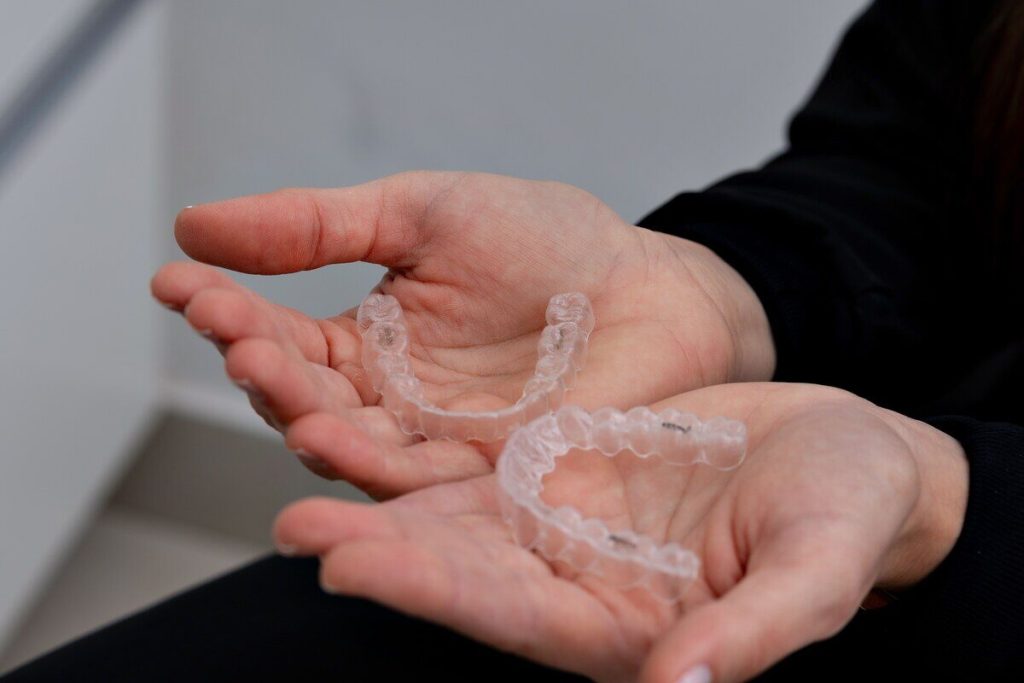
Clear aligners such as Invisalign also should not be assumed to be covered simply because they can move teeth in a medically appropriate way. Coverage depends on the specific service, treatment plan, and MassHealth requirements.
Before choosing an orthodontic system, ask the provider whether the proposed treatment can be submitted to MassHealth and whether it has received prior authorization.
The same principle applies to any orthodontic treatment: being medically useful does not automatically make it a covered benefit.
How Much Does MassHealth Cover for Braces?
There is no single dollar amount that applies to every MassHealth member who receives braces. Instead, MassHealth pays for approved orthodontic services according to its coverage rules and applicable reimbursement rates.
For the patient, the more important question is whether the entire proposed treatment has been approved before treatment begins. A participating provider should explain what MassHealth has authorized and whether there are any services outside the covered treatment plan.
If an orthodontist recommends additional procedures, appliances, or services that were not included in the original authorization, ask whether another approval is required before agreeing to them.
>>>> Also read: How Much Do Braces Cost In 2026? Average Prices With And Without Insurance
4. How to Get Braces Approved by MassHealth
Getting braces through MassHealth is not usually a matter of simply choosing an orthodontist and scheduling treatment. The provider must first establish that the treatment meets the program’s requirements.
Here is what the process generally looks like.
Step 1: Dental Exam
Start with a dental examination. The dentist can identify significant bite, alignment, or jaw problems and determine whether an orthodontic evaluation is appropriate.
For children, regular dental visits are especially important because some orthodontic problems are easier to identify while the teeth and jaw are still developing.
Step 2: Referral to an Orthodontist
If orthodontic treatment appears necessary, the patient may be referred to an orthodontist who participates in the MassHealth Dental Program.
The orthodontist will perform a more detailed evaluation. This can include X-rays, photographs, measurements, and an assessment of the bite and overall dental condition.


Step 3: Prior Authorization Submission
If the orthodontist believes the treatment meets MassHealth’s requirements, the provider submits a prior authorization request.
The request provides the clinical evidence MassHealth needs to determine whether the treatment is medically necessary. For comprehensive orthodontic treatment, documentation can include the required orthodontic measurements and medical necessity information.
Do not assume that a recommendation for braces means approval has already been granted. Prior authorization is a separate step.
Step 4: Approval Decision
MassHealth reviews the request and determines whether the proposed treatment meets its coverage requirements.
If approved, the orthodontist can proceed according to the authorized treatment plan. If the request is denied, ask the provider why it was denied and whether additional documentation, another treatment approach, or an appeal may be appropriate.
5.. Not Covered? Other Ways to Save on Braces
If you are still asking does MassHealth cover braces because your child did not qualify, or because you are an adult who needs orthodontic treatment, there are other ways to reduce the cost:
- Ask about payment plans: Many orthodontic offices offer monthly payment arrangements that spread the cost over the treatment period.
- Consider dental schools: Dental schools may offer orthodontic or related dental services at lower prices, although availability and eligibility vary.
- Look for community dental clinics: Community clinics and nonprofit dental organizations may offer lower-cost services or help connect patients with affordable care.
Before committing to treatment, ask for the total estimated cost and whether the quoted price includes X-rays, retainers, follow-up visits, and other related services. A lower initial price does not always mean a lower total cost.
5. Extra Benefit: You May Qualify for a Free Phone with MassHealth
Orthodontic care can be a significant expense, so finding savings in other areas of your monthly budget can help. One option worth checking is Lifeline, a federal program that provides a monthly discount on qualifying phone or internet service. Medicaid, including MassHealth, is one of the qualifying programs.
If you qualify, you can choose a participating provider and apply the Lifeline benefit to an eligible service. Some providers also offer free phones when you enroll, although the device itself is not a standard Lifeline benefit and depends on the provider and current offer.
AirTalk Wireless is one option to check. Available devices can vary by ZIP code and inventory, but offers may include smartphones and tablets from brands such as Apple, Samsung, and TCL.
Depending on the offer, available devices may include:
- Apple iPhone SE 2
- Apple iPhone 11
- Samsung Galaxy A42 5G
- AirVoice C67
- TCL 20 SE

These devices and offers are not guaranteed for every applicant. Availability can change based on your ZIP code, eligibility, inventory, and current promotions.
The application process starts with a ZIP code check. You can then review the available service and device offer, provide your eligibility information, submit any required documents, and wait for the eligibility review.
If you already receive MassHealth, checking your Lifeline eligibility can be a simple way to see whether you can reduce another recurring household expense.


Note: AirTalk Wireless operates under the federal Lifeline Program as an Eligible Telecommunications Carrier (ETC). Eligibility varies by state and program. Offers depend on availability and qualifications. Service is non-transferable and limited to one service per household.
Final Thoughts
So, does MassHealth cover braces? Yes, but primarily for eligible members under 21 whose orthodontic condition meets MassHealth’s medical necessity requirements.
Prior authorization is required, and cosmetic treatment or new orthodontic treatment for adults generally is not covered. Before starting braces, have the orthodontist confirm eligibility, submit the required authorization, and explain exactly what MassHealth will cover.