



Does Medicaid cover birth control is a common question for individuals looking to manage reproductive health without high out-of-pocket costs. In most cases, Medicaid does provide coverage for birth control, but the exact methods covered and the rules around access can vary by state and plan. Many people also wonder whether birth control is completely covered by insurance or if copays and approvals still apply.
This guide explains how Medicaid approaches birth control coverage, which methods are typically included, and what eligibility rules affect access, so you can understand your options before visiting a provider.
1. Does Medicaid Cover Birth Control?
Yes. Medicaid does cover birth control, and in most cases, coverage is provided without out-of-pocket cost when the method is considered medically appropriate and obtained through a Medicaid-approved provider.
Under federal Medicaid rules, states are required to cover family planning services, which include a wide range of contraceptive methods. This means many people enrolled in Medicaid can access birth control without copays, deductibles, or coinsurance.


So, is birth control completely covered by insurance under Medicaid?
For most standard contraceptive methods, the answer is yes. However, coverage details can vary slightly by state, provider network, and whether the service is classified as preventive or requires additional approval. Medicaid generally focuses on ensuring access rather than limiting options, but confirming coverage with a provider is still important.
2. What Types of Birth Control Does Medicaid Usually Cover
When people ask what types of birth control does Medicaid cover or what birth control does Medicaid cover, they are usually referring to whether both short-term and long-term methods are included. In most states, Medicaid covers a broad range of options across different categories.
Hormonal Birth Control Options
Medicaid typically covers common hormonal birth control methods, including birth control pills, patches, injections, and vaginal rings. These methods usually require a prescription from a Medicaid-accepting provider.
Coverage often includes both brand-name and generic options, depending on state formularies. Refills and follow-up visits related to hormonal contraception are also commonly covered as part of family planning services.
Long-Acting Reversible Contraception (LARC)
Long-acting reversible contraception, such as intrauterine devices and contraceptive implants, is widely covered by Medicaid. These methods are often fully covered because they are considered highly effective and cost-efficient over time.
Medicaid generally covers the device itself, insertion, removal, and follow-up care when performed by an approved provider. In many states, LARC methods are covered without additional authorization, especially when provided for preventive family planning purposes.
Non-Hormonal and Barrier Methods
Medicaid also covers non-hormonal birth control options. This may include copper IUDs, condoms, diaphragms, and cervical caps, depending on state policy.
While barrier methods are sometimes accessed through clinics or public health programs, Medicaid coverage usually applies when these methods are prescribed or provided by a participating provider as part of family planning care.
3. What Medicaid May Not Cover for Birth Control
While Medicaid covers most standard contraceptive methods, some situations may fall outside routine coverage. Items that are not medically necessary, used for non-family-planning purposes, or obtained outside the Medicaid provider network may not be covered.
Coverage gaps can also occur with:
- Over-the-counter products purchased without a prescription or provider visit, depending on state policy
- Brand-name products when a generic equivalent is available and preferred by the state formular
- Services from non-participating providers, even if the method itself is normally covered
Because Medicaid rules vary by state, it is important to confirm coverage details with a Medicaid-accepting provider before choosing a method.
>>> Read more: How to Get Free Braces with Medicaid: Eligibility Rules, Adult Costs, and Practical Alternatives
4. Who Can Get Birth Control Covered Under Medicaid
Birth control coverage under Medicaid is not limited to one age group or life stage. Eligibility generally includes:
- Adults enrolled in Medicaid, regardless of parental status
- Teens and young adults who qualify for Medicaid, including confidential access in many states
- Postpartum individuals, where family planning services are often emphasized
- Individuals enrolled through income-based or program-based eligibility
Medicaid focuses on access to family planning services as part of preventive care. As long as the individual is enrolled and the service is provided through an approved channel, coverage usually applies.
5. How to Get Birth Control Through Medicaid
Accessing birth control through Medicaid follows a straightforward process. Completing each step helps avoid delays or coverage issues.
Step 1: Confirm Your Medicaid Coverage
Before scheduling an appointment, verify that your Medicaid coverage is active and identify whether you are enrolled in a fee-for-service plan or a managed care plan. This determines which providers you can visit and whether referrals are required.
You can confirm coverage through your Medicaid member portal, eligibility notices, or by contacting member services.
Step 2: Visit a Medicaid-Accepting Provider
Schedule an appointment with a provider who accepts Medicaid. This may include primary care offices, OB-GYN clinics, family planning clinics, or community health centers.
During the visit, the provider will discuss available birth control options and help determine which method fits your medical needs and preferences.
Step 3: Prescription, Approval, and Follow-Up
If the chosen method requires a prescription or procedure, the provider will handle ordering, authorization, and scheduling. For long-acting methods, this may involve a separate visit for insertion.
Medicaid typically covers follow-up care related to birth control, including refills, method changes, or removal when medically appropriate. Staying in contact with your provider helps ensure continued access without interruption.
6. Why Medicaid Users Often Qualify for Additional Support Programs
Medicaid eligibility is often used as a gateway for other assistance programs because it already confirms household income and financial need. Once a person qualifies for Medicaid, many agencies and federal programs treat that enrollment as verified eligibility rather than requiring a separate income review.
One example is Lifeline, a federal assistance program created to help low-income households reduce the cost of phone or internet service through a monthly discount. Medicaid participation allows eligible households to automatically qualify for Lifeline, which removes an extra layer of paperwork.
However, Lifeline does not provide phone service or devices on its own. Instead, the benefit is delivered through approved Lifeline providers that offer the actual service plans and any supported device options available in each state.
For Medicaid users, enrolling through a provider can help maintain reliable communication for healthcare needs. One provider participating in Lifeline is AirTalk Wireless, which supports eligible Medicaid members with provider-backed phone service options.


For Medicaid users who qualify, AirTalk Wireless may offer:
- Provider-supported phone plans designed for Medicaid-qualified households
- Access to free or discounted smartphones, depending on state availability
- An online application that allows users to select their state and review options
- Phone access that supports appointment reminders, pharmacy updates, and follow-up care
This type of support matters because Medicaid coverage often involves ongoing coordination with healthcare providers. Staying reachable helps users manage prescriptions, schedule visits, and respond to coverage-related requests without interruption.

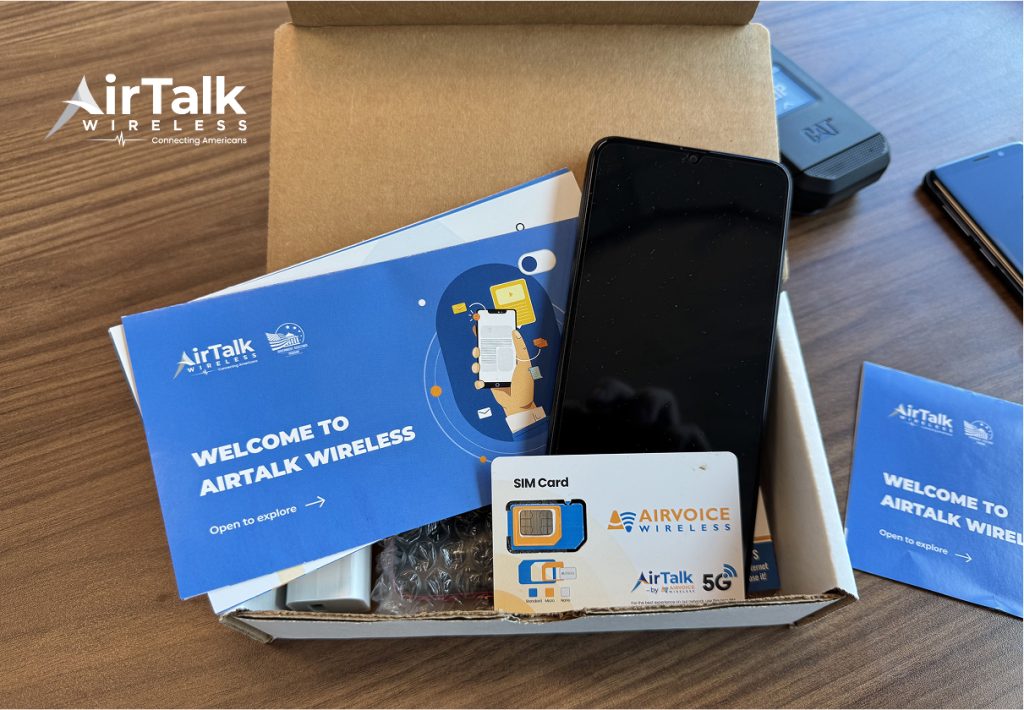
IMPORTANT: The government does not subsidize devices. Lifeline programs cover basic service costs only. Free or discounted devices, upgrade plans, or top-ups are exclusive benefits provided by AirTalk Wireless as part of our promotional offers. Terms and conditions apply. Limited-time promotion—offers vary by state, stock availability, and eligibility.
Conclusion
So, does Medicaid cover birth control? In most cases, yes. Medicaid generally provides broad coverage for birth control methods as part of family planning and preventive care, though specific details can vary by state and provider. Understanding what is covered, how to access services, and which follow-up steps matter can help avoid delays or gaps in care.
For many Medicaid users, coverage approval also opens access to additional support programs that help manage everyday needs. Knowing how these programs connect allows individuals to make informed choices that support both their health and long-term stability.