


Vision problems often develop gradually. You may start squinting at screens, struggling to read road signs, or experiencing frequent headaches. When this happens, a common question for Medicaid recipients is does Medicaid cover eyeglasses and what steps are required to receive vision care benefits.
The answer is not always simple. Medicaid vision coverage varies by state, age, and medical necessity. This guide explains exactly does Medicaid cover eyeglasses, what Medicaid looks at first, how eye exams differ from glasses coverage, and how to get your benefits, especially if you rely on Medicaid for ongoing care.
1. When You Realize You Need Glasses: What Medicaid Looks At First?
Before answering “does Medicaid cover eyeglasses”, it’s important to know that Medicaid focuses on whether vision care is considered medically necessary under your state’s program.
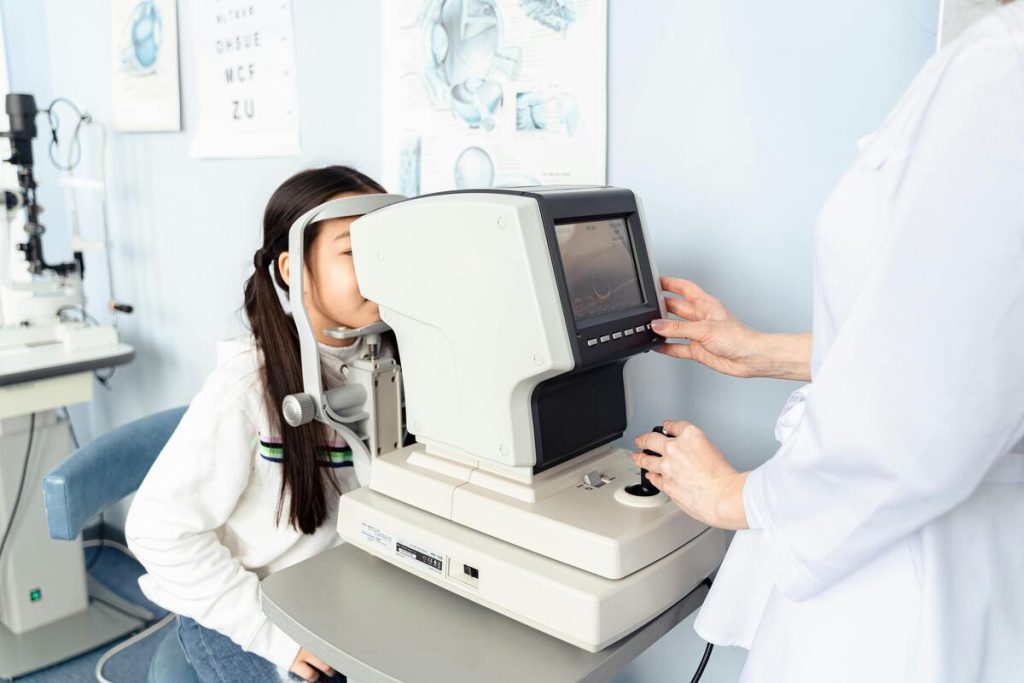
The first step is always a comprehensive eye exam conducted by a licensed optometrist or ophthalmologist who accepts Medicaid. During this exam, the provider evaluates:
- Visual acuity (how clearly you see)
- Eye health (screening for conditions like glaucoma or diabetic eye disease)
- Whether corrective lenses are required to function safely and effectively
In many states, Medicaid prioritizes preventive and diagnostic care. That means even if eyeglasses are limited, eye exams are often covered. Searching for a Medicaid eye exam near me is typically the fastest way to begin.
Only after medical need is documented does Medicaid determine whether eyeglasses are included.
2. Does Medicaid Cover Eyeglasses?


So, does Medicaid cover eyeglasses? The short answer: Sometimes, depending on who you are and where you live.
Federal Medicaid law requires states to cover vision care for children through the Early and Periodic Screening, Diagnostic, and Treatment (EPSDT) benefit. This usually includes:
- Eye exams
- Prescription eyeglasses when medically necessary
For adults, eyeglasses are considered an optional benefit, meaning each state decides whether to cover them, limit them, or exclude them entirely.
In states that do offer adult eyeglass coverage, Medicaid may:
- Limit how often glasses are replaced
- Restrict frame choices
- Require prior authorization
- Cover glasses only after specific diagnoses
This is why two people with Medicaid may receive different outcomes, even within the same state.
3. Eye Exams vs. Eyeglasses: What Medicaid Actually Pays For
Understanding the difference between exams and eyewear helps clarify does Medicaid cover eyeglasses in real-world situations.
Eye exams
Most state Medicaid programs cover routine or medically necessary eye exams for both children and adults. This includes exams for:
- Blurry vision
- Eye strain
- Chronic conditions like diabetes
If you’re searching for a Medicaid eye exam near me, you’ll likely find more options than for eyeglasses alone.
Eyeglasses
Coverage for eyeglasses is more limited:
- Children usually receive glasses when prescribed
- Adults may receive partial coverage, basic frames only, or no coverage at all
Even when Medicaid does not fully cover glasses, the exam itself is often still paid for.
>>>Read more: Does Medicaid Cover Glasses? The Real Truth About Vision Benefits
4. Finding Eye Places That Take Medicaid Near You
Accessing vision care depends heavily on finding providers who accept Medicaid. Many vision providers do not participate due to reimbursement limits, making the search more challenging.
To find eye places that take Medicaid, especially when researching does Medicaid cover eyeglasses under your specific plan, consider:
- Your state Medicaid provider directory
- Managed Care Organization (MCO) websites
- Community health centers and nonprofit clinics
When contacting providers, always ask clear and specific questions related to does Medicaid cover eyeglasses, including:
- Do you accept my specific Medicaid plan?
- Are eye exams covered?
- Are eyeglasses included, and what are the limitations?
Using accurate search terms like eye places that take Medicaid, Medicaid eye exam near me, or does Medicaid cover eyeglasses helps reduce wasted appointments, coverage confusion, and delays in receiving vision care.
5. What to Do If Medicaid Does Not Cover Your Eyeglasses?
If you discover that Medicaid does not cover your eyeglasses, you are not alone. This does not mean your vision needs are ignored, it means coverage rules apply.
Medicaid may approve glasses when:
- Vision impairment affects safety or employment
- There is a diagnosed medical condition
- Coverage is required under state-specific rules
Denials often occur due to:
- Adult vision being optional in that state
- Replacement requested too soon
- Frame or lens upgrades beyond Medicaid limits
If denied, options include:
- Low-cost vision programs through clinics
- Nonprofit organizations
- Discount vision providers connected to community health centers
Even when asking does Medicaid cover eyeglasses results in “not fully,” alternatives often exist.
6. Staying Connected to Your Vision Care Benefits with a Free Medicaid Phone
Vision care does not stop after the exam. Keeping connected is essential, especially for appointment reminders, approvals, and follow-ups. This is where free phone support through Medicaid becomes critical.
Many Medicaid beneficiaries miss appointments due to:
- Disconnected phone service
- Missed authorization calls
- Lost reminders for eye exams or glasses pickups
Medicaid enrollment qualifies you for the federal Lifeline program, approved-providers provide free or discounted phone service to eligible households.
Airtalk Wireless is a Lifeline-approved provider that helps Medicaid recipients remain connected by offering:
- A free smartphone (for eligible users)
- Free monthly talk, text, and data
- Reliable nationwide coverage
With a free phone, you can:
- Contact eye places that take Medicaid
- Schedule or confirm Medicaid eye exam near me
- Receive updates on eyeglass approvals
- Keep in touch with Medicaid offices and providers
If you rely on Medicaid for vision care, a free Medicaid phone is not a luxury, it is a necessary tool to protect your health.


Final Thoughts
So, does Medicaid cover eyeglasses? The answer depends on your age, your state, and medical necessity. While children usually receive full coverage, adults may face limits but eye exams are often still covered.Understanding your benefits, finding the right providers. With the right information and support tools, like a free phone through Lifeline and Airtalk Wireless, you can navigate Medicaid vision benefits more confidently and avoid unnecessary delays.