



Severe tooth pain, swelling, or infection can quickly become overwhelming, especially if you rely on Medicaid for healthcare coverage. In these moments, finding an emergency dentist that accepts Medicaid for Adults is critical, but it is often far more challenging than people expect. Limited provider availability, strict Medicaid rules, and communication barriers can all delay urgent care.
This article explains how Medicaid defines dental emergencies for adults, why emergency access is difficult, and how staying connected through programs like Lifeline and AirTalk Wireless can make a real difference when time matters.
1. Emergency Dentist That Accepts Medicaid for Adults


An emergency dentist that accepts Medicaid for Adults is a dental provider who not only treats urgent dental conditions but is also enrolled with Medicaid and willing to see adult patients on short notice. Unlike routine dental care, emergency treatment focuses on pain relief, infection control, and preventing serious complications.
Medicaid does cover emergency dental services for adults in many states, but coverage rules vary by state and by managed care plan. This variation explains why patients often receive conflicting information when calling dental offices during an emergency.
Understanding what Medicaid considers a true dental emergency can help you act faster and avoid unnecessary delays.
Dental conditions Medicaid typically considers an emergency
Medicaid generally defines dental emergencies as conditions that pose an immediate risk to health, not just comfort. An emergency dentist that accepts Medicaid for Adults is more likely to treat cases such as:
- Severe tooth pain caused by infection or abscess
- Facial swelling linked to dental infection
- Uncontrolled bleeding in the mouth
- Trauma to the teeth or jaw from accidents
- Infections that may spread to other parts of the body
In these cases, Medicaid coverage usually focuses on stabilizing the condition, such as draining an abscess or extracting a severely infected tooth. The primary goal is to stop pain and prevent life-threatening complications, not to provide cosmetic or long-term restorative care.
Situations that are urgent but may not qualify as emergencies
Not all painful dental issues qualify as Medicaid emergencies. While still serious, some conditions may not meet the strict criteria required for emergency coverage.
Examples include:
- Mild to moderate toothaches without infection
- Chipped or cracked teeth without pain or swelling
- Lost fillings or crowns
- Broken dentures
These situations are often urgent but may be classified as routine or non-emergency care. Even if you contact an emergency dentist that accepts Medicaid for adults, the provider may require prior authorization or schedule treatment later, depending on Medicaid rules in your state.
>>> Read more: Does Medicaid Cover Braces in 2026? What’s Covered, Who Qualifies, and Real Alternatives
2. Why Finding an Emergency Medicaid Dentist for Adults Is Especially Difficult?
Many adults are surprised by how hard it is to locate an emergency dentist that accepts Medicaid for Adults, especially outside normal business hours. Several factors contribute to this challenge.
First, Medicaid reimbursement rates for dental emergencies are often lower than private insurance, which discourages some providers from offering emergency slots for adult Medicaid patients. Second, emergency dental care requires additional staffing, equipment, and liability coverage, which not all clinics can support.
Third, adult dental benefits under Medicaid are optional at the state level. Even when coverage exists, it may be limited to pain relief rather than comprehensive treatment. These factors combine to create fewer options when emergencies arise.
This is why preparation and reliable communication matters so much.
When dental pain strikes, having immediate access to a working phone is essential, especially for adults trying to locate an emergency dentist that accepts Medicaid for Adults. Many people do not realize that Medicaid enrollment may qualify them for a free phone with Medicaid through the federal Lifeline program.
Lifeline is overseen by the Federal Communications Commission (FCC) and is designed to help low-income households afford phone and internet services.
Medicaid is a qualifying program for Lifeline in all states, making a free phone with Medicaid a realistic option for many adults who urgently need to contact an emergency dentist that accepts Medicaid for Adults.
With a Lifeline-supported phone, you can:
- Call multiple dental offices quickly to find an emergency dentist that accepts Medicaid for Adults
- Contact Medicaid managed care plans for guidance during urgent dental situations
- Receive voicemail messages from emergency dental providers
- Access appointment reminders and prior authorization updates
Without reliable phone access, locating an emergency dentist that accepts Medicaid for Adults becomes significantly harder, especially during evenings or weekends.
3. How AirTalk Wireless supports urgent healthcare communication?
AirTalk Wireless as a Lifeline-Approved provider in Virginia
AirTalk Wireless is a Lifeline-approved provider that supports eligible residents, including those in Virginia and adults enrolled in Medicaid.
For individuals actively searching for a dentist that accept Medicaid for adults in Virginia or an emergency dentist that accepts Medicaid for adults, having consistent phone access can directly affect how quickly and successfully dental care is arranged.
How Lifeline eligibility connects Medicaid members to communication support?
The Lifeline program, overseen by the Federal Communications Commission (FCC), is designed to help low-income households maintain access to essential communication services.
Medicaid enrollment is one of the federally recognized qualifying programs, which means many Virginia residents may be eligible for Lifeline-supported wireless service through participating providers.
It is important to note that Lifeline itself does not provide phones or service. Instead, providers like AirTalk Wireless deliver the wireless service under Lifeline program rules.
What eligible users may receive through AirTalk Wireless?
Through AirTalk Wireless, eligible users may be offered:
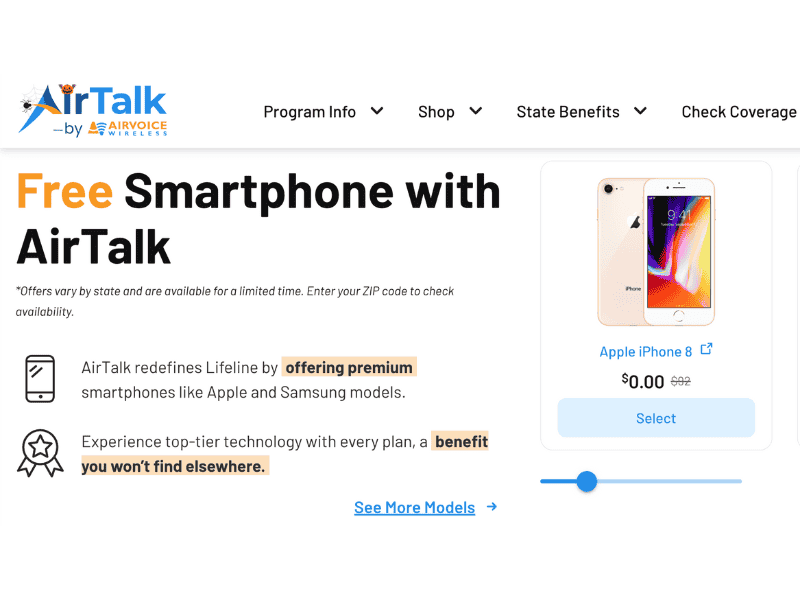
- A smartphone provided by the service provider, depending on eligibility and device availability
- Monthly wireless service that includes talk, text, and data
- No long-term contracts, credit checks, or cancellation penalties
These services are intended to support essential communication needs, particularly when managing healthcare access.

Why reliable phone access matters for adult Medicaid dental care?
This level of connectivity is especially important when navigating adult Medicaid dental care in Virginia, particularly when urgent treatment is needed from an emergency dentist that accepts Medicaid for adults.
Dental offices that accept Medicaid often have limited appointment availability, specific intake requirements, and strict scheduling policies. Missing a call or voicemail can result in delayed treatment or lost appointment opportunities.
How communication support helps reduce care delays?
Reliable phone access helps patients:
- Call multiple dental offices to confirm adult Medicaid acceptance
- Receive appointment confirmations or last-minute schedule changes
- Communicate with Medicaid managed care plans or dental administrators
- Track referrals, prior authorizations, and follow-up instructions
For adults managing pain or ongoing dental issues, communication gaps can quickly become barriers to care. By participating in the Lifeline program, AirTalk Wireless helps reduce those barriers, keeping Medicaid-eligible individuals connected throughout each step of the dental care process.
Final Thoughts
Dental emergencies do not wait for convenient timing, and neither should access to care. Finding an emergency dentist that accepts Medicaid for Adults is challenging, but understanding Medicaid’s emergency criteria, acting quickly, and staying connected can significantly improve outcomes.
Equally important is recognizing the value of communication support. A free phone with Medicaid through Lifeline, and services provided by AirTalk Wireless, can help adults reach emergency providers, manage follow-ups, and stay informed during stressful situations.
When pain can’t wait, preparation, knowledge, and connectivity work together to protect both your health and your peace of mind.