


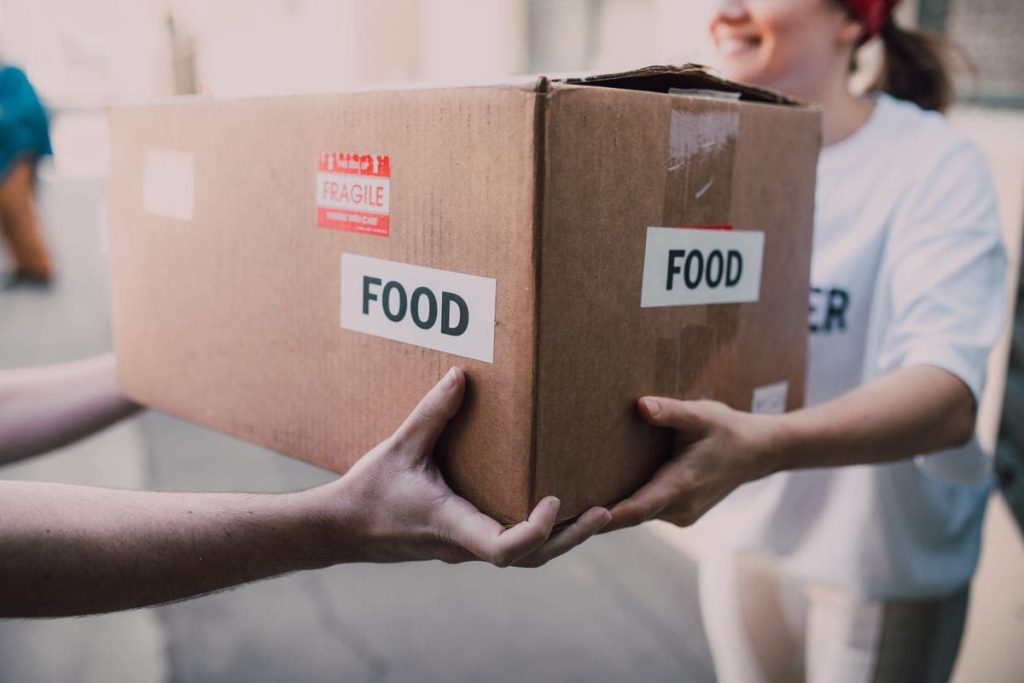
Running short on groceries is stressful, and it is far more common than most people admit. 47.9 million people lived in food-insecure households in 2024, so you are not alone, and help exists.
Free food is available, and much of it flows through the Emergency Food Assistance Program, a federal effort run by USDA and your state.
1. How to Get Emergency Food Assistance Right Now
Start with the options that work the same day. Every step below is free, and you can try several at once.
Call the National Hunger Hotline or 211
- Call the National Hunger Hotline at 1-866-3-HUNGRY (1-866-348-6479), or 1-877-8-HAMBRE (1-877-842-6273) for Spanish. USAGov lists hours as Monday through Friday, 8 a.m. to 8 p.m. Eastern.
- You can also dial 211, which connects you with local agencies and community organizations that help people find food in an emergency.
Find Free Food Pantries Near You
- Enter your ZIP code in Feeding America’s food bank locator.
- Call the food bank it lists to confirm distribution days, since schedules change often.
- HUD’s Find Shelter tool can also show your closest pantry. Many of these sites hand out USDA Foods supplied through the USDA Emergency Food Assistance Program, known as TEFAP.
Ask whether the site requires ID, proof of address, or a signed income form, because rules vary by state.
Get Free Food After a Natural Disaster
- After a presidentially declared disaster, groups like the Red Cross and Salvation Army can request USDA Foods through the state for meals or household distribution.
- Once stores reopen, your state may also run D-SNAP, which provides one month of food benefits on an EBT card for eligible households. Each state sets its own application process. Contact your state SNAP office or call 211 to see what is active near you.
2. What Is the Emergency Food Assistance Program (TEFAP)?
The Emergency Food Assistance Program (TEFAP) is a federal program that stocks local food providers, so low-income people can get emergency groceries at no cost. Congress first authorized it in 1981, and the 1990 Farm Bill gave it its current name.
What TEFAP Provides
TEFAP supplies 100% American-grown USDA Foods, along with administrative funds that help states store and distribute them.
The Emergency Food Assistance Program covers a wide mix of products, and each state’s order depends on its preferences and agricultural market conditions. Choices span fruits, vegetables, proteins, dairy, grains, and soups.
In fiscal year 2024, USDA made $461.5 million available to buy TEFAP foods and $80 million for administrative costs. Because USDA buys directly from U.S. farmers, the program also supports agriculture.
How TEFAP Works
Under the Emergency Food Assistance Program, USDA buys food and makes it available to state agencies.
Each state’s share depends on its number of unemployed people and people living below the poverty level. States then choose local agencies, usually food banks, which supply soup kitchens and food pantries. All 50 states, D.C., Puerto Rico, the U.S. Virgin Islands, and Guam administer it.
Who Qualifies for Emergency Food Assistance?
Each state sets its own income rules for take-home groceries from the Emergency Food Assistance Program, but federal rules require a limit between 185% and 300% of the federal poverty guidelines.
For 2026, 185% equals $29,526 a year for one person in the contiguous states and $61,050 for a family of four. At 300%, a single adult’s limit is $47,880.
In some states, receiving other benefits, such as SNAP, can also qualify you. Prepared meals at soup kitchens have no income test.

How to Apply for the Emergency Food Assistance Program
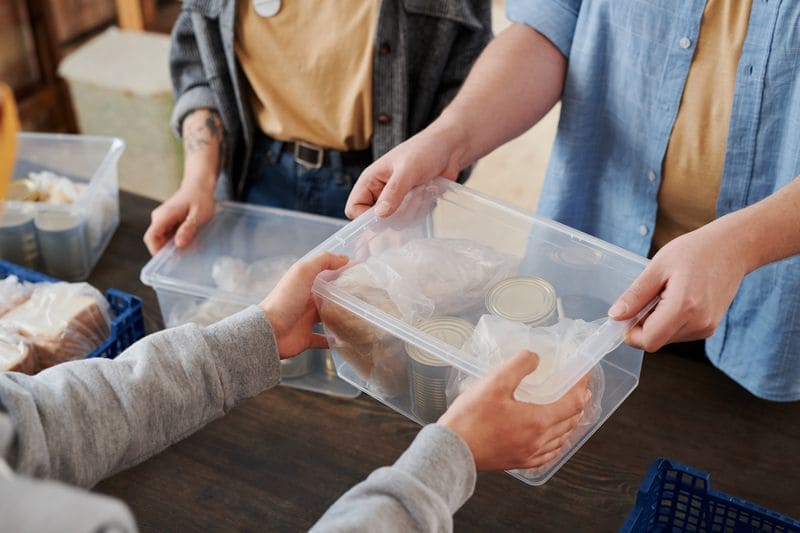
USDA directs people to contact their state distributing agency, and local sites handle intake. In several states, that means signing a short form at the pantry to confirm your household income and residency.
Contact your state agency or nearest food bank first, bring ID if requested, and ask how often you can return. Some states also work with community action agencies that give food directly to individuals.
>>> Read more: Free Food on Your Birthday: 25+ Restaurants With Birthday Freebies
3. What Free Food Can You Get Through TEFAP?
TEFAP food changes by state and season. USDA publishes an annual foods list for the Emergency Food Assistance Program, and the fiscal year 2026 version appeared in the Federal Register on May 19, 2026. Overall, more than 130 products are available, including:
- Fruits and vegetables: canned, frozen, dried, juiced, and some fresh options
- Proteins: meat, fish, eggs, nuts, and beans
- Grains: rice, flour, cereal, pasta, and tortillas
- Dairy: milk, yogurt, and cheese
- Soups and legumes: ready-to-heat options and lower-sodium canned items, such as low-sodium green beans on the 2026 list
What lands in your bag depends on what your local pantry received and how it stocks shelves. Pantries may also add donated food, so items from the Emergency Food Assistance Program are often only part of what you take home.
A typical pickup might include canned vegetables, rice, pasta, and a protein, but no site can promise a specific item. Fresh and refrigerated foods depend on each pantry’s storage, and some pantries let you choose items, so mention allergies or dietary needs.
Bring your own bags and ask when the next delivery arrives, since fresh items can run out early. Check labels and dates on every item, and ask staff how to store refrigerated or frozen foods.
4. Other Ways to Get Free Food With No Money
Pantries are not your only route. These free options can fill the gaps between visits.
Get Free Food Through Online Food Finders
Online tools save phone calls. Start with Feeding America’s locator, which lists food banks by ZIP code, then search 211.org for nearby pantries and meal programs. HUD’s Find Shelter tool adds a third option.
Because hours change, call before you go and ask about the next distribution date.
Apply for SNAP or Other Food Assistance Programs
SNAP puts monthly benefits on an EBT card, and you apply through your state agency. Households with very little income or cash may qualify for expedited processing, which aims to deliver benefits within seven days.
Rules have shifted since 2025, including expanded work requirements for some adults, so check current requirements with your state.
WIC supports pregnant women, new mothers, infants, and young children. Pantries still matter even for SNAP-eligible households.
Feeding America estimates that 25 million people, or 48% of those facing food insecurity, may not have qualified for SNAP in 2024.
Find Community Food Programs Near You
Contact local community and religious organizations to find a nearby food bank or pantry. Churches, community centers, and nonprofits often run pantries, free meal nights, and soup kitchens, and many are supplied through the Emergency Food Assistance Program.
In some states, community action agencies also hand out Emergency Food Assistance Program food directly, so ask about them when you call 211.
>>> Read more: What Can You Not Buy With EBT? Complete Guide to SNAP Restrictions
5. Monthly Bills Buyers Can Reduce With Separate Programs
Once immediate food needs are addressed, you may also look for assistance with recurring expenses. Lifeline is a separate federal program that helps eligible households reduce the cost of phone and internet service.
SNAP participation can be one pathway to Lifeline eligibility, but receiving food assistance does not automatically enroll someone in Lifeline.

Here are some highlights you should be aware of:
- Lifeline discounts phone or internet service by up to $9.25 a month, or up to $34.25 on qualifying Tribal lands. You can qualify through SNAP, Medicaid, SSI, Federal Public Housing Assistance, or the Veterans Pension, or with income at or below 135% of the federal poverty guidelines.
- Lifeline Support, run by USAC under FCC oversight, lets you check eligibility. Each household gets one benefit.
- To get free or low-cost phone service, apply with AirTalk Wireless. AirTalk is one of several Lifeline carriers, and its offers, including free phone, tablet, smartwatch, and accessories, vary by state.


Note: AirTalk Wireless operates under the federal Lifeline Program as an Eligible Telecommunications Carrier (ETC). Eligibility varies by state and program. Offers depend on availability and qualifications. Service is non-transferable and limited to one service per household.
>>> Read more: 4 Easy Steps to Get a SNAP Free Phone and Tablet
6. FAQs
Does TEFAP still exist in 2026?
Yes. The USDA Emergency Food Assistance Program remains active in fiscal year 2026. USDA issued 2026 income guidelines on February 10, 2026, and published the FY 2026 foods list on May 19, 2026. A 2025 federal law also extended TEFAP Farm to Food Bank projects through fiscal year 2031.
Can I get emergency food assistance if I already receive SNAP?
Yes. Receiving SNAP does not block you from visiting a pantry, and in some states it even counts toward TEFAP eligibility. SNAP and the Emergency Food Assistance Program fill different needs. Pantry food can help when benefits run short before the month ends.
Do I need to apply online to receive TEFAP benefits?
You get TEFAP food by visiting a participating pantry or meal site, where you may sign a short eligibility form. Rules vary, so ask your state distributing agency or local food bank for exact steps.
How often can I receive free food from TEFAP?
It depends on where you live. USDA’s participant guidance for the Emergency Food Assistance Program does not set one national visit schedule, so each state agency and local pantry decides how often households can return. Call ahead and ask the site directly.
>>> Read more: Free Fast Food Coupons: Proven Ways to Get the Best Meal Deals
7. Conclusion
Needing a little help with food is nothing to be embarrassed about. The Emergency Food Assistance Program exists so neighbors can lean on one another through a hard stretch, and reaching out is a sign of good planning. Take it one step at a time, and remember that rules and local schedules change. A quick check with your state agency or nearest food bank is always worth it.
Share this guide with a neighbor or friend who could use it.