


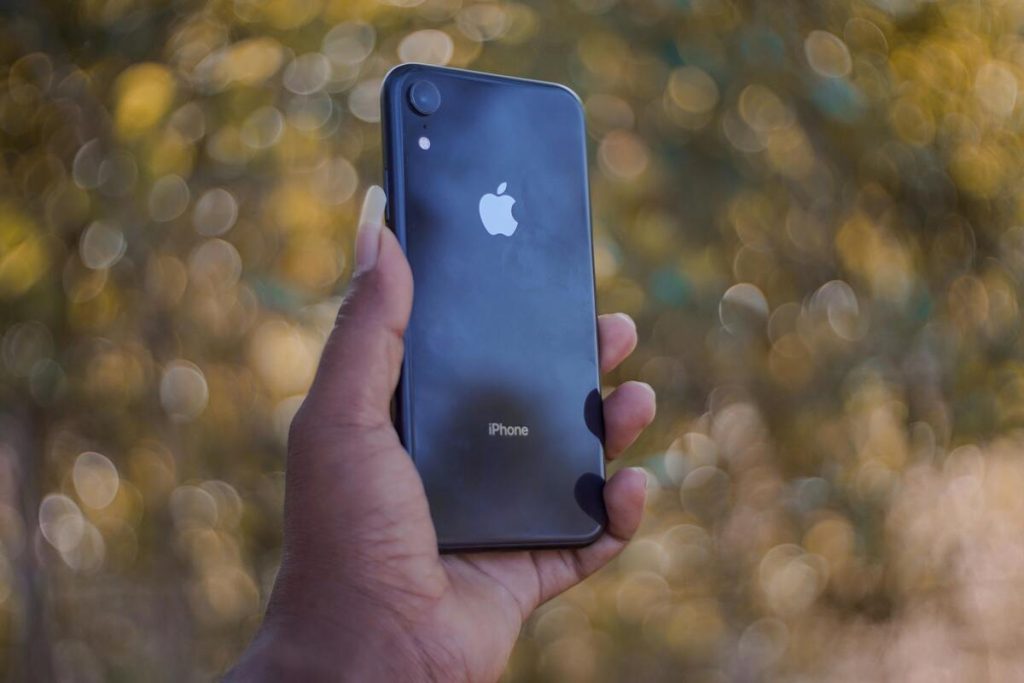
Apple changed mobile connectivity when it introduced eSIM support to the iPhone lineup. Instead of relying only on a removable plastic SIM card, users could begin activating service digitally on supported models.
That shift now leads many people to ask: what was the first iPhone with eSIM, and is an older eSIM iPhone still worth buying today?
The answer matters for shoppers looking for affordable used iPhones, travelers who want flexible activation, or anyone trying to move away from physical SIM cards.
1. First iPhone With eSIM: The Model That Started It All
The first iPhone with eSIM was introduced in 2018. These models marked the beginning of Apple’s digital SIM era by allowing users to combine a physical SIM with an eSIM in many supported regions.
For many Apple users, the first iPhone support eSIM was an important turning point because it introduced features that later became standard across newer models.
Apple’s move toward eSIM was likely driven by convenience and long-term hardware simplification.
eSIM helped support:
- Easier carrier activation without mailing SIM cards
- Dual-line use for work and personal numbers
- Better travel flexibility with digital plans
- Less dependence on physical trays and removable parts
It also aligned with Apple’s broader trend of reducing ports, moving parts, and physical components where possible.


>>> Read more: Does iPhone SE 3rd Gen Have eSIM? What You Need to Know Before Using It
2. What Is the Oldest iPhone That Will Take an eSIM?
The oldest iPhones with eSIM support are generally:
- iPhone XS
- iPhone XS Max
- iPhone XR
So if you need the most affordable entry point into Apple’s eSIM ecosystem, these models are where many buyers start.
That makes the first iPhone with eSIM lineup still relevant today for budget-conscious users.
However, carrier support, battery condition, and software lifespan should still be considered when buying older devices.
3. How eSIM Support Expanded Across Later iPhone Models
After the first iPhone with eSIM, Apple continued expanding digital SIM support across nearly every major release.
iPhone 11 to iPhone 13 Series
The iPhone 11, iPhone 12, and 13 series helped make eSIM more mainstream.
These generations offered:
- Better battery life than older models
- Improved cameras
- Faster processors
- Continued dual-line eSIM support on many models
For many buyers, the iPhone 11 became one of the best-value older eSIM iPhones.
iPhone 14 and Newer Models
With the iPhone 14 lineup, Apple pushed eSIM even further in some markets. In the United States, certain iPhone 14 models launched without a physical SIM tray.
That meant users activated service digitally by default.
This was a major sign that the first iPhone with eSIM was only the beginning of a larger transition.
4. Is Buying an Older eSIM iPhone Still Worth It Today?
In many cases, yes, especially for users who want Apple features without flagship pricing.
Some strong value options include:
iPhone XR
Still one of the most affordable ways to own the first iPhone with eSIM generation. Good for everyday use, calling, messaging, and moderate app usage.
iPhone 11
Often considered the sweet spot between price and performance. Better camera and battery than XR, with solid long-term usability.
iPhone SE 2020
Ideal for users who prefer a smaller design and Touch ID. Strong processor in a compact form factor.
Older eSIM iPhones can still make sense if:
- You do not need the newest camera system
- You want lower cost entry into iPhone
- You mainly use standard apps and daily features
- You want eSIM support without buying new flagship models
>>> Read more: How Many eSIMs Can I Have? Device Limits Explained for iPhone and Android
5. AirTalk Wireless eSIM Makes Everything Easier for Eligible Users
For some users, choosing the right phone is only half the equation. Affordable service and device access matter just as much.
That is why some eligible households explore Lifeline-supported options. For eligible households, the federal Lifeline program can help reduce the cost of staying connected.
AirTalk Wireless provides participating services as an Eligible Telecommunications Carrier (ETC).
Depending on qualifications, state availability, and current offers, some users may explore:
- Smartphone + service options
- Monthly talk, text, and data plans
- Select compatible devices that support modern features such as eSIM
For someone considering the first iPhone with eSIM or a newer model, pairing the right device with affordable service can make the transition much easier.
Important Rules Apply
- Only eligible consumers may enroll
- Service is non-transferable
- Only one discount per household is allowed
How the Process Typically Works
The process on AirTalk Wireless usually includes:
- Step 1: Checking eligibility based on income or participation in qualifying programs
- Step 2: Starting by entering your ZIP code on website
- Step 3: Selecting a device and plan if available
- Step 4: Uploading documents that verify eligibility
- Step 5: Completing the online application
- Step 6: Receiving the device and activating service
Availability varies by state, inventory, and qualifications.

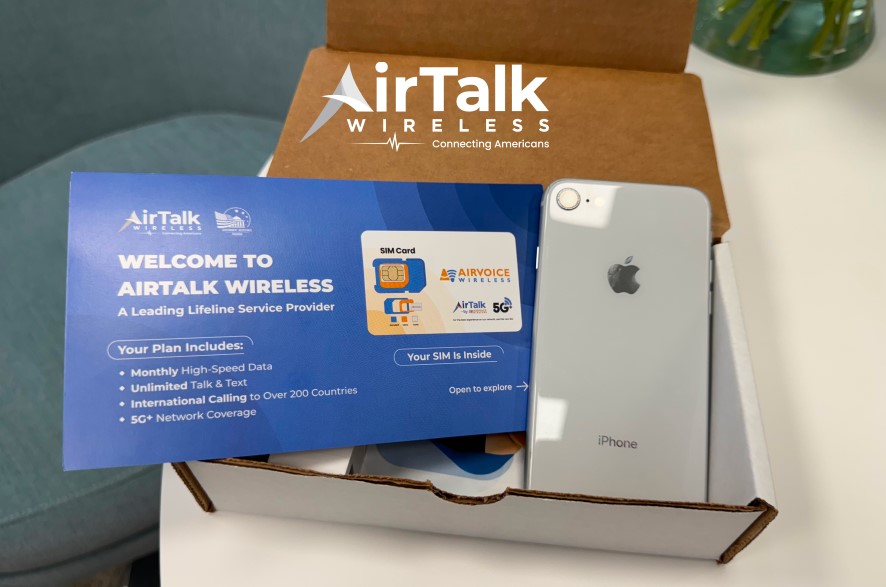
IMPORTANT: The government does not subsidize devices. Lifeline programs cover basic service costs only. Free or discounted devices, upgrade plans, or top-ups are exclusive benefits provided by AirTalk Wireless as part of our promotional offers. Terms and conditions apply. Limited-time promotion—offers vary by state, stock availability, and eligibility.
FAQs
What iPhone sold for $190000?
A customized luxury edition of the original iPhone, featuring precious materials, has reportedly sold at extremely high collector prices. These are specialty collector items, not standard retail models.
Do all iPhone SE models support eSIM?
No, not all of them do. Newer models such as iPhone SE (2nd generation) and later support eSIM in many regions, while the original iPhone SE does not offer the same support.
Is there eSIM in iPhone 14?
Yes. iPhone 14 models support eSIM, and in some markets certain versions launched without a physical SIM tray.
Final Thoughts
The first iPhone with eSIM was the iPhone XS, XS Max, and XR lineup, and those models started a major shift in how iPhones connect to mobile networks.
Since then, Apple has expanded eSIM support across nearly every new generation. Whether you buy an older iPhone XR, a balanced iPhone 11, or a newer model, eSIM can offer real convenience.For many users today, the first iPhone with eSIM is no longer just history, it is still a practical starting point.