


As eSIM becomes more common, people are no longer asking whether their phone supports it, they want to know how many eSIMs can I have. That question matters for travelers, business users, dual-number setups, and anyone comparing new phones.
Different iPhone and Android models support different numbers of stored and active eSIM profiles. This guide explains those limits clearly, so you can make the most of your device without confusion.
1. How Many eSIMs Can I Have?
The short answer: it depends on your device and what you mean by “have.”
Most eSIM-compatible phones let you store multiple eSIM profiles, but only use a limited number at the same time. In other words, your phone can save several plans from different carriers, but typically only one or two lines can be active simultaneously.
For example, if you travel, you might keep eSIM profiles for different countries and switch between them when needed.
So instead of just asking how many eSIMs can I have, it’s more useful to understand how many your device can store vs. how many it can actively use at once.


2. Why eSIM Limits Are Different From Physical SIM Cards
Physical SIM cards are limited by tray space. If a phone has one tray, you use one SIM. If it has dual trays, you use two.
eSIM works differently because profiles are digital. Instead of inserting hardware, the phone stores carrier credentials internally.
That creates more flexibility. A device can often store multiple eSIM plans without needing extra slots. However, carriers and phone software still control how many lines can be active together.
3. iPhone eSIM Capacity vs Android eSIM Capacity
When asking how many eSIMs can I have, the answer can differ significantly between Apple and Android devices.
iPhone Users
Many newer iPhones support multiple stored eSIM profiles. On supported models, users can often keep several plans saved and activate one or more depending on generation and region.
Newer iPhones also made dual eSIM use more common, especially for users who want personal and work numbers or travel flexibility.
For someone comparing Apple devices, the practical question is often whether the phone supports:
- Multiple stored profiles
- Dual active lines
- Easy switching between plans
This is one reason eSIM has become popular with iPhone users.
Android Users
Android devices vary more by brand and model.
Some premium Samsung, Google Pixel, and flagship Android phones support multiple stored eSIMs and dual-line setups. Other midrange or entry devices may support only one eSIM profile or limited activation options.
That means how many eSIMs can you have on Android depends less on Android itself and more on the exact phone you buy.
Checking the specific model is more important than checking the brand name.
4. Stored eSIMs vs Active eSIMs: The Most Common User Mistake
One of the biggest misunderstandings around how many eSIMs can I have is assuming stored profiles equal active lines.
They are not the same thing. A phone may let you store multiple eSIM plans for convenience. That helps if you switch carriers often or travel internationally.
But active lines are different. Many phones only allow one or two lines running at the same time for calls, texts, and data.
This mistake often happens when buyers assume “supports many eSIMs” means all of them can run together. In reality, storage and simultaneous use are separate limits.
5. How to Check Your Phone’s Real eSIM Limit Before Buying
Before purchasing a phone for eSIM use, it helps to verify actual capabilities instead of relying on marketing summaries.
Start with the manufacturer’s specification page. Look for wording around dual SIM, eSIM support, and simultaneous line use.
Then check your carrier. Some phones support eSIM technically, but certain carriers limit features or activation methods.
Finally, consider your real needs:
- Need one main line only? Basic eSIM support may be enough.
- Need work + personal numbers? Look for dual active support.
- Travel often? Prioritize multiple stored profiles with easy switching.
For buyers asking how many eSIMs can I have, the best phone is the one that matches your usage pattern, not the one with the biggest number on paper.
>>> Read more: How to Delete eSIM on Samsung: Safe Removal Steps Before You Switch Carriers
6. Claim a New eSIM For Free Here!
When you’re comparing devices and asking how many eSIMs can I have, it often leads to a bigger realization. Your current phone might be holding you back.
Older or carrier-locked devices can limit how smoothly eSIM works, especially if they don’t support newer dual-line features.
In that case, instead of trying to manage around those limits, it may be more practical to start fresh with a device that’s fully optimized for eSIM.
Explore Affordable eSIM Options with AirTalk Wireless
For those focused on affordability, AirTalk Wireless is one option worth considering. As a trusted provider participating in the federal Lifeline program, AirTalk helps eligible users access wireless service at a lower cost.
Depending on your qualifications, location, and current availability, you may be able to explore:
- Smartphones that support modern eSIM features
- BYOD (Bring Your Own Device) options for compatible unlocked phones
- Monthly plans with talk, text, and data
- More budget-friendly ways to stay connected
Step-by-Step: How to Apply for Free Phones on AirTalk Wireless
Getting started is straightforward and can be done online in just a few steps:
- Step 1: Check Your Eligibility
Confirm if you qualify based on income or participation in approved programs.
- Step 2: Enter Your ZIP Code
View available plans, devices, and offers in your area.
- Step 3: Choose Your Plan or Device
Select a compatible phone or bring your own device.
- Step 4: Upload Verification Documents
Submit the required documents to verify your eligibility.
- Step 5: Complete Your Application
Fill out and submit your application online.
- Step 6: Get Approved & Activate Service
Once approved, receive your device (if applicable) and activate your service.
Availability may vary by state, inventory, and current offers, so it’s best to check what’s available in your area.

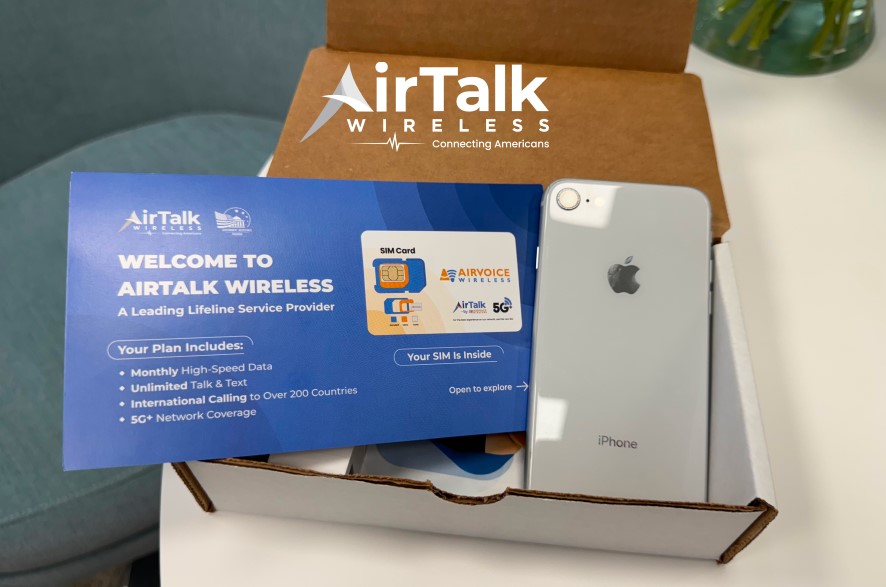
IMPORTANT: The government does not subsidize devices. Lifeline programs cover basic service costs only. Free or discounted devices, upgrade plans, or top-ups are exclusive benefits provided by AirTalk Wireless as part of our promotional offers. Terms and conditions apply. Limited-time promotion—offers vary by state, stock availability, and eligibility.
FAQs
Can I Have Two eSIMs at the Same Time?
Yes, many newer devices support two active eSIM lines at once, though this depends on the exact model and region.
How Many eSIMs Can You Have on Android?
It varies by manufacturer and model. Some premium Android devices support multiple stored profiles and dual active use, while others are more limited.
How Many eSIMs can I Have on iPhone 16?
Newer iPhone generations such as iPhone 16 may support multiple stored eSIM profiles and dual active lines, depending on model and region settings. Checking Apple specifications is the best way to confirm exact limits.
Final Thoughts
So, how many eSIMs can I have? The real answer depends on your phone, your carrier, and whether you mean stored profiles or active lines.
Many modern phones can store several eSIM plans, but only a limited number may run at once. That is why checking real-world capability matters more than assuming all devices work the same.
Whether you use iPhone or Android, understanding these limits helps you choose smarter and use eSIM more effectively.