


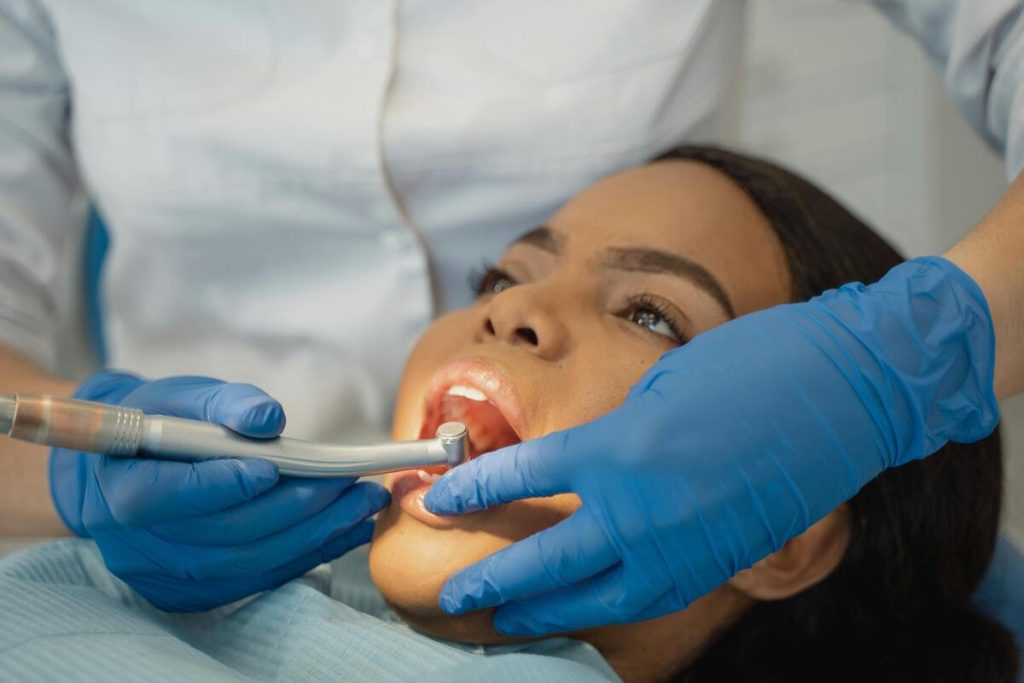
Dental care is one of the most commonly delayed forms of healthcare in the U.S. Especially for adults with limited income. Cleanings, fillings, extractions, and dentures can quickly become unaffordable, leading many people to search for free dental work for low-income adults.
But what does “free” really mean? And what realistic options exist when cost is the biggest barrier? This article breaks down why dental care is often out of reach, what low-income adults can do when they cannot afford treatment, and which programs may actually help.
1. Why Dental Care Is Often Unaffordable for Low-Income Adults?
Dental care is expensive largely because it operates outside the core structure of most public health programs. Unlike medical care, adult dental services are not always included in standard insurance coverage, especially for government programs.
For low-income adults, common barriers include:
- Lack of dental insurance or limited coverage
- High out-of-pocket costs for basic procedures
- Few providers accepting low-cost or public plans
- Delaying care until problems become emergencies
As a result, untreated dental issues often worsen over time. Pain, infection, and tooth loss can interfere with work, nutrition, and overall health, making the search for free dental work for low-income adults not just about savings, but about quality of life.


When people search for free dental work for low-income adults, they often expect no-cost treatment with no conditions. In reality, “free” dental care usually means:
- Services provided at no cost through special programs, clinics, or events
- Treatment offered in exchange for meeting specific eligibility criteria
- Reduced-cost or sliding-scale services that eliminate financial barriers
Understanding “What makes you qualify for free dental care?” is essential. Eligibility is often based on income level, household size, insurance status, or participation in assistance programs. Free care is usually limited to essential services rather than comprehensive cosmetic treatment.
>>> Read more: Emergency Dentist That Take Medicaid: How to Get Urgent Dental Care When You Need It Most
2. What to Do When You Can’t Afford Dental Treatment?
If you’re asking “What to do when you can’t afford dental treatment?”, the most important step is to avoid waiting until the problem becomes urgent.
Start by:
- Identifying the most critical dental need (pain, infection, broken tooth)
- Gathering income and assistance documentation
- Exploring multiple low-cost options instead of relying on one source
Low-income adults often need to combine resources to get care, such as clinics, schools, and assistance programs, to address immediate needs first and plan long-term treatment later.
Government-supported dental options for low-income adults
Some government-supported programs provide dental services to low-income adults, though coverage varies widely by state and program type.
Examples may include:
- Community health centers offering dental care on a sliding-fee scale
- State or local public health dental clinics
- Limited adult dental benefits through Medicaid (depending on state)
These programs typically prioritize medically necessary dental care, such as extractions, infection treatment, or pain relief. While they may not cover all procedures, they can be a key pathway toward free dental work for low-income adults who qualify.
Dental schools: A legitimate option for affordable treatment
Dental schools are one of the most underutilized, but legitimate, options for low-income adults who cannot afford private dental care.
At dental schools:
- Care is provided by supervised students
- Costs are significantly reduced
- Appointments may take longer but follow strict safety standards
Services commonly offered include cleanings, fillings, extractions, and dentures. For many patients asking “What to do when you can’t afford dental treatment?”, dental schools provide high-quality care at a fraction of the usual cost.
Availability depends on location, and wait times can vary, but dental schools remain a reliable option for affordable treatment.
3. Why Access to Information Matters for Dental Care?
Finding dental care is not just about money, it’s also about access to information. Many low-income adults miss out on available dental programs because:
- They don’t know where to look
- Application deadlines are missed
- Clinic hours or eligibility rules are misunderstood
This is especially true for temporary programs, free dental events, or clinics with limited capacity. Staying informed and reachable can make the difference between getting care and missing an opportunity.
4. Free Phone Options for Low-Income Adults Through Lifeline
For low-income households, communication access plays a practical role in securing dental care. Clinics, dental schools, and assistance programs often rely on phone contact to:
- Confirm eligibility
- Schedule or reschedule appointments
- Notify patients of open slots or waitlist movement
Through the federal Lifeline, eligible low-income adults can access phone service support delivered by participating providers such as AirTalk Wireless.
For people actively searching for free dental work for low-income adults, staying connected increases the chance of securing care when opportunities arise.


5. Why Timing and Follow-Up Matter?
Dental clinics that serve low-income adults often operate with limited staff, limited funding, and long waitlists. Appointment slots, especially for low-cost or free services, are usually filled on a first-available basis. When a patient misses a call or does not respond quickly, that slot is often offered to the next person waiting.
This can happen more easily than many people expect.
Clinics may call during business hours, leave short response windows, or contact patients only once before moving on. In some cases, failing to confirm an appointment or respond to a scheduling message can result in being pushed back on a waitlist or removed entirely.
Consistent communication access allows individuals to:
- Confirm appointments promptly when slots open
- Adjust schedules if clinics offer last-minute cancellations
- Stay active on waitlists instead of losing their place
For people searching for free dental work for low-income adults, timing and follow-up are just as important as eligibility. Being reachable and responsive can significantly improve the chances of receiving care in systems where demand far exceeds availability.
Final Thoughts
Accessing free dental work for low-income adults is challenging, but not impossible. While truly “free” care is limited, a combination of government-supported clinics, dental schools, and assistance programs can help address essential dental needs.
Understanding What makes you qualify for free dental care?, knowing What to do when you can’t afford dental treatment?, and staying informed about available options are critical steps. Just as important is maintaining reliable communication, which helps individuals act quickly when opportunities for care appear.
With the right approach and persistence, low-income adults can find realistic paths to dental treatment, even when cost is the biggest barrier.