


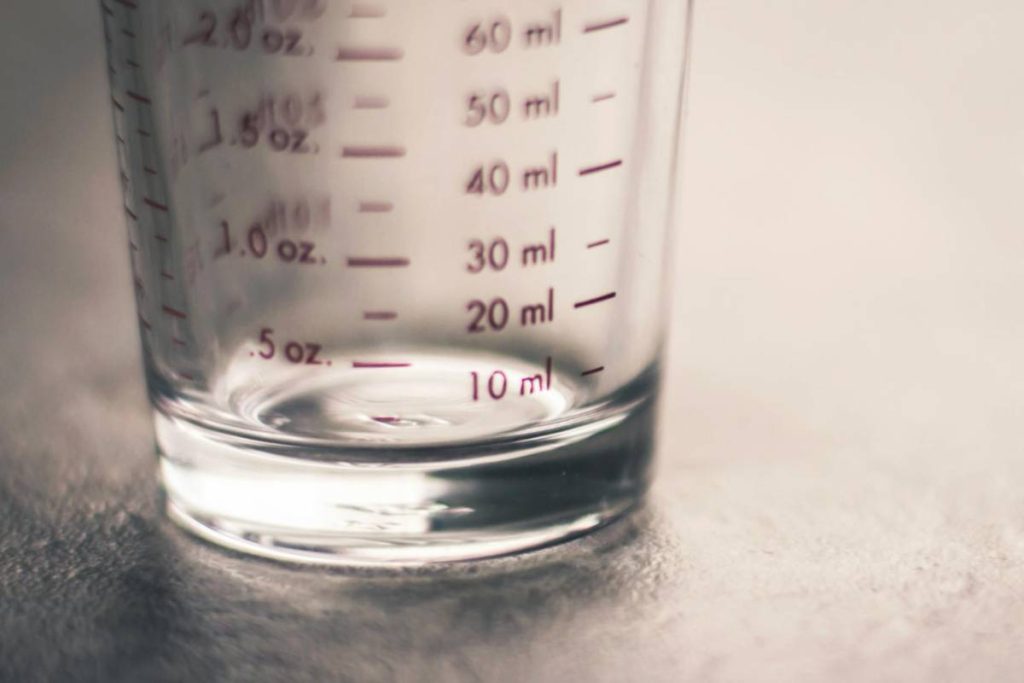
Wondering how many oz in a cup? The quick answer is that 1 US cup equals 8 fluid ounces when measuring liquids. However, the answer can change depending on whether you are measuring liquid ingredients or dry ingredients by weight.
Understanding the difference between fluid ounces and dry ounces can help you follow recipes more accurately and avoid common kitchen measurement mistakes. This guide explains the conversions, formulas, and differences you need to know.
1. How Many Oz in a Cup?
The answer to how many ounces in a cup depends on whether you are measuring liquids or dry ingredients. For standard US liquid measurements, 1 cup equals 8 fluid ounces (fl oz).
However, dry ounces measure weight, so the amount can vary depending on the ingredient’s density.
| Measurement Type | 1 Cup Equals |
| Liquid measurement (US cup) | 8 fluid ounces (fl oz) |
| Dry ingredients (by weight) | Varies by ingredient |
| Metric cup | About 8.45 fluid ounces (250 mL) |
| UK imperial cup | About 10 fluid ounces |
2. Liquid Ounces vs Dry Ounces: Why Measurements Differ
When asking how many oz in a cup, it is important to know whether you are measuring a liquid or a dry ingredient. The main reason measurements can be confusing is that fluid ounces measure volume, while dry ounces usually measure weight.
Liquid Ounces Measure Volume
Fluid ounces (fl oz) measure how much space a liquid takes up. In the US measurement system:
1 US cup = 8 fluid ounces
This conversion works for liquids such as:
- Water
- Milk
- Juice
- Cooking oil
- Broth
Because liquids generally have consistent volume measurements, how many fl oz in a cup recipes can use cups and fluid ounces interchangeably when measuring these ingredients.
Dry Ounces Measure Weight
Dry ounces measure the weight of an ingredient rather than how much space it occupies. Since different ingredients have different densities, 1 cup does not always equal the same number of ounces by weight.
For example:
- 1 cup of flour weighs less than 1 cup of sugar.
- 1 cup of chocolate chips weighs differently from 1 cup of rice.
This is why baking recipes often recommend using a kitchen scale for ingredients measured in ounces. A cup measures volume, but the weight in ounces depends on the ingredient itself.
Understanding how many oz are in a cup prevents one of the most common kitchen measurement mistakes: assuming that every cup equals 8 ounces. The 8-ounce conversion applies to fluid ounces, not all dry ingredients.


>>> You might be interested in: How Many Oz in a Pint? Essential Facts for Easy Conversions
3. How to Convert Cups to Ounces Easily? Cups to Ounces Conversion Chart
Converting cups to ounces is simple when you are working with liquid measurements. Since 1 US cup equals 8 fluid ounces, you can multiply the number of cups by 8 to get the equivalent amount in fluid ounces.
Formula:
Cups × 8 = Fluid ounces (fl oz)
For example:
- 2 cups × 8 = 16 fl oz
- 3 cups × 8 = 24 fl oz
- ½ cup × 8 = 4 fl oz
For quick conversions, you can use the following how many oz are in a cup reference:
| Cups | Fluid Ounces (fl oz) |
| ¼ cup | 2 fl oz |
| ⅓ cup | About 2.7 fl oz |
| ½ cup | 4 fl oz |
| ⅔ cup | About 5.3 fl oz |
| ¾ cup | 6 fl oz |
| 1 cup | 8 fl oz |
| 1½ cups | 12 fl oz |
| 2 cups | 16 fl oz |
| 4 cups | 32 fl oz |
This conversion chart is most useful for liquids such as water, milk, oil, or broth. For dry ingredients, the number of ounces can change because ounces may refer to weight rather than volume.
For example, 1 cup of flour and 1 cup of sugar will not have the same weight in ounces.
>>> Also read: How Many Tablespoons in a Cup? Fastest Answer and Conversions for 2026
4. Is 1 Cup Always 8 Ounces?
A common kitchen shortcut is that 1 cup equals 8 ounces, but this is only true for a US cup measuring liquid volume. Cup sizes can vary depending on the measurement system used, so the answer to how many oz in a cup may change between countries.
- US cup = 240 mL = 8 fl oz
- Metric cup = 250 mL = About 8.45 fl oz
- UK imperial cup = 284 mL = About 10 fl oz
Most US recipes use the US cup measurement, meaning 1 cup of liquid equals 8 fluid ounces. However, recipes from other countries may use metric or imperial measurements, which can slightly change the amount.
This difference is especially important when following international recipes. A small variation may not matter for everyday cooking, but precise measurements are more important for baking, where ingredient ratios can affect the final result.
It is also worth remembering that these conversions apply to volume measurements. Dry ingredients still need to be measured by weight when accuracy matters, because 1 cup of one ingredient may not weigh the same as 1 cup of another.

5. Conclusion
When asking how many oz in a cup, the quick answer is 8 fluid ounces for a standard US cup of liquid. However, the exact measurement depends on whether you are working with liquids, dry ingredients, or a different cup system.
Understanding these differences makes recipe conversions easier and helps prevent common measurement mistakes. Once you know the basic conversions, adjusting ingredients becomes much simpler for cooking and baking.
Follow AirTalk Wireless to explore more helpful tips like this and make everyday tasks simpler.
FAQs
How many oz is 1/2 cup?
A ½ cup equals 4 fluid ounces (fl oz) when measuring liquids using the US cup system. Since 1 cup equals 8 fluid ounces, you can divide the amount in half. For dry ingredients, the weight in ounces depends on the specific ingredient.
Is 1 cup 8 or 16 oz?
1 cup equals 8 fluid ounces for liquid measurements in the US system. However, 16 ounces equals 2 cups, not 1 cup. The confusion often comes from confusing cups (volume) with ounces (weight), which measure different things.
Is 16 oz 1 or 2 cups?
For liquid measurements, 16 fluid ounces equals 2 cups because one US cup contains 8 fluid ounces. However, if “ounces” refers to weight, the conversion can vary depending on the ingredient being measured.
How many ounces are in 8 cups?
In US liquid measurements, 8 cups equal 64 fluid ounces. The calculation is simple: 8 cups × 8 fluid ounces per cup = 64 fl oz. For dry ingredients, the total weight in ounces depends on the ingredient’s density.