


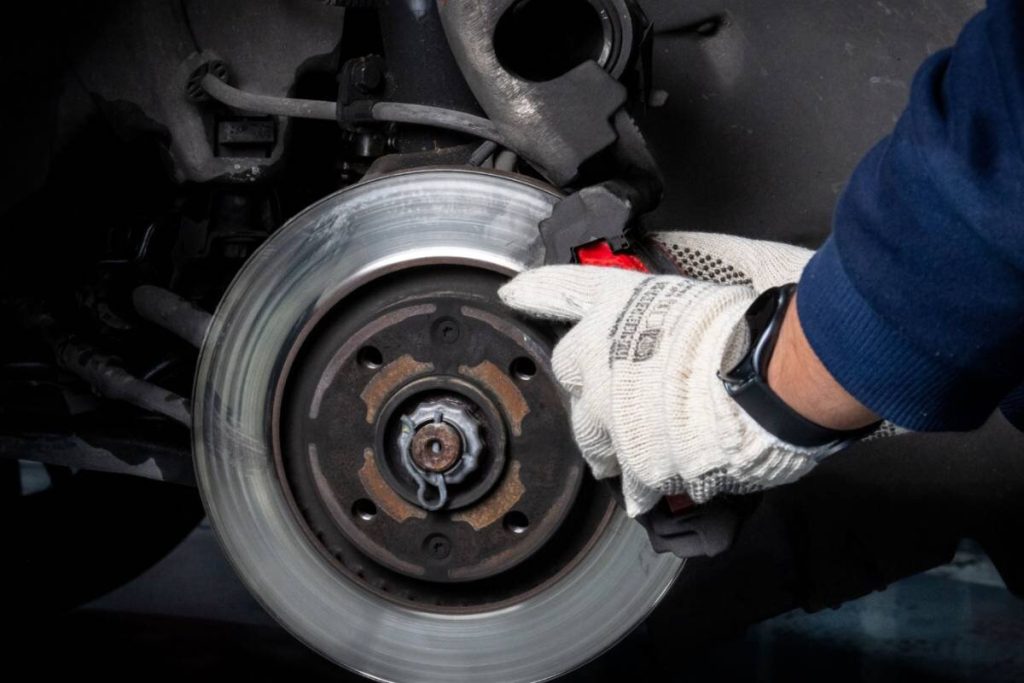
Few car noises are as noticeable as a high-pitched brake squeal. Sometimes the sound appears only in the morning and disappears after a few stops. Other times, it continues every time you press the brake pedal, making it difficult to ignore.
Brake squeaks can be caused by something as simple as moisture on the rotors or as serious as worn brake pads that need immediate attention. Because the same symptom can have multiple causes, the first step is identifying where the noise is coming from and when it occurs.
This guide explains how to fix squeaky brakes, the most common reasons brakes make noise, and which solutions are safe to handle yourself versus those that require professional repair.
1. Why Your Brakes Are Squeaking? Explore Possible Reasons
Before attempting any repair, it’s important to understand why the noise is happening. Brake squeaks can originate from several different sources, and the correct fix depends on identifying the underlying cause.
While this article focuses primarily on vehicle brakes, many of the same principles apply to people researching how to fix squeaky bike brakes or how to fix squeaky brakes on bike systems. In both cases, noise is often caused by contamination, wear, moisture, or poor contact between braking surfaces.
Worn Brake Pads
One of the most common causes behind searches for how to fix squeaky brakes is worn brake pads. As the friction material becomes thinner, the pads may begin producing a high-pitched squeal designed to alert drivers that replacement is needed.
Many brake pads include a built-in wear indicator designed to produce a high-pitched squeal when the pad material becomes too thin. This sound serves as an early warning that replacement may be necessary.
Signs of worn brake pads include:
- Persistent squealing during braking
- Reduced braking performance
- Longer stopping distances
- Visible thinning of the pad material
Ignoring worn pads can eventually lead to rotor damage, resulting in more expensive repairs.


Glazed Brake Pads or Rotors
Brake components can become glazed when excessive heat hardens the surface of the pads or rotors. This often happens when:
- Brakes are used aggressively
- Vehicles frequently tow heavy loads
- Brakes overheat during long downhill descents
Glazed surfaces reduce friction and may create a squealing or squeaking sound during braking. In some cases, resurfacing or replacing the affected components may be necessary to restore proper performance.
Moisture and Rust Buildup
Not every brake squeak indicates a problem. After rain, washing your vehicle, or overnight exposure to humidity, a thin layer of moisture or surface rust can develop on the rotors. This may cause temporary squeaking when you first begin driving, which is a common situation people search for when learning how to fix squeaky brakes.
Typical characteristics include:
- Noise only during the first few stops
- Sound disappears as brakes warm up
- No noticeable loss of braking performance
This type of squeak is generally considered normal.
Dust or Debris in the Brake System
Brake systems are constantly exposed to dirt, dust, moisture, sand, and other road debris. Over time, these contaminants can accumulate around the brake pads and rotors, creating friction where it shouldn’t occur.
When small particles become trapped between braking surfaces, they can produce a variety of noises, including squealing, chirping, or even light grinding sounds. In many cases, the brakes themselves are still functioning properly, but the contamination creates vibrations that become audible when braking.
This issue is not limited to cars. Cyclists often encounter the same problem, which is why cleaning the braking system is one of the first troubleshooting steps recommended for anyone researching how to fix squeaky bike brakes. Regular cleaning and inspection can help remove buildup before it leads to persistent noise or accelerated component wear.
Cheap or Low-Quality Brake Pads
Brake pad quality can have a significant impact on both braking performance and noise levels.
Lower-cost brake pads often use harder friction materials that may be more prone to vibration during braking. While these pads can still stop a vehicle effectively, they frequently generate more noise than premium alternatives designed with additional noise-reduction features.
In some situations, lower-quality brake pads may also produce excessive brake dust, wear unevenly, or create persistent squealing even when the braking system is otherwise in good condition. This can make it difficult to determine whether the noise is caused by a mechanical issue or simply the characteristics of the pad material itself.
If squeaking continues after cleaning and inspecting the brakes, the quality and condition of the brake pads may be worth evaluating. Upgrading to higher-quality pads can sometimes reduce noise while also providing smoother and more consistent braking performance.
2. How to Fix Squeaky Brakes at Home (When It’s Safe to DIY)
Not every brake squeak requires professional repair. If the braking system is otherwise functioning normally and the noise is caused by dirt, contamination, or minor wear, there are several maintenance steps you may be able to perform yourself.
However, if you notice grinding noises, severe vibration, warning lights, or reduced stopping power, skip the DIY approach and have the brakes inspected immediately.
Cleaning the Brake Components
Cleaning the brake system is often the easiest fix to try before replacing any parts. Over time, brake dust, road grime, sand, and other contaminants can accumulate on the pads, rotors, and surrounding components.
As these materials build up, they can create vibrations that produce squealing or chirping noises when the brakes are applied.
For vehicles, the process typically involves removing the wheel, inspecting the brake assembly, and spraying the affected components with a brake cleaner specifically designed for automotive systems. Once the cleaner has evaporated and the parts are dry, reassemble everything and test the brakes.
Bicycles can experience similar issues. In many cases, cleaning the brake rotor and pads with isopropyl alcohol is enough to eliminate noise caused by contamination. Regardless of the vehicle type, avoid using oil-based cleaners or lubricants on braking surfaces, as they can reduce friction and compromise braking performance.
Applying Brake Lubricant
Not all brake squeaks are caused by dirt or worn parts. Sometimes the noise comes from vibration between metal components within the brake assembly.
In these situations, brake lubricant can help dampen those vibrations and reduce unwanted noise. However, proper application is critical. Brake lubricant is intended for contact points such as caliper hardware, backing plates, and mounting clips where metal parts move against each other during braking.
It should never be applied to the brake pads, rotors, or any surface responsible for generating friction. Applying lubricant to those areas can significantly reduce stopping power and create a serious safety risk.
When used correctly, a small amount of brake lubricant can improve brake operation and help eliminate squealing caused by vibration.


Replacing the Brake Pads
If cleaning and lubrication fail to solve the problem, worn brake pads may be the underlying cause. As brake pads age, the friction material gradually wears down and can become glazed, uneven, or less effective at absorbing vibration. These conditions often lead to persistent squeaking that won’t disappear with basic maintenance.
Replacing the pads is usually the most reliable long-term solution when excessive wear is present. During the replacement process, it’s also a good idea to inspect the rotors for scoring, uneven wear, or other signs of damage that could affect braking performance.
Some manufacturers also recommend replacing hardware, such as clips and shims, at the same time to ensure proper fit and operation.
After installation, new pads should be properly bedded in according to the manufacturer’s instructions. This process helps transfer an even layer of friction material to the rotor surface, improving performance and reducing the likelihood of future brake noise.
In many cases, replacing worn pads not only eliminates squeaks but also restores smoother, more consistent braking.
>>> Read more: How to Check Oil Level in Car: Step-by-Step Guide for Beginners
3. When You Should Take Squeaky Brakes to a Mechanic
While many causes of brake noise can be addressed at home, how to fix squeaky brakes sometimes requires professional diagnosis, particularly when the problem involves worn rotors, damaged calipers, or hydraulic issues.
Schedule a brake inspection if you notice:
- Grinding sounds
- Metal-on-metal noises
- Brake vibration or pulsation
- Reduced stopping power
- Pulling to one side while braking
- Dashboard brake warnings
- Persistent squealing after cleaning
A mechanic can determine whether the issue involves:
- Brake pads
- Rotors
- Calipers
- Brake hardware
- Hydraulic components
Many drivers also wonder how much does it cost to fix squeaky brakes. The answer depends on the underlying cause:
| Repair | Typical Cost Range |
| Brake cleaning service | $50–$150 |
| Brake pad replacement | $150–$400 per axle |
| Pad and rotor replacement | $300–$800+ per axle |
| Caliper replacement | $250–$900+ |
| Full brake system repair | Varies significantly |
Simple cleaning or pad replacement is often enough to resolve brake squeaks. However, delaying repairs when components are worn can lead to rotor damage and substantially higher repair costs later.
4. How to Prevent Brake Squeaks in the Future
While not every brake squeak can be avoided, regular maintenance can significantly reduce the chances of recurring noise.
A few preventive measures can also extend the life of your braking components and improve overall performance.
Keep Brake Components Clean
Brake dust, road grime, and debris naturally accumulate over time.
Periodic cleaning helps prevent contaminants from becoming trapped between the pad and rotor, which is one of the most common causes of squealing.
This is particularly important for bicycles and vehicles that are frequently exposed to:
- Mud
- Rain
- Dusty roads
- Off-road conditions
Avoid Excessive Brake Heat
Repeated hard braking can generate enough heat to glaze brake pads and rotors. Heat buildup is one of the key factors to consider when learning how to fix squeaky brakes, since overheated components are more likely to develop noise issues.
To reduce heat buildup:
- Maintain safe following distances
- Brake gradually when possible
- Avoid riding the brakes on long descents
- Use lower gears when driving downhill
Reducing unnecessary heat can help preserve braking performance and prevent squeaks caused by glazing.
Inspect Brake Pads Regularly
Brake pads wear gradually, making it easy to overlook their condition.
Regular inspections allow you to catch:
- Uneven wear
- Cracks
- Glazing
- Low pad thickness
Replacing pads before they become excessively worn is often the easiest way to avoid noise-related problems.
Use Quality Replacement Parts
Cheaper brake pads sometimes contain harder friction materials that naturally produce more noise.
Investing in quality components can provide:
- Quieter operation
- More consistent braking
- Better durability
- Reduced brake dust
The lowest-priced option is not always the most cost-effective in the long run.
Maintain Disc Brakes Properly
For drivers and cyclists researching how to fix squeaky disc brakes, prevention is often easier than repair.
Disc brake squeaks are commonly caused by:
- Contaminated rotors
- Dirty brake pads
- Moisture
- Improper bedding-in of new components
Keeping rotors clean, avoiding contamination from oils and lubricants, and following the manufacturer’s bedding-in procedure after installing new pads can greatly reduce the likelihood of future squeaks.
Conclusion
Brake squeaks are not always a sign of serious trouble, but they should never be ignored. Sometimes the cause is as simple as moisture, dust, or minor contamination. In other cases, the noise may indicate worn pads, glazed components, or parts that require replacement.
The key to how to fix squeaky brakes is identifying the underlying cause before attempting a solution. Cleaning brake components, replacing worn pads, and addressing contamination can often resolve the problem, while more serious issues may require professional attention.