


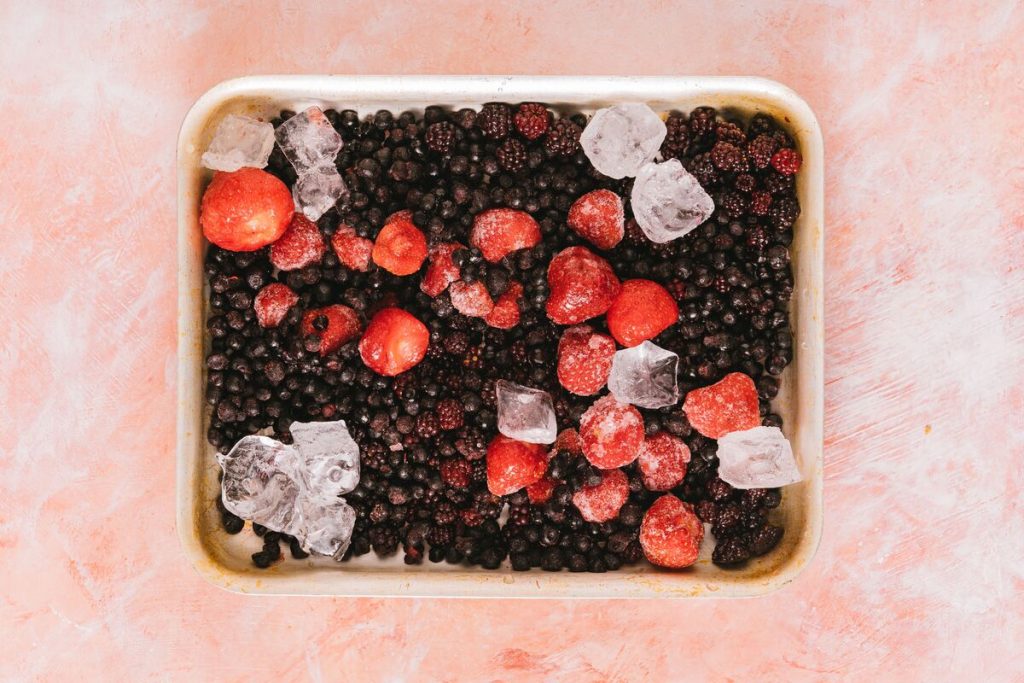
Freezing berries is one of the easiest ways to preserve seasonal fruit and reduce food waste. When stored correctly, frozen berries can maintain much of their flavor, color, and nutritional value for months.
However, simply placing fresh berries in a freezer bag is not always the best approach. Improper preparation can cause berries to freeze into one large clump, develop freezer burn, or lose their texture after thawing.
How to freeze berries? Here’s how to do it correctly to help you keep fruit ready for smoothies, baking, desserts, and everyday meals. The process is simple, but a few important steps can make a major difference in the final quality.
1. What to Do Before Freezing Berries?
Before freezing, berries need proper preparation to protect their quality. The first step is selecting berries that are fresh, ripe, and free from mold or damaged areas. Overripe berries may still be usable, but they often become softer after freezing and thawing.
Wash berries gently under cool running water if needed, then dry them thoroughly. Excess moisture can create ice crystals, which may affect texture and cause berries to stick together.


One of the most important parts of how to freeze fresh berries is making sure the fruit is completely dry before it goes into the freezer. Using a clean towel or paper towel to remove surface moisture can help maintain better texture.
To freeze berries without making them stick together, use a method called “flash freezing”.
- Spread berries in a single layer on a baking sheet lined with parchment paper and place them in the freezer for a few hours.
- Once the berries are individually frozen, transfer them into freezer-safe bags or containers.
This extra step prevents berries from forming one solid block because each piece freezes separately before storage. It also makes it easier to remove only the amount needed later instead of thawing the entire batch.
This preparation method is a key part of how to freeze berries because proper freezing is not only about lowering the temperature but also about protecting the texture, appearance, and usability of the fruit after storage.
When storing frozen berries, remove as much air as possible from freezer bags to reduce freezer burn.
Labeling the container with the date can also help track storage time and freshness.
2. How to Freeze Different Types of Berries Properly?
Different berries have different textures and water content, so preparation methods may vary slightly. Understanding these differences makes how to freeze berries more effective and helps you choose the right storage method.
Knowing how to freeze berries also means understanding that each type of fruit reacts differently during freezing. Firmer berries usually maintain their shape better, while softer berries may be better suited for smoothies, sauces, or baked recipes after thawing.
Strawberries, Blueberries, and Raspberries
Strawberries, blueberries, and raspberries are among the most commonly frozen berries, but each requires slightly different handling.
For strawberries, remove the stems before freezing. Larger strawberries can be sliced into smaller pieces, although whole strawberries often maintain better texture when used later in smoothies or cooked dishes.
Blueberries are one of the easiest berries to freeze because they are naturally firm and small. For people searching how to freeze blue berries, the process is straightforward: rinse if needed, dry completely, freeze in a single layer, and transfer into a sealed container.
Raspberries are more delicate because they have a softer structure. Handle them gently during washing and preparation to avoid crushing the fruit before freezing.
Frozen berries may become softer after thawing because ice crystals break down the structure of plant cells. This is normal and does not mean the fruit has spoiled. Softer thawed berries are often ideal for sauces, oatmeal, baking, and smoothies.


Wheat Berries
Although wheat berries are not traditional fruit berries, they are often discussed alongside freezing because freezing can help preserve stored grains.
When considering how long to freeze wheat berries to kill bugs, freezing is commonly used as a storage method to help control potential insect problems in dry goods. A longer freezing period may be recommended depending on storage conditions and the purpose of freezing.
Before freezing wheat berries, store them in an airtight container or freezer-safe bag to protect them from moisture and odors. Allow frozen wheat berries to return to room temperature before opening the container to reduce condensation.
Because wheat berries are a grain rather than a fruit, their freezing process and storage goals are different from strawberries, blueberries, or raspberries.
>>> Read more: How to Keep Avocados From Browning: 3 Proven Tips
3. How to Thaw and Use Frozen Berries?
Proper thawing can help maintain the best possible quality after freezing. The right method depends on how you plan to use the berries.
Thaw Frozen Berries Without Losing Texture
Many people notice that frozen berries become softer after thawing. This happens because freezing creates ice crystals inside the fruit. As these crystals expand, they can damage plant cell structures, causing berries to release water and lose some firmness.
This is why thawed berries rarely have exactly the same texture as fresh berries. However, proper handling can help reduce texture changes.
The goal of how to freeze berries is not to keep the fruit identical to fresh berries after thawing, but to preserve as much flavor, color, and nutritional value as possible while making the fruit convenient to use.
Instead of leaving berries at room temperature for a long time, thaw them slowly in the refrigerator when possible. Place them in a container to collect any liquid released during thawing.
For recipes where texture matters less, such as smoothies or sauces, berries can often be used directly from frozen. Avoid repeated freeze-thaw cycles because they create more texture breakdown and reduce overall quality.
Understanding this process is an important part of how to freeze berries because freezing preserves the fruit but does not completely stop natural texture changes.
Use Frozen Berries in Cooking and More
Frozen berries are extremely versatile and can be used in many ways. They work well in smoothies, baked goods, oatmeal, yogurt bowls, sauces, and homemade desserts.
For smoothies, using berries directly from the freezer can create a thicker texture without needing extra ice. For baking, frozen berries can often be added directly to recipes, although they may release additional moisture during cooking.
Some people also explore how to freeze dry berries because freeze-dried berries provide a lightweight snack option with a long shelf life. Freeze drying is different from regular freezing because it removes moisture through a specialized process rather than simply lowering the temperature.
For everyday home storage, traditional freezing is usually the simpler option and works well for preserving berries for regular cooking and meal preparation.
4. FAQs
How long do frozen berries last in the freezer?
Properly stored frozen berries can maintain good quality for many months. While they may remain safe longer when continuously frozen, flavor and texture are usually best when used within the recommended storage period for frozen foods.
Should berries be washed before freezing?
Berries can be washed before freezing, but they should be dried completely afterward. Excess moisture can create more ice crystals and affect texture.
Can you freeze berries in their original container?
Some berries can be frozen in original packaging, but freezer-safe containers or airtight bags usually provide better protection against freezer burn and moisture loss.
Can frozen berries be refrozen after they thaw?
Refreezing thawed berries is generally not recommended because repeated freezing and thawing can reduce texture and quality. If berries have been thawed safely and remain cold, they are often better used in cooked dishes or blended recipes.
>>> Read more: How to Freeze Bananas: The Best Way to Store Them for Later Use
Final Thoughts
Learning how to freeze berries properly can help you enjoy seasonal fruit throughout the year while reducing unnecessary waste. The most important steps are choosing fresh berries, removing excess moisture, using flash freezing to prevent clumping, and storing them in airtight containers.
Whether you are freezing strawberries for desserts, blueberries for smoothies, or raspberries for baking, proper preparation makes a noticeable difference. Frozen berries may not have exactly the same texture as fresh fruit after thawing, but they remain a convenient and flavorful ingredient for many recipes.
With the right technique, freezing berries becomes a simple way to keep fruit available whenever you need it.
To get more useful daily tips as well as news on government support, technology, and more, make sure you subscribe to AirTalk Wireless blog!