


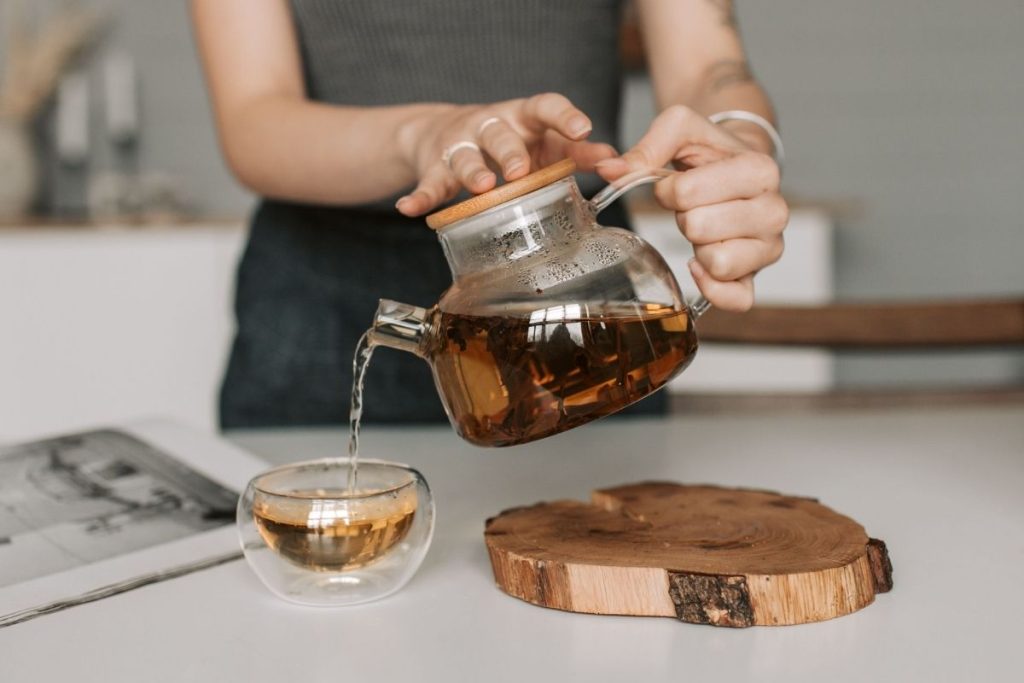
Tea can fit into pretty much any part of our day. A survey found that 46% of respondents in the U.S. reported drinking tea. Sometimes you want a strong cup of black tea to wake you up, and other times you’re reaching for a glass of iced tea when it’s warm out. Every type of tea has its own little quirks when it comes to brewing.
Once you figure out how to make tea the right way, you realize you’re getting so much more flavor out of the same leaves. There are a few tricks you can always come back to that make the whole process smoother and, honestly, more fun.
1. How To Make Tea Properly
Before exploring specific recipes, it helps to understand how to make tea properly. The right ingredients and brewing techniques can significantly improve the taste of any tea variety.
Choosing The Right Tea Leaves Or Tea Bags
When learning how to make tea, the quality of the tea itself plays a major role in the final flavor.
Loose-leaf tea is often preferred because it gives the leaves more room to expand and release flavor during brewing. However, tea bags remain a convenient and accessible option for everyday use.
Popular tea categories include:
- Black tea
- Green tea
- White tea
- Oolong tea
- Herbal tea
Choose a tea based on your flavor preferences and the type of drink you want to prepare.


Water Temperature And Steeping Time
As a general guide:
| Tea Type | Water Temperature | Steeping Time |
| Black Tea | 200–212°F | 3–5 minutes |
| Green Tea | 170–185°F | 2–3 minutes |
| White Tea | 175–195°F | 2–4 minutes |
| Oolong Tea | 185–205°F | 2–5 minutes |
| Herbal Tea | 212°F | 5–7 minutes |
Using water that is too hot can make certain teas taste bitter, while steeping for too short a time may result in weak flavor.
Common Tea Brewing Mistakes To Avoid
Several small mistakes can affect the quality of a cup of tea.
Common issues include:
- Using water that is too hot
- Steeping tea for too long
- Using stale tea leaves
- Reusing tea bags excessively
- Using poor-quality water
Proper water temperature and steeping time are among the most important factors influencing tea flavor.
2. How To Make Iced Tea At Home
Understanding how to make tea correctly before chilling it helps create a more flavorful iced tea.
Iced tea is one of the most popular tea drinks because it is easy to prepare and highly customizable. For anyone wondering how to make iced tea, the traditional hot-brew method remains the simplest approach.

Traditional Hot-Brewed Iced Tea Recipe
Ingredients:
- 4 tea bags
- 4 cups hot water
- Ice
- Lemon slices (optional)
- Sweetener (optional)
Instructions:
- Bring water to a near boil.
- Add the tea bags and steep for 3 to 5 minutes.
- Remove the tea bags.
- Allow the tea to cool slightly.
- Pour over a glass filled with ice.
- Add lemon or sweetener if desired.
This method creates a classic iced tea that works well with black tea, green tea, or herbal tea blends.
Best Teas For Iced Tea
Not every tea produces the same flavor when served cold. Popular choices include:
- Black tea
- Green tea
- Peach tea
- Hibiscus tea
- Lemon tea
Black tea remains one of the most commonly used options because it retains a bold flavor after chilling.
>>> Read more: Can You Buy Tea With EBT/SNAP Benefits?
3. How To Make Cold Brew Tea
Many people who learn how to make tea eventually try cold brewing because of its smoother flavor profile.
Cold brew tea has become increasingly popular because it produces a smoother, less bitter flavor than traditional hot brewing. If you’re curious about how to make tea with minimal effort, cold brewing is one of the easiest methods to try.
What Makes Cold Brew Tea Different
Unlike traditional tea preparation, cold brew tea is made by steeping tea leaves in cold water for an extended period rather than using hot water.
The slower extraction process typically creates a smoother flavor, less bitterness, lower perceived astringency and a naturally refreshing taste.
Simple Cold Brew Tea Method
Ingredients:
- 4 tea bags or 2 tablespoons loose-leaf tea
- 4 cups cold filtered water
Instructions:
- Place the tea in a pitcher or large jar.
- Add cold water.
- Cover and refrigerate.
- Let the tea steep for 6 to 12 hours.
- Remove the tea leaves or tea bags.
- Serve over ice if desired.
Green tea, white tea, and fruit-infused teas often work particularly well for cold brewing.
Longer steeping times generally produce a stronger flavor, while shorter steeping times create a lighter and more delicate result.
4. How To Make Ginger Tea
Ginger tea is a simple homemade drink known for its warm, spicy flavor and comforting aroma. For many people, ginger tea is one of the easiest recipes to start with because it requires only a few ingredients.
Ingredients And Preparation
To learn how to make ginger tea, you’ll need:
- 1 to 2 inches of fresh ginger root
- 2 cups water
- Honey or lemon (optional)
Instructions:
- Wash and slice the ginger into thin pieces.
- Bring water to a gentle boil.
- Add the ginger slices.
- Simmer for 10 to 15 minutes.
- Strain into a cup.
- Add honey or lemon if desired.
The longer the ginger simmers, the stronger the flavor will become.
Tips For Adjusting Flavor
Ginger tea is highly customizable depending on personal preference.
For a milder flavor, you can use less ginger or reduce the simmering time.
For a stronger flavor, you can add more ginger or simmer slightly longer.
Many people also add cinnamon, honey, lemon, or mint to create different flavor combinations while keeping the preparation simple.

>>> Read more: How to Clean Tea Kettle: Brilliant Fixes for Stubborn Limescale Buildup?
5. How To Make Chai Tea
After learning how to make tea using basic brewing methods, do you eventually want to learn how to make chai tea at home? Chai tea combines black tea with warming spices to create a rich and flavorful drink that is both comforting and aromatic.
Traditional Chai Tea Ingredients
Traditional chai commonly includes:
- Black tea
- Cinnamon
- Cardamom
- Ginger
- Cloves
- Milk
- Sweetener
The exact spice blend varies by region and household recipe, which is one reason chai remains so popular around the world.
How To Brew Chai Tea At Home
For anyone wondering how to make chai tea, the process is fairly straightforward.
Ingredients:
- 2 cups water
- 1 black tea bag
- 1 cinnamon stick
- 3 cardamom pods
- A few slices of fresh ginger
- ½ cup milk
- Sweetener to taste
Instructions:
- Add the spices to a saucepan with water.
- Bring to a gentle boil.
- Reduce heat and simmer for 5 minutes.
- Add the tea bag and steep for another 3 to 5 minutes.
- Stir in milk.
- Strain and serve warm.
The result will bring you a rich, aromatic tea that feels very different from a standard cup of black tea.
6. Tips For Making Better Tea Every Day
A few daily habits can help improve consistency and flavor.
Storing Tea Properly
Tea can gradually lose flavor when exposed to moisture, heat, sunlight, or strong odors.
To help maintain freshness:
- Store tea in an airtight container.
- Keep it away from direct sunlight.
- Avoid humid environments such as areas near the stove.
- Keep tea away from strongly scented foods and spices.
Proper storage is an often-overlooked part of how to make tea that tastes consistently fresh, preserve aroma and flavor for a longer period, especially for loose-leaf teas that are opened frequently.
Finding The Right Strength And Flavor
Personal preference plays a major role in tea preparation. Some people enjoy a lighter and more delicate cup, while others prefer stronger flavors.
If your tea tastes too weak:
- Use slightly more tea leaves.
- Increase steeping time slightly.
- If your tea tastes too strong:
- Use less tea.
- Reduce steeping time.
Experimentation is one of the best ways to refine your tea-making according to your personal preferences.
7. Enjoying Tea On A Budget And Reducing Other Monthly Costs
Making tea at home is already one of the more affordable daily habits. A box of tea bags or a container of loose-leaf tea can often provide dozens of servings for less than the cost of a few coffee shop visits.
Why Homemade Tea Is A Budget-Friendly Habit
Compared with purchasing specialty drinks every day, homemade tea can help reduce monthly spending while still providing a wide variety of flavors and options. Whether you enjoy black, herbal, ginger, or chai tea, the cost per serving is usually quite low.
Small savings from everyday habits can add up over time and create more room in a household budget.
Other Everyday Expenses Worth Reviewing
Making tea at home is already one of the more cost-effective daily habits. A box of quality tea bags costs a fraction of what a daily coffee shop visit adds up to over a month. For households looking to stretch their budget further, the same mindset applies to other recurring expenses, including the monthly phone bill.
The government’s Lifeline program could help eligible low-income individuals lower communication costs. Through participating providers like AirTalk Wireless, qualified applicants may receive discounted or no-cost phone service plans depending on location and time of application.
All you need to do is accessing AirTalk Wireless’ online application portal, checking service in your area, choose your preferred device and plan, submit eligibility proof if required, and wait for approval.
There are plenty of device choices from Apple, Samsung, LG, and more awaiting you. So check if you qualify now:


8. FAQs
How long should tea steep?
Steeping time depends on the tea type, but most teas are brewed for two to five minutes.
Can I make tea without a tea bag?
Yes. Loose-leaf tea can be brewed using a tea infuser, strainer, or tea press.
What is the difference between iced tea and cold brew tea?
Iced tea is typically brewed hot and then chilled, while cold brew tea is steeped in cold water for several hours.
How do I make ginger tea taste better?
Honey, lemon, cinnamon, or mint can help balance the spicy flavor of ginger.
What tea is best for beginners?
Black tea and green tea are excellent starting points for anyone learning how to make tea at home.
>>> Read more: How to Brew Pour Over Coffee: The Complete Step-by-Step Guide
Final Words
Making tea at home is straightforward once you get a handle on the basics: choosing your tea, getting the water temperature right, and timing the steep. Mastering these steps is usually all it takes to consistently brew a good cup.
From classic black tea to iced tea, ginger tea, or chai, each approach offers a different experience. With some trial and error, most people can figure out which flavors and methods suit them best.