


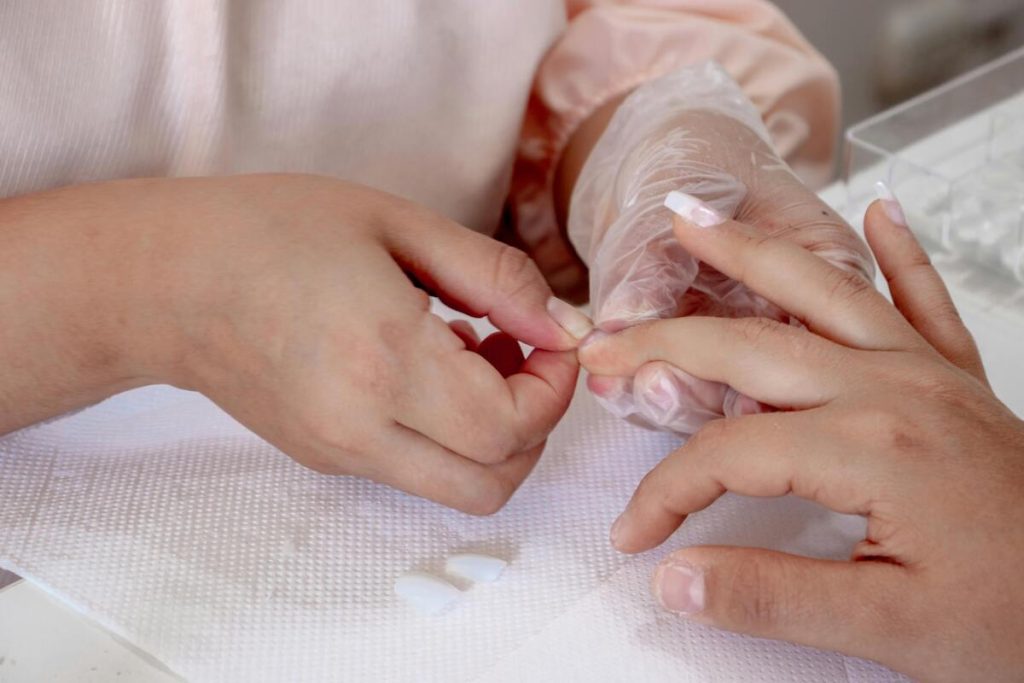
Acrylic nails can look beautiful and last for weeks, but removing them incorrectly can leave your natural nails thin, weak, and painful. Many people are tempted to peel, pry, or force acrylics off when they begin lifting, yet this is one of the fastest ways to damage the nail underneath.
The safest approach is to be patient and use methods that soften the acrylic gradually rather than pulling it away abruptly. Whether you are looking for how to remove acrylic nails at home or exploring alternatives for removing acrylic nails without acetone, understanding the proper process can help protect your natural nails during removal.
1. What You Should Avoid Before Removing Acrylic Nails
Before learning how to remove acrylic nails, it is important to understand what not to do.
One of the most damaging mistakes is peeling acrylics away from the nail surface. Even if the acrylic appears loose, pulling it off can remove layers of the natural nail along with it.
Avoid these common mistakes:
- Pulling or ripping acrylic nails off
- Using sharp metal tools aggressively
- Forcing acrylic to lift before it softens
- Excessive buffing of the natural nail
- Skipping moisturizing treatments afterward
Many cases of nail thinning and breakage occur not because of the acrylic application itself but because of improper removal.
Anyone researching “how to safely remove acrylic nails” should focus on minimizing stress to the natural nail plate throughout the process.


2. How to Remove Acrylic Nails at Home Using Acetone?
Acetone remains one of the most effective methods for breaking down acrylic material safely.
If you are searching for ways to remove acrylic nails at home, this is generally the fastest and most widely recommended approach.
Step 1: Trim and File the Top Layer First
Begin by trimming the acrylic nails as short as possible to reduce the amount of material that needs to be dissolved during the removal process. Shorter acrylics are generally easier to manage and may help the acetone work more efficiently.
Next, gently file away the shiny topcoat that seals the surface of the acrylic. This step is important because the glossy protective layer can slow down the penetration of acetone.
By removing the top layer, the acetone can reach the acrylic more effectively, helping it soften faster and making the overall removal process easier.
While filing, use light pressure and focus only on the acrylic surface. Avoid filing too deeply or aggressively, as this can thin or damage the natural nail underneath.
Step 2: Soak Nails in Acetone
Once the top layer has been filed, fill a small bowl with acetone and soak your fingertips, or alternatively soak cotton balls in acetone and place them on each nail before wrapping them securely with aluminum foil.
Allow the nails to soak for approximately 20 to 30 minutes so the acetone has enough time to break down the acrylic material.
During this period, the acrylic should gradually soften and begin separating from the natural nail without requiring excessive force.
Many people trying how to remove acrylic nails at home become impatient and attempt removal too early. Waiting until the acrylic softens significantly helps reduce damage.
Step 3: Gently Remove Softened Acrylic
After soaking, use a wooden cuticle stick or similar gentle tool to push away the softened acrylic.
The material should slide off with minimal resistance. If portions remain attached, soak again for several more minutes rather than forcing removal.
Repeating the process is much safer than scraping aggressively. When performed correctly, this remains one of the safest methods for how to remove acrylic nails while preserving nail health.
>>> Read more: How to Trim a Beard Like a Pro: The Complete Grooming Guide (2026)
3. How to Remove Acrylic Nails Without Acetone?
Some people prefer alternatives because they are sensitive to acetone or simply do not have it available.
Although removal may take longer, there are still options for how to remove acrylic nails without acetone.
One common approach involves soaking nails in warm, soapy water for an extended period.
The process typically includes:
- Trimming the acrylic nails
- Filing away the top layer
- Soaking in warm water
- Gently lifting loosened sections
- Repeating the soak as needed
This method requires patience because water does not dissolve acrylic as efficiently as acetone.
People searching for how to remove acrylic nails at home without tools often rely on repeated soaking combined with natural lifting of already-loosened acrylic sections. While slower, this approach may reduce exposure to strong chemicals.
However, forcing acrylic off before it is ready can still damage the nail regardless of which removal method is used.
Because of that, the safest strategy remains allowing the acrylic to soften gradually before attempting removal.
4. Signs Your Nails Need a Break After Acrylics
After acrylic removal, natural nails often need time to recover. Even when following the correct process for how to remove acrylic nails, some temporary weakness may occur.
Nail health can speak a lot about your overall health. Consider giving your nails a break if you notice these signs:
- Peeling edges
- Increased breakage
- Thin nail plates
- Rough nail surfaces
- Sensitivity or discomfort
During recovery, focus on strengthening and moisturizing the nails.
Helpful habits include:
- Applying cuticle oil daily
- Using hand cream regularly
- Keeping nails shorter temporarily
- Wearing gloves during cleaning
- Limiting additional nail enhancements
Those learning how to safely remove acrylic nails often find that proper aftercare is just as important as the removal process itself.
Healthy nails typically improve over time when protected from additional stress.
>>> Read more: How to Fix Frizzy Hair Without Making It Worse
5. FAQs
Can I Remove Acrylic Nails Without Acetone?
Yes. Warm water soaking methods may help loosen acrylic nails gradually, although the process is usually slower than acetone removal.
How Long Does It Take to Remove Acrylic Nails?
Using acetone, removal often takes between 20 and 45 minutes depending on thickness. Non-acetone methods may require significantly longer.
Is It Safe to Pull Off Loose Acrylic Nails?
No. Pulling acrylic nails off can remove layers of the natural nail and increase the risk of breakage and long-term damage.
How Can I Strengthen My Nails After Acrylic Removal?
Regular moisturizing, cuticle oil application, protective nail care, and avoiding harsh chemicals can help support nail recovery.
Final Thoughts
How to remove acrylic nails? You can either use acetone or remove it gently after soaking it in warm, soapy water. Doing it properly and it can make a significant difference in the health of your natural nails.
Remember that patience is essential. Rushing the process or pulling acrylics off prematurely can cause far more damage than the acrylic application itself.