


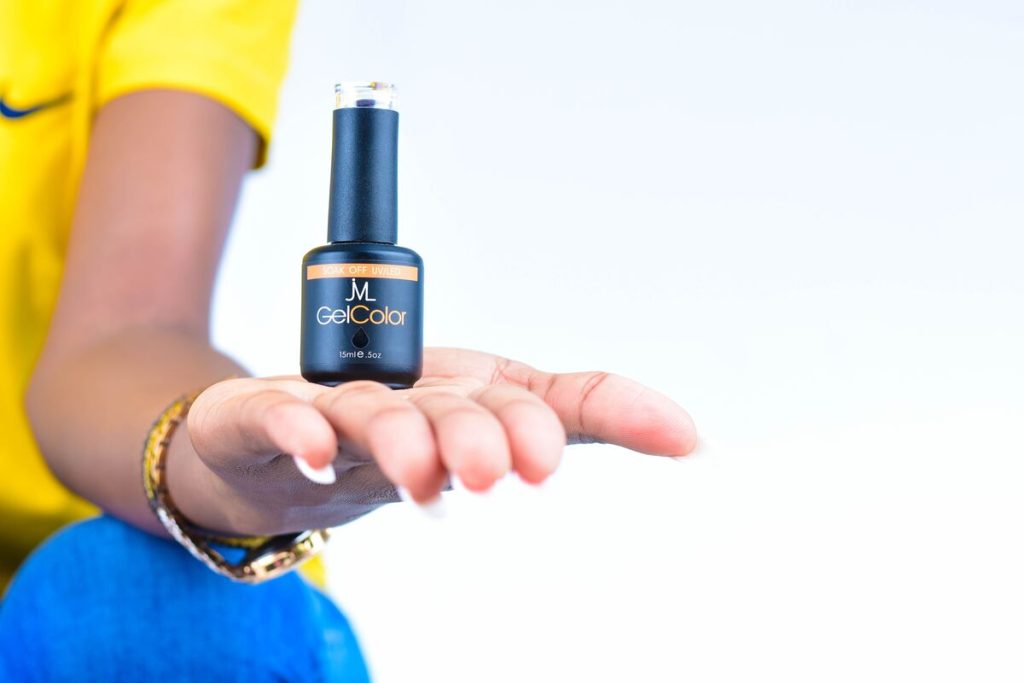
A gel manicure can stay glossy and chip-resistant for weeks, but removal is where many nail problems begin. Once the polish starts lifting around the edges, peeling it off by hand may feel harmless. In reality, that quick shortcut can pull away layers of the natural nail and leave the surface thin, rough, or sensitive.
The safest way to remove gel is to soften the polish gradually instead of forcing it away from the nail plate. Whether you are removing a salon manicure or a lighter at-home gel formula, how to remove gel nail polish should always focus on protecting the natural nail first.
This guide explains how to handle gel polish with acetone, what to know about non-acetone methods, how to deal with accidental polish stains on clothing, and how to care for your nails afterward.
1. How to Remove Gel Nail Polish at Home?
Gel polish is designed to bond firmly to the nail, so removal takes more time than regular nail polish. A salon gel manicure may be especially stubborn because professional formulas are made to last through repeated washing, daily wear, and normal hand movement.
That is why gel nail polish removal should not involve picking, scraping, or pulling. The goal is to break down the gel coating enough that it releases with little resistance.


If you are dealing with how to remove salon gel nail polish, expect the process to take a little longer than removing some DIY gel products. Salon gel often has a stronger base coat, cured color layers, and a glossy top coat that must be softened properly before removal.
Nail products sold in the United States are regulated as cosmetics when they are used for appearance rather than treating a medical problem.
FDA guidance notes that nail products should be used according to label directions and warning statements, especially because some ingredients may be harmful if misused, flammable, irritating, or dangerous if they get in the eyes.
With Acetone
Acetone is one of the most common ingredients used to remove gel polish because it can soften the cured coating more effectively than regular polish remover. It can also dry the skin and nails, so the key is controlled use rather than excessive soaking.
To remove gel polish with acetone:
- Wash and dry your hands.
- Gently file the shiny top coat until the surface looks dull.
- Soak a cotton ball or pad with acetone.
- Place the soaked cotton directly on the nail.
- Wrap the fingertip with foil to hold it in place.
- Wait 10 to 15 minutes.
- Check whether the gel has lifted.
- Use a wooden cuticle stick to gently push away softened polish.
If the gel does not move easily, wrap the nail again and wait a few more minutes. A properly softened gel layer should flake or slide away without aggressive scraping.
This method is often the most practical version of removing gel nail polish because it targets the cured layers directly while reducing the need for force.
Without Acetone
Some people prefer to avoid acetone because it can leave nails and surrounding skin feeling dry. How to remove gel nail polish without acetone? It is possible in some cases, but it is usually slower and less reliable.
Non-acetone methods may include:
- Soaking nails in warm soapy water
- Applying cuticle oil around lifted edges
- Using non-acetone gel remover products
- Waiting for naturally loosened gel to soften further
These options tend to work best when the gel has already started lifting. If the gel is still fully bonded to the nail, non-acetone removal may take repeated soaking sessions and still may not remove every layer cleanly.
Be careful with “magic” or “burst” gel removers sold online. FDA has identified some cosmetic products marketed as gel nail polish removers that contained methylene chloride, a prohibited ingredient in cosmetics.
FDA also warns that methylene chloride may not always be listed clearly on cosmetic labels and may appear under other names such as dichloromethane or methyl bichloride.
This warning is highly relevant because some fast gel remover products are marketed as easier alternatives to traditional soaking. Before using any remover, check the label, avoid products with unclear ingredient information, and stop using a product immediately if it causes burning, strong irritation, or unusual symptoms.
>>> Read more: How to Remove Acrylic Nails Safely Without Damaging Your Natural Nails
2. How to Remove Gel Nail Polish From Clothes?
Spilling gel polish on clothing is different from removing gel from nails. Fabric does not tolerate the same scraping, soaking, or chemical exposure that nails can handle, and some cleaning products may discolor or damage delicate materials.
For how to remove gel nail polish from clothes, act carefully:
- Let thick wet polish settle instead of smearing it wider.
- Gently lift excess product with a dull edge.
- Test any cleaner on a hidden area of fabric first.
- Blot from the outside of the stain inward.
- Wash only after the visible residue has been treated.
Avoid rubbing aggressively, as this can push color deeper into the fabric. If the item is silk, wool, leather, or labeled dry clean only, professional cleaning is usually safer.
This section does not use a separate source because the main health and safety concern in this article is nail-product use. For clothing, the safest guidance is to follow the garment care label and avoid applying strong nail removers directly to delicate fabrics without testing.
3. How to Care for Your Nails After Gel Polish Removal
Once the polish is gone, the nail surface often needs extra care. Even careful removal can leave nails feeling dry, especially after acetone exposure.
A good aftercare routine can make how to remove gel nail polish safer in the long run because the goal is not only to remove the color but also to help the nail recover.
After removal, focus on:
- Applying cuticle oil
- Using hand cream
- Keeping nails short for a few days
- Avoiding another gel manicure immediately
- Wearing gloves when cleaning
- Avoiding nail biting or picking
For healthier results, how to remove gel nail polish should always include aftercare. A few days without polish can help you check whether the nails are thinning, peeling, or reacting badly to recent products.
Another reason to be cautious is product quality.
FDA posted a recall involving a gel nail polish remover found to contain prohibited methylene chloride and chloroform, both described in the recall notice as hazardous substances prohibited in cosmetic formulations. This makes it important to choose removers carefully, especially when buying fast-acting products from online marketplaces.
>>> Read more: How to Fix Frizzy Hair Without Making It Worse
Final Thoughts
The safest approach to gel removal is simple: soften first, remove gently, and protect the nail afterward. Peeling or scraping may seem faster, but it can leave the natural nail weaker than before.
For most people, how to remove gel nail polish works best with acetone wraps, patience, and a wooden cuticle stick rather than force. Non-acetone methods may help in mild cases, but they usually require more time and may not work well on strong salon gel.
If you are handling how to remove gel nail polish without acetone, dealing with how to remove salon gel nail polish, or cleaning a spill from clothing, choose the gentlest method that fits the situation. Done carefully, gel nail polish removal becomes a safe home-care step instead of a habit that damages your nails.