


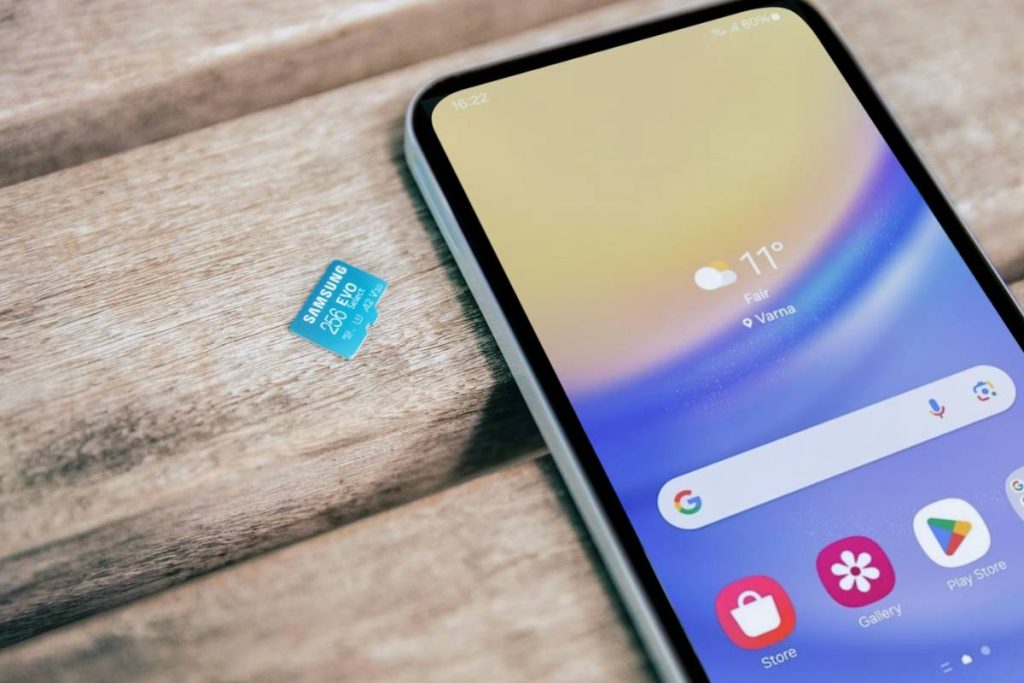
Mobile devices use different SIM card sizes to connect to cellular networks, and the nano SIM is the most common format used in modern smartphones today. Understanding what helps you determine whether your phone is compatible and how to switch between devices or plans.
This guide explains everything you need to know about nano SIM cards, including their size, how they compare to older SIM types and eSIM, and when you might need to use one for your phone.
1. What Does Nano SIM Mean?
A nano SIM is the smallest type of physical SIM card used in modern smartphones. The term “nano” refers to its compact size compared to older SIM formats such as standard SIM and micro SIM.
Even though it is smaller, this SIM performs the same core functions as any SIM card. It connects your phone to a mobile network, allows you to make calls, send messages, and use mobile data, and stores essential subscriber information like your phone number and network identity.
Most smartphones released in recent years are designed to support these cards because they take up less space inside the device. This allows manufacturers to build thinner phones and make room for other components, such as larger batteries or additional features.


2. Nano SIM Size and Why It Matters
The nano SIM is significantly smaller than previous SIM card formats, measuring approximately 12.3 mm × 8.8 mm × 0.67 mm. It removes most of the plastic around the chip, leaving only the essential contact area.
This smaller size matters for several reasons:
- More space inside the phone: A smaller SIM card frees up internal space, allowing for better hardware design and improved battery capacity.
- Better compatibility with modern devices: Most current smartphones, including newer iPhone and Android models, are designed to support cards.
- Improved device design: The reduced size helps manufacturers create slimmer, lighter devices.
Because of these advantages, nano has become the standard for physical SIM cards in today’s mobile devices.
3. Which Phones Use Nano SIM?
Most modern smartphones are designed to use nano SIM cards because of their compact size and compatibility with current mobile network standards. If your phone was released in the last several years, it likely supports this card.
Popular devices that use nano SIM include:
- iPhone models from iPhone 5 onward (including iPhone 11, 12, 13, 14, and newer)
- Samsung Galaxy devices such as the S series and Note series
- Google Pixel phones
- Many other recent Android smartphones from major brands
If you are unsure whether your phone uses a nano SIM, you can check the device specifications or look at the SIM tray size. Using the correct SIM size is important to ensure proper network connection and avoid compatibility issues.
>>> Also read: Need A Free iPhone SIM Card? Here’s Your Best 2025 Guide
4. Nano SIM vs eSIM: What’s the Difference?
As mobile technology evolves, users now have the option to choose between a traditional SIM and a newer digital alternative known as eSIM. Both serve the same purpose, but they differ in how they are used and activated.
Nano SIM (Physical SIM)
A nano SIM is a physical card that must be inserted into your phone’s SIM tray. It is tied to your mobile plan and can be removed or transferred between devices.
Key characteristics:
- Requires physical insertion into the device
- Easy to move between phones
- Works with most smartphones
- Needs to be replaced if lost or damaged
This option is often preferred by users who want a simple, plug-and-play experience or who frequently switch devices.
eSIM (Embedded SIM)
An eSIM is a digital SIM that is built directly into your phone. Instead of inserting a card, you activate service by downloading a carrier profile, usually through a QR code or manual setup.
Key characteristics:
- No physical card required
- Activation can be done remotely
- Supports multiple carrier profiles on one device
- Works only on compatible smartphones
eSIM offers more flexibility, especially for users who want to switch carriers quickly or manage multiple plans without changing physical SIM cards.
Understanding the differences between nano SIM and eSIM can help you choose the best option based on your device and how you use your phone.
5. When You Might Need to Switch to a Nano SIM
You typically do not think about SIM size until something stops working. In many cases, switching to a nano SIM becomes necessary when your device and SIM are no longer compatible.
This often happens when:
- You move to a newer smartphone that only supports this card type
- Your current SIM is physically larger and cannot fit into the SIM tray
- You are activating a new mobile plan on a modern device
- Your existing SIM is worn out or no longer recognized
A related concern many users have is what happens if you take out your SIM card and put it in another phone. In general, your number and service will move with the SIM, not the phone. This means your calls, texts, and data access will continue working on the new device.
However, two conditions must be met:
- The phone must support a nano SIM
- The device must be compatible with your carrier network
If either of these does not match, switching to the correct SIM type becomes necessary.
6. How to Get a Nano SIM at No Cost with AirTalk Wireless
Getting a nano SIM does not always mean buying one. For eligible users in the United States, it can be part of a Lifeline-supported mobile plan.
AirTalk Wireless provides access to mobile service designed for low-income households, and this includes SIM or eSIM-based activation depending on your device.
Instead of focusing only on the SIM itself, AirTalk positions it as part of a complete mobile setup, where the SIM becomes your entry point to essential connectivity.


Here is what makes it different:
- You can activate service on your existing phone (BYOD) without switching devices
- You receive a nano SIM or eSIM based on compatibility, not a fixed format
- Activation can be completed without visiting a store
- eSIM users can skip shipping and start faster
More importantly, the value is not just the SIM. It is what comes with it:
- Ongoing access to talk, text, and data
- Connectivity for healthcare, job applications, and daily communication
- The ability to stay reachable without additional monthly costs (for eligible users)
This approach shifts the focus from “getting a SIM card” to getting connected in a practical way.
IMPORTANT: The government does not subsidize devices. Lifeline programs cover basic service costs only. Free or discounted devices, upgrade plans, or top-ups are exclusive benefits provided by AirTalk Wireless as part of our promotional offers. Terms and conditions apply. Limited-time promotion—offers vary by state, stock availability, and eligibility.
Conclusion
A nano SIM is now the standard format used in most smartphones, making it an essential part of modern mobile connectivity. Knowing when to switch and how it works helps avoid compatibility issues when changing devices or carriers.
Whether you use a physical SIM or move toward eSIM, the goal remains the same: keeping your phone connected in a simple and reliable way.