



Finding the right nursing home for a loved one with dementia is already emotionally difficult. When Medicaid coverage becomes part of the decision, the process can feel even more complex. Many families search for nursing homes for dementia patients that accept Medicaid because long-term dementia care is costly and often needed for years, not months.
Understanding how Medicaid-funded nursing homes work, who qualifies, and what families should prepare for can make the search more manageable and help avoid delays during an already stressful time.
1. What Are Nursing Homes for Dementia Patients That Accept Medicaid?
Nursing homes for dementia patients that accept Medicaid are licensed long-term care facilities approved to provide 24-hour medical supervision, personal care, and dementia-specific support for residents whose care is funded through Medicaid. These facilities are equipped to handle progressive cognitive decline, behavioral symptoms, and daily living needs that families often cannot manage at home.
Unlike assisted living or memory care units that rely heavily on private pay, Medicaid-approved nursing homes follow state and federal standards for staffing, care planning, and medical oversight. Residents typically receive help with bathing, dressing, eating, mobility, medication management, and ongoing monitoring for dementia-related health risks.
It is important to note that not every nursing home accepts Medicaid, and not every dementia care facility is Medicaid-certified. Facilities that do accept Medicaid often have limited availability, which is why families frequently encounter waiting lists or placement delays.
2. Does Medicaid Pay for Dementia Care in Nursing Home?
Yes, Medicaid can pay for dementia care in a nursing home, but coverage is specific and conditional. Medicaid does not pay for dementia care based solely on a diagnosis. Instead, it covers nursing home care when a person meets both medical necessity and financial eligibility requirements.
Medicaid typically covers:
- Skilled nursing services and medical supervision
- Assistance with daily living activities
- Dementia-related behavioral and safety monitoring
- Medications administered as part of nursing home care
Medicaid does not usually cover room and board in assisted living or standalone memory care facilities. Coverage applies primarily to nursing homes that provide a level of care equivalent to a skilled nursing facility.
For families, this distinction is critical. A loved one with dementia may need to transition from private-pay memory care to a Medicaid-funded nursing home once care needs increase or personal funds are exhausted. Understanding this early helps families plan ahead and avoid sudden care disruptions.
>>> Read more: What Is the Difference Between Medicare and Medicaid? A Clear Guide for Low-Income Households
3. Who Qualifies for Medicaid-Funded Dementia Nursing Homes
Eligibility for Medicaid-funded dementia nursing homes is based on more than a dementia diagnosis alone. Medicaid covers nursing home care when both medical necessity and financial eligibility are met.
In general, a person may qualify if they meet all of the following conditions:
- Medical eligibility: A physician or state assessor determines that the individual requires a nursing home level of care. This often includes advanced dementia symptoms such as severe cognitive decline, safety risks, inability to perform daily activities independently, or behavioral issues requiring 24-hour supervision.
Financial eligibility: Medicaid has strict income and asset limits that vary by state. Many individuals with dementia qualify after spending down personal savings on care, medical expenses, or long-term care costs.
Residency and citizenship requirements: The individual must be a resident of the state where Medicaid is applied for and meet citizenship or qualified immigration status rules.
For individuals with dementia who have no family, Medicaid coverage still applies. States are required to ensure access to necessary long-term care. In these situations, hospitals, Adult Protective Services, or state-appointed guardians often step in to coordinate placement and manage Medicaid applications on the patient’s behalf.
>>> Also read: Emergency Dentist That Take Medicaid: How to Get Urgent Dental Care When You Need It Most
3. How to Find Nursing Homes for Dementia Patients That Accept Medicaid
Searching for Medicaid nursing homes near me can feel overwhelming, especially when dementia care is urgently needed. Availability is often limited, and not every facility that offers memory care accepts Medicaid. Using multiple search paths at the same time can improve your chances.
Start With State Medicaid and Long-Term Care Resources
State Medicaid agencies and long-term care departments maintain lists of nursing homes that are certified to accept Medicaid. These resources often include filters for location, payment type, and level of care.
One widely used national tool is provided by the American Council on Aging, which offers a Medicaid, Medicare, and VA nursing home search to help families identify facilities that accept Medicaid within a chosen distance.


These tools are especially helpful when families need to search beyond their immediate city due to limited local availability.
Contact Nursing Homes Directly About Dementia Care
Online listings are only a starting point. Families should call nursing homes directly and ask specific questions, such as:
- Do you currently accept Medicaid for dementia patients?
- Are there memory care or dementia-capable units?
- Is there a waiting list, and how does placement work?
- Do you accept residents who are pending Medicaid approval?
Some facilities accept private pay initially and transition residents to Medicaid once eligibility is approved, which can be an important option to ask about.
Work With a Hospital or Case Manager
When a dementia patient is hospitalized or discharged from a rehabilitation facility, hospital social workers or case managers can play a critical role. They often have up-to-date information on Medicaid-certified nursing homes, current bed availability, and state placement procedures.
For dementia patients without family, case managers and state agencies may coordinate guardianship, Medicaid enrollment, and nursing home placement to ensure continuity of care and safety.
4. Common Challenges Families Face When Using Medicaid for Dementia Care
Even when a loved one qualifies for Medicaid, securing dementia care through a Medicaid-funded nursing home is rarely simple. Families often encounter a combination of logistical, financial, and emotional challenges along the way.
One of the biggest obstacles is limited availability. Nursing homes that accept Medicaid for dementia care frequently have long waiting lists, especially in urban areas or regions with aging populations. Families may need to search outside their immediate area to find an open bed.
Another challenge involves Medicaid spend-down rules. Many individuals with dementia qualify only after their savings are reduced to state limits through medical and long-term care expenses. Managing this process while arranging care can be confusing and time-sensitive.
Families also face complex paperwork and ongoing verification. Medicaid may request updated income records, asset information, or medical assessments multiple times during the application or renewal process. Missing a deadline or document can delay placement or interrupt coverage.
For families without prior experience navigating Medicaid, the process can feel fragmented, with communication spread across nursing homes, hospitals, case managers, and state agencies.
5. Why Reliable Phone Access Matters for Families Managing Dementia Care
When families are arranging Medicaid-funded dementia care, nearly every step depends on timely communication. Nursing homes call about bed availability, hospitals coordinate discharge plans, and Medicaid offices request documents or status updates. These calls are often time-sensitive and not always repeated.
If a family misses a call or cannot be reached quickly, placement opportunities may be given to someone else, applications can stall, or approvals may be delayed. For dementia patients, even short disruptions can mean extended hospital stays or unsafe gaps in care. Reliable phone access is not optional in this process. It is part of keeping care moving forward.
This is where the Lifeline program becomes relevant.
How does the Lifeline Program Help Families Manage Dementia Care?
Lifeline is a federal assistance program that provides a monthly discount on phone or internet service for eligible low-income households, helping make essential communication more affordable. Medicaid participation is commonly accepted as a qualifying pathway under program-based eligibility rules.
For families managing dementia care, Lifeline can help reduce the cost of maintaining phone service during long application periods, transitions between facilities, and ongoing coordination with Medicaid offices.
Why Many Families Choose AirTalk Wireless


Among approved providers, AirTalk Wireless is a common choice for households relying on Medicaid-related eligibility. Families often choose AirTalk because the company focuses on practical reliability rather than minimal service.
AirTalk Wireless is widely recognized for offering free devices like free phones through Lifeline program. Instead of assigning random devices, AirTalk emphasizes device choice, allowing users to select models that fit their needs during ongoing care coordination.
Key reasons families choose AirTalk Wireless include:
- Access to smartphones and tablets from trusted brands such as Samsung, Apple, Sky, and Alcatel
- Monthly talk, text, and data included with supported plans
- The ability to choose a preferred device model
- A secure online application process, with approvals often completed within days
- Nationwide coverage designed to support consistent communication with care providers and state agencies
For families managing dementia care under Medicaid, having dependable phone access can reduce missed calls, speed up placement decisions, and ease communication during an already overwhelming process.

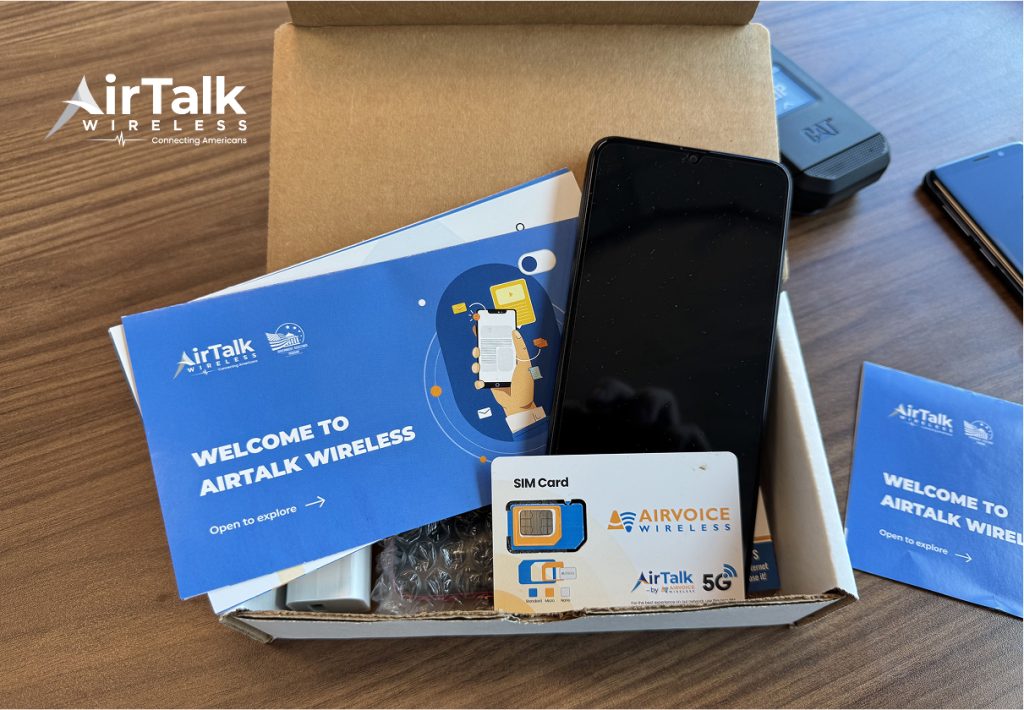
IMPORTANT: The government does not subsidize devices. Lifeline programs cover basic service costs only. Free or discounted devices, upgrade plans, or top-ups are exclusive benefits provided by AirTalk Wireless as part of our promotional offers. Terms and conditions apply. Limited-time promotion—offers vary by state, stock availability, and eligibility.
>>> Read more: How to Apply for the Lifeline Program at AirTalk Wireless?
Conclusion
Finding nursing homes for dementia patients that accept Medicaid involves more than eligibility alone. Families must navigate limited availability, complex rules, and constant communication with multiple agencies.
Having dependable phone access can ease that burden by helping families respond quickly, track care decisions, and avoid unnecessary delays. With support options like Lifeline delivered through providers such as AirTalk Wireless, families are better equipped to manage dementia care during one of the most challenging periods of their lives.