


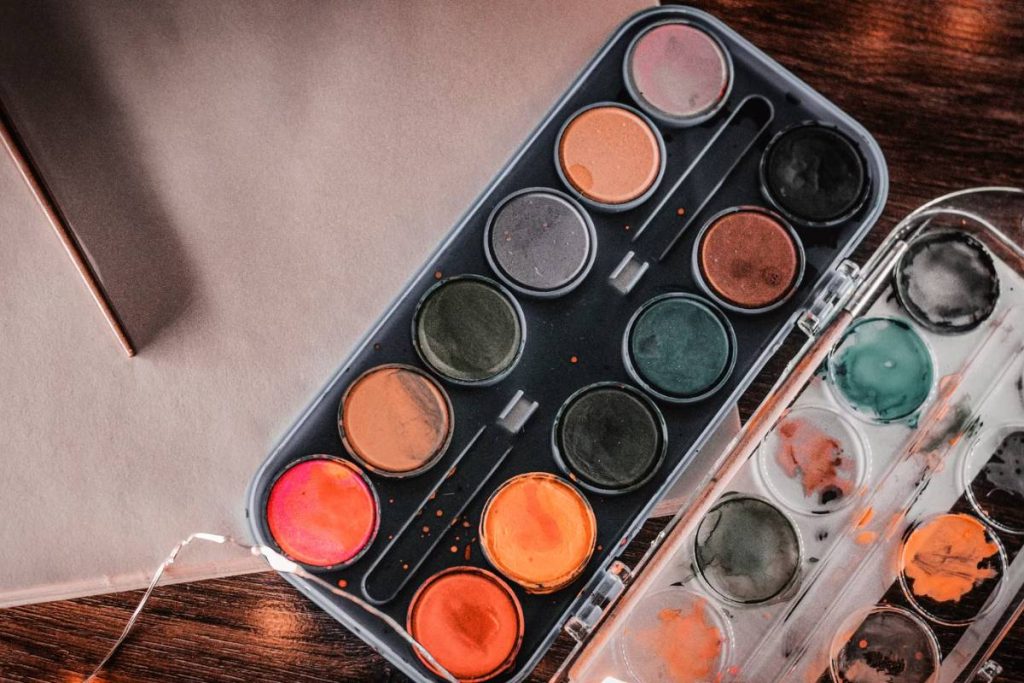
Brown is one of the most common colors in art, design, and everyday life, yet many people are surprised by how many different ways it can be created. Depending on the colors you start with and the proportions you use, brown can appear warm, cool, light, dark, rich, or muted.
Whether you’re painting, working on a craft project, or experimenting with color theory, understanding what colors make brown can help you achieve more accurate and predictable results. This guide covers the most reliable color combinations, explains why they work, and shows how to adjust your mixtures to create a wide range of brown shades.
1. What Colors Make Brown? The Simple Answer
The simplest answer to what colors make brown is that brown is created by combining colors from different parts of the color wheel until they neutralize each other.
In practice, there are two common approaches:
- Mixing all three primary colors (red, yellow, and blue)
- Mixing complementary colors (colors opposite each other on the color wheel)
Both methods reduce color intensity and produce various shades of brown.
The exact shade depends on the colors used and their proportions. Some mixtures create warm, reddish browns, while others produce cooler or darker brown tones.
2. How to Mix Brown from Primary Colors
One of the most reliable answers to what colors make brown is combining the three primary colors. Because every other color can be traced back to red, yellow, and blue, mixing these pigments together naturally produces various shades of brown.
Red + Yellow + Blue
In traditional color theory, red, yellow, and blue form the foundation of all other colors.
When mixed together in roughly equal amounts, they create a medium brown tone because each color partially cancels out the others.
The process typically works as follows:
- Mix red and yellow to create orange.
- Add blue gradually.
- Continue adjusting until a brown shade appears.
Because paint pigments vary between brands and mediums, the exact result may differ slightly, but the principle remains the same.
This method is particularly useful for artists because it allows complete control over the final color.


Adjusting the Ratios for Different Browns
Equal amounts of each color usually create a neutral brown, but small adjustments can dramatically change the result.
For example:
- More red creates a warmer brown.
- More yellow produces a golden or tan brown.
- More blue creates a cooler, darker brown.
Many artists begin with a basic brown mixture and then fine-tune it depending on the subject they are painting.
Examples include:
- Wood tones
- Skin tones
- Animal fur
- Earth and soil
- Tree bark
Understanding these adjustments is often more important than memorizing a single recipe because most brown shades require slight customization.
3. How to Mix Brown from Complementary Colors
Another effective way to create brown is by mixing complementary colors. These are colors positioned opposite each other on the color wheel.
If you’ve ever asked what two colors make brown, complementary color pairs often provide the answer. When opposite colors are combined, they reduce each other’s intensity and produce more neutral tones, including various shades of brown.
Orange + Blue
One of the most common complementary combinations for mixing brown is orange and blue.
Start by creating orange from red and yellow, then gradually add blue until the mixture becomes brown. Because both colors are strong, small adjustments can make a noticeable difference.
This approach often produces rich, natural-looking browns. Increasing the amount of orange creates a warmer appearance, while adding more blue results in a darker and cooler brown.
Red + Green
Red and green can also create brown because they naturally balance each other on the color wheel.
The exact result depends on the shades you use and the mixing ratio. Some combinations produce medium browns, while others create deeper, earthy tones commonly seen in nature.
Artists often rely on this pairing when painting landscapes, trees, soil, and other outdoor elements because the resulting colors tend to look realistic and muted.


Yellow + Purple
Yellow and purple offer another way to make brown, although the result is often less obvious than the previous combinations.
Since purple is already made from red and blue, adding yellow effectively brings all three primary colors into the mixture. As those colors balance each other, the vibrant tones become more subdued and shift toward brown.
Compared with orange-and-blue mixtures, the resulting brown is often softer, more muted, and slightly cooler in appearance, making it useful when a less saturated color is needed.
>>> Also read: How to Remove Gel Nail Polish Safely at Home?
4. How to Make Lighter or Darker Shades of Brown
Once you understand what colors make brown, the next step is learning how to control the shade and temperature of the color. Small adjustments can dramatically change the final result, turning a standard brown into anything from a soft tan to a rich chocolate tone.
For artists wondering what colors make light brown, the easiest approach is usually to start with an existing brown mixture and gradually adjust it. Trying to mix a light brown directly from primary colors often produces inconsistent results, while modifying an established brown gives you much greater control.
Warm Browns
Warm browns contain visible red, orange, or yellow undertones, which give them a richer and more inviting appearance. These shades are commonly associated with sunlight, autumn leaves, polished wood, and natural leather.
To create a warmer brown, gradually increase the amount of red or orange in the mixture. A small touch of yellow can also add warmth, although it’s important to add it slowly to avoid pushing the color too far toward orange.
Warm browns are particularly useful when painting wood furniture, fall landscapes, animal fur, or skin tones because they create a sense of depth and warmth that feels natural to the eye.
Cool Browns
Cool browns sit on the opposite end of the spectrum and contain subtle blue, gray, or purple undertones. These shades often appear more subdued and can help create contrast when paired with warmer colors.
A cooler brown can be achieved by introducing a small amount of blue or purple into an existing brown mixture. The goal is not to make the color obviously blue, but rather to soften its warmth and create a more muted appearance.
Artists frequently use cool browns for shadows, weathered wood, stone surfaces, and winter scenes because these tones can make an image feel more realistic and dimensional.
Neutral Browns
Neutral browns fall somewhere between warm and cool tones, making them among the most versatile colors in a painter’s palette. They are typically created by balancing complementary colors carefully so that no single undertone dominates the mixture.
Because neutral browns closely resemble many naturally occurring earth tones, they work well in landscapes, architectural illustrations, and realistic studies. They also provide an excellent starting point for creating lighter shades.
If you’re trying to determine what colors make light brown, begin with a neutral brown and slowly add white until the desired shade is reached. Working gradually is important because too much white added at once can make the color look chalky or washed out.
5. Common Brown Mixing Mistakes
Even after learning what colors make brown, it’s possible to end up with results that look muddy, dull, or different from what you expected. In most cases, the problem isn’t the color combination itself but the way the colors are mixed.
Adding Too Much of One Color
Brown is created through balance, which means even a small excess of one color can shift the entire mixture. Adding too much blue may create a grayish brown, while too much red can produce a reddish-brown that feels warmer than intended. Excess yellow often pushes the mixture toward an orange-brown appearance.
For this reason, experienced artists typically add color in small increments rather than making large adjustments all at once. This approach makes it easier to control the final result and avoid wasting paint.
Using Dirty Brushes
A surprisingly common cause of muddy colors is paint contamination. Residual paint left on a brush can introduce unintended pigments into a mixture, altering the color without the artist realizing it.
Taking a few extra seconds to clean brushes thoroughly between colors can make brown mixtures much more predictable and help preserve the desired undertones.
Adding Black Too Early
Many beginners assume black paint is the best way to darken brown. While it certainly makes the color darker, it can also reduce the richness and complexity of the mixture.
In many situations, a deeper brown can be achieved more naturally by adjusting the existing colors within the mixture. Adding a touch of blue, purple, or another complementary color often creates depth while maintaining a more vibrant and realistic appearance.
Ignoring Undertones
Two shades of brown can appear nearly identical at first glance while containing completely different undertones. One may lean slightly red, another slightly yellow, and another toward blue or gray.
These subtle differences become especially important when painting realistic subjects. Paying attention to whether a brown is warm, cool, or neutral often produces more convincing results than focusing solely on how light or dark the color appears.
Understanding undertones is often what separates a flat-looking brown from one that feels natural and visually interesting.
6. Tips for Mixing Brown in Paint vs Digital Design
The way brown is created depends on whether you’re working with physical pigments or digital color systems.
When mixing what colors make brown paint, artists use subtractive color mixing. Physical pigments absorb and reflect light, which means color combinations behave differently than they do on a computer screen.
Mixing Brown in Paint
When working with paint, brown is usually created by combining primary colors or mixing complementary colors and then adjusting the ratios until the desired shade is achieved.
The exact result can vary considerably depending on the pigments used, the paint brand, the surface being painted, and even the lighting conditions in which the color is viewed. Because of these variables, creating the perfect brown often requires a bit of experimentation and fine-tuning rather than relying on a single formula.
Creating Brown in Digital Design
Digital design uses RGB color values rather than physical pigments. Instead of mixing paint, designers select specific color values directly.
For example:
- Light brown may use RGB values around (181, 101, 29)
- Medium brown may use RGB values around (150, 75, 0)
- Dark brown may use RGB values around (92, 64, 51)
Because digital colors are created using light rather than pigment, the process is much more precise and repeatable.
Understanding this difference helps explain why a brown color mixed in paint may not look identical to the same brown displayed on a screen.
Conclusion
Knowing what colors make brown gives you far more flexibility than relying on pre-mixed colors alone. Whether you’re combining primary colors, using complementary color pairs, or adjusting an existing mixture, small changes can produce a wide range of brown shades.
By understanding how warm, cool, and neutral browns are created, you’ll be better equipped to mix colors accurately for painting, crafts, design projects, and other creative work. With a little experimentation, creating the exact shade of brown you need becomes much easier and more predictable.