

Are College Students Eligible for Medicaid in 2026? More Perks Students Can Get
- Share This:
-


-

-

-

-

-

-

-


Health insurance probably isn’t at the top of your priority list until you get sick, need a prescription, or realize your campus health center has limited services. Suddenly, you’re wondering: Are college students eligible for Medicaid?
The catch is that Medicaid eligibility rules vary significantly depending on which state you’re attending school in and whether you’re considered independent or still part of your parents’ household.
This post explains how Medicaid works for college students. You’ll learn how your income (or lack of it) affects eligibility, and whether your parents’ income still counts against you.
1. Who Is Eligible for Medicaid in General?
Before looking specifically at whether college students are eligible for Medicaid, understand how Medicaid eligibility works at a basic level.
Medicaid is a joint federal and state program, meaning each state sets its own income limits and eligibility details within federal guidelines. As a result, eligibility can vary by location.

Basic Medicaid Rules by Income and Household Size
In most states, Medicaid eligibility is primarily based on household income compared to the Federal Poverty Level (FPL). Household size matters because income limits rise with household size.
Since most college students fall into the adult category, adults under 65 in states that expanded Medicaid generally qualify if they earn up to 138% of the FPL.
When determining income, states typically consider wages from employment, self-employment income, and other sources.
>>> Read more: Can You Qualify For Medicaid In California?
Categorical Groups That Commonly Qualify for Medicaid
In addition to income-based eligibility, Medicaid also covers certain groups based on life circumstances. These include pregnant individuals, people with disabilities, parents or caretakers of dependent children, and some young adults who were previously in foster care.
Understanding these general rules clarifies an important point: Medicaid eligibility depends on financial and household factors.
2. Are College Students Eligible for Medicaid?
The short answer to whether college students are eligible for Medicaid is yes – many college students are eligible for Medicaid.
However, eligibility depends on how the student files taxes, whether they are claimed as a dependent, where they live, and how much income they earn.
When Full-Time or Part-Time Students May Qualify
College students may qualify for Medicaid when they meet state income and residency rules, regardless of whether they are enrolled full-time or part-time.
In most states, eligibility is based on the student’s own income if they are financially independent. Students who work part-time, have low or no income, or support themselves without regular financial help from parents may meet Medicaid income limits.
Certain situations, such as pregnancy, disability, or caring for a dependent child, can also allow college students to qualify under specific Medicaid categories.
How Parents’ Income Affects Dependent Students
One of the most confusing aspects when asking, “Are college students eligible for Medicaid?” is how parents’ income affects eligibility.
If a student is claimed as a dependent on their parents’ tax return, the state may consider parental income when determining eligibility.
On the other hand, independent students – those who file their own taxes and are not claimed as dependents – are usually evaluated based on their own income alone. This distinction is critical and often determines whether a student qualifies for Medicaid.
Out-of-State Students and Medicaid Coverage
Medicaid coverage is state-based, which creates challenges, especially for students attending college in a different state.
In most cases, Medicaid coverage is limited to the state that provides it. If a student is enrolled in Medicaid in their home state but attends school elsewhere, routine care may not be covered out of state, except for emergencies.
Some students establish residency in the state where they attend school, which may allow them to apply for Medicaid there. Residency rules vary by state, so students should review local requirements carefully before applying.
>>> Read more: How To Apply For Medicaid In Florida: Eligibility, Documents And Application Process
3. How College Students Can Check Their Medicaid Eligibility
Because Medicaid rules differ by state and individual circumstances, check eligibility directly. College students should review several factors before applying to avoid confusion or delays.
Reviewing Income, Residency, and Student Status
The first step is understanding how your state defines income and residency. Consider how much you earn, whether you are claimed as a dependent, and where you legally reside.
Clarifying these details ahead of time makes the application process smoother and helps avoid incorrect denials.
Using State Medicaid Websites and Online Screeners
Most states offer online Medicaid portals or eligibility screeners that allow applicants to see whether they may qualify. These tools typically ask about income, household size, and residency and provide guidance on next steps.
For general federal guidance on how health coverage works for students, the official resource on health insurance options for college students explains how Medicaid and other coverage types apply to young adults.
Talking to Campus Health Offices or Navigators
Many colleges have campus health offices or access to enrollment navigators who can help answer whether college students are eligible for Medicaid under their state’s rules and explain available coverage options.
While they do not decide Medicaid eligibility, they can help students understand how state rules apply to their situation and where to apply.

4. Steps for College Students to Apply for Medicaid
Step 1 – Confirm Your State’s Medicaid Rules for Students
Check your state Medicaid website to review income limits, residency rules, and how student status is treated.
Step 2 – Gather Documents for a Medicaid Application
Prepare documents such as proof of income, residency, and household information. These are commonly required during the application process.
Step 3 – Apply for Medicaid Through Your State
Submit your Medicaid application online through your state portal or healthcare marketplace. Most states allow applicants to upload documents and track application status online.
5. Free Phone and Tablet With Medicaid
Medicaid eligibility can also open the door to other assistance programs beyond healthcare. One example is the federal Lifeline program, which provides discounted or free phone and internet service to qualifying low-income households.
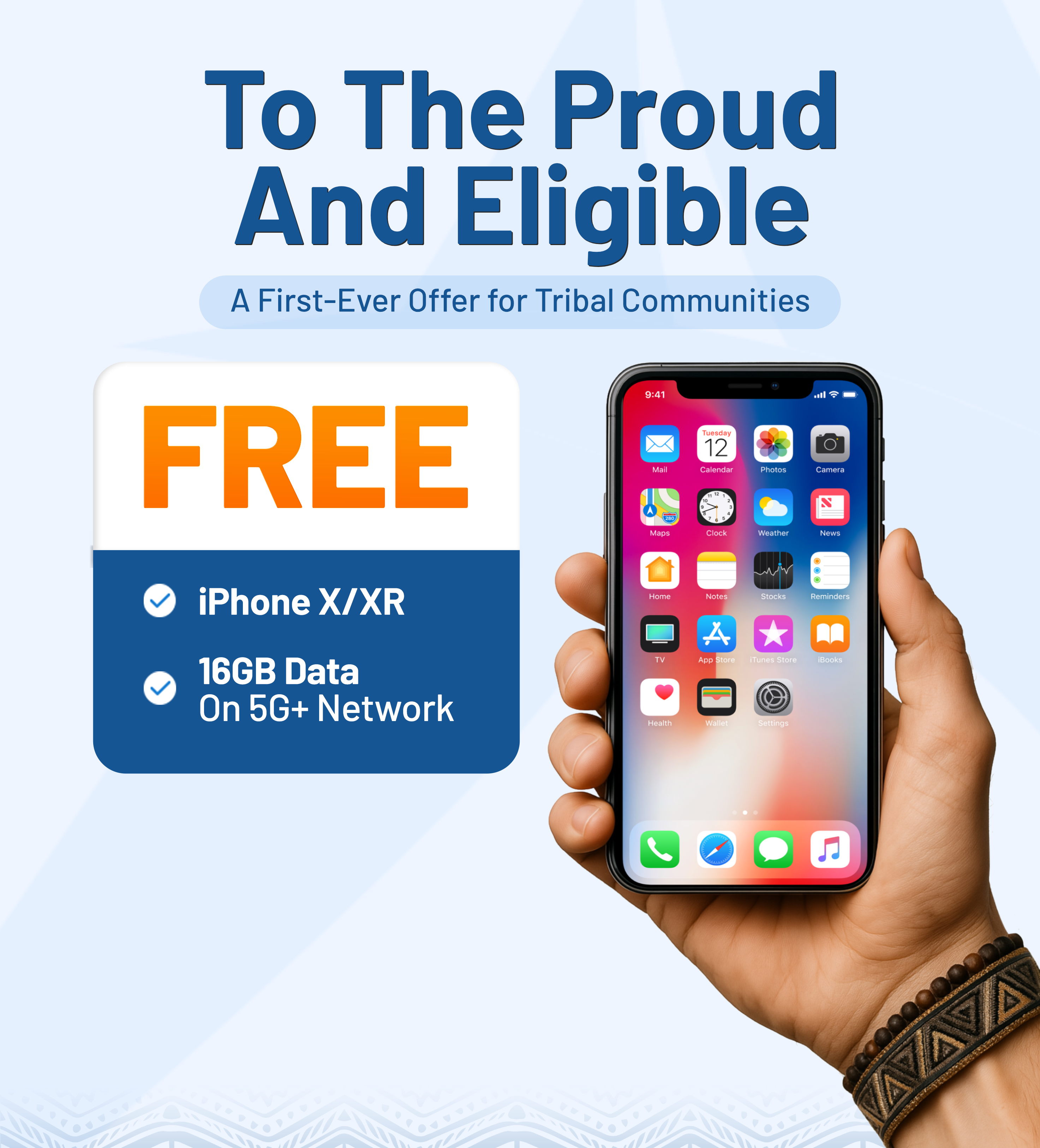
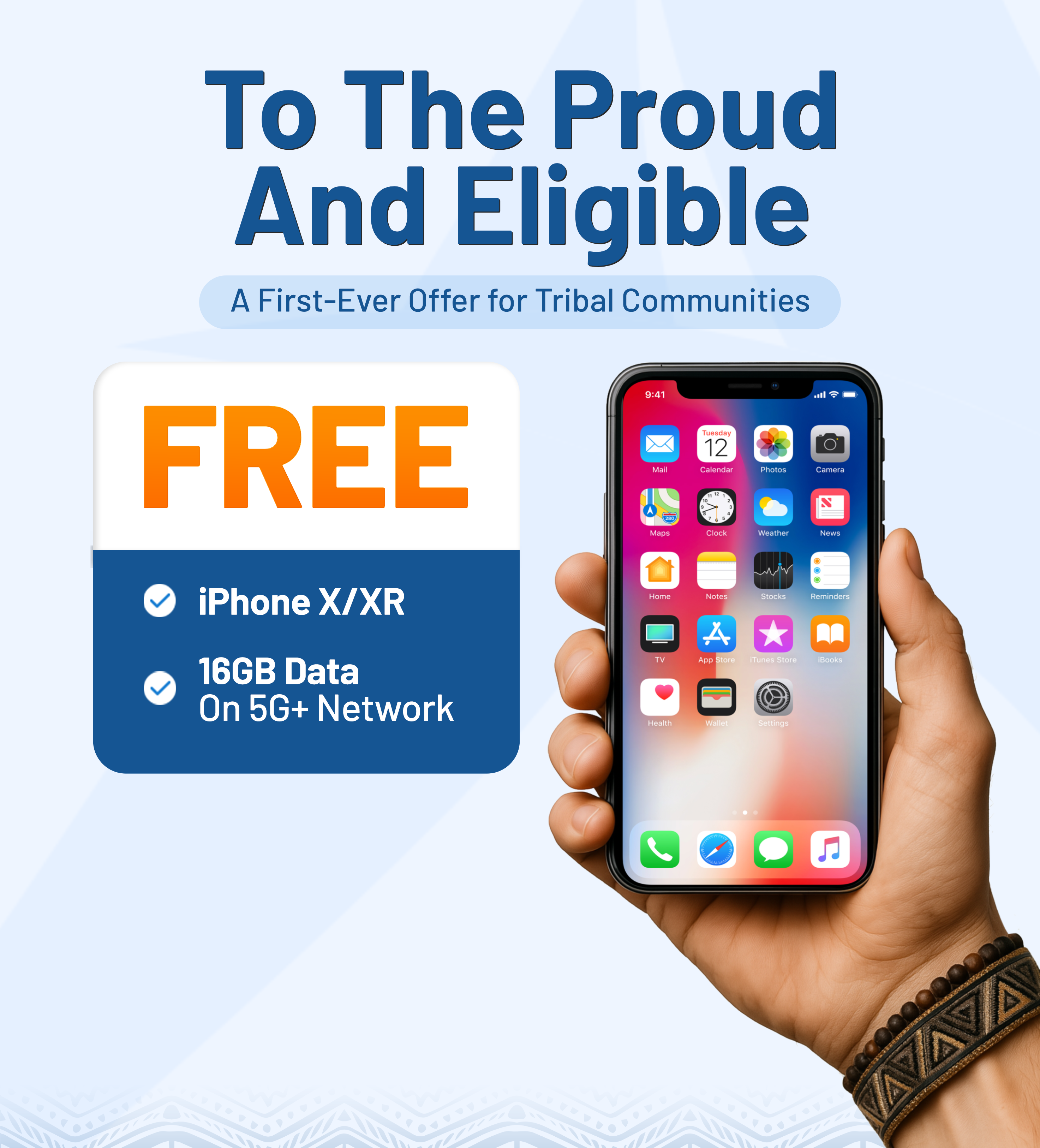
Some Lifeline providers, including AirTalk Wireless, offer free phone or tablet options in their plans when you sign up with them.
Medicaid is recognized as a qualifying assistance program, which means eligible low-income students can apply for Lifeline without separately proving income.
For college students on tight budgets, a free phone or tablet through Lifeline can eliminate one major expense and make managing school and life much easier.
Lower communication costs when participating in Lifeline enable students to allocate their limited income more effectively to essentials such as housing, food, and school supplies.
>>> Read more: Best Free Tablets For Students
6. FAQs
Are college students automatically eligible for Medicaid?
No. Eligibility depends on income, household status, and state rules.
Does financial aid count as income for Medicaid?
Student loans generally do not count as income, but some grants or stipends may, depending on the state.
Can I keep Medicaid if I move for college?
You can usually keep Medicaid when you move for college, but you may need to update your address with your home state’s Medicaid office.
In case you’re moving to a different state, you’ll likely need to apply for Medicaid in your new state since coverage doesn’t automatically transfer across state lines. Contact both states’ Medicaid offices before your move.
Can Medicaid help me qualify for a free phone?
Yes. Medicaid is a qualifying program for the Lifeline phone benefit. You can apply for Lifeline services through AirTalk Wireless to get a free government phone and free phone service.
Final Words
So, are college students eligible for Medicaid? Medicaid eligibility depends on income, dependency status, and state-specific rules. For students with limited budgets, Medicaid participation can provide important health coverage and serve as a gateway to other support programs, such as Lifeline.
Take the time to check eligibility and understand state requirements to make informed decisions about your healthcare and monthly expenses.
- Share This:
-
-
-
-
-
-
-
-
New on AirTalk Wireless


