

7 Things to Know About Getting a Breast Pump Through Medicaid
- Share This:
-


-

-

-

-

-

-

-


Getting a breast pump through Medicaid is one of the most valuable benefits available to expectant and new mothers in the United States. Medicaid helps lower the cost of essential maternal care, and a breast pump is often a core part of that support.
However, the rules, coverage types, pump options, documentation, and approval timelines can vary based on the state, the type of Medicaid plan, and your medical situation. This guide breaks down everything you need to know, including eligibility, what breast pumps Medicaid will pay for, how to apply, and what to expect next.
1. What Does It Mean to Get a Breast Pump Through Medicaid?
Receiving a breast pump through Medicaid means Medicaid will cover the cost of a breast pump that supports safe and effective breastfeeding. Many Medicaid programs cover the entire cost, though specific rules vary depending on your plan and the guidelines in your state.

Typically, Medicaid covers the cost of a standard electric breast pump or a manual breast pump if medically necessary.
In some states, Medicaid will also approve a rental hospital-grade breast pump for mothers facing special circumstances such as premature births or low milk supply.
According to experts, breast pumps are considered essential medical equipment that helps parents establish and maintain milk supply.
The most important thing to remember is that Medicaid never sends pumps automatically, you must request one through the proper channels and provide any necessary medical documentation required by your state.
2. What Breast Pumps Will Medicaid Pay For?
A major question parents ask is: What breast pumps will Medicaid pay for?
While exact models vary by provider, most Medicaid plans cover:
- A manual breast pump
- A basic or standard electric pump
- A hospital-grade rental if medically necessary
Most Medicaid programs do not cover luxury or high-end retail pumps, but instead focus on medically effective, reliable machines designed to support regular pumping.

In many cases, the pumps included through Medicaid are the same models offered by well-known brands commonly used in hospitals and birthing centers.
When applying for a breast pump through insurance Medicaid, keep in mind that coverage depends on your provider’s approved medical equipment suppliers. This means exact pump models differ based on state contracts and partnerships. Approved pumps almost always meet clinical standards for daily use, whether you’re pumping at home, at work, or between feedings.
3. Who Qualifies for a Breast Pump Through Medicaid?
Most parents enrolled in Medicaid meet the qualifications to receive a breast pump through Medicaid, but coverage varies depending on your specific plan and location. Generally, you may qualify if:
- You are pregnant
- You recently gave birth
- You are breastfeeding
- Your doctor determines a pump is medically necessary
- Your Medicaid plan includes durable medical equipment (DME)
Some states require a prescription for an electric pump, while others allow you to obtain one without a prescription. For example, certain Medicaid plans require a note from your OBGYN indicating why a pump is necessary, while others automatically include coverage during the postpartum period.
A common related question is: Are breast pumps covered under medical insurance? In general, yes. Most insurance plans, including Medicaid, provide coverage, although the process and approved models differ.
>>> Read more: Is Medicaid the Same in Every State? Rules & Coverage Guide
4. How to Get a Free Breast Pump Through Medicaid
If you’re wondering how to get a free breast pump through Medicaid, the process is simple but requires attention to detail. Here is a clear and fully accurate breakdown:
Step 1: Contact Your Medicaid Plan or Managed Care Provider
Before applying, verify your benefits. Your Medicaid ID card will show which managed care organization you belong to, and each plan has slightly different rules.
Step 2: Ask About Approved DME (Durable Medical Equipment) Providers
Medicaid works only with specific suppliers. Your plan will give you a list of approved companies that provide breast pumps.
Step 3: Get a Prescription if Required
Some states require a prescription stating whether you need a manual pump, standard electric pump, or hospital-grade rental. The prescription may include your expected due date.
Step 4: Submit Your Request Through the DME Provider
The DME provider will process your request, verify your Medicaid eligibility, and ship the pump. Some suppliers require postpartum documentation.
Step 5: Receive Your Breast Pump at No Cost
Once approved, Medicaid covers the cost, and your breast pump arrives directly by mail or pick-up.
This entire process is the foundation of learning how to get a free breast pump through Medicaid, and following each step ensures you avoid delays and unnecessary complications.
5. Bonus: Free Phone Service With Medicaid – Can You Qualify?
If you’re approved for Medicaid, there’s a strong chance you may also qualify for free phone service with Medicaid through AirTalk Wireless.
This benefit is extremely helpful for new parents, especially during the postpartum period when consistent communication with healthcare professionals is essential.
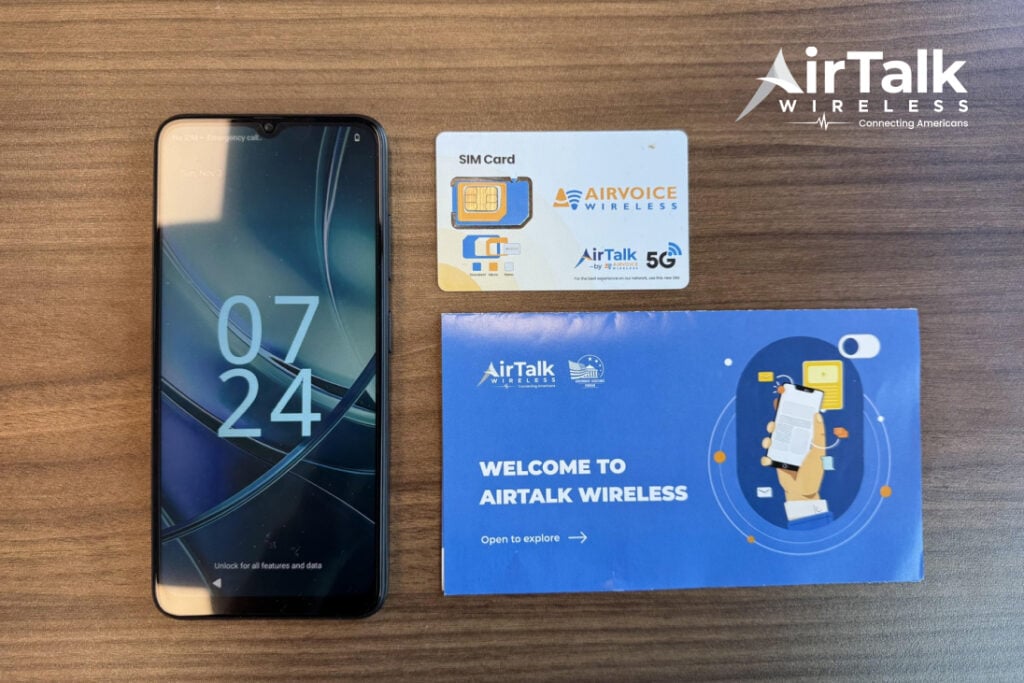
Through AirTalk Wireless’ Lifeline-related support, eligible applicants may receive free monthly talk, text, high-speed data, and access to discounted smartphones that make it easier to manage health needs.
With this service, parents can schedule pediatric appointments, join telehealth visits, communicate with lactation consultants, receive reminders for immunizations or postpartum checkups, and stay connected with family support systems.
Depending on availability, some applicants may also qualify for upgraded phone models at reduced prices, making it easier to access apps for breastfeeding guidance, newborn care, and medical information.
>>> Read more: Can You Get a Free Phone and Tablet With Medicaid in 2025?
6. FAQs
Breast pump through insurance Medicaid: what’s included?
Coverage typically includes a manual or electric breast pump, tubing, flanges, and basic accessories. Extras like cooler bags or high-capacity battery packs may not be included unless medically necessary.
Does Medicaid cover replacement parts?
Many Medicaid programs cover essential replacement parts, especially tubing and valves, since these components affect safety and hygiene. Coverage depends on your DME provider and state rules.
Does Medicaid cover hospital-grade breast pumps?
Yes, but usually only with a medical reason, such as NICU stays, premature birth, or difficulty establishing milk supply. Hospital-grade pumps are rented, not owned.
When can I request the pump – before or after birth?
This varies by state. Some Medicaid plans allow you to request a pump during pregnancy (often in the third trimester), while others approve only after the baby is born. It’s best to verify early to avoid delays.
Final Words
Understanding how to access a breast pump through Medicaid can make breastfeeding easier and more manageable. The process may require a prescription, a DME supplier, or written medical necessity, but Medicaid coverage makes safe feeding accessible to millions of families.
Whether you’re researching What breast pumps will Medicaid pay for? or figuring out how to get a free breast pump through Medicaid, preparation is key.
- Share This:
-
-
-
-
-
-
-
-
New on AirTalk Wireless


