

Can You Buy Baby Food With EBT? Essential Guide for SNAP Families
- Share This:
-


-

-

-

-

-

-

-


For families with infants, grocery bills rise quickly formula, purees, toddler snacks, and cereals add up fast. That’s why so many parents search for answers to one central question: can you buy baby food with EBT? Because SNAP rules can be confusing and vary based on packaging, branding, and how the item is classified, parents want clarity before heading to the store. This guide explains everything you need to know about buying baby food with EBT so shopping becomes easier, stress-free, and budget-friendly.
1. Can You Buy Baby Food with EBT?
When parents ask “Does EBT pay for baby food?” The answer is a reassuring YES, but it helps to understand exactly which items qualify.
SNAP only covers items recognized as food for at-home consumption, and baby food fits perfectly into that category. Here is a deeper breakdown to help parents shop confidently:

1.1. All Stages of Baby Purees
From single-ingredient apple puree to advanced blends with quinoa or chicken, every jar or pouch counts as food. This includes:
- Stage 1 (simple fruits & veggies)
- Stage 2 (mixed blends)
- Stage 3 (chunkier meals)
- Organic specialty blends
Even newer products like freeze-dried baby food or cold-pressed pouches qualify as long as they are sold as food.
1.2. Infant Cereals
These products are essential for early development:
- Iron-fortified cereals
- Multigrain blends
- DHA/ARA-enhanced cereals
- Organic or non-GMO options
All of them are fully EBT-eligible.
1.3. Toddler Transition Foods
As babies grow, EBT continues to help. Eligible items include:
- Toddler mac & cheese cups
- Pantry-ready toddler meals
- Soft baked bars
- Whole-grain crackers
- Mini fruit bars
Anything that functions as a food (not a supplement) will be accepted.
1.4. Formula Not Covered by WIC
EBT can be used to buy many formulas that WIC does not provide, such as:
- Hypoallergenic varieties (Nutramigen, Alimentum)
- Organic formulas
- Goat’s milk formulas
- Sensitive stomach formulas
This makes EBT a critical backup for families during shortages.
1.5. Cultural or Specialty Baby Foods
Families from different backgrounds often use:
- Rice porridge mixes
- Lentil baby soups
- Mashed vegetable packets
- Grain porridges for toddlers
These are also EBT-eligible if sold as food inside a grocery retailer.
If you’ve ever wondered, “Does SNAP work on baby food?” It absolutely does, across all major baby nutrition categories.
2. Baby Feeding Items That Are Not Eligible
EBT rules can feel strict, especially for new parents. While SNAP covers almost any food, it does not cover non-food baby items, even when they are necessary for feeding.
Here is a more detailed explanation:
- Feeding Equipment: These are considered household goods: Bottles, sippy cups, baby spoons & forks, bowls, plates, silicone mats. Even though they relate to eating, they are classified as products not food.
- Cleaning & Hygiene Supplies: SNAP does not cover: Bottle brushes, sterilizers, bottle soap, wipes, diapers, diaper disposal bags. These items fall under non-food categories, even if they are essential.
- Supplements & Fortifiers: Many parents assume items like: Baby probiotics, Vitamin D drops, Electrolyte solutions, Formula fortifiers. If the product includes the word supplement, it is automatically ineligible.
- Baby Water: Distilled or purified water labeled for formula mixing is considered non-food, even though it’s used in feeding. Understanding what isn’t eligible helps parents avoid declines at checkout and plan smarter shopping trips.
3. Other SNAP-Eligible Items for Families With Babies
Parents often ask, “What other items can you buy with EBT?” beyond baby products. SNAP allows a wide variety of groceries that help families meal-prep for both adults and children.
Here are expanded examples:
3.1. Fresh Produce for Homemade Baby Food
Parents using baby-led weaning or preparing home purees can use EBT for:
- Pumpkin, sweet potato, carrots
- Apples, bananas, berries
- Avocado, mango
- Spinach, kale
Fresh and frozen produce are both eligible.
3.2. Protein Sources
When babies reach the protein-introduction stage, EBT covers:
- Chicken thighs, breast meat
- Ground turkey or beef
- Salmon or white fish
- Beans and lentils
These can be boiled, shredded, or pureed for toddlers.
3.3. Dairy & Alternatives
Toddlers can enjoy:
- Whole milk
- Cheese cubes
- Yogurt
- Soy or oat milk (depending on age recommendations)
Perfect for families introducing new textures.
3.4. Pantry Staples
Families frequently use EBT for:
- Rice
- Pasta
- Oatmeal
- Bread
- Whole grains
These items help fill the table affordably.
4. Combining SNAP With Lifeline for Maximum Savings
SNAP saves families money on foodbut parents still face cellphone bills, internet costs, and essential expenses.
That’s where Lifeline comes in.
4.1. How Lifeline Helps SNAP Households
Since SNAP participation makes families eligible for Lifeline, they can receive:
- A free smartphone
- Free monthly talk & text
- Free or discounted data plans
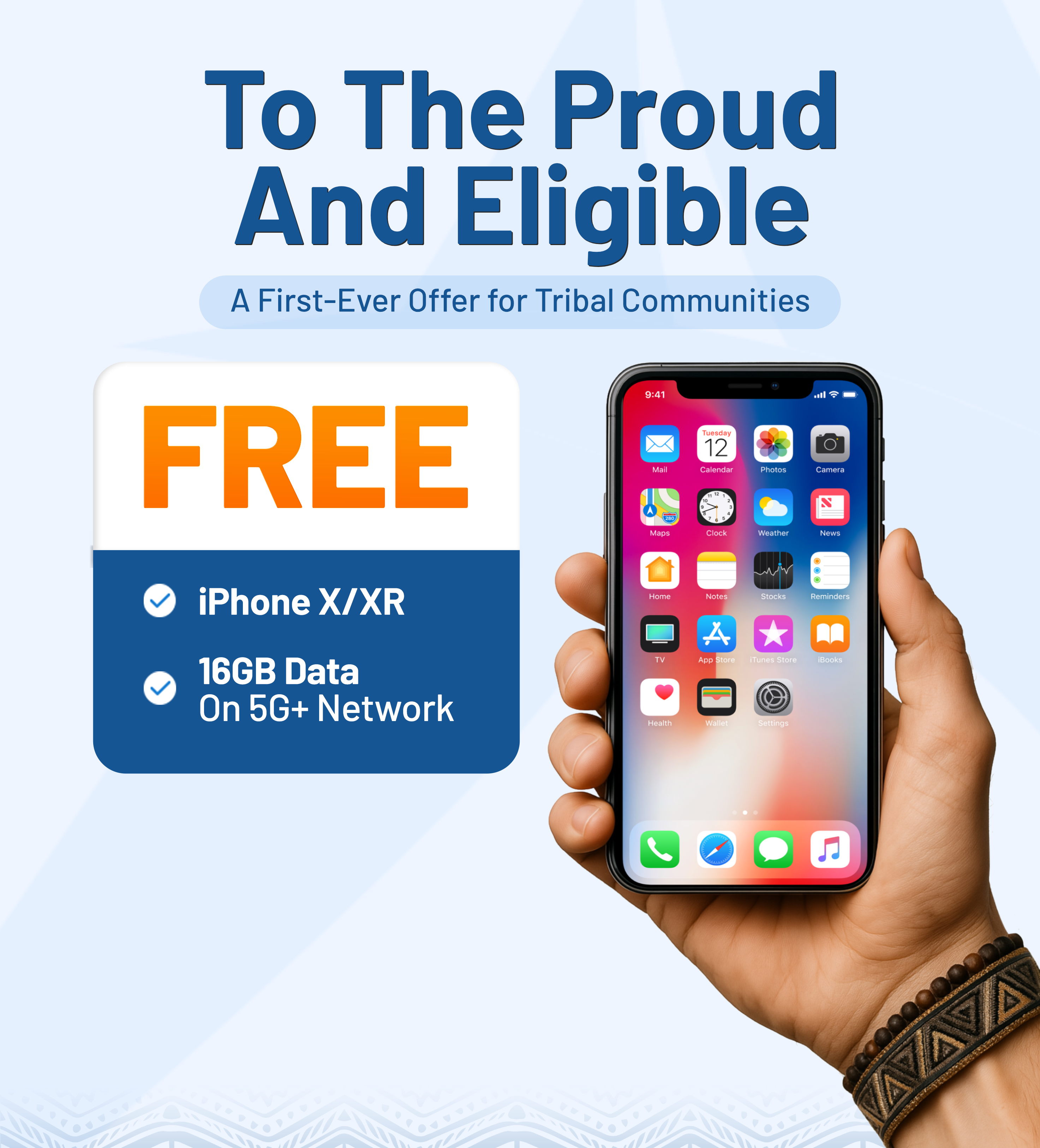
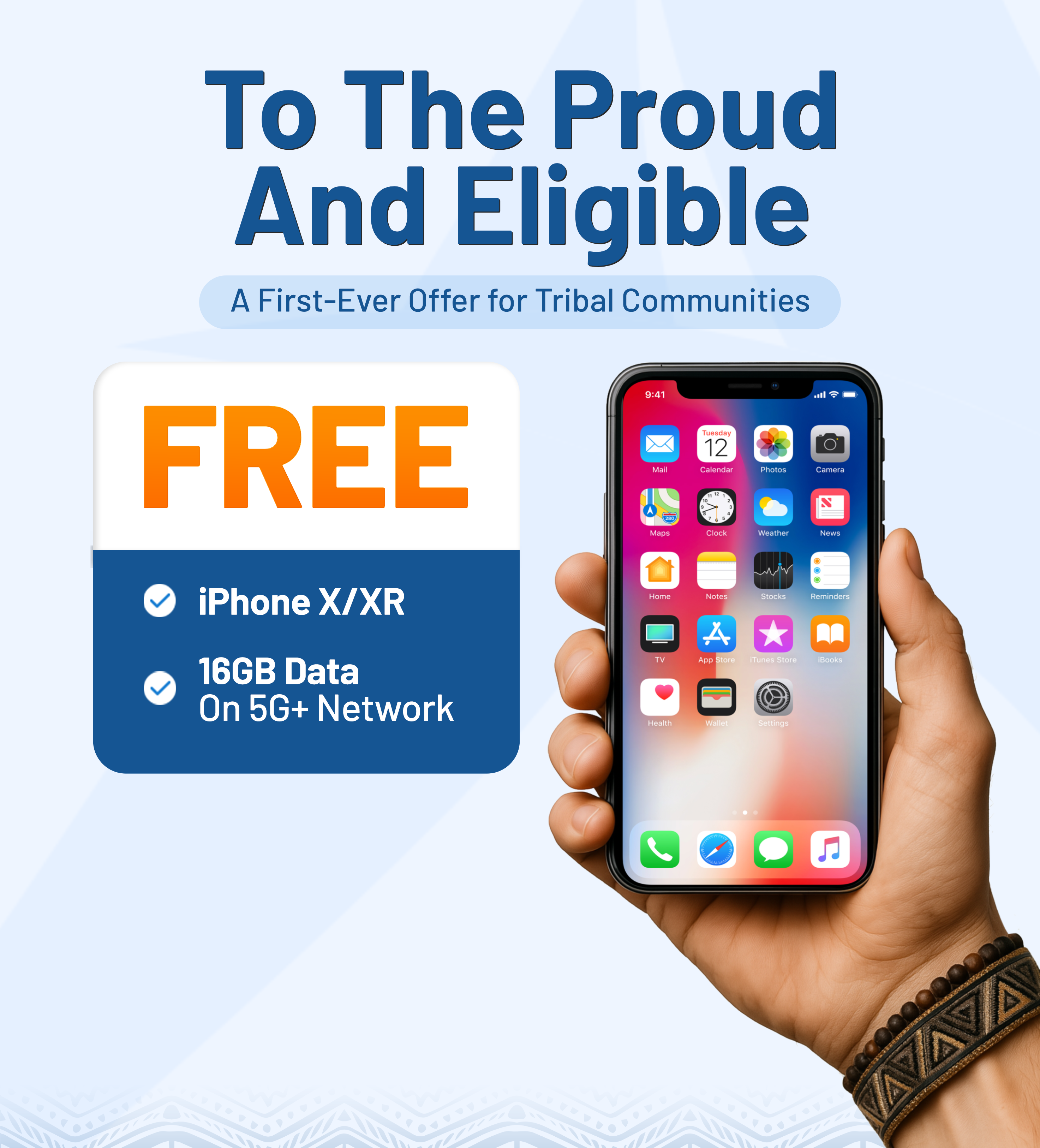
Providers like AirTalk Wireless offer upgraded devices and reliable connectivity, helping parents stay in touch with childcare providers, doctors, workplaces, and schools.

4.2. Why Combining Programs Matters
Together, SNAP + Lifeline help families:
- Reduce grocery bills
- Eliminate phone service expenses
- Save money for diapers and baby essentials
- Improve access to healthcare apps, telehealth, and parenting tools
For families with infants, these savings matter more than ever.

IMPORTANT: The government does not subsidize devices. Lifeline programs cover basic service costs only. Free or discounted devices, upgrade plans, or top-ups are exclusive benefits provided by AirTalk Wireless as part of our promotional offers. Terms and conditions apply. Limited-time promotion—offers vary by state, stock availability, and eligibility.
5. FAQs About Baby Food and EBT
Does EBT pay for baby food?
Yes. purees, cereals, toddler snacks, and most formulas qualify.
Can you buy baby food with EBT?
Absolutely. The USDA classifies baby food as eligible groceries.
Does SNAP work on baby food?
Yes. SNAP covers foods intended for home consumption, which includes all major baby food categories.
How to get baby food for free?
Families can explore:
- WIC
- Local food banks
- Hospital programs
- Nonprofit diaper/baby supply banks
- Store loyalty programs
- Manufacturer samples & coupons
These resources help supplement SNAP benefits during shortages.
What other items can you buy with EBT?
Any food item, including meats, grains, vegetables, dairy, snacks, and baking essentials.
Final Thoughts
So, can you buy baby food with EBT? Yes, SNAP ensures families can access essential nutrition for infants and toddlers. While non-food baby products remain ineligible, EBT covers a wide selection of formula, cereals, purees, toddler meals, and household groceries that support family nutrition.
By understanding eligibility rules and combining SNAP with Lifeline benefits through programs like AirTalk Wireless, families can stretch their budget further while ensuring their baby receives consistent, high-quality nourishment. SNAP remains one of the most valuable tools for helping parents maintain stability and support their child’s healthy growth.
- Share This:
-
-
-
-
-
-
-
-
New on AirTalk Wireless


