

Can You Buy Toilet Paper With EBT? 5 Helpful Facts You Should Know
- Share This:
-


-

-

-

-

-

-

-


Many SNAP users wonder can you buy toilet paper with EBT, especially when trying to stretch their monthly budget. The rules can be confusing, and not knowing what EBT covers often leads to declined transactions at checkout. Understanding the difference between food and non-food eligibility helps you avoid mistakes and plan better. This guide explains everything beginners need to know, including alternatives for getting essential household items.
1. Can You Buy Toilet Paper With EBT?
Many people using SNAP for the first time wonder can you buy toilet paper with EBT, especially because toilet paper is such an essential household item. The answer is No, you cannot buy toilet paper with EBT.
Even though it is something every household needs, SNAP funds are restricted under federal law and can only be used for food intended for home consumption. Every non-food item, no matter how necessary, is automatically rejected at checkout when using an EBT card.
Understanding can you buy toilet paper with EBT helps new SNAP recipients avoid confusion at the store and learn which alternatives exist for getting household essentials.
The Official SNAP Rule for Non-Food Items
The best way to understand can you buy toilet paper with EBT is by checking the official SNAP rule.
The rules for SNAP are set by the United States Department of Agriculture (USDA). SNAP is legally defined as a nutrition assistance program, not a general assistance program. That means only food items are eligible for purchase. Anything that falls outside the definition of “food” under USDA guidelines is considered ineligible.
That’s why the answer to the question Can you buy toilet paper with EBT is no. Toilet paper, cleaning supplies, hygiene items, diapers, wipes, and all paper products fall into the non-food category, which is why the system automatically rejects them.

These rules are not created by retailers; they are federal guidelines enforced nationwide. Even if a store sells both groceries and household essentials, the EBT system will approve only items considered food for home consumption.
Why Can’t You Buy Toilet Paper With Food Stamps?
Now you can stop questioning, can you buy toilet paper with EBT, or why can’t you buy toilet paper with food stamps? The answer lies in the legal purpose of SNAP. Congress created SNAP to improve nutrition for low-income families, not to cover general living expenses. Because toilet paper is not a consumable food item, it cannot be purchased under SNAP regulations.
SNAP funds must be used exclusively for food. The government separates food expenses from household expenses, and only one of those categories falls under SNAP. As a result, toilet paper is treated the same as soap, shampoo, laundry detergent, or sanitary products: necessary but not allowed with EBT.
2. Can You Buy Paper Products With EBT?
The answer is also no. Paper plates, paper towels, napkins, kitchen paper, and similar products are all classified as non-food items. Even products used while preparing food, such as parchment paper or baking cups, cannot be purchased with EBT.
These limitations can feel confusing for new SNAP users, but they are consistent across every state and every retailer because they stem from federal law.
>>> Read more: How to Get Free Diapers: Can You Buy Diapers with EBT?
How SNAP Defines “Food Purchases Only”
SNAP defines food as items meant to be eaten or used to prepare meals at home. This includes fruits, vegetables, dairy, grains, protein, packaged foods, canned goods, and some meal kits or ready-to-eat items that are not consumed inside the store. Anything that is not eaten or not directly involved in meal preparation as an ingredient is placed outside the program’s coverage.
Because toilet paper does not contribute to nutrition, it is automatically excluded. You can find the explanation of EBT-eligible foods on the USDA’s official website.
Examples of Paper Items Not Covered
Some SNAP recipients also wonder about related products. For example, does EBT SNAP cover diapers? The answer is no; diapers are considered hygiene products. Another common question is Can I buy wipes with an EBT card? Wipes are also not covered because they are hygiene items, not food.

These rules aren’t meant to minimize the importance of household goods. Instead, they exist because SNAP is one part of a larger system of federal and community assistance programs, each covering different needs. While SNAP covers food, other programs help with non-food essentials.
3. What You Can Buy Instead: Eligible Food Purchases
When consumers ask can you buy toilet paper with EBT, they often want to know what is actually allowed. SNAP covers a wide range of food items meant for home consumption. This includes fresh produce, meat, dairy products, seafood, frozen meals, canned and packaged foods, bread, snacks, non-alcoholic beverages, and more.
Many people are also curious about What is the most purchased item on EBT? Generally, reports show that items such as milk, bread, juice, fresh vegetables, and pantry staples tend to be the most commonly purchased products. These items directly support the daily nutrition needs of families, which is why SNAP prioritizes them.
While toilet paper is not covered, shifting part of a household budget toward EBT-eligible foods can free up cash to purchase necessary non-food items separately.
>>> Read more: What Are EBT Benefits and How Do They Work?
4. Alternatives for Getting Help With Non-Food Essentials
All in all, the answer to Can you buy toilet paper with EBT is still no. Not being able to purchase toilet paper with EBT may feel frustrating, but there are several other options for receiving help with household essentials. Many families who qualify for SNAP also qualify for additional support programs that cover items SNAP cannot.
These resources include assistance from community organizations, state-level programs, and federal benefit programs designed to reduce the overall financial burden for low-income households.
Local Support Programs
Across the country, local nonprofit organizations, community centers, and food pantries often distribute hygiene supplies, including toilet paper, paper towels, diapers, and wipes. These programs operate through donations and grants, allowing them to provide non-food essentials that SNAP does not cover.
To locate nearby support programs, individuals can use the directory available through USA.gov.
State or Community Resources
Some states operate additional support programs specifically to assist low-income families with household necessities. These programs may offer hygiene kits, monthly supplies of personal care items, or partnerships with community organizations to distribute non-food essentials. Because these programs vary by location, SNAP recipients are encouraged to contact local agencies or visit state benefit websites to see what extra assistance may be available.
Other Federal Programs
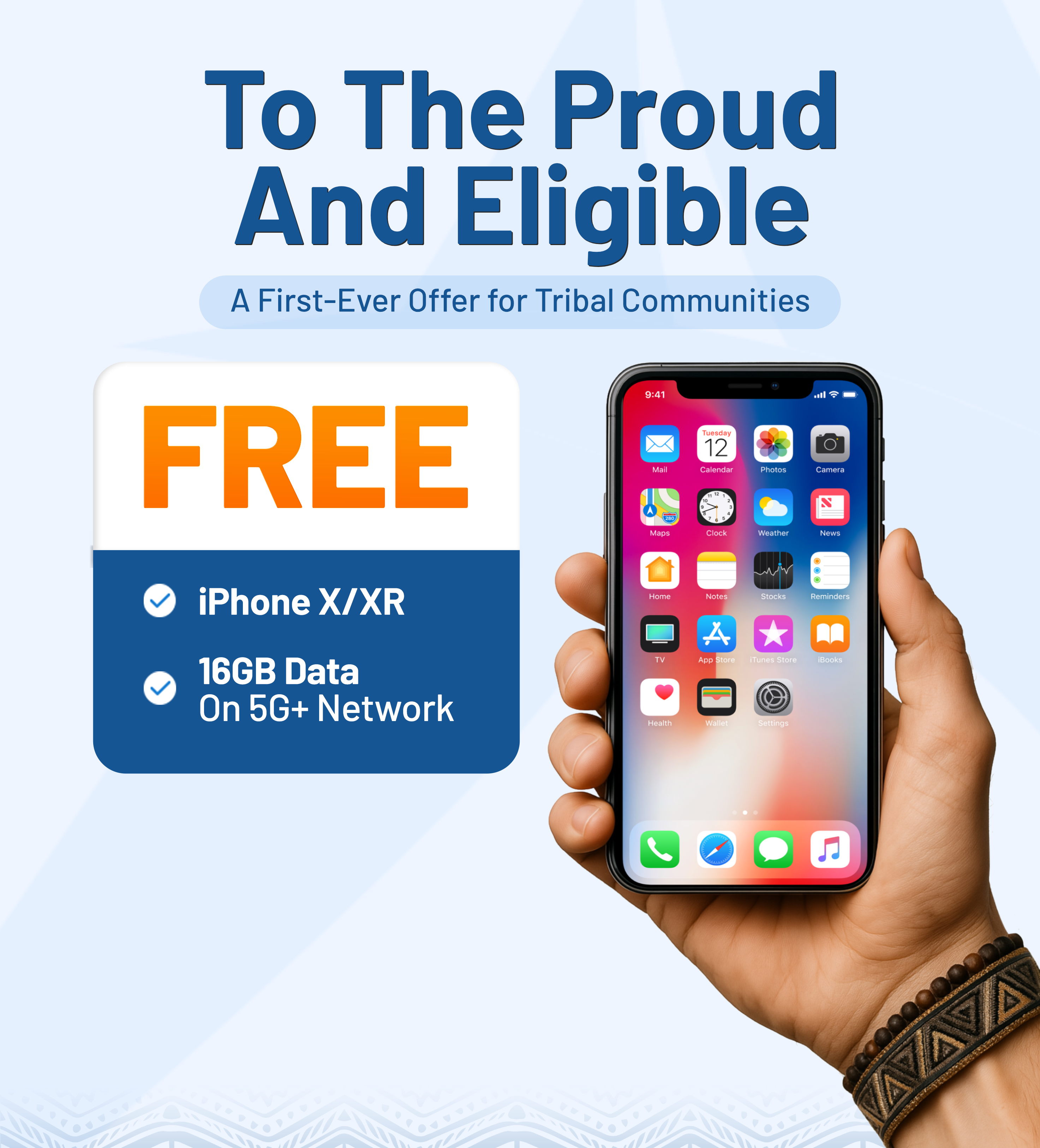
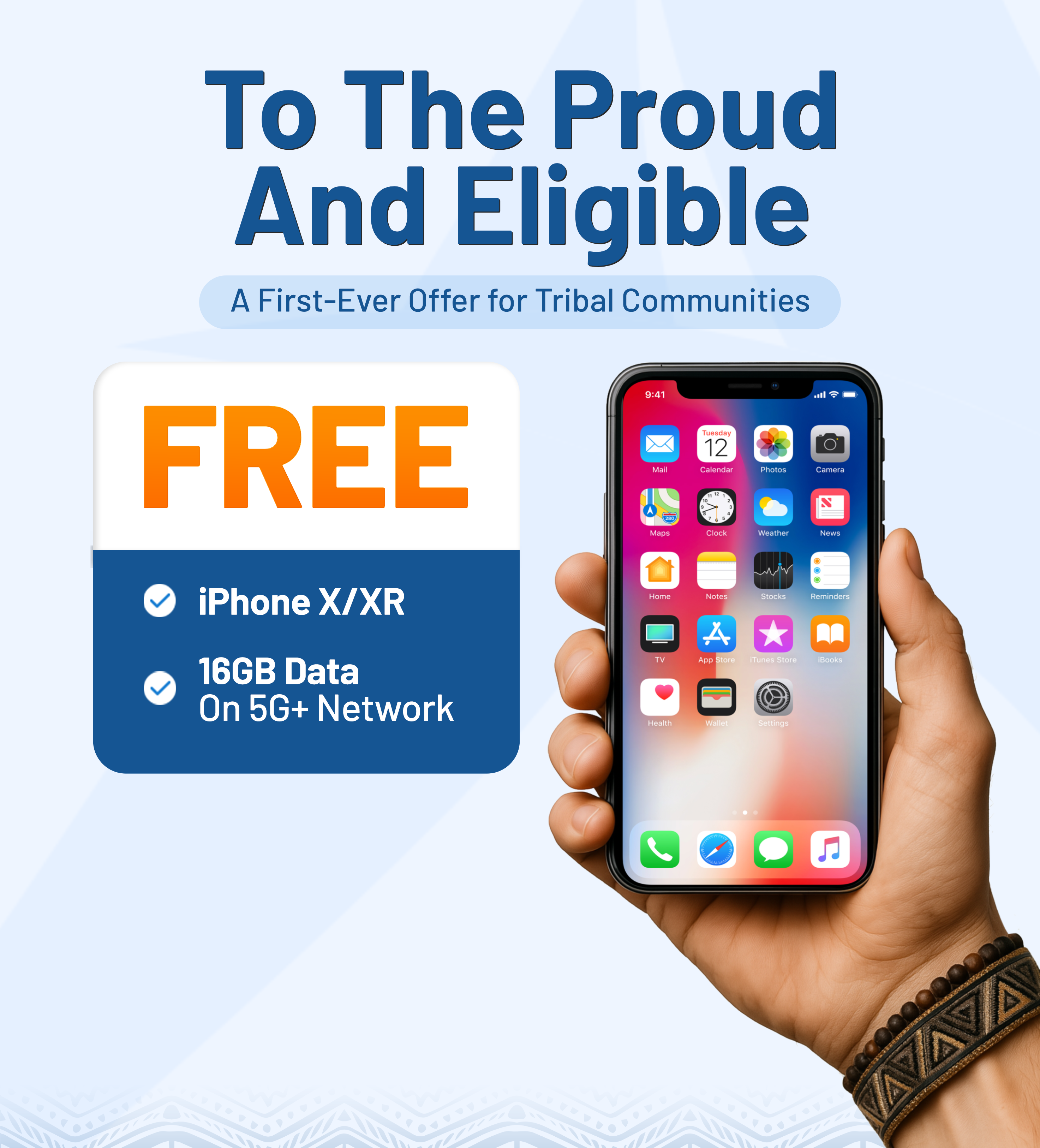
One major form of support that many families qualify for, but don’t use, is federal communication assistance. Programs like Lifeline help households stay connected by reducing or eliminating the cost of smartphones and wireless service. This is especially important for families managing multiple assistance programs, job searches, school communication, and emergencies.
AirTalk Wireless plays an important role here by providing free smartphones to eligible low-income households. For many families who cannot use EBT on toilet paper or hygiene supplies, receiving a free phone from AirTalk Wireless helps reduce overall living expenses.
When a household no longer needs to budget for a phone or service plan, it becomes easier to afford essential non-food items like toilet paper.
AirTalk Wireless offers free devices and monthly service for qualifying applicants based on income or participation in programs like SNAP, Medicaid, SSI, or Federal Public Housing Assistance. That’s why you can stop asking Can you buy toilet paper with EBT because this support helps families save more money for the items SNAP cannot cover.
Conclusion
The question can you buy toilet paper with EBT is incredibly common, and the answer is always the same: no. Because SNAP is strictly a nutrition assistance program, toilet paper and all other non-food household items fall outside its coverage. While this may feel limiting, there are several effective ways to receive help with essential items through local programs, state initiatives, federal resources, and providers like AirTalk Wireless.
- Share This:
-
-
-
-
-
-
-
-
New on AirTalk Wireless


