


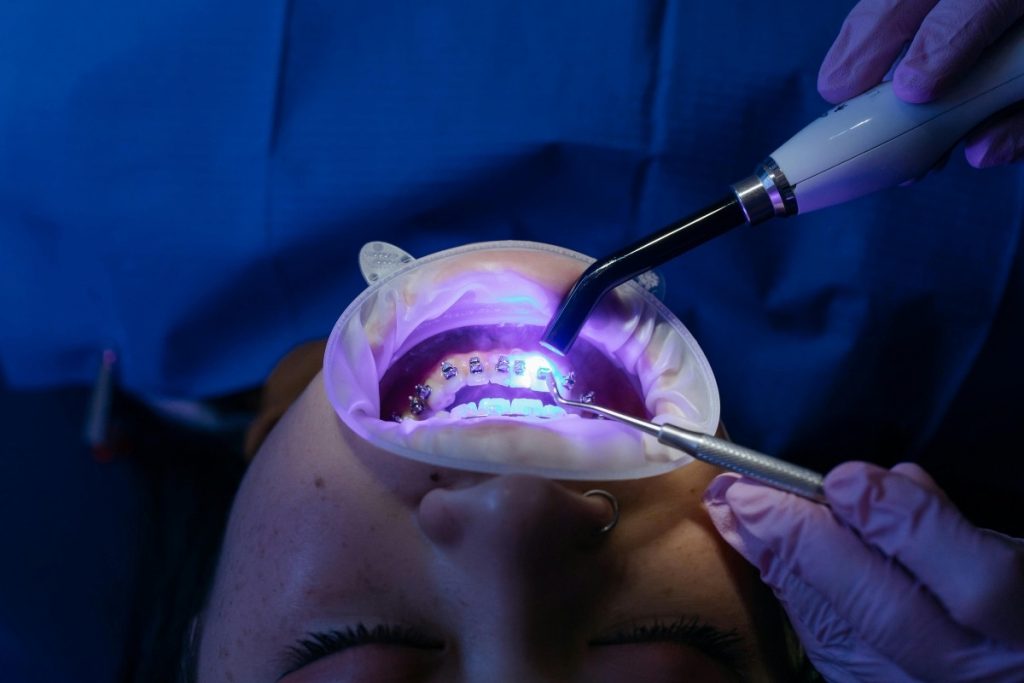
Orthodontic treatment can be expensive, and many families wonder whether Medicaid helps cover the cost of braces. For residents enrolled in Florida Medicaid, dental benefits may include certain orthodontic services under specific conditions.
Does Medicaid cover braces in Florida? Let’s figure it out.
1. Does Medicaid Cover Braces in Florida?
Many families ask whether Medicaid covers braces in Florida when a child needs orthodontic treatment. In general, Medicaid may cover braces for children if the treatment is considered medically necessary, rather than cosmetic.
This means orthodontic care must address serious dental or jaw alignment problems that affect oral health, speech, chewing, or overall development. If these conditions are present, dentists or orthodontists may recommend braces and submit documentation for Medicaid review.


However, routine orthodontic treatment for cosmetic reasons is usually not covered. For families researching “does Medicaid cover braces in Florida?”, qualification typically depends on medical evaluations, orthodontic assessments, and approval from the Medicaid program.
>>> Read more: Is Florida KidCare Medicaid?
Orthodontic Coverage for Children Under Medicaid
Children enrolled in Medicaid often receive broader dental benefits under federal rules that require states to provide medically necessary dental services for individuals under age 21 through the Early and Periodic Screening, Diagnostic, and Treatment (EPSDT) benefit.
About Adult Orthodontic Coverage in Florida
Orthodontic coverage for adults under Medicaid is generally very limited. Most state Medicaid programs focus dental benefits on preventive care and essential treatments rather than elective orthodontic services.
As a result, adults who want braces usually need to pay out of pocket unless the treatment is required to address a serious medical condition.
With Florida Medicaid, it covers emergency-based dental services for adults 21 and older, including exams, X-rays, extractions, dentures, and pain management. Some services require prior authorization and must be medically necessary.
Since 2018, expanded dental benefits became available to eligible adults at no cost, covering a broader range of services such as teeth cleanings, fillings, fluoride sealants, dental screenings, and consultations.
Pregnant women 21 and older may also qualify for additional services to support a healthy pregnancy, and individuals with disabilities can request a comfort visit before undergoing dental work.
How Dentists Determine Medical Need
Orthodontists typically evaluate several factors when determining whether braces may qualify for Medicaid coverage. These evaluations may include dental exams, bite measurements, and diagnostic imaging such as X-rays.
If the orthodontist believes treatment is medically necessary, documentation may be submitted to Medicaid for prior authorization before braces are approved.
2. What Does Medicaid Cover for Dental in Florida?
Florida Medicaid provides a range of dental services designed to support oral health and prevent serious dental problems. While orthodontic coverage may be limited, other types of dental care are commonly included.
Let’s check out which treatments may be available through participating dentists.

Preventive Dental Services
Preventive care focuses on maintaining oral health and reducing the risk of dental disease. Medicaid dental benefits often include services such as dental exams, cleanings, fluoride treatments, and diagnostic X-rays.
Regular preventive care can help detect dental problems early and reduce the need for more complex treatment later.
Basic and Restorative Treatments
Basic dental treatments may include services such as fillings and crowns, simple extractions, and treatment for dental infections. These procedures are intended to restore oral health and relieve pain caused by damaged or decayed teeth.
Coverage for restorative services may vary depending on the patient’s age and Medicaid plan.
Dental Services That Usually Are Not Covered
Some dental procedures are generally not covered by Medicaid unless they are medically necessary. These may include cosmetic treatments such as teeth whitening, veneers, or orthodontic services used only for appearance.
Because orthodontic care is often considered elective, many families ask does Medicaid cover braces in Florida when evaluating treatment options.
>>> Read more: Pregnancy Medicaid Florida: Eligibility, Income Limits, and How to Apply
3. Step-by-Step: How to Apply for Braces Through Florida Medicaid
Families who believe their child may qualify for orthodontic treatment through Medicaid typically need to follow several steps before braces can be approved.
Step 1 – Confirm Your Medicaid Dental Benefits
The first step is verifying that the patient is enrolled in a Medicaid plan that includes dental coverage. Families can review plan documents, contact their Medicaid provider, or check the Florida Medicaid dental services information page to learn which dental treatments and providers are available through the state program.
Step 2 – Schedule an Orthodontic Evaluation
Next, patients should schedule an evaluation with a dentist or orthodontist who accepts Medicaid. During this visit, the provider will assess the patient’s dental alignment, bite, and oral health.
Step 3 – Submit Prior Authorization
If braces are considered medically necessary, the orthodontist may submit documentation and treatment plans to Medicaid for review. This process is known as prior authorization.
Approval depends on whether the treatment meets Medicaid’s medical necessity requirements.
Step 4 – Begin Treatment After Approval
Once Medicaid approves the orthodontic treatment, the patient can begin treatment with a participating dental provider.
Treatment timelines may vary depending on the complexity of the dental condition.
4. Get Free Phone and Internet Services with Medicaid
Reliable phone and internet access are essential for full participation in modern life, shaping opportunities in employment, education, relationships, and safety while enabling connection with family and community.
Students rely on internet connectivity to complete schoolwork, and individuals depend on digital tools to manage finances, access government benefits, and pay bills.
Many Medicaid beneficiaries don’t realize their enrollment automatically qualifies them for the federal Lifeline program, a telecommunications assistance initiative that provides free or heavily discounted phone service to low-income households.
The Lifeline program provides up to $9.25 monthly toward phone or internet service for eligible subscribers. When applying for Lifeline through AirTalk Wireless, qualified users may receive free or discounted smartphones from trusted brands like Apple, Samsung, or other connected devices.
It only takes you 5 steps to claim the free phone with Medicaid through AirTalk. Hop on now:
- Visit the AirTalk Wireless website and start your application
- Choose your preferred device from the available selection
- Select Medicaid as your qualifying program
- If required, submit proof of your Medicaid enrollment, such as copies of your approval letter
- Complete your application and wait for your device to be shipped directly to you


>>> Read more: Free Government Phone Florida: How to Get the Best Free Phones Today
5. FAQs
Does Medicaid cover braces in Florida?
Yes, but usually only for children when orthodontic treatment is considered medically necessary.
What does Medicaid cover for dental in Florida?
Medicaid may cover preventive services, basic dental treatments, and emergency care, depending on the patient’s age and eligibility.
Is $7000 normal for braces?
Yes. Traditional braces can cost between $3,000 and $7,000, depending on treatment complexity and provider fees.
Can I pay $100 a month for braces?
Many orthodontic offices offer payment plans that allow patients to pay monthly instead of paying the full cost up front.
Final Word
Does Medicaid cover braces in Florida? For Florida families considering braces, understanding that Medicaid covers only medically necessary orthodontic treatment for children under 21 helps set realistic expectations.
Now, families can better prepare for dental evaluations, authorization requests, and treatment planning.