

eSIM vs Physical SIM: Which One Is Better in 2026?
- Share This:
-


-

-

-

-

-

-

-


The debate between eSIM vs physical SIM is no longer just for tech enthusiasts; it’s now something everyday smartphone users need to understand. As more devices move toward digital connectivity, the question isn’t just what’s the difference, but which one actually works better for you in real life.
1. What is an eSIM?
An eSIM (embedded SIM) is a digital version of the traditional SIM card. Instead of inserting a physical chip into your phone, the SIM profile is downloaded directly onto your device.
In the eSIM vs physical SIM comparison, eSIM stands out for its flexibility. You can switch carriers, activate plans, or add multiple lines without touching your phone’s hardware.
eSIM allows users to activate a cellular plan without a physical SIM card. Many newer smartphones now support eSIM, and most models still include a nano-SIM slot; eSIM-only designs are currently limited to certain devices and regions.
2. What Is a Physical SIM Card?
A physical SIM (pSIM) is the small plastic card you insert into your phone to connect to a mobile network. It stores your subscriber identity and allows your device to communicate with your carrier.
In the eSIM vs physical SIM discussion, physical SIM cards still dominate globally because they are simple, widely supported, and easy to transfer between devices. Just remove it from one phone and insert it into another, no downloads or QR codes required.
However, that simplicity also comes with limitations, especially in a world moving toward digital convenience.
>>> Read more: eSIM vs Nano SIM
3. eSIM vs Physical SIM: Key Differences
When comparing eSIM vs physical SIM, the differences go beyond just “digital vs physical.” It affects how you switch networks, travel, and even manage multiple numbers.
| Feature | eSIM | Physical SIM |
|---|---|---|
| Installation | Digital download | Insert card |
| Switching carriers | Instant | Requires new SIM |
| Dual SIM capability | Multiple profiles | Limited slots |
| Risk of loss | None | Can be lost/damaged |
| Compatibility | Newer devices | Almost all devices |
One of the most common concerns is eSIM vs physical SIM signal strength. The short answer: there is no inherent difference.
Signal strength depends on:
- Your carrier’s network
- Coverage in your area
- Device hardware
Not whether you use eSIM or a physical SIM.
GSMA, the global organization behind mobile standards, confirms that eSIM uses the same network infrastructure as traditional SIM cards.
So in the eSIM vs physical SIM debate, signal performance is essentially equal.

4. More Things to Consider Between Physical SIM and eSIM
When people compare eSIM vs. physical SIM, they often overlook practical, everyday factors that can impact your experience.
What Are the Disadvantages of eSIM?
While eSIM offers convenience, it does come with a few trade-offs:
- Not all carriers support eSIM yet
- Transferring between devices can be more complex
- Requires internet access for activation
- Troubleshooting may require carrier support
In the eSIM vs physical SIM pros and cons comparison, physical SIM still has an advantage: it’s simple and universally compatible.
Do eSIMs Drain Battery Faster?
The short answer is no.
There is no credible evidence showing that eSIM significantly impacts battery life. Both eSIM and physical SIM use the same cellular radios inside your phone.
In the eSIM vs physical SIM comparison, battery performance is nearly identical. Any difference you notice is likely due to network conditions or background apps, not the SIM type itself.
>>> Read more: eSIM vs iSIM: What’s the Difference and Which One Should You Use?
Is eSIM Better Than a Physical SIM?
The honest answer depends on how you use your phone.
eSIM is better if you:
- Travel frequently
- Use multiple phone numbers
- Want quick carrier switching
Physical SIM is better if you:
- Prefer simplicity
- Use older devices
- Frequently swap phones manually
5. When Should You Choose eSIM vs Physical SIM?
If you value convenience and flexibility, eSIM is a strong choice. It lets you activate a plan in minutes, switch carriers without waiting for a physical SIM card, and manage multiple profiles on one device. This is especially useful for frequent travelers, people who juggle work and personal numbers, or anyone who wants a quick, fully digital setup.
That said, a physical SIM still has its place. It’s often easier to move between devices. This can be helpful if you switch phones often, use older devices, or need a simple, no-setup solution. Physical SIMs are also more universally supported, especially in regions or carriers where eSIM adoption is still limited.
As you might know, AirTalk Wireless provides a free SIM card or eSIM for Lifeline customers. The Lifeline program offers discounts that help low-income individuals access more affordable or even free mobile plans.
That means if you apply for Lifeline on AirTalk Wireless, you can receive up to 16GB of free data each month, depending on your location, plus a free SIM kit or eSIM activation.
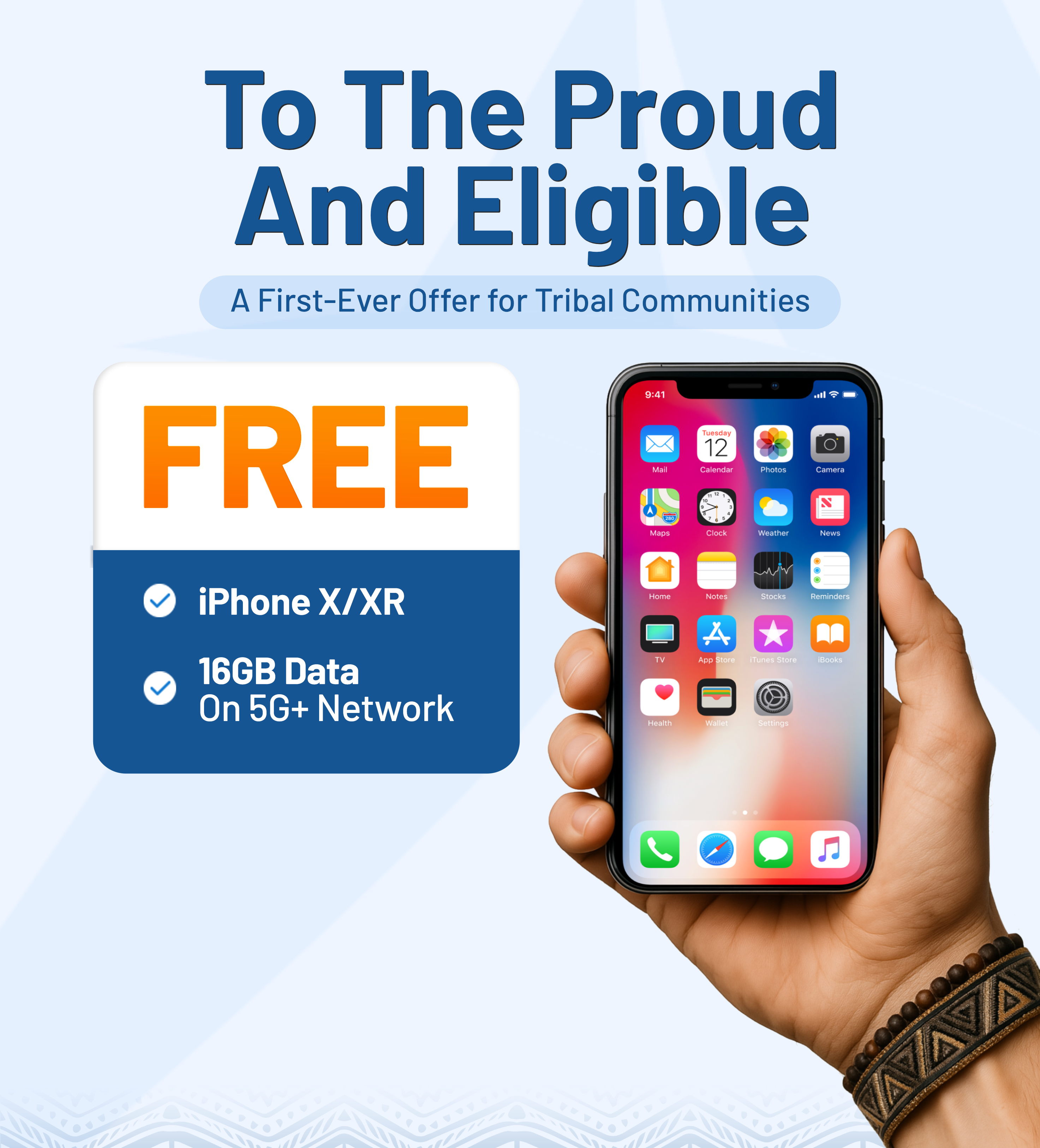
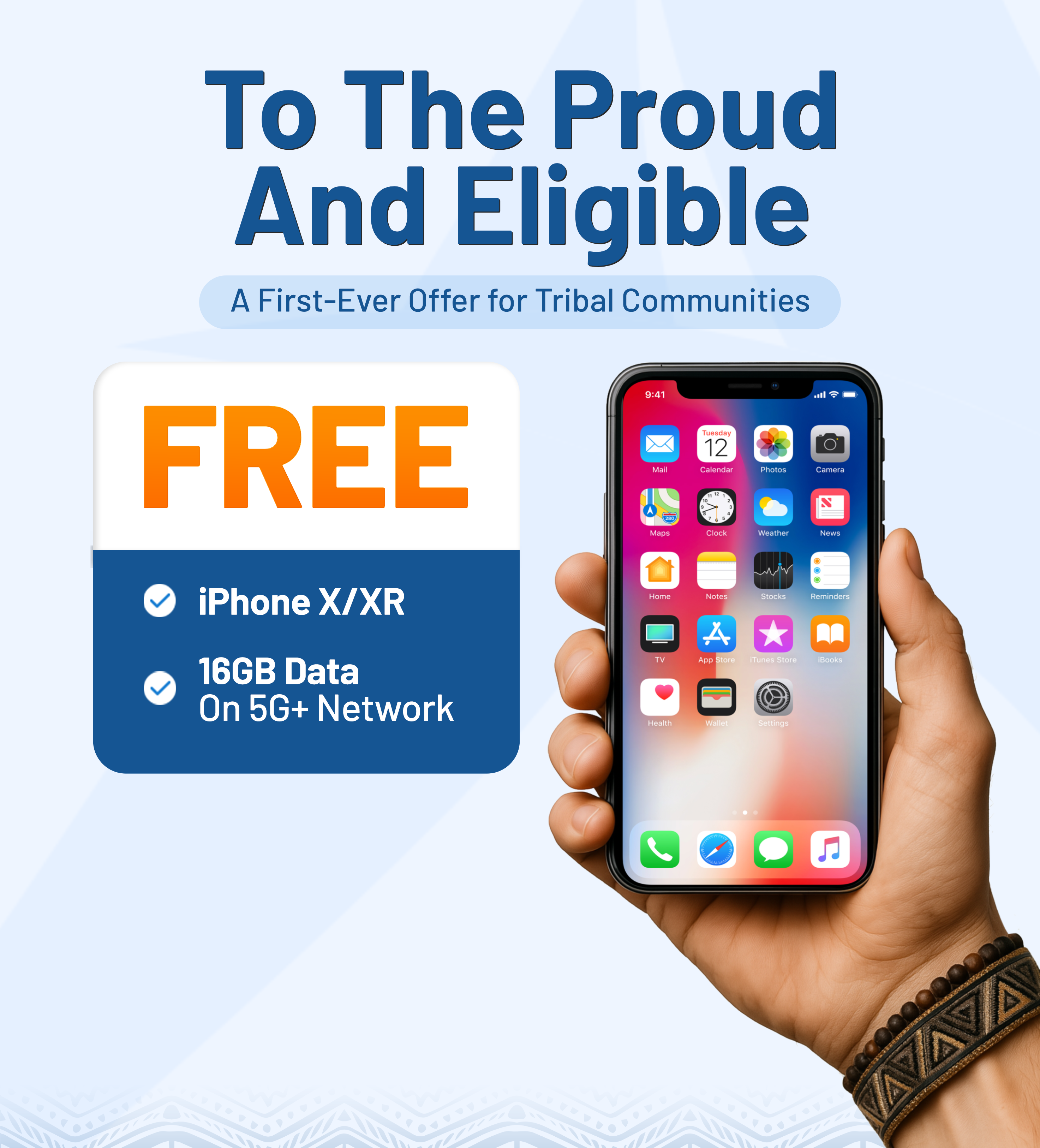
In addition, you may have the option to receive a free or discounted smartphone from AirTalk, such as the iPhone 8 (nano-SIM only), iPhone XS (nano-SIM + eSIM), iPhone 11 (nano-SIM + eSIM), or Samsung Galaxy A42 5G (nano-SIM only), and more.
Instead of buying an expensive phone outright, if you qualify, apply, choose a plan, and a device.

Note: Eligibility varies by state and program. Offers depend on availability and qualifications. AirTalk Wireless operates under the federal Lifeline Program as an Eligible Telecommunications Carrier (ETC). Service is non-transferable and limited to one service per household.
Final Verdict
After exploring every angle of eSIM vs physical SIM, one thing is clear: the future is leaning toward eSIM, but physical SIM isn’t disappearing anytime soon. In the end, the decision comes down to your needs. But if trends continue, the question may soon shift from “eSIM vs physical SIM” to simply “why haven’t you switched yet?”
- Share This:
-
-
-
-
-
-
-
-
New on AirTalk Wireless


