

Free Hotspot for Students: 4 Ways to Get Internet Without Paying Full Price
- Share This:
-


-

-

-

-

-

-

-


Reliable internet has become a necessity for studying, attending online classes, completing assignments, and applying for jobs. But for many students, paying for a separate hotspot or mobile data plan every month simply isn’t realistic.
The good news is that there are several ways to get a free hotspot for students or significantly reduce the cost of staying connected. From college lending programs to government assistance and nonprofit initiatives, this article explores the best options, who qualifies, and how to apply for each one.
1. Can Students Get a Free Hotspot?
Yes, free hotspot for students programs are available, but eligibility depends on where you study, your household income, and the resources available in your area.
While there isn’t one nationwide program that automatically provides free hotspots to every student, many schools, government initiatives, wireless providers, and nonprofit organizations offer internet assistance to help students stay connected.
The best option depends on your situation. Some students can borrow a hotspot from their college or university, while others may qualify for discounted or free mobile service through income-based assistance programs or community organizations.

2. The Best Ways to Get a Low-Cost or Free Hotspot for Students
There are several ways to reduce the cost of internet access while studying. Some options provide a hotspot device, while others offer free or discounted mobile service that can be used for hotspot access.
College or University Hotspot Loan Programs
Many colleges and universities operate technology lending programs that allow students to borrow mobile hotspots for a semester or academic year.
Eligibility is typically limited to currently enrolled students, although some schools prioritize those with financial need or students taking online classes.
To apply:
- Check your school’s library or IT services website.
- Look for equipment loan or technology lending programs.
- Submit a request if required and provide proof of enrollment.
- Pick up the hotspot according to your school’s borrowing policy.
Since availability is often limited, applying early is recommended.
Carrier Promotions for Students
Some wireless carriers offer student discounts, promotional pricing, or bundled mobile plans that reduce the cost of hotspot access.
Eligibility requirements vary by carrier and may require proof of student enrollment through a participating college or university.
To get started:
- Visit your preferred carrier’s website.
- Look for current student offers or education discounts.
- Verify your student status if requested.
- Choose the plan that best fits your mobile data needs.
Keep in mind that these promotions usually lower the monthly cost rather than providing completely free service.

Government Assistance Programs
Students from lower-income households may qualify for internet assistance through government-supported programs. One example is the Lifeline Program, which helps eligible households reduce the cost of monthly phone service.
Eligibility is generally based on participation in qualifying assistance programs such as Medicaid, SNAP, SSI, Federal Public Housing Assistance, Veterans Pension and Survivors Benefit, or household income rather than student status alone.
If you’re eligible, you can apply through a participating Lifeline provider serving your state.
Nonprofit and Community Internet Programs
Many nonprofit organizations, local libraries, and community centers also help students access affordable internet by lending hotspot devices or providing free Wi-Fi resources.
Eligibility and available services vary by organization, but these programs often focus on supporting students, job seekers, and families with limited financial resources.
To find available programs:
- Contact your local library.
- Visit nearby community centers.
- Ask your school counselor or student services office about local internet assistance programs.
- Check nonprofit organizations that provide digital inclusion services in your area.
3. Lifeline Program: The Best Way for Students to Get Free Hotspot Mobile Service
If you’re researching how to get free hotspot for students, the Lifeline Program is one of the most practical long-term options.
Unlike temporary hotspot loan programs or limited-time carrier promotions, Lifeline helps eligible households reduce the cost of ongoing phone service, making it easier to stay connected throughout the school year.
What Is Lifeline and What Does It Offer?
The Lifeline Program is a federal assistance program that helps eligible low-income households reduce the cost of monthly phone service.
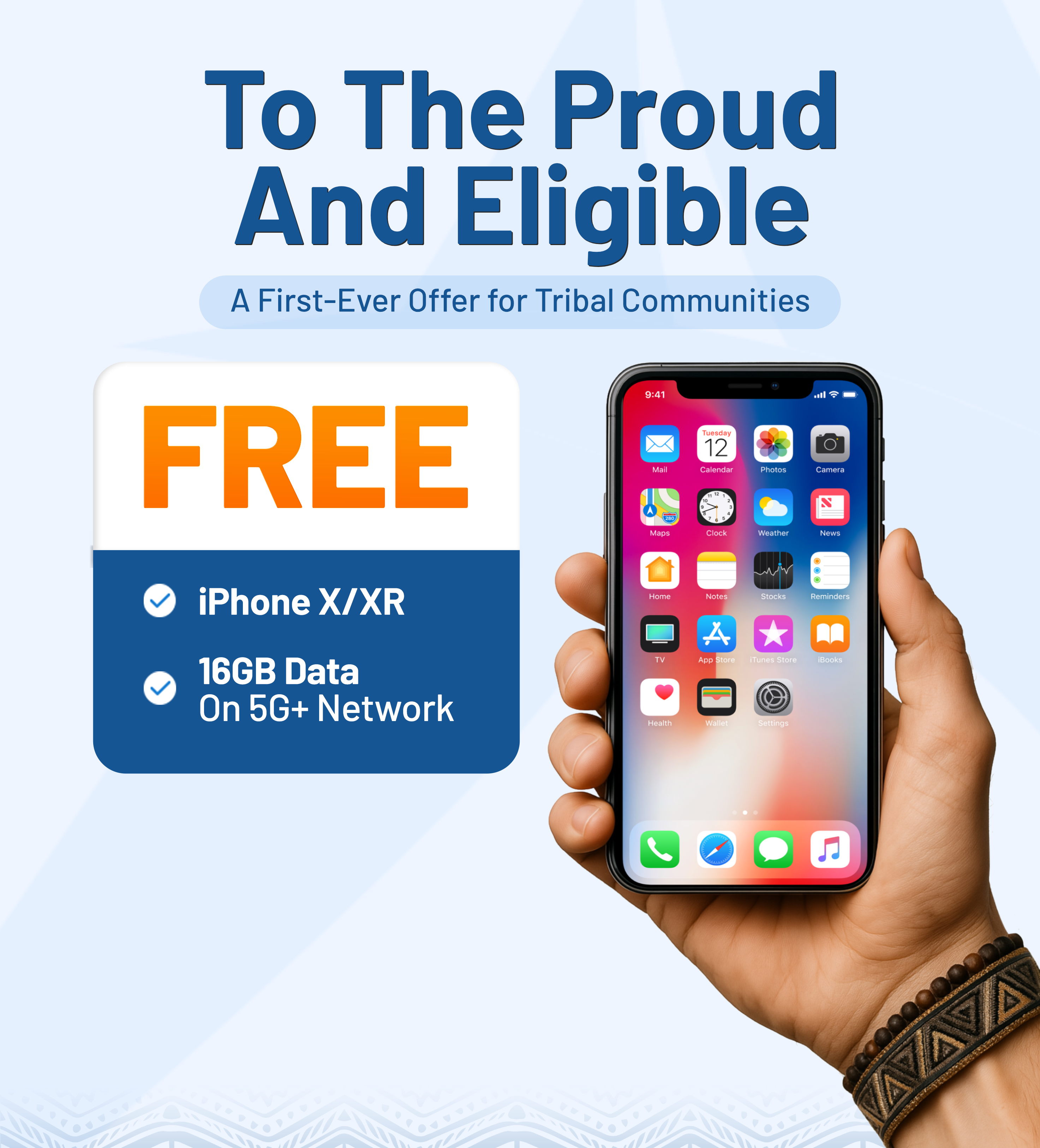
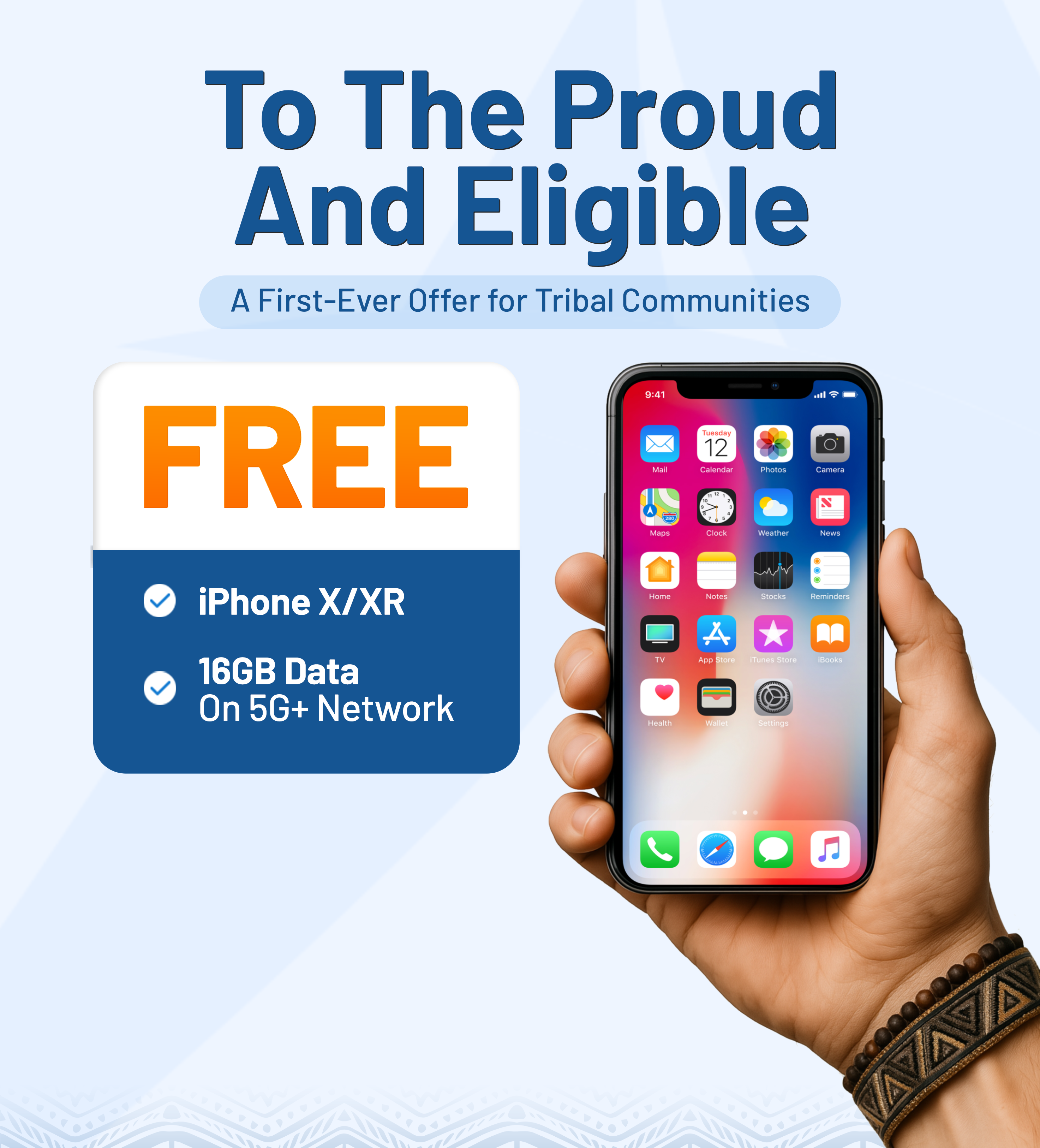
While Lifeline itself provides the monthly service benefit, participating providers can expand what eligible customers receive. For example, AirTalk Wireless offers free monthly phone service and, depending on eligibility, state, and availability, may also provide:
- A free hotspot device for eligible customers in select offers
- Free monthly phone service
- Unlimited talk and text
- Monthly high-speed data on eligible plans
- A physical SIM card or eSIM for compatible devices
- A free or low-cost smartphone
Available devices, hotspot offers, and plan features vary by state and may change over time.
>>> Read more: Best SIM Free Phones: How to Choose One for You
Who Qualifies for Lifeline?
Students don’t qualify simply because they’re enrolled in school. Instead, eligibility is based on household income or participation in certain government assistance programs.
You may qualify if your household participates in programs such as:
- Medicaid
- SNAP
- SSI
- Federal Public Housing Assistance
- Veterans Pension and Survivors Benefit
You may also qualify if your household income meets the Lifeline Program guidelines.
How to Apply Through a Lifeline Provider
Applying through a participating provider such as AirTalk Wireless is straightforward.
- Visit the AirTalk Wireless website and enter your ZIP code.
- Select Apply Now and review the available Lifeline plans in your area.
- Choose an available phone or hotspot device if offered in your state.
- Verify your eligibility through a qualifying assistance program or your household income.
- Upload proof of eligibility if required.
- Submit your application and wait for approval.
- Once approved, activate your service and follow the included instructions to begin using your device.

IMPORTANT: The government does not subsidize devices. Lifeline programs cover basic service costs only. Free or discounted devices, upgrade plans, or top-ups are exclusive benefits provided by AirTalk Wireless as part of our promotional offers. Terms and conditions apply. Limited-time promotion—offers vary by state, stock availability, and eligibility.
4. FAQs
Can college students get a free hotspot?
Yes. Some colleges lend hotspot devices through their libraries or IT departments.
Students from eligible households may also qualify for free or discounted mobile service through programs such as Lifeline.
Can I get a free hotspot if I live off campus?
Yes. Many assistance programs are available regardless of whether you live on or off campus, provided you meet the eligibility requirements.
Do I have to pay the hotspot back?
It depends on the program. Hotspots borrowed from a college or library are usually loaned for a specific period and must be returned.
Devices received through qualifying assistance programs follow the provider’s terms and conditions.
Does Lifeline automatically provide a hotspot device?
No. Lifeline provides a monthly service benefit. Whether you receive a hotspot device, smartphone, SIM card, or eSIM depends on the participating provider, your state, eligibility, and current availability.
Can graduate students qualify for Lifeline?
Yes. Graduate students may qualify if their household meets the program’s income requirements or participates in an eligible government assistance program. Student status alone does not determine eligibility.
Conclusion
A free hotspot for students can make a meaningful difference when completing coursework, attending virtual classes, or studying away from campus.
Whether you borrow a hotspot through your school, take advantage of a carrier promotion, or qualify for a government assistance program such as Lifeline, there are several ways to reduce the cost of staying connected. Comparing the available options and checking your eligibility can help you find the solution that best fits your academic and financial needs.
- Share This:
-
-
-
-
-
-
-
-
New on AirTalk Wireless


