
Free Laptop For College Students: Reality Check & Trusted Guidelines
- Share This:
-


-

-

-

-

-

-

-


Laptops have become essential tools for college students, supporting everything from online lectures to research and collaboration.
According to the National Center for Education Statistics, over half of college students take at least one online course. As coursework becomes more digital, personal devices play a bigger role in how students keep up with their studies day to day.
With that in mind, many students begin looking for ways to get a free laptop for college, especially when budgets are tight.
However, while the idea sounds appealing, the reality is more nuanced. Some options are legitimate and accessible, while others can be misleading if you don’t know where to look.
1. Can You Really Get a Free Laptop for College Students from Government? (Reality Check)
The short answer: not directly, at least not through a single universal program.
There is no nationwide government initiative that simply hands out laptops to all college students. However, that doesn’t mean opportunities don’t exist.
Instead, support typically comes through a mix of federal assistance programs, educational institutions, and nonprofit efforts. Each offers different types of benefits depending on your situation.
So while a guaranteed free laptop for college isn’t universal, there are still several legitimate ways to reduce costs or access a device. We’ll explore some of the most practical options in the sections below.

2. 4 Proven Ways to Get a Discounted or Free Laptop for College Students
Finding a free laptop often requires looking beyond a single source. In most cases, students combine different opportunities or choose the option that best fits their situation.
Below are some of the most reliable approaches, each with its own advantages.
Government-Supported Programs
Government support for students doesn’t usually come in the form of direct laptop giveaways. Instead, it tends to focus on improving access to essential tools for learning, especially in an increasingly digital environment.
Over time, various initiatives have been introduced to reduce the gap in technology access, particularly for low-income households and students who may not have reliable devices at home.
In many cases, these efforts are designed to make technology more affordable rather than completely free. This includes subsidized internet services, discounted devices, and partnerships with service providers that can bundle multiple benefits into a single plan.
One example of this approach is the Lifeline Program. Instead of distributing laptops directly, Lifeline provides monthly discounts on phone and internet services. Service providers then use these subsidies to offer more affordable or even free service plans, often including data, talk, and text.
Separately, some providers may offer discounted or promotional devices for eligible applicants. However, these device deals are not funded by Lifeline and come from the providers themselves.
While laptops are less commonly offered than smartphones or tablets, certain deals or limited-time promotions may still be available depending on the provider.
Lifeline eligibility is typically based on income level or participation in programs like SNAP or Medicaid, which helps ensure support reaches those who need it most.
>>> Read more: Could Lifeline Free Laptop Be Available For Low-Income Households?
Colleges That Offer Free Laptops or Loan Programs
Some colleges take a more direct approach by integrating technology into their student support systems. Instead of requiring students to purchase their own devices, these institutions either provide laptops outright or offer long-term loan programs.
Schools such as Wake Forest University and Duke University have implemented programs that include laptops as part of tuition or academic fees.
In other cases, universities maintain lending libraries where students can borrow devices for a semester or an entire academic year. While this may not technically be a permanent “free laptop,” it still removes a major financial barrier.

Nonprofit Organizations
Another path comes from nonprofits focused on digital inclusion. These organizations aim to bridge the technology gap by providing affordable or donated devices to those in need.
Groups like Computers With Causes and PCs for People distribute refurbished computers to eligible applicants, often prioritizing students and low-income households. Similarly, the Kramden Institute focuses on education by supplying technology to students who lack access.
Each organization has its own application process, which may include proof of financial need, school enrollment, or a short explanation of how the device will be used. While availability can vary, these programs remain a valuable option for students willing to apply.
Scholarships, Grants, and Student Discounts
Not all support comes in the form of direct giveaways. In many cases, financial aid can indirectly help students secure a laptop.
Certain scholarships and grants include technology stipends, allowing students to allocate funds toward essential devices. At the same time, major brands like Apple and Samsung offer student discounts that significantly reduce the cost of laptops and tablets.
Additionally, seasonal promotions, especially during back-to-school periods, can make devices more affordable. While this route may not provide a completely free laptop for college, it often results in substantial savings.
3. Explore Your Chances of Getting a Free Laptop Through Lifeline Providers
If you’re looking for a free laptop for college, Lifeline-supported providers can be one of the easiest places to start. While these programs mainly focus on lowering service costs, some providers also offer device deals as part of their plans.
One option worth checking is AirTalk Wireless, especially if you want something quick and straightforward.
Here’s why many students consider it:
- Affordable plans with built-in benefits: Most plans include monthly data, plus unlimited talk and text, so you can stay online for school without extra costs.
- Access to free or discounted devices: Although free laptop offers are relatively rare and usually tied to limited-time promotions, you can still find smartphones or tablets available at little to no cost.
- Well-known device brands available: Options often include devices from Apple and Samsung, which can still handle tasks like studying, note-taking, and online classes.
- Clear and accessible eligibility: You may qualify if your income meets the guidelines or if you participate in programs like SNAP or Medicaid.
- Fast and simple application process: You can apply online in just a few minutes using your phone. In many cases, approval takes around 20-30 minutes, though it can take a few days depending on verification.
Overall, while a free laptop isn’t guaranteed, this is still one of the fastest and most accessible ways to improve your chances, especially if you need a device without going through a complicated process.
5. How to Get a Free Laptop for College Through Lifeline Support
If you’re considering this route, you might be wondering how the process works in practice. Fortunately, applying through a Lifeline provider is fairly straightforward:
Step 1: Check your eligibility
Start by confirming whether you qualify. Most students are eligible if their household income falls within the program limits or if they already participate in assistance programs like SNAP or Medicaid.
You can review the full criteria on the official Lifeline website before applying. Since the requirements are clearly defined, this step usually only takes a few minutes.
Step 2: Compare providers and device options
Not all providers offer the same plans or devices. Some may focus on basic connectivity, while others include device promotions.
Taking a few minutes to compare options can help you find the best value based on what you need.
Step 3: Apply online through your chosen provider
Once you’ve selected a provider, the application can usually be completed directly from your phone or laptop.
For example, with AirTalk Wireless, the process usually starts by entering your ZIP code to check service availability.
From there, you can choose a plan, select a device (if available), and fill in your basic personal information. Apart from separate device deals, you may also explore limited bundles that include a laptop and a hotspot, or a laptop and a smartphone. Device availability and price vary by state and time of application.
You may also need to upload documents to verify eligibility. The whole process typically takes just a few minutes to complete.
Step 4: Wait for approval
After submitting your application, you’ll need to wait for it to be reviewed and approved. If a device is included in your offer, it’s typically shipped to you at no cost.
After receiving it, you can complete a quick activation and start using your service for school, communication, and everyday needs.

Note: AirTalk Wireless operates under the federal Lifeline Program as an Eligible Telecommunications Carrier (ETC). Eligibility varies by state and program. Offers depend on availability and qualifications. Service is non-transferable and limited to one service per household.\
Back-to-School Deals From AirTalk Wireless: Limited Time Only!
AirTalk Wireless is currently running a back-to-school promotion that goes beyond individual devices. For a limited time, qualifying applicants can access package deals that bundle free monthly service with a choice of devices, including phones, tablets, Chromebooks, and hotspots.
Here is what is currently available:
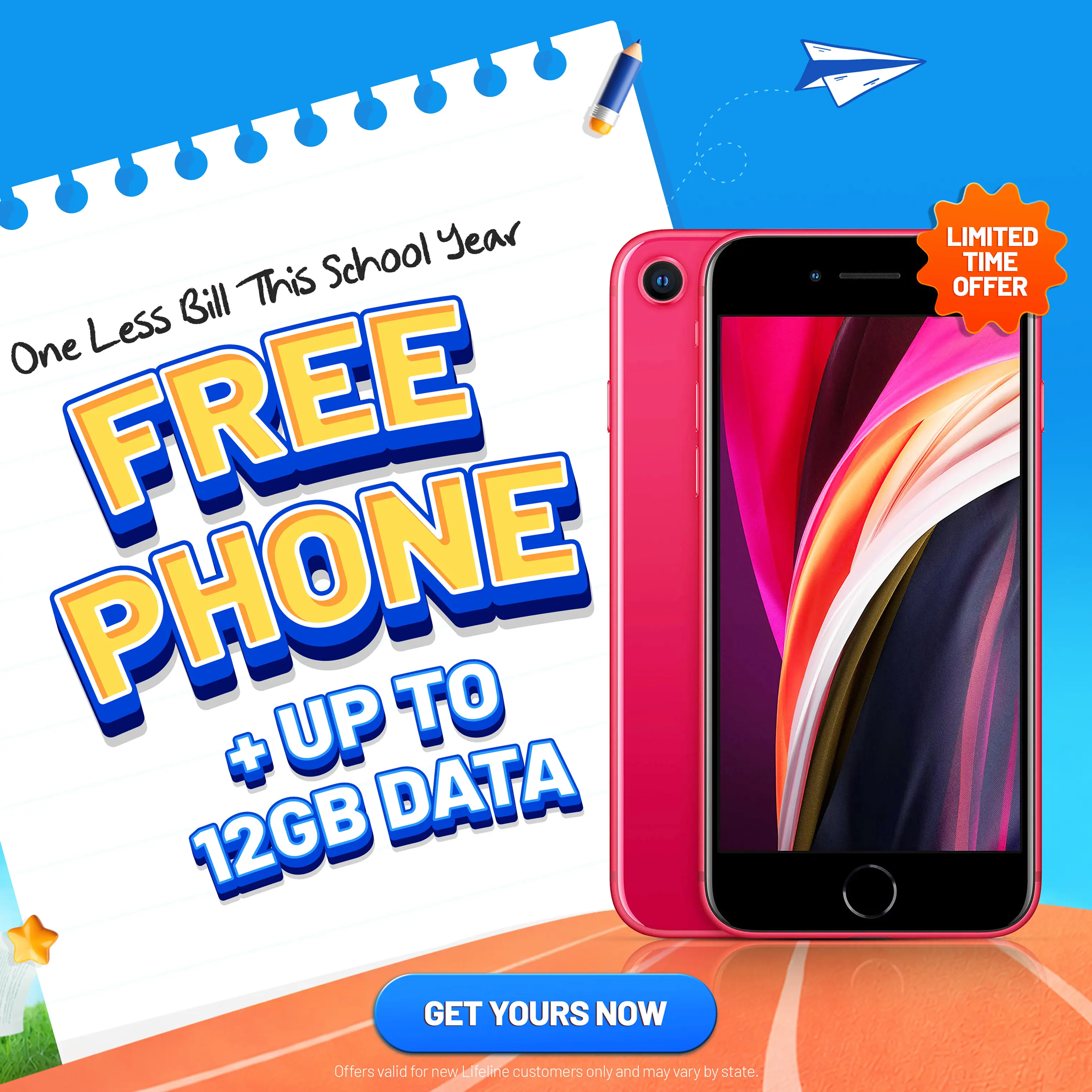
- Free Phone + Up to 12GB: a free smartphone with monthly data, perfect for staying in touch with teachers, school, and family
- Free SIM Card + Up to 300GB per year: more data for homework, educational apps, and online learning
- Chromebook 4 + Hotspot ($79.99 Exclusive Package): ideal for homework, research, online classes, and school projects
- Tablet G17 from $19.99: a capable device with more data for school-year connection (coming soon)
These deals are time-sensitive and subject to eligibility, availability, and location.
Applicants who qualify through SNAP, Medicaid, SSI, or income-based criteria can select the package that best fits their needs during the application process.

Final Thoughts
Getting a free laptop for college may not always be straightforward, but it’s far from impossible. From government-supported programs and college initiatives to nonprofits and provider-based offers, there are multiple paths worth exploring depending on your situation.
If you need a device quickly and prefer a simpler application process, options like Lifeline providers can be a practical starting point. With the right approach, you can reduce costs, stay connected, and focus on what matters most: your education.
- Share This:
-
-
-
-
-
-
-
-
New on AirTalk Wireless


