

Grants For Single Moms To Buy A House & Saving On Bills
- Share This:
-


-

-

-

-

-

-

-


For many single mothers, buying a home may seem financially out of reach due to high upfront costs and ongoing expenses. However, grants for single moms to buy a house and other homeownership assistance programs can help reduce these barriers.
While most support is not provided as direct cash grants, eligible families may access down payment assistance, forgivable loans, affordable mortgage programs, and financial resources that make homeownership more achievable.
1. The Reality Of Grants For Single Moms To Buy A House
Many people search for free grants for single mothers to buy a home, but direct, unconditional cash grants are generally not available. Instead, most assistance comes through structured programs that help reduce the cost of purchasing a home.
Are there grants for single moms to buy a house? These programs commonly include:
- Down payment assistance (DPA) programs
- Forgivable loans that do not require repayment if certain conditions are met
- Low-interest mortgage options
- Government-backed homebuyer programs
Programs from organizations such as the Federal Housing Administration (FHA), state housing agencies, and local housing authorities can help eligible buyers cover upfront costs or qualify for more affordable financing options.
To access these opportunities, applicants usually need to:
- Meet income requirements
- Have a stable source of income
- Complete homebuyer education courses
- Meet credit and residency requirements
Although the application process requires preparation and documentation, these programs can make homeownership a realistic goal for many single-parent households.

>>> Read more: Top 5+ Best Single Mom Assistance Programs
2. Top Homeownership Assistance Programs To Look For
Finding the right resources can make independent homeownership a reality. While looking for grants for single moms to buy a house, you will find that the most effective aid comes from structured federal, state, and local programs.
State and local down payment assistance
State Housing Finance Agencies (HFAs) offer specialized grants and forgivable loans to cover up-front buying costs.
These programs often provide zero-interest second mortgages that are completely forgiven if you live in the home for a specified number of years.
Local municipalities also run community land trusts and affordable housing initiatives tailored to single-parent households.
FHA loans and special mortgage options
The Federal Housing Administration (FHA) insures loans with down payments as low as 3.5% and flexible credit requirements.
Single mothers can also utilize USDA loans for zero-down-payment financing in rural areas, or VA loans if they have a military background. These options lower the barrier to entry compared to conventional lending standards.
First-time homebuyer grants
The HUD HOME Investment Partnerships Program and the Community Development Block Grant provide direct financial aid to qualifying buyers.
Additionally, programs like the Section 8 Homeownership Voucher allow low-income single mothers to use monthly rental subsidies toward a mortgage payment. These grants drastically reduce both initial transition costs and long-term financial strain.

>>> Read more: Scholarships For Single Moms: 20+ Real Sources Of Free Tuition Money
3. How To Reduce Monthly Bills While Saving For A Home
Saving for a down payment requires strict budgeting and minimizing fixed overhead costs.
Utilizing federal utility subsidies is one of the most effective ways for single mothers to lower daily living expenses, accelerate their path to homeownership, and take advantage of free grants for single moms to buy a house.
Maximizing savings with Lifeline
The Lifeline program helps low-income individuals and single mothers lower their essential monthly expenses.
By reducing communication costs, participants can redirect more of their income toward a down payment fund. This government subsidy ensures families stay connected to jobs, healthcare, and schools while aggressively building their savings.
Eligibility and benefits
To qualify for the Lifeline program, your household income must be at or below 135% of the Federal Poverty Guidelines, or at least one member of your household must participate in one of the following qualifying assistance programs:
- SNAP
- Medicaid
- Supplemental Security Income (SSI)
- Federal Public Housing Assistance (FPHA), including Section 8
- Veterans Pension and Survivors Benefit
- Bureau of Indian Affairs (BIA) General Assistanc
- Tribal TANF
- Food Distribution Program on Indian Reservations
- Head Start
Approved applicants receive a monthly discount of $9.25 on phone or internet services, or up to $34.25 if living on Tribal lands.
4. How To Apply For Free Devices And Plans
Here is the step-by-step process to apply online directly for your free Lifeline plan through AirTalk Wireless:
- Step 1: Gather your documents. Prepare proof of income or a government program award letter (like SNAP, Medicaid, or SSI).
- Step 2: Visit the AirTalk Wireless website. Enter your ZIP code. Input your location to verify coverage and available local plans.
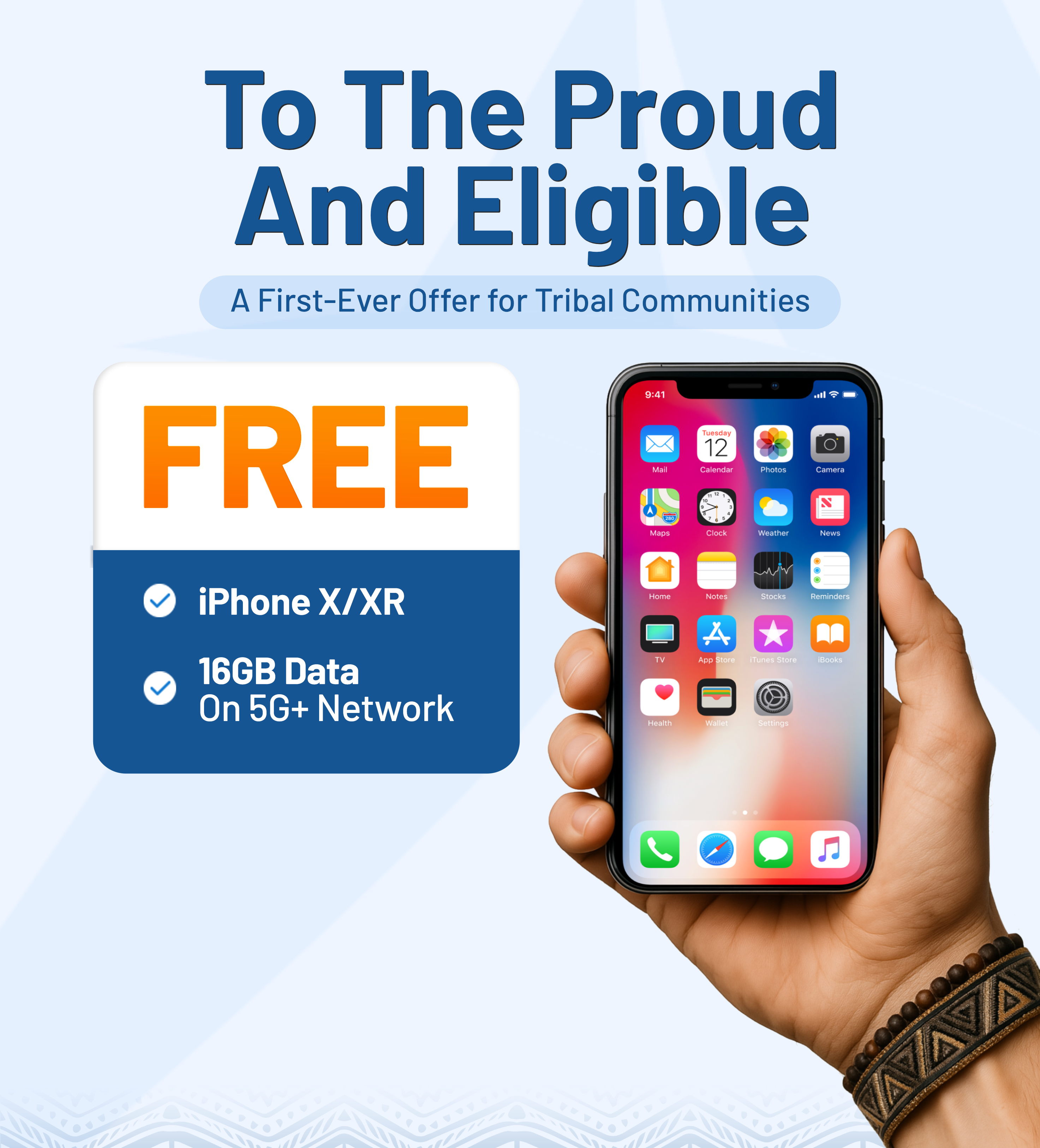
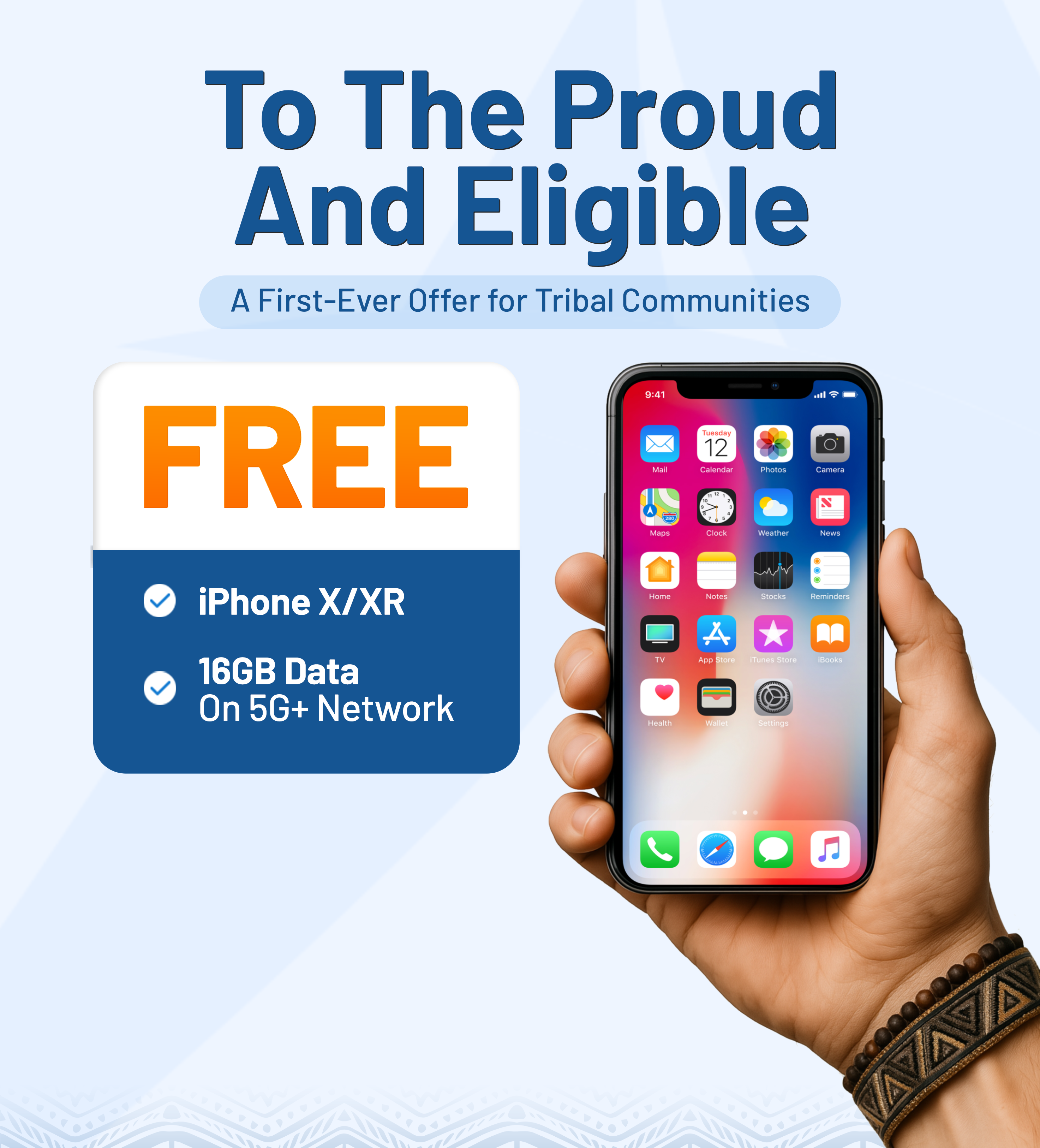
- Step 3: Select your plan. In addition to free phone service, you can choose to obtain a free or low-cost device, from phones to tablets.
- Step 4: Complete the online form. Fill out your personal details, including your full name and contact information.
- Step 5: Select your program. Choose whether you qualify via income level or participation in a public assistance program.
- Step 6: Upload your proof (if required). Attach photos or digital scans of your eligibility documentation and your photo ID.
- Step 7: Submit and wait for approval.
Note: Eligibility varies by state and program. Offers depend on availability and qualifications. AirTalk Wireless operates under the federal Lifeline Program as an Eligible Telecommunications Carrier (ETC). Service is non-transferable and limited to one service per household.
5. Frequently Asked Questions About Home Grants And Connectivity
What is the fastest way to get government assistance for housing?
The fastest way to get help is to contact your local Public Housing Agency (PHA) or a HUD-approved housing counseling agency. They can immediately check your eligibility for emergency housing vouchers, local down payment assistance, and expedited rental aid programs.
Are there government grants for single moms to buy a house?
Direct, cash-in-hand government grants specifically for single mothers do not exist. Instead, the government offers down payment assistance grants, forgivable loans, and low-interest mortgage programs like FHA or USDA loans that are open to low-to-moderate-income buyers.
Can I get both home grants and utility assistance?
You may qualify for both home grants and utility assistance if you meet each program’s eligibility rules. For example, you could receive a USDA Section 504 Home Repair grant or Weatherization Assistance Program (WAP) benefits while also getting LIHEAP for energy bills and Lifeline for discounted phone or internet service.
Do I have to pay back government grants for single moms to buy a house?
True grants do not need to be paid back. However, many “grants” for home buyers are structured as forgivable second mortgages, which require you to live in the home as your primary residence for a specific period (usually 3 to 10 years) before the debt is completely erased.
Can I qualify for AirTalk Wireless if I am currently unemployed or single?
Yes, being single or unemployed does not disqualify you from AirTalk Wireless. Eligibility is based entirely on your household size and total income (being at or below 135% of the Federal Poverty Guidelines) or your participation in government assistance programs like SNAP, Medicaid, or SSI.
Final Words
By researching available resources, confirming eligibility, and applying through trusted government agencies, nonprofit organizations, or approved housing lenders, single mothers can access programs designed to make homeownership more affordable.
While the application process may take time, these grants, down payment assistance programs, and low-interest loan options can significantly reduce financial barriers. Take advantage of these opportunities to create a more stable living environment and build long-term financial security.
- Share This:
-
-
-
-
-
-
-
-
New on AirTalk Wireless


