

How to Get a New Medicaid Card 2026: Step by Step Guide for All States
- Share This:
-


-

-

-

-

-

-

-


Losing your Medicaid card or having outdated information on it can quickly interrupt medical care, pharmacy visits, and prescription pickups. Many people only realize this when they are asked for their card at a clinic or pharmacy counter.
How to get a new Medicaid card is not always obvious, especially when rules differ by state and by plan. This guide explains when you need a replacement card and the exact steps to request a new one without delaying your benefits.
1. How to Get a New Medicaid Card
If you need a replacement Medicaid card, the process is handled by your state Medicaid agency, not a federal office. While details vary by state, the general steps are similar nationwide.

In most cases, you can request a new Medicaid card by contacting your state Medicaid office directly or through your Medicaid managed care plan if you are enrolled in one. States allow card replacement when your card is lost, stolen, damaged, or when your personal information changes.
Some states provide digital access to Medicaid information through online accounts, but a physical card may still be issued or reissued upon request. Replacement cards are usually mailed to the address on file, so keeping your contact information updated is important.
Requesting a new card does not affect your Medicaid eligibility. It only replaces proof of coverage.
2. Common Reasons People Need a New Medicaid Card
People request replacement Medicaid cards for several common and valid reasons. Medicaid allows card replacement whenever accurate proof of coverage is needed.
Lost or Stolen Medicaid Card
If your Medicaid card is lost or stolen, you should request a replacement as soon as possible. Without your card, accessing medical services or filling prescriptions can become more difficult.
Losing a card does not cancel your Medicaid coverage, but providers may have trouble verifying benefits without it. A replacement card ensures your information remains protected and up to date.
Damaged or Unreadable Card
Medicaid cards can wear out over time. If your card is damaged, faded, or unreadable, providers may not be able to scan or verify it correctly.
In these cases, requesting a new card helps prevent delays at clinics, hospitals, or pharmacies. Medicaid allows replacements when a card can no longer be used properly.
Name Address or Plan Changes
You may need a new Medicaid card if your name changes, you move to a new address, or your Medicaid plan changes. Your card should always reflect your current and accurate information.
Address changes are especially important. If your address is outdated, replacement cards and official Medicaid notices may be sent to the wrong location. Updating your information with your state Medicaid office helps ensure you receive the correct card and future communications.
>>> Also read: Does Medicaid Cover Ambulance Services: What Is Covered and What Is Not
3. 3 Ways to Request a New Medicaid Card
Every state allows Medicaid members to request a replacement card, but the available methods can differ. Below are the three most common ways to request a new Medicaid card across states.
Requesting a Replacement Online
Many states offer an online Medicaid portal where members can manage their benefits. If your state provides this option, requesting a replacement card online is usually the fastest method.
You typically need to log in to your Medicaid or health plan account, confirm your personal information, and submit a replacement request. Some states allow you to view or download temporary proof of coverage while waiting for the physical card to arrive.
Online requests are processed using the address on file, so it is important to confirm that your mailing address is correct before submitting.
Requesting by Phone
You can also request a new Medicaid card by calling your state Medicaid office or your Medicaid managed care plan, if applicable. A customer service representative will verify your identity and submit the replacement request for you.
When calling, be prepared to provide basic information such as your full name, date of birth, and Medicaid ID number if available. Phone requests are useful if you cannot access online systems or need help updating your information.
After the request is processed, the replacement card is usually mailed within a few business days, depending on state timelines.
Requesting In Person or by Mail
Some states allow Medicaid members to request a replacement card in person at a local Medicaid office or social services agency. This option may be helpful if you need assistance updating personal details or resolving account issues.
Mail requests are also accepted in certain states. This usually involves submitting a written request or completing a state-specific form and mailing it to the Medicaid office. Mail requests can take longer to process, so this option is best when time is not urgent.
No matter which method you use, requesting a new Medicaid card does not change your coverage. It simply replaces your proof of enrollment so you can continue accessing care without disruption.
4. Why Staying Connected Matters During Medicaid Updates
Medicaid updates often require timely communication. State agencies, managed care plans, and service providers may need to contact members to confirm information, process requests, or complete benefit changes.
When communication is delayed, even simple actions like replacing a Medicaid card can take longer than expected. Staying reachable helps ensure updates are completed smoothly and benefits continue without interruption.
Missed Calls and Letters Can Delay Your Benefits
During Medicaid updates, agencies may call or send letters to verify identity, confirm mailing addresses, or clarify plan details. If these messages are missed, requests such as card replacements or plan updates may be paused.
Delays in communication can affect:
- Replacement Medicaid card delivery
- Benefit renewals or redeterminations
- Managed care plan updates
- Access to medical care or prescriptions
Reliable phone access allows Medicaid members to respond quickly and avoid unnecessary delays caused by missed contact.
Free Phone with Medicaid Through AirTalk Wireless
Medicaid enrollment qualifies eligible individuals for the federal Lifeline program, which provides a monthly discount on phone service to help low-income households stay connected.
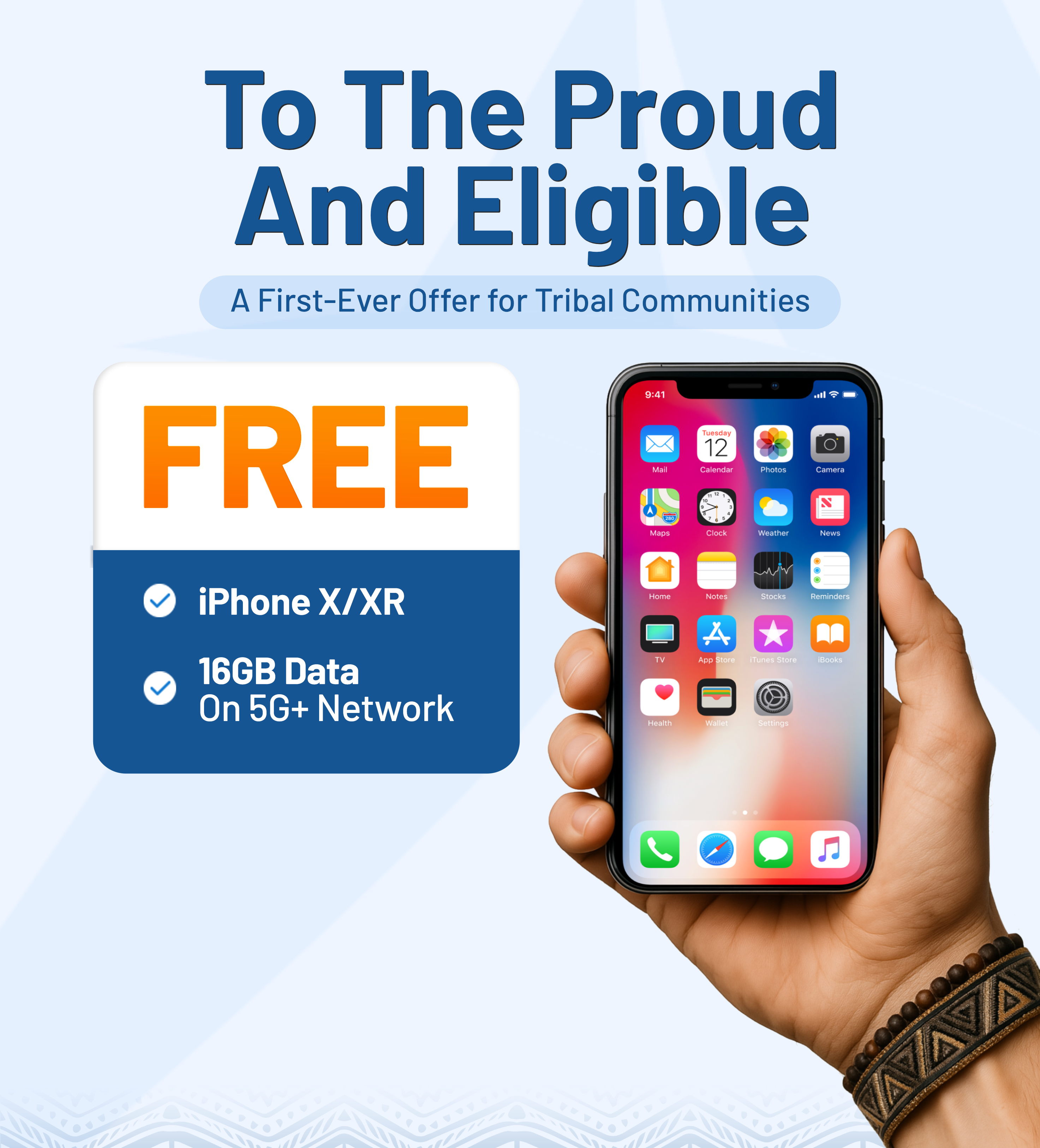
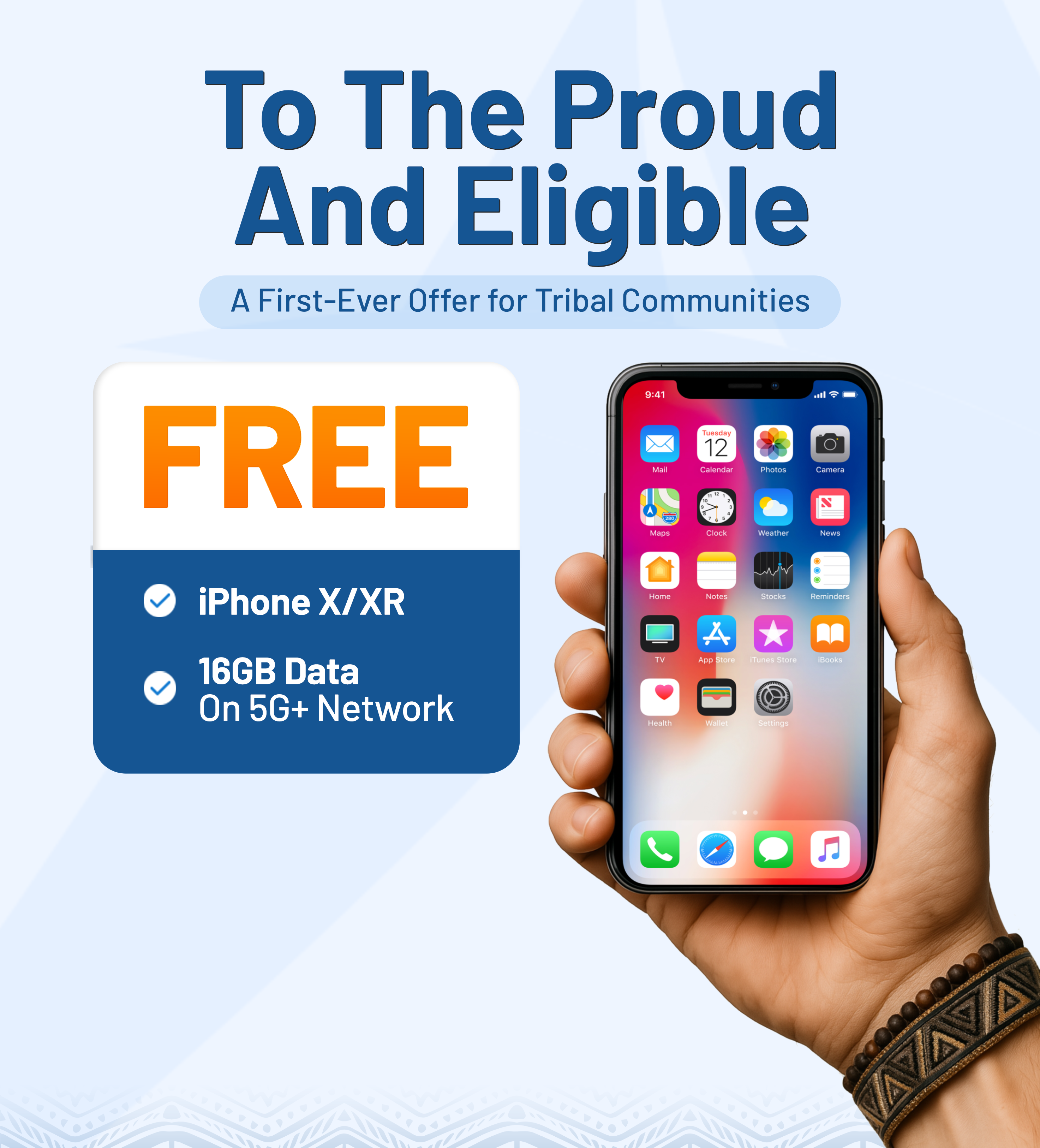
Lifeline itself does not provide phones or service directly. Instead, applicants receive Lifeline-supported service through FCC-approved providers. Many providers also extend the benefit by offering free or heavily discounted devices, such as smartphones or tablets, as part of their own enrollment promotions.
AirTalk Wireless is one of these approved providers. It offers Lifeline-supported phone service to eligible Medicaid users, along with online application tools that allow applicants to verify eligibility, choose a plan, and manage their service in one place.
For many households, applying through AirTalk Wireless makes it easier to access both affordable phone service and provider-added device options while using their Medicaid eligibility.

Below is an overview of how the process works when applying through AirTalk Wireless.
Step 1: Confirm Medicaid Eligibility
Active Medicaid enrollment meets Lifeline eligibility requirements. No additional income review is needed when qualifying through Medicaid.
Step 2: Visit the AirTalk Wireless Website
Applicants can start directly on the AirTalk Wireless website without searching across multiple providers.
Step 3: Enter Your ZIP Code
Enter your ZIP code to view available Lifeline plans and phone options in your area. Availability depends on location and current inventory.
Step 4: Select a Service Plan and a Device Option
Choose a Lifeline-supported service offered by AirTalk Wireless. Options may include discounted phones with free monthly talk, text, and mobile data, depending on eligibility and availability.
Step 5: Complete the Online Application
Submit your personal details for verification. Medicaid eligibility is used to confirm qualification through the Lifeline program.
Step 6: Submit and Wait for Approval
Once approved, service is activated and a device is shipped within 4-7 business days.
Having Lifeline-supported phone service through AirTalk Wireless helps Medicaid members stay reachable for benefit updates, replacement card notices, and important follow-ups.

IMPORTANT: The government does not subsidize devices. Lifeline programs cover basic service costs only. Free or discounted devices, upgrade plans, or top-ups are exclusive benefits provided by AirTalk Wireless as part of our promotional offers. Terms and conditions apply. Limited-time promotion—offers vary by state, stock availability, and eligibility.
Conclusion
How to get a new Medicaid card depends on your state, but the process is straightforward when your information is up to date, and you stay reachable. Replacement cards are issued by state Medicaid agencies and do not affect your eligibility.
Keeping reliable phone access helps you respond to requests, avoid delays, and receive important notices related to your benefits. For Medicaid users, Lifeline-supported phone service through providers like AirTalk Wireless can help maintain that connection during updates and renewals.
FAQs
Can I use Medicaid without a physical card?
In many cases, yes. Some providers can verify Medicaid coverage electronically using your personal information. However, having a physical Medicaid card helps prevent delays, especially at pharmacies or new medical offices.
What happens when you lose your Medicaid card?
Losing your Medicaid card does not cancel your benefits. You remain covered, but you should request a replacement card as soon as possible to avoid issues accessing care or filling prescriptions.
How can I find out my Medicaid number without my card?
If you need help finding your Medicaid number, check your State Medicaid Agency’s website or reach out to your local Medicaid office for assistance.
What is the difference between Medicare and Medicaid?
Medicare is mainly for people age 65 and older, as well as some younger people with certain disabilities or medical conditions. Medicaid is a needs-based program that helps eligible low-income individuals and families access healthcare coverage. Medicare is funded primarily by the federal government, while Medicaid is jointly funded by federal and state governments, with eligibility rules varying by state.
- Share This:
-
-
-
-
-
-
-
-
New on AirTalk Wireless


