

iPhone SIM Card Guide: How It Works and Common Fixes
- Share This:
-


-

-

-

-

-

-

-


The iPhone SIM card still plays an important role in mobile connectivity, even as Apple continues moving toward eSIM technology on newer devices.
Many users still rely on physical SIM cards for calls, texts, and mobile data, while others now activate service digitally through eSIM. That transition has created confusion around compatibility, setup, and troubleshooting.
Apple’s shift toward eSIM-only models in some regions has also increased questions about whether physical SIM cards are still necessary today.
This guide explains how the SIM card works on iPhones, which iPhones still use physical SIMs, how to manage SIM cards properly, and what to do when common connection issues appear.
1. iPhone SIM Card Explained: What It Does and Why It Matters?
An iPhone SIM card connects the device to a mobile carrier network. Without it, the iPhone cannot normally make calls, send texts, or use cellular data through the carrier.

The SIM card stores important network information such as:
- Your phone number
- Carrier identification
- Cellular account access
- Authentication data for mobile service
Modern iPhones can now use either:
- A physical SIM card
- An eSIM
- Both at the same time on supported models
Apple explains that eSIM allows users to activate cellular service digitally without inserting a physical card.
Even with growing eSIM adoption, the traditional SIM card iPhone setup remains widely used because many carriers and users still prefer physical SIM flexibility for travel, device swapping, and quick troubleshooting.
2. Do iPhones Still Have SIM Cards Today?
As Apple introduces more eSIM-focused devices, many users now ask: “Do iPhones need SIM cards anymore?”
The answer depends on the iPhone model and the country where it was purchased.
Some iPhones still support physical SIM cards alongside eSIM, while certain newer U.S. models now rely entirely on eSIM activation.
Do iPhones Have SIM Cards?
Yes, many iPhones still include physical SIM card trays today.
Models such as:
For users managing multiple numbers, these devices may also support dual SIM functionality using both a physical SIM and an eSIM simultaneously.
That flexibility remains one reason the iPhone SIM Card continues being relevant even as digital activation expands.
Which iPhones No Longer Use SIM Cards?
Apple removed the physical SIM tray from U.S. versions of the iPhone 14 lineup and newer models.
These devices activate cellular service entirely through eSIM. Apple states that eSIM-only iPhones simplify activation while reducing the need for physical SIM handling.
This design shift explains why discussions around the iPhone SIM Card now often include both traditional SIM cards and digital eSIM technology together.
3. How to Insert, Remove, and Check SIM Card on iPhone?
Managing the iPhone SIM Card properly can help prevent activation problems and connection issues.
To insert or remove a SIM card safely:
- Power off the iPhone if possible.
- Locate the SIM tray on the side of the device.
- Use a SIM eject tool or paper clip carefully.
- Remove the tray gently without forcing it.
- Insert the SIM card in the correct orientation.
- Reinsert the tray fully into the iPhone.
- Turn the device back on and wait for network detection.
After installation, check whether the SIM works correctly by opening: Settings, then Cellular.
Inside this section, the iPhone should display:
- Carrier name
- Signal bars
- Active mobile line
- Cellular settings
If the SIM Card iPhone setup fails, the device may display messages such as:
- No SIM
- Invalid SIM
- No Service
- SOS Only
These warnings often appear because of:
- SIM tray alignment issues
- Carrier activation problems
- Damaged SIM cards
- Network outages
- Locked devices
Restarting the iPhone and reinserting the SIM often resolves temporary connection issues.
4. Physical SIM vs eSIM on iPhone: Which One Should You Use?
Choosing between a physical SIM and eSIM depends on how you use your iPhone and how often you switch devices or carriers.
Physical SIM cards still offer advantages such as:
- Easy device swapping
- Simple international travel use
- Compatibility with older devices
- Quick manual troubleshooting
Meanwhile, eSIM offers benefits including:
- Faster activation
- No physical card handling
- Better support for multiple lines
- Easier carrier switching on supported devices
For many users, the best setup depends on travel habits, device upgrades, and carrier compatibility.
The growing shift toward eSIM also means the future of the iPhone SIM card will likely include more digital activation and fewer physical SIM trays over time.
>>> Read more: What Is a Prepaid SIM Card? How It Works and Who Should Use It
5. Get a SIM Card AND a Phone for Free? How It’s Possible
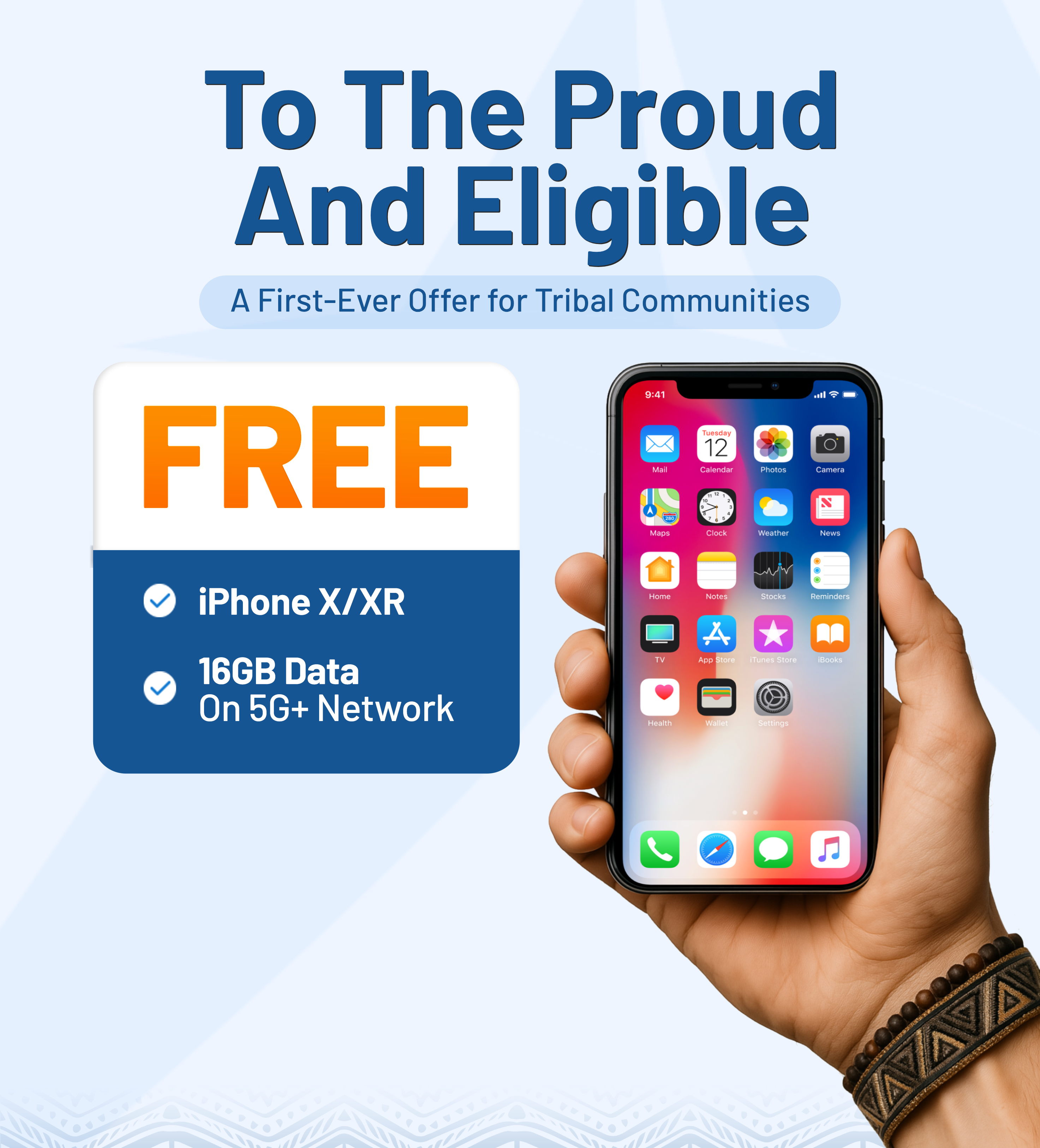
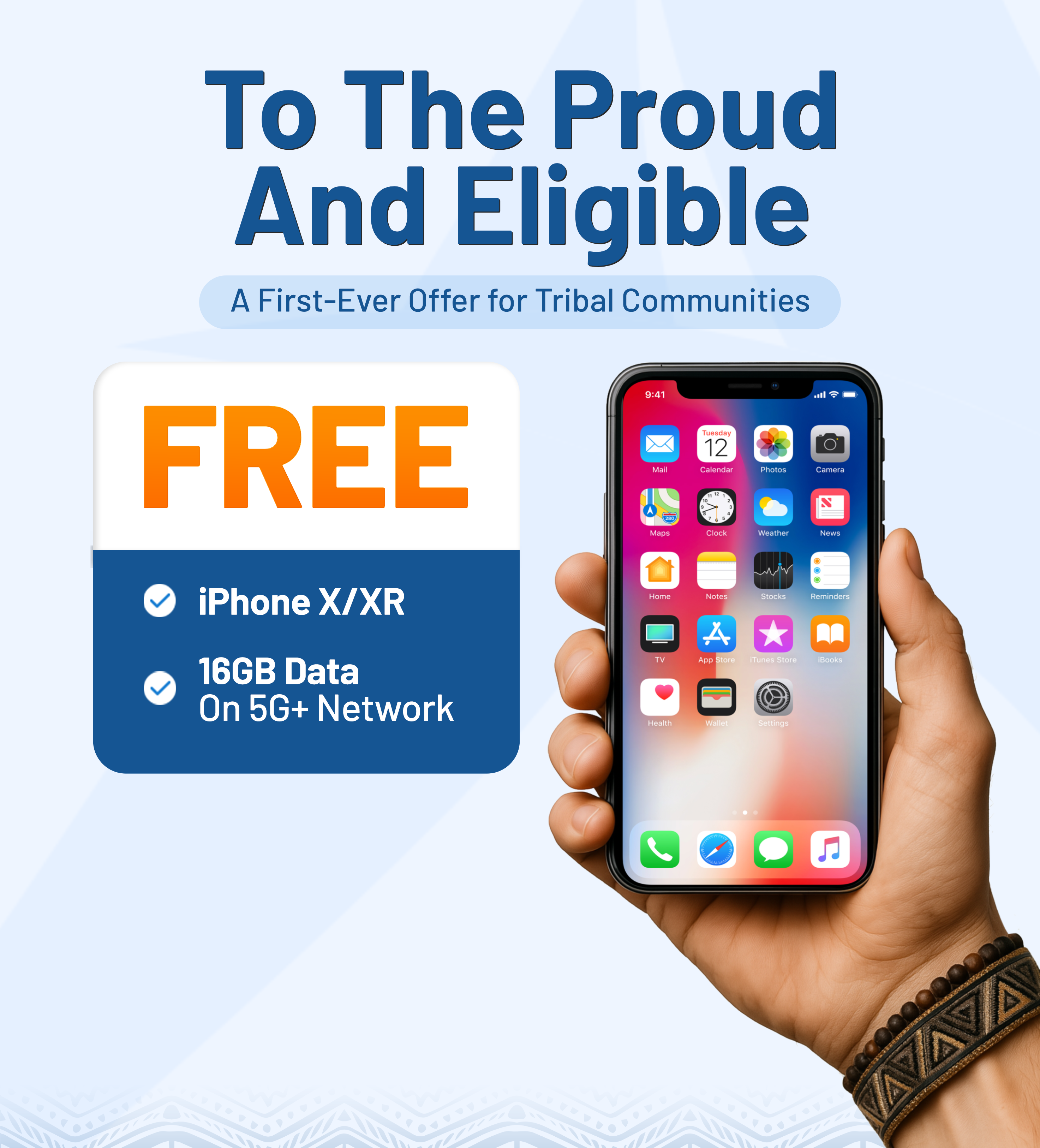
For eligible households, affordable wireless programs may provide both service and compatible devices through participating providers such as AirTalk Wireless.
The federal Lifeline program helps qualifying users access mobile service through supported plans and devices.
Depending on eligibility and availability, qualified applicants may receive:
- Free or discounted smartphones
- Monthly talk, text, and data service
- Access to eSIM-compatible devices
- Traditional SIM or eSIM activation options

The application process generally includes:
- Checking eligibility through income or qualifying programs
- Entering a ZIP code to confirm availability
- Selecting a compatible phone or plan if available
- Uploading verification documents
- Completing the online application
- Activating service after approval
As more carriers expand eSIM compatibility, newer AirTalk-supported devices may support both physical SIM and digital activation depending on the model.
Note: AirTalk Wireless operates under the federal Lifeline Program as an Eligible Telecommunications Carrier (ETC). Eligibility varies by state and program. Offers depend on availability and qualifications. Service is non-transferable and limited to one service per household.
6. FAQs
Why Your iPhone Shows “SOS” or No Service With a SIM Card?
One of the most common iPhone SIM Card problems happens when the device suddenly shows “SOS” or “No Service.”
Users searching “How to fix SOS on iPhone with SIM card?” usually encounter this issue because the iPhone cannot fully connect to the carrier network.
Common causes include:
- Carrier outages
- SIM card damage
- Incomplete activation
- Software glitches
- Network setting problems
- Unsupported or locked devices
Apple recommends checking carrier settings updates, restarting the device, reinserting the SIM card, and confirming network availability first.
If the issue continues, resetting network settings or contacting the carrier may be necessary.
Why Does My SIM Card Work in Another Phone but Not Mine?
Sometimes the SIM card itself is fully functional, but the phone still cannot connect properly to the network.
This issue may happen because of:
- Carrier locking restrictions
- Unsupported network bands
- Hardware damage inside the SIM tray
- Outdated carrier settings
- eSIM and physical SIM conflicts
If the SIM works correctly in another device, the problem is often related to the phone rather than the SIM card itself.
Why Does My iPhone Keep Saying “Invalid SIM” Even After Reinserting It?
An “Invalid SIM” warning may appear even when the SIM card is inserted correctly.
Common causes may include:
- Carrier activation problems
- Damaged SIM contacts
- iOS software bugs
- Unsupported carrier configurations
- SIM cards that are no longer activated properly
Updating iOS, checking carrier settings, and testing another SIM card may help determine whether the issue comes from the phone or the SIM itself.
>>> Read more: Does iPhone SE Have eSIM? A Complete Guide by Model Generation
Final Thoughts
The iPhone SIM Card remains an important part of mobile connectivity, even as Apple continues expanding eSIM support across newer devices.
While many iPhones still support physical SIM cards today, eSIM-only models are becoming increasingly common in certain regions.
Understanding how SIM cards work, how to manage them properly, and how to troubleshoot connection problems can help avoid unnecessary service interruptions.As digital activation continues growing worldwide, the future of the iPhone SIM Card will likely involve a balance between traditional SIM flexibility and newer eSIM convenience.
- Share This:
-
-
-
-
-
-
-
-
New on AirTalk Wireless


