

Is WIC Part of SNAP? 2026 Clear Explanation of the Difference
- Share This:
-


-

-

-

-

-

-

-


Many people receiving food assistance ask the same question: Is WIC part of SNAP?
While both programs help low-income families access nutritious food, they are not the same and serve different purposes. Confusion often arises because SNAP and WIC are both federally funded and sometimes used by the same households.
This guide clearly explains if WIC is included in SNAP, how both programs operate, and the main differences between them. By the end, you’ll understand which benefits you may qualify for and how these programs support families in different ways.
1. Is WIC Part of SNAP?
The answer is NO. WIC is not part of SNAP. While both are federal nutrition assistance programs, they operate separately and serve different purposes.
SNAP provides monthly funds for low-income households to buy a wide range of groceries, while WIC focuses on specific nutritious foods for pregnant women, new mothers, infants, and young children.
Some households may qualify for both programs at the same time, but receiving WIC does not mean it is included within SNAP benefits.
2. What Is SNAP?
The Supplemental Nutrition Assistance Program (SNAP) helps low-income individuals and families afford groceries each month.
Benefits are provided through an Electronic Benefit Transfer (EBT) card, which can be used at approved stores to purchase eligible food items. SNAP is designed to reduce food insecurity and give households flexibility in choosing the foods that meet their needs.

3. What Is WIC?
The Women, Infants, and Children (WIC) program supports pregnant women, postpartum mothers, infants, and young children with specific nutrition needs.
WIC provides targeted food packages, nutrition education, and healthcare referrals rather than flexible grocery funds. Its goal is to improve early childhood and maternal health through proper nutrition.

>>> Read more: Is WIC Paused? 5 Important Facts About What’s Really Happening With WIC Benefits
4. Key Differences Between WIC and SNAP
Although WIC and SNAP are both federal nutrition assistance programs, many people still ask, “Is WIC part of SNAP?”
While they share similar goals, the two programs are designed for different populations and serve distinct purposes, making it important to understand how they differ and which one best fits your household’s needs.
| Factor | SNAP (Supplemental Nutrition Assistance Program) | WIC (Women, Infants, and Children Program) |
| Who Is Eligible? | Low-income individuals and families of all ages | Pregnant women, postpartum/breastfeeding mothers, infants, and children under age 5 |
| Income Rules | Based on household income, size, and expenses | Based on income and nutritional risk |
| Foods Covered | Wide variety of groceries (produce, meat, dairy, grains, etc.) | Specific nutritional package (milk, eggs, whole grains, formula, fruits/vegetables) |
| How Benefits Are Delivered | EBT card used like a debit card | eWIC card (EBT in most states), or in some cases, paper vouchers or checks |
| Flexibility | High flexibility in food choices | Limited to approved WIC foods and quantities |
| Primary Goal | Reduce food insecurity for households | Improve maternal and early childhood nutrition |
| Extra Services | Food assistance only | Nutrition education, breastfeeding support, healthcare referrals |
| Can You Have Both? | Yes | Yes |
Eligibility Requirements
SNAP eligibility is based mainly on household income, size, and certain expenses, and it is available to individuals and families of all ages who meet the criteria.
In contrast, WIC has more specific eligibility rules. It is limited to pregnant women, postpartum and breastfeeding mothers, infants, and children under age five. WIC applicants must also meet income guidelines and be considered at nutritional risk, which is assessed during enrollment.
Benefits and Covered Foods
SNAP provides monthly benefits that can be used to purchase a wide range of food items, including fruits, vegetables, meat, dairy, bread, and pantry staples. This flexibility allows households to choose foods that match their preferences and cultural needs.
WIC, on the other hand, offers prescribed food packages that focus on nutrition, such as milk, eggs, whole grains, infant formula, fruits, and vegetables. WIC does not cover all grocery items and is more restrictive by design.
How Benefits Are Delivered
SNAP benefits are distributed through an Electronic Benefits Transfer (EBT) card, which works like a debit card preloaded with monthly funds. Recipients use the card at authorized retailers to purchase eligible food items. Benefit issuance schedules vary by state and are often staggered based on factors like case number or last name.
WIC benefits are delivered through an eWIC card (EBT in most states), or in some cases, paper vouchers or checks. Eligible items are verified at checkout according to an assigned food package.
Benefits are typically reloaded monthly, and participants must attend in-person clinic visits for nutrition assessments and recertification every six months to one year.
Program Goals
The primary goal of SNAP is to reduce food insecurity by helping households afford enough food each month. It emphasizes access and flexibility.
WIC’s goal is more targeted: to improve health outcomes for mothers and young children during critical stages of development. In addition to food assistance, WIC provides nutrition education, breastfeeding support, and healthcare referrals.
>>> Read more: Does Trader Joe’s Take WIC?
5. More Benefits for You If You’re on SNAP or WIC
If you receive SNAP or WIC, you may qualify for more than just food assistance.
Across the nation, SNAP participation automatically qualifies you for the Lifeline program, which helps low-income households access free or low-cost phone service. In certain states, WIC recipients may be eligible for these benefits, so it’s important to check whether your WIC benefits qualify where you live.
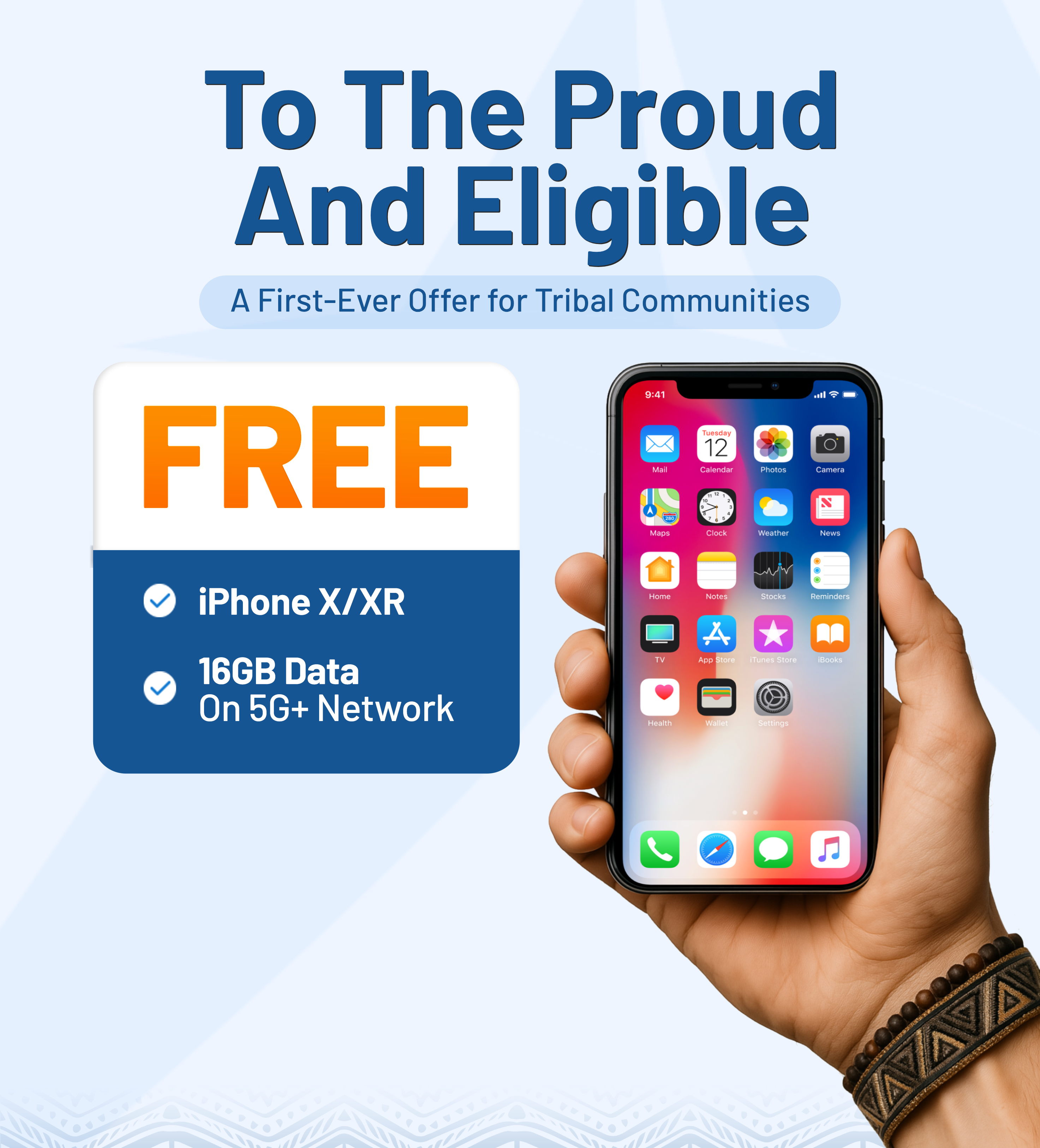
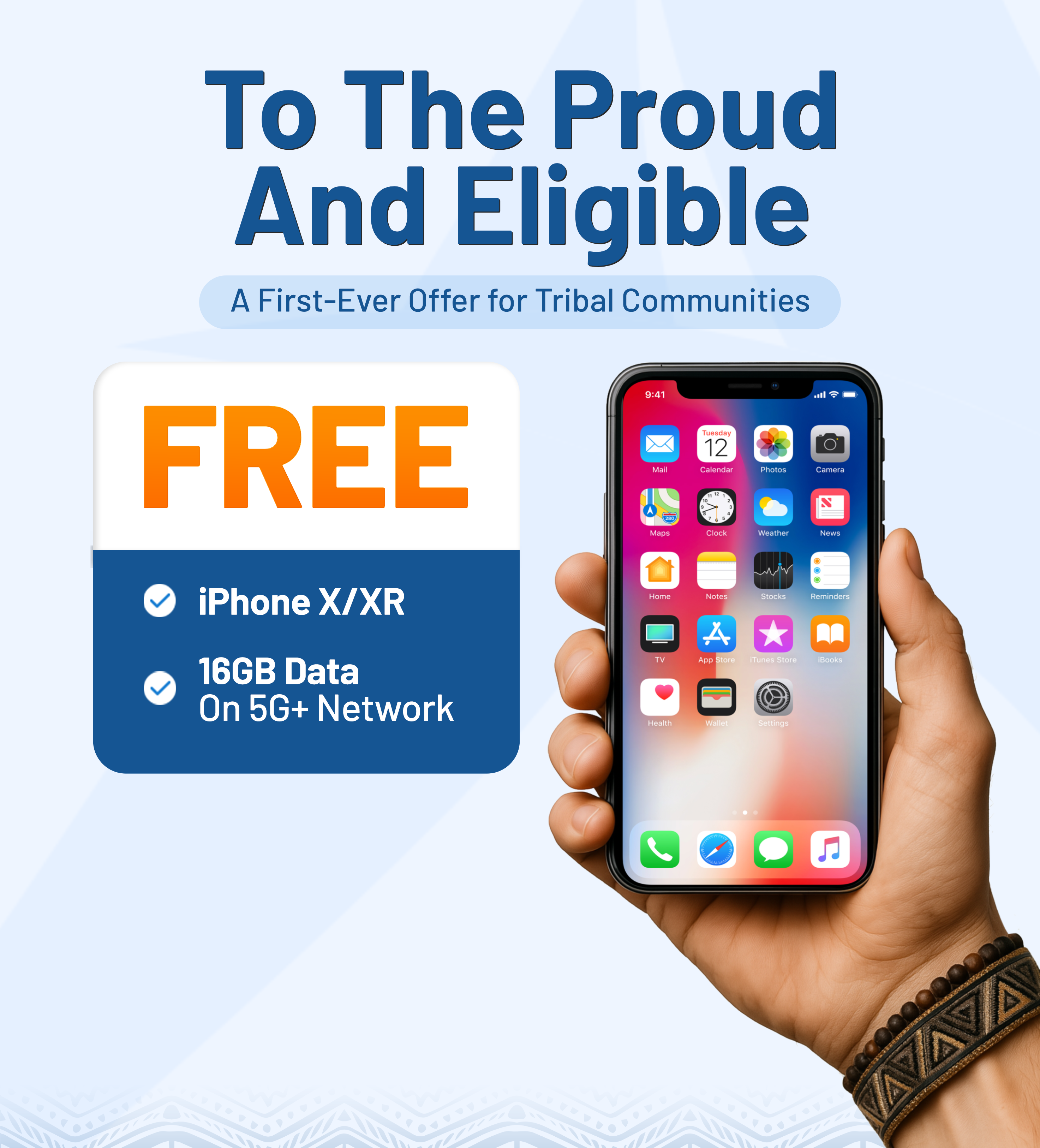
Through Lifeline providers like AirTalk Wireless, eligible users can even receive a free smartphone or similar device.
Some of the best smartphones you can claim are:
Applying is simple: check your eligibility and choose a provider.
If you already receive SNAP or WIC, it’s worth checking your eligibility to see what additional benefits you may qualify for.

Besides, there are other ways to meet Lifeline requirements, including participation in other assistance programs such as Medicaid, SSI, or Federal Public Housing Assistance, or income-based eligibility (at or below 135% of the federal poverty guidelines). This gives many households multiple paths to qualify.
>>> Read more: Who Gives Out the Best Free Government Tablet? 2026 Guide for Lifeline & SNAP Users
FAQs
1. Is WIC included in SNAP benefits?
No, WIC is not included in SNAP benefits. They are separate federal programs that provide different types of food assistance, even though some households may qualify for both.
2. Why is WIC not considered part of SNAP?
WIC and SNAP were created for different purposes. SNAP focuses on reducing food insecurity for low-income households, while WIC is designed to improve nutrition and health outcomes for pregnant women, infants, and young children.
3. Does WIC affect SNAP eligibility?
Receiving WIC does not reduce or replace SNAP benefits. You can apply for both programs if you think you qualify.
Conclusion
If you’ve ever asked, “Is WIC part of SNAP?” the answer is no, but that doesn’t mean one replaces the other. Each program plays a unique role in helping families meet their nutritional needs at different life stages.
SNAP provides broad access to groceries, while WIC focuses on early childhood and maternal health. Some households qualify for both, allowing them to receive more comprehensive assistance. Understanding the difference makes it easier to apply for the right benefits and take full advantage of the support available to you.
- Share This:
-
-
-
-
-
-
-
-
New on AirTalk Wireless


