

Medicaid Dentist Near Me: Covered Dental Care and Extra Benefits You May Qualify For
- Share This:
-


-

-

-

-

-

-

-


Finding a Medicaid dentist near me is a common challenge for families who rely on Medicaid for affordable healthcare. While Medicaid does cover dental care, coverage rules, provider availability, and benefits can vary by state, which often leaves patients unsure where to start.
This guide explains what dental services Medicaid covers, how to find a dentist that accepts Medicaid in your area, and why many Medicaid users may also qualify for additional federal benefits that support ongoing access to care.
1. Does Medicaid Cover Dental Care? Here’s What You Should Know

Medicaid does cover dental care, but the scope of coverage depends on your age and state rules. For children, dental benefits are required nationwide under the Early and Periodic Screening, Diagnostic, and Treatment requirement. This includes preventive care such as exams, cleanings, fluoride treatments, X-rays, and medically necessary procedures.
For adults, dental coverage varies by state. Some states offer comprehensive adult dental benefits, while others limit coverage to emergency services only. Because of these differences, many patients search specifically for a dentist that accepts Medicaid to avoid unexpected out-of-pocket costs.
Another important factor is provider participation. Even when dental services are covered, not every dentist chooses to accept Medicaid due to reimbursement rates and administrative requirements. This makes understanding both coverage and provider availability essential before scheduling an appointment.
2. How to Find a Medicaid Dentist Near Me
Finding a reliable Medicaid dentist near me requires more than a quick online search. Using official sources and direct confirmation helps ensure the dentist currently accepts Medicaid.
Check Your State Medicaid Provider Directory
Each state maintains an official Medicaid provider directory listing dentists who accept Medicaid. These directories are updated regularly and are the most accurate starting point. Look for dentists categorized under dental or oral health services in your state’s Medicaid website.
Call Dental Offices Directly
Provider participation can change at any time. After identifying nearby dentists, call the office directly and ask whether they currently accept Medicaid for new patients. This step helps avoid appointment delays or billing issues.
Community Health Centers and Dental Clinics
Community health centers and nonprofit dental clinics often accept Medicaid and focus on serving low-income populations. These clinics typically provide preventive and basic restorative care and may offer shorter wait times compared to private practices.
Using these steps together increases your chances of finding a dentist near you that accepts Medicaid and can provide the care you need under your coverage.
3. Why Many Medicaid Users Also Qualify for the Lifeline Program
Medicaid eligibility often overlaps with eligibility for the Lifeline program, because both are designed to support low-income households. If you qualify for Medicaid, you automatically meet Lifeline’s program-based requirements without needing a separate income review.
This connection matters because staying enrolled in Medicaid often requires ongoing communication. Appointment reminders, referrals, follow-up visits, and transportation coordination all depend on having reliable phone or internet access. For many patients searching for a dentist that accept Medicaid, connectivity is what makes consistent care possible in the first place.
4. How Lifeline Helps Medicaid Users Stay Connected to Healthcare Services
Lifeline helps eligible Medicaid users reduce the cost of mobile or internet service, making it easier to manage healthcare needs without interruption. While Lifeline does not provide medical coverage, it supports the communication tools that patients rely on to access care.
Who Qualifies for Lifeline If You Have Medicaid
If you are enrolled in Medicaid, you automatically qualify for Lifeline automatically under program-based eligibility. This means you can apply without submitting income documents, as long as your Medicaid participation is current and verified.
For patients looking for a dentist that accept Medicaid, Lifeline-supported connectivity can help with:
- Calling dental offices to confirm Medicaid acceptance
- Receiving appointment confirmations and reminders
- Accessing state Medicaid portals and provider directories
- Coordinating transportation or follow-up care
>>>Read more: Is Medicaid the Same in Every State? Rules & Coverage Guide
How to Apply for a FREE phone with Medicaid: Step-by-step Guide on AirTalk Wireless
AirTalk Wireless is an approved Lifeline provider that helps eligible Medicaid users stay connected through discounted or free mobile service plans.

Here is how the application process with AirTalk Wireless works:
- Visit the AirTalk Wireless website to begin your Lifeline application.
- Select your state to confirm coverage and available plans.
- Choose a Lifeline-supported plan designed for Medicaid-qualified users.
- Confirm eligibility using your Medicaid enrollment.
- Upload verification documents if requested.
- Submit your application and wait for approval.
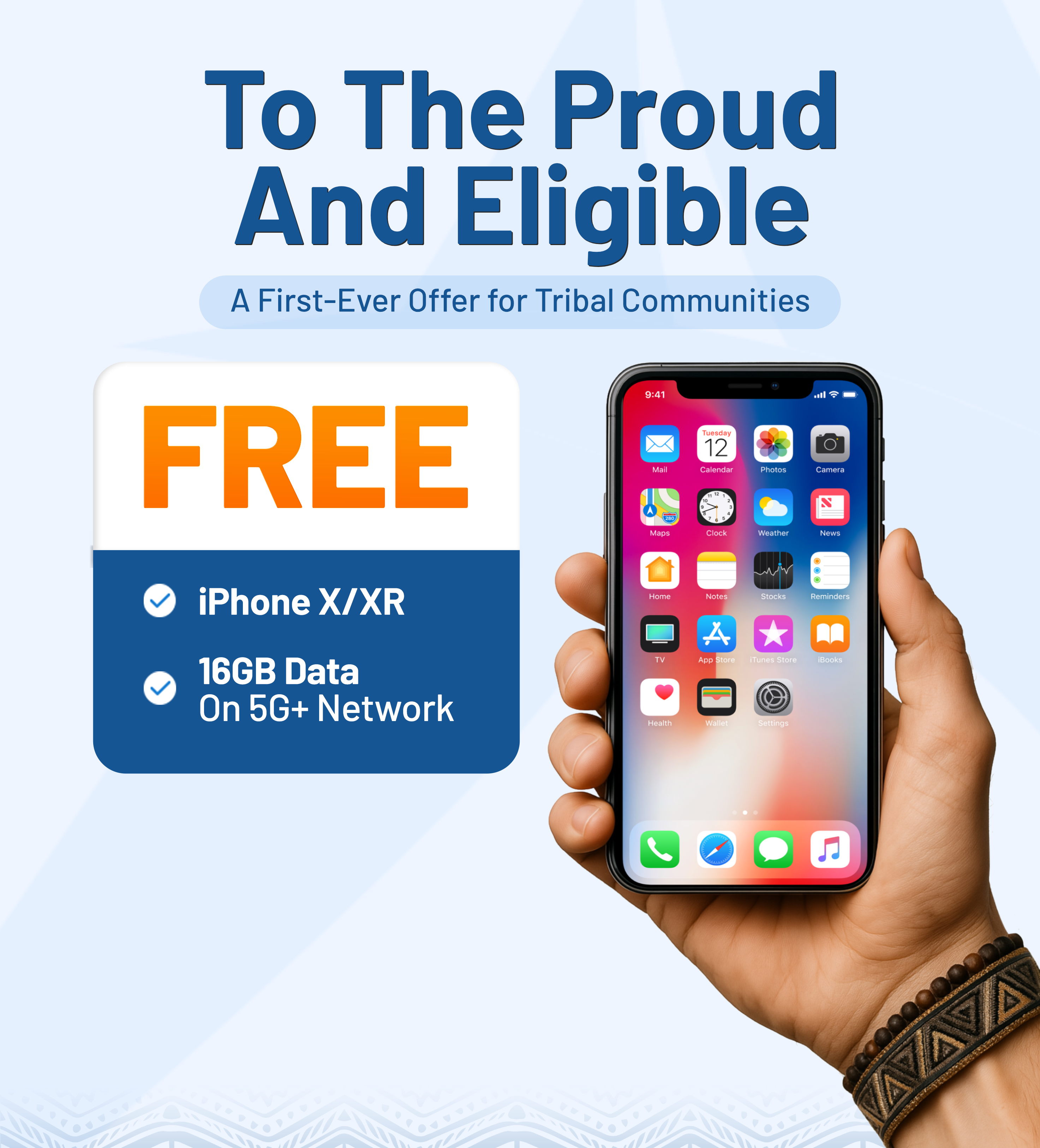
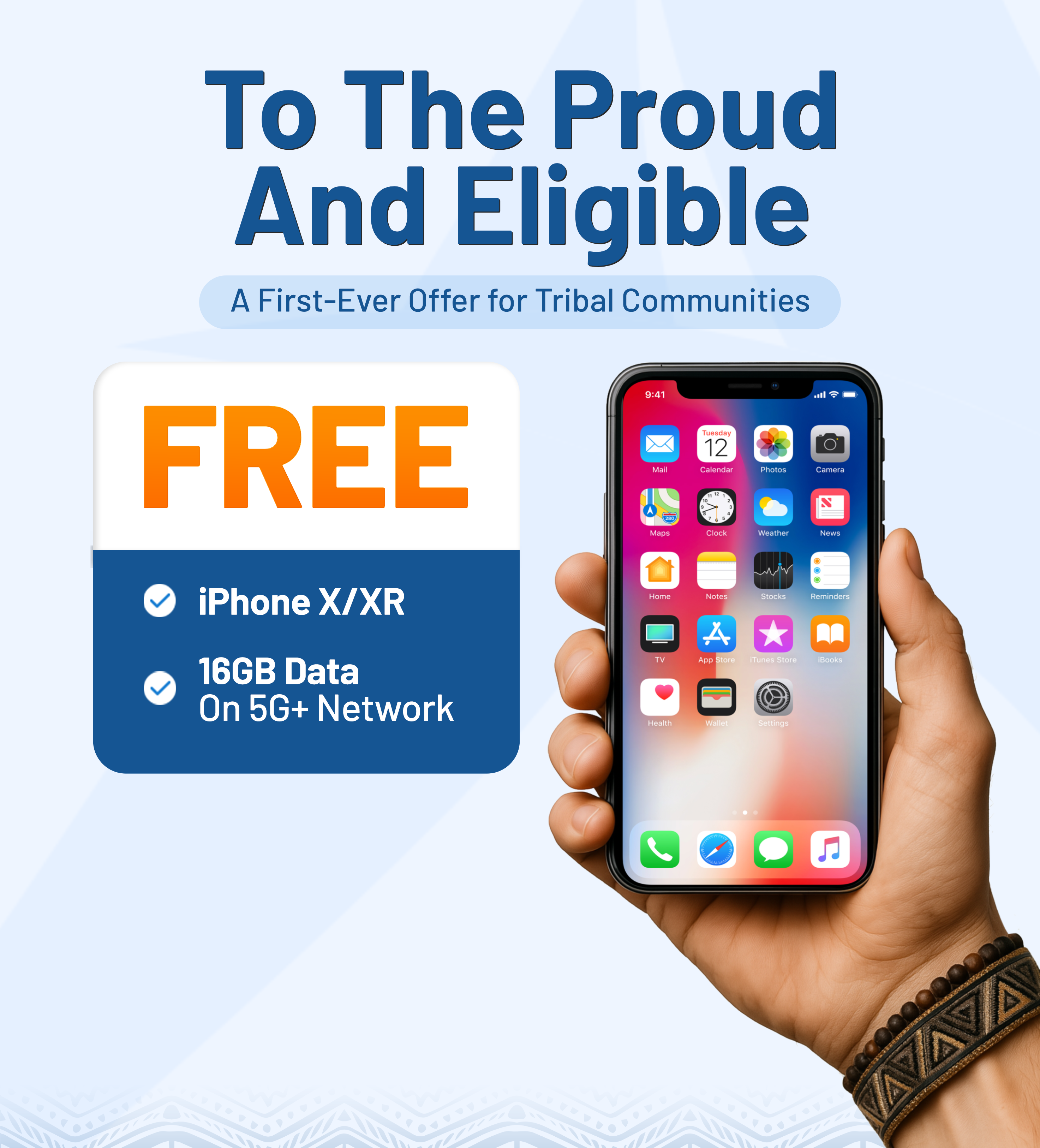
When promotions are active, eligible users may also see device offers such as a free phone with Medicaid or a discounted tablet with Medicaid during checkout. Device availability varies by state and timing.

IMPORTANT: The government does not subsidize devices. Lifeline programs cover basic service costs only. Free or discounted devices, upgrade plans, or top-ups are exclusive benefits provided by AirTalk Wireless as part of our promotional offers. Terms and conditions apply. Limited-time promotion—offers vary by state, stock availability, and eligibility.
Conclusion
Finding a Medicaid dentist near me is easier when you understand how dental coverage works, where to search for participating providers, and why availability can differ by state. Medicaid offers strong dental benefits for children and varying levels of coverage for adults, which makes verifying coverage and provider participation essential.
Beyond dental care, Medicaid users may also qualify for Lifeline support, helping them stay connected to healthcare services, appointment scheduling, and follow-up care. Knowing how these programs work together allows you to access care more consistently and avoid unnecessary costs.
FAQs
Why are dentists not accepting Medicaid?
Many dentists limit or stop accepting Medicaid due to lower reimbursement rates, administrative requirements, and delayed payments. As a result, provider participation can be limited even when dental services are covered.
Do dental works take Medicaid?
Yes, dental offices can accept Medicaid, but participation is optional. Coverage and acceptance depend on the dentist, the state Medicaid program, and whether the office is currently accepting new Medicaid patients.
How much does it cost to see a dentist without insurance?
Without insurance, routine dental visits can range from basic exam fees to higher costs for cleanings, X-rays, or procedures. Prices vary widely by location and treatment, which is why Medicaid coverage can significantly reduce out-of-pocket expenses.
Does Medicaid always cover dental?
Medicaid always covers dental care for children under federal requirements. Adult dental coverage is optional and varies by state, ranging from emergency-only services to more comprehensive benefits. Checking your state’s Medicaid rules is the best way to confirm coverage.
- Share This:
-
-
-
-
-
-
-
-
New on AirTalk Wireless


