


NACA Program: How It Works, Benefits, and Requirements
- Share This:
-


-

-

-

-

-

-

-


Owning a home is an exciting dream, yet the costs of getting there can be surprisingly discouraging! A down payment, closing fees, and strict credit requirements can quickly discourage even financially responsible buyers.
That’s why the NACA program has caught the attention of so many aspiring homeowners. Before getting excited about its mortgage benefits, though, it’s worth knowing how the program works and what it expects from applicants.
1. What Is the NACA Program and How Does It Work?
The Neighborhood Assistance Corporation of America (NACA) is a nonprofit organization focused on affordable homeownership and economic justice.
Its NACA Home Purchase Program, also known as “America’s Best Mortgage,” helps eligible members access affordable mortgage financing through participating lenders.
How does the NACA program work? Unlike a government grant or free housing initiative, NACA does not give applicants money to purchase a property. Instead, it takes a hands-on approach to mortgage lending through several forms of support:
- Financial counseling: NACA counselors help prospective homebuyers review their finances, identify challenges, and understand how much they can realistically afford.
- Homebuyer education: Members learn about mortgage financing, budgeting, and the responsibilities of sustainable homeownership.
- Financial readiness assessment: NACA evaluates each member’s financial situation to determine whether they are prepared to take on a mortgage.
- Mortgage financing and ongoing support: Qualified members access mortgage financing through participating lenders and can receive post-purchase counseling to help maintain sustainable homeownership.

2. What Are the Benefits of the NACA Program?
The biggest attraction of the NACA home buying program is how much it can reduce the upfront cost of purchasing a property. Its mortgage also offers several features that can make long-term homeownership more affordable.
Here are the main benefits:
- No down payment: The NACA mortgage offers 100% financing, so you don’t need to put money toward a traditional down payment.
- No closing costs or lender fees: The participating lender pays eligible lender-required closing costs rather than adding them to your mortgage.
- No private mortgage insurance (PMI): You won’t have to pay the additional monthly insurance premium commonly required with some low-down-payment mortgages.
- Below-market fixed interest rates: Members can choose 15-, 20-, or 30-year mortgage terms. The applicable rate depends on member status and current NACA rates.
- Optional interest rate buy-down: Members can use additional funds to permanently reduce their interest rate, potentially lowering monthly payments and total interest.
- Financial counseling and post-purchase support: NACA offers guidance before and after buying a home, including assistance for homeowners experiencing financial difficulties.
Does no down payment mean you need no savings?
Not quite. You’ll still need money for expenses such as property inspections, earnest money deposits, prepaid taxes and insurance, and required reserves. NACA may also require you to demonstrate that you can afford a higher mortgage payment through a consistent savings pattern.
>>> Also read: Social Security Disability Housing Assistance: How to Find Affordable Housing Support
3. What Are the NACA Program Requirements?
The NACA program requirements focus on financial readiness, property eligibility, and active membership. Rather than relying on a minimum credit score, NACA reviews each applicant’s financial circumstances to determine whether they can manage a mortgage payment.
Income Requirements: Priority vs. Non-Priority Members
NACA divides members into two categories based on their combined household income compared with the median income in the metropolitan statistical area (MSA) where they plan to buy:
- Priority Members: Have a combined income at or below the area’s median family income. They can generally purchase in a wider geographic area.
- Non-Priority Members: Have a combined income above the area’s median. They must purchase in a designated Priority Area, where the median family income is below the applicable MSA threshold.
Both groups can access NACA mortgage benefits, although their interest rates and eligible purchasing locations may differ.
Credit Score, Payment History, and Debt Requirements
One appealing feature is that NACA does not use a minimum credit score to determine mortgage qualification. However, counselors still review credit reports and payment records to assess financial responsibility.
The evaluation generally considers:
- On-time payments over the previous 24 months, with particular attention to the most recent 12 months.
- Rent and other recurring payments within the applicant’s control.
- Outstanding debts and monthly financial obligations.
- The ability to afford the proposed mortgage payment.
NACA also uses a three- to six-month savings pattern to evaluate payment shock, which is the difference between your current affordable housing payment and the proposed mortgage payment.

Property and Occupancy Requirements
The property must serve as your primary residence throughout the life of the NACA mortgage. Eligible property types include single-family homes, condominiums, co-ops, mixed-use properties, and certain multi-family homes with up to four units.
Neither the applicant nor another household member can have an ownership interest in another property when the NACA mortgage closes.
Membership, Participation, and Savings Requirements
Applicants must become NACA members and follow its participation rules. Members are also expected to complete five actions or activities annually that support NACA’s mission, including at least one activity before qualification and another before closing..
Financial preparation matters, too. Applicants must demonstrate the ability to manage their future mortgage payments and have sufficient funds for required purchasing expenses and reserves.
These requirements explain why the NACA program is not simply a low-cost mortgage application. It’s a commitment to preparing for long-term homeownership.
>>> Also read: Housing Grants for Single Moms: Real Programs to Help You Rent or Buy a Home
4. How to Apply for the NACA Program: 4 Main Stages
Applying for a NACA mortgage involves several stages, from attending a homebuyer workshop to completing your mortgage application. Preparing your financial records early can help keep the process moving smoothly.
Here’s how to apply for NACA program in four main stages:
Stage 1: Attend a Homebuyer Workshop and Register
Start by attending a free NACA Homebuyer Workshop, either online or at a local office.
During the session, you’ll learn about mortgage terms, qualification standards, and the responsibilities of becoming a NACA homeowner. After completing the workshop, you’ll receive a NACA ID and access to the Member Portal.
Stage 2: Meet With a Housing Counselor and Prepare Your Finances.
Register through the Member Portal, submit the required information, and schedule an intake appointment with a counselor.
Prepare documents such as:
- Recent pay stubs and bank statements
- Tax returns and W-2 forms covering the last two years
- Records of rent payments and other financial obligations
- Additional income documentation if you’re self-employed
Your counselor will review your finances and provide an action plan outlining what you need to address before qualification. You’ll also attend follow-up counseling and the required Property Workshop before becoming NACA-Qualified.

Stage 3: Become NACA-Qualified and Find a Home
Complete the action items in your financial plan, attend follow-up counseling, and demonstrate that you can afford your desired mortgage payment.
Once NACA approves your qualification, you’ll attend a required Purchase Workshop to learn about the homebuying process. You can then start searching for an eligible property with guidance from NACA’s real estate network.
Stage 4: Complete Credit Access, Mortgage Approval, and Closing
After finding a home and signing the purchase agreement, update your financial documents and request NACA Credit Access.
Your counselor will verify that your savings, income, debts, and payment history still meet the requirements. The application then moves to a participating lender for mortgage processing and final approval.
Keep your finances stable throughout this stage. Taking on new debt or missing payments could affect your approval.
5. Is the NACA Program a Good Option for Homebuyers?
Yes, the NACA program can be an excellent option, particularly for buyers who have limited savings or don’t meet traditional credit score expectations.
Its biggest advantages include no down payment, no PMI, reduced upfront costs, competitive fixed interest rates, and ongoing financial counseling.
Still, there are some trade-offs to keep in mind:
- Extensive documentation: You’ll need to provide detailed financial records and attend counseling sessions.
- Participation requirements: Membership involves ongoing activities that support NACA’s mission.
- Geographic restrictions: Non-Priority members must purchase in eligible Priority Areas.
- Loan limits: Your purchase must stay within NACA’s applicable mortgage limits.
- Longer preparation: Financial issues or incomplete documentation can extend the qualification process.

The program may suit buyers who want lower upfront costs and are willing to follow a structured process.
On the other hand, those who need more flexibility, want to purchase an investment property, or prefer a faster mortgage application may find conventional or other loan options more suitable.
Compare the total mortgage costs, eligibility rules, and timeline before choosing.
6. Lower Your Monthly Phone Costs and Get Closer to Homeownership with This Support Program
Buying a home takes more than saving for a down payment. Every monthly expense matters, from groceries and utilities to phone bills. So why let an expensive wireless plan take another bite out of the money you’re setting aside for your future home?
Fortunately, there’s a way to cut down on this expense: The Lifeline program helps eligible low-income households save on qualifying phone or internet services. Residents of eligible Tribal lands may receive additional support.
You can apply for Lifeline through an approved provider, which verifies your eligibility and applies the benefit to your qualifying service.
That’s where AirTalk Wireless can help make your monthly budget a little easier to manage. With AirTalk, eligible customers can enjoy several benefits:
- Affordable wireless service: Access qualifying plans with monthly talk, text, and data benefits.
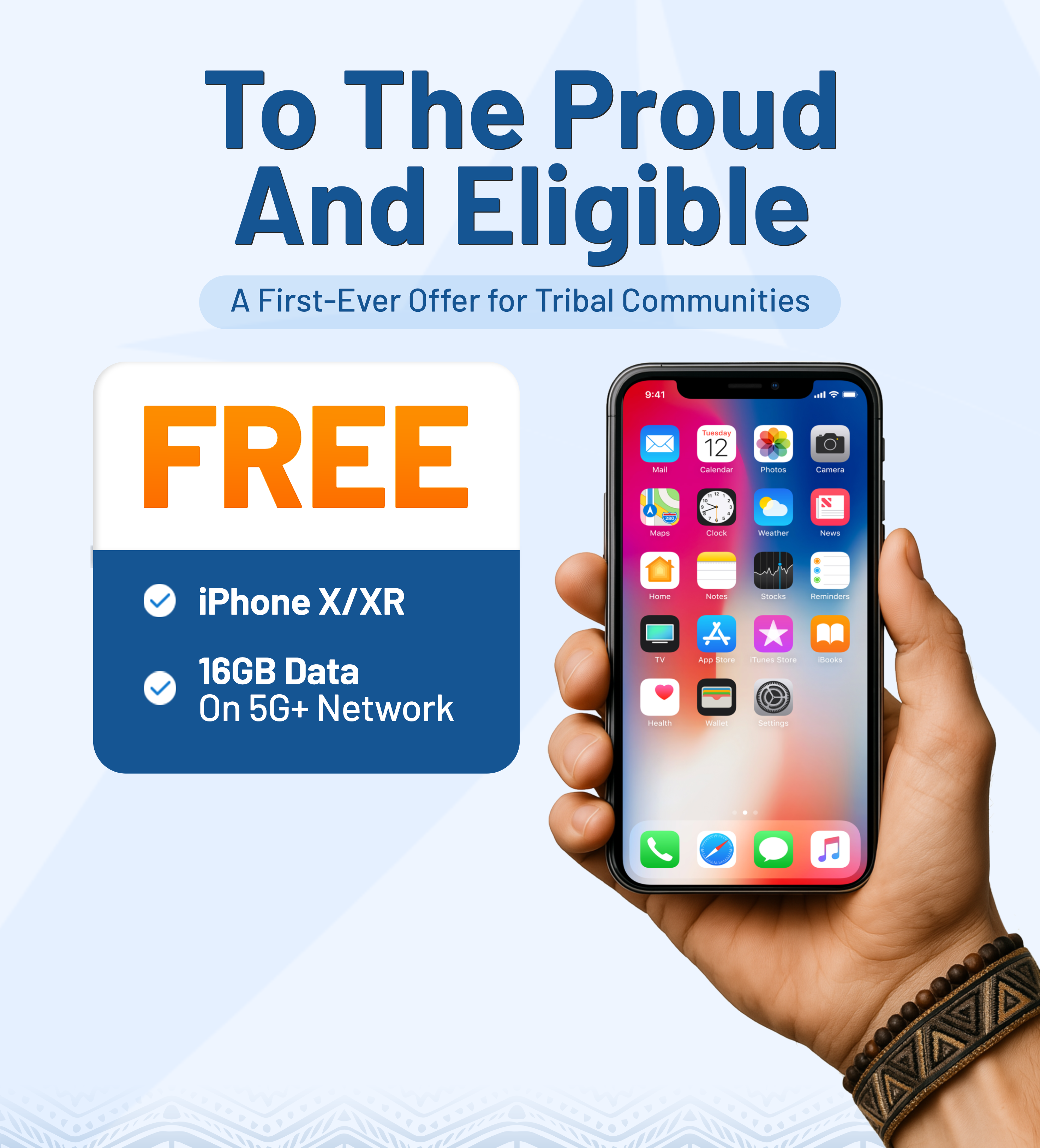
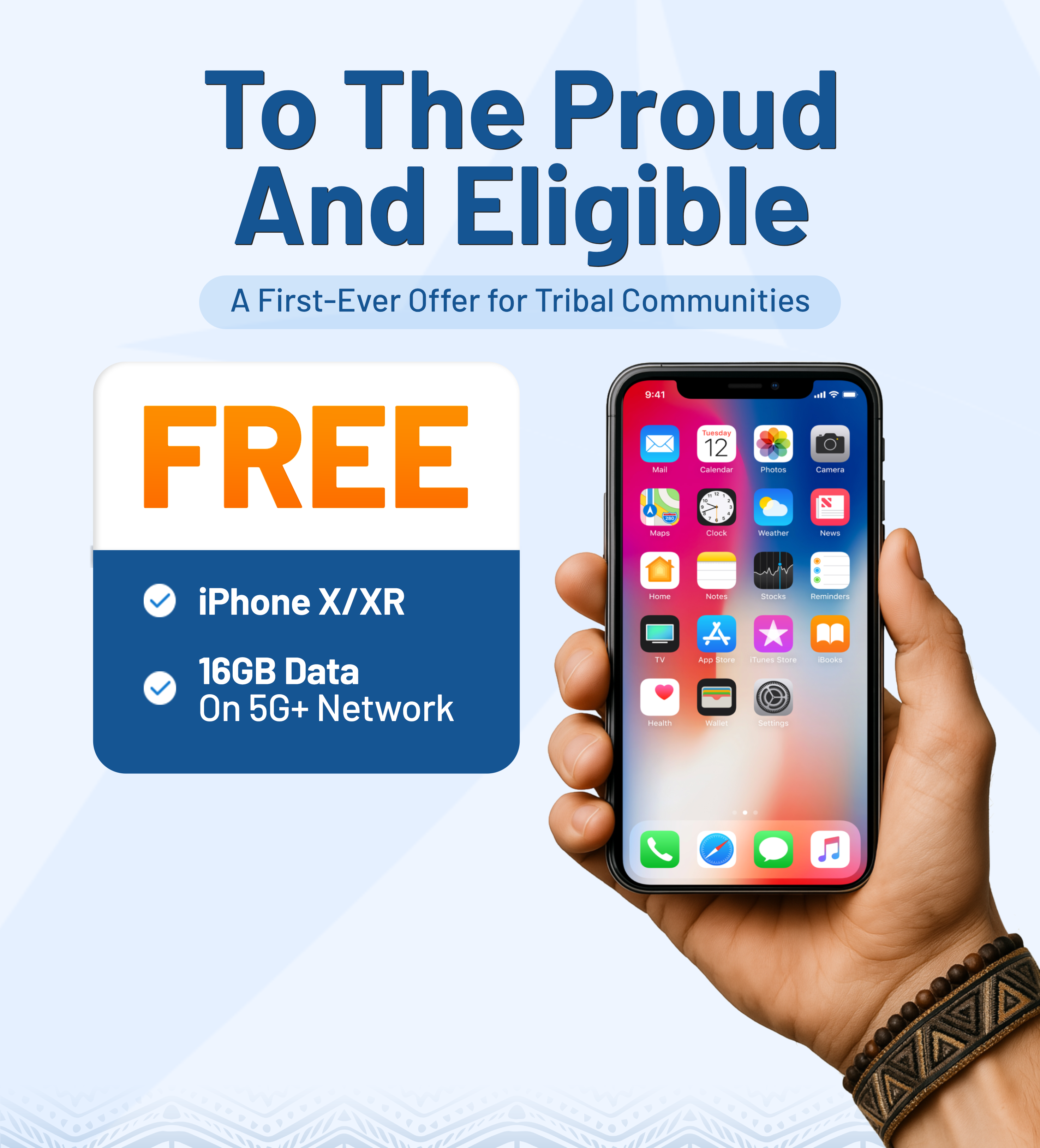
- Device offers: Depending on your location and available promotions, you may receive a free 4G/5G smartphone or access other discounted device options.
- Convenient enrollment: Complete your application online and submit the documents needed to verify your eligibility.
Device models, plan benefits, and promotional offers vary by location, eligibility, and inventory. Terms and coverage requirements apply.

Curious if you qualify for these offers? Let’s look at Lifeline’s eligibility criteria.
You may be eligible if you participate in a qualifying government assistance program, such as:
- Medicaid
- SNAP
- Supplemental Security Income (SSI)
- Federal Public Housing Assistance (FPHA)
You may also qualify based on your household income. To meet this requirement, your income must fall within the applicable Lifeline limit, which is set at 135% of the Federal Poverty Guidelines.
Check your eligibility with AirTalk Wireless today to see which offers are available in your area!
Note: AirTalk Wireless operates under the federal Lifeline Program as an Eligible Telecommunications Carrier (ETC). Eligibility varies by state and program. Offers depend on availability and qualifications. Service is non-transferable and limited to one service per household.
7. FAQs
Does NACA offer programs besides the Home Purchase Program?
Yes. NACA also offers Home Save, housing counseling, home renovation assistance, and other housing initiatives.
Can you qualify for NACA if you are not a first-time homebuyer?
Yes. Previous homeownership doesn’t automatically disqualify you. However, you cannot have an ownership interest in another property when closing on a NACA mortgage.
How long does it take to get approved for a NACA mortgage?
The timeline varies. Some applicants may become qualified within a few months, while others need longer to address financial issues or complete documentation.
Can you use a NACA mortgage to buy an investment property?
No. The property must be your primary residence, not a rental or investment property.
What happens if you do not qualify for the NACA program?
Your counselor may give you an action plan to address outstanding financial requirements. You can work toward meeting them and request another review when you’re ready.
Final Thoughts
Owning a home shouldn’t require sacrificing your financial stability. Before committing to the NACA program, review your budget, prepare your documents, and make sure you can comfortably handle future housing expenses.
Small savings elsewhere can help, too. Check AirTalk Wireless to see whether you qualify for free phone service and available smartphone offers while working toward your homeownership goals.
- Share This:
-
-
-
-
-
-
-
-
New on AirTalk Wireless


