

Online Colleges That Accept FAFSA Free Laptop: What You Need To Know Before You Apply
- Share This:
-


-

-

-

-

-

-

-


Paying for college isn’t just about tuition anymore. Between textbooks, software, and a reliable laptop, the real cost of studying, especially online, can add up quickly. That’s why many students turn to FAFSA, which helps millions of Americans access financial aid each year.
But here’s where things get confusing: a lot of students are now searching for online colleges that accept FAFSA free laptop offers. Is that actually a thing? And if so, how does it really work?
Let’s break it down in a simple, honest way so you know exactly what to expect before you apply.
1. Online Colleges That Accept FAFSA Free Laptop: Is This Actually Real?
Short answer: yes, but not in the way most people think.
FAFSA itself does not provide free laptops. It’s a federal financial aid program designed to help cover education-related costs like tuition, housing, and fees.
So where does the “free laptop” idea come from?
It usually comes from colleges, not FAFSA. Some schools offer laptops as part of their student programs to make online learning easier. These offers are often marketed alongside financial aid, which is why they get associated with FAFSA.
In reality:
- FAFSA helps fund your education.
- Colleges decide whether to include a laptop as part of their program.
So when you see online colleges that accept FAFSA free laptops, it typically means: You can use FAFSA at that school, and the school happens to offer a laptop program.
Understanding this distinction can help you avoid unrealistic expectations and focus on options that actually fit your needs.

2. Can You Use FAFSA Funds to Buy a Laptop for College?
The short answer is: yes, but indirectly.
FAFSA doesn’t hand you money specifically labeled for a laptop. Instead, the funds are usually sent directly to your college first. The school applies that money to major expenses like tuition, fees, and housing.
If there’s any money left over after those costs are covered, the remaining balance is sent to you. At that point, you can use it for other education-related expenses, including a laptop.
That’s why laptops are considered an eligible educational expense.
However, there are a few things to keep in mind:
- Not every student receives leftover funds after tuition is covered
- The amount you get depends on income, school costs, and aid eligibility
- Financial aid is meant for education, so spending should be responsible
In other words, FAFSA can help you get a laptop, but it doesn’t guarantee one.
That’s also why many students continue searching for online colleges that accept FAFSA free laptop programs, hoping to reduce out-of-pocket costs even further.
3. How These College Free Laptop Offers Actually Work (and Real Examples)
If you’ve seen schools advertising free laptops, it’s worth taking a closer look at how those offers actually work.
In most cases, these programs follow a few common patterns:
- The laptop is included as part of tuition or financial aid
- It’s only available for certain degrees or full-time students
- You receive it after enrollment, not before
That said, the details can vary quite a bit depending on the school. Here are a few real examples to give you a clearer picture.
Full Sail University
Full Sail is one of the most well-known schools offering laptops through its programs. Instead of treating it as a bonus, the laptop is built directly into the learning experience.
Students receive a laptop along with software tailored to their major, whether that’s design, media, or tech. The cost is typically included in tuition, and in most cases, students can keep the device after completing their program.
This is a good example of how online colleges that accept FAFSA free laptop offers often bundle the device into the overall cost rather than giving it separately.
University of Arkansas Grantham
At the University of Arkansas Grantham, the approach is much simpler.
Students enrolled in degree programs can receive a Lenovo laptop after starting classes. There’s no complicated setup. Once you’re officially in and attending, you become eligible.
However, the program does not apply to certificate or non-degree students, which is an important detail many people overlook.

Berea College
Berea College offers one of the more generous programs.
All incoming first-year students receive a Dell laptop, and they’re allowed to keep it after graduating. Unlike some schools, this isn’t limited to specific majors.
What makes Berea unique is that it combines this offer with strong financial aid support. This makes it a solid option for students looking to minimize overall costs.
Dakota State University
Dakota State University takes a slightly different approach.
New full-time freshmen receive new Dell laptops, while other students may have access to refurbished loaner devices. The school integrates technology into its curriculum, so the laptop becomes part of the learning environment rather than just a perk.
This is another example of how online colleges that accept FAFSA free laptop programs often structure their offers differently depending on their academic model.
>>> Read more: Free Laptop For College Students: Reality Check & Trusted Guidelines
4. Other Ways to Get a Free or Low-Cost Laptop
Even if you don’t end up choosing one of the online colleges that accept FAFSA free laptop programs, there are still several practical ways to get a device without overspending.
Government-Supported Programs (A Flexible Option)
While the government doesn’t directly give out free laptops, there are programs that can make connectivity much more affordable. One of the most well-known is the Lifeline Program, which helps reduce the cost of phone and internet service for eligible households.
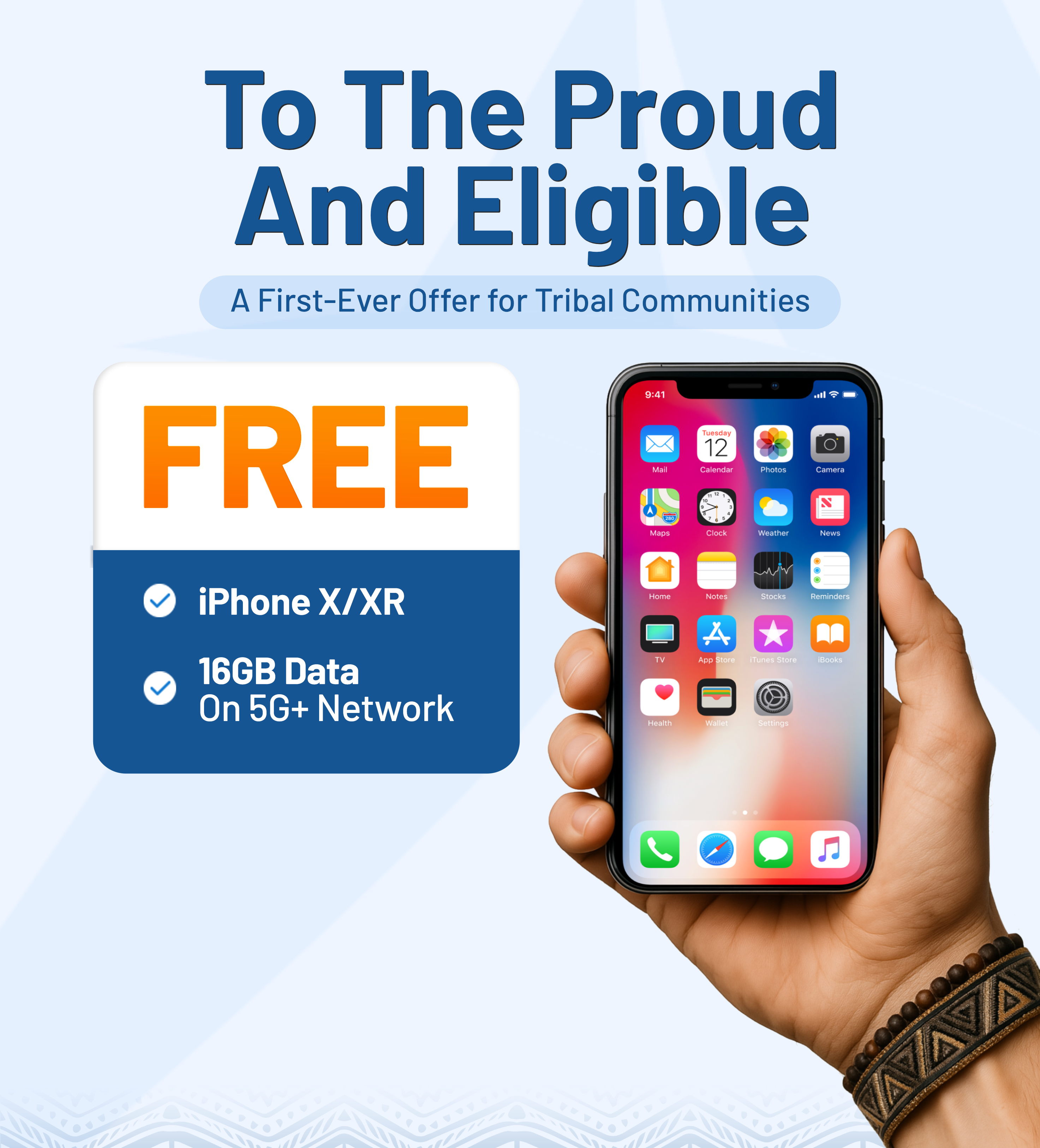
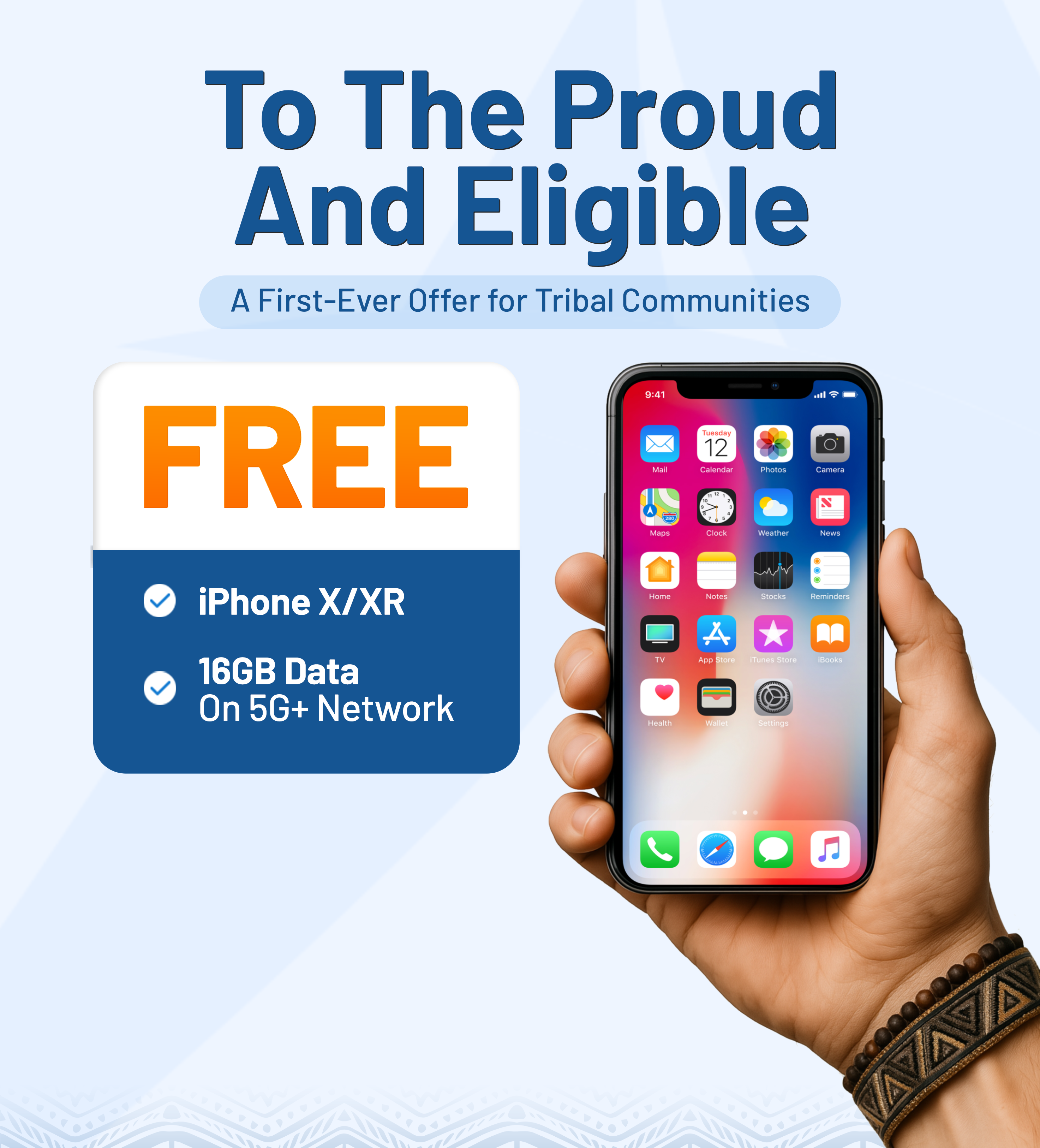
Providers like AirTalk Wireless participate in this program and offer plans that include mobile data. In some cases, they also provide access to smartphones or other devices, depending on availability.
Note that while completely free laptops do exist, they’re relatively rare and usually offered through limited-time or special promotions. In most cases, you’re more likely to find smartphones, tablets, or bundles instead. These devices that can still be incredibly useful for studying, staying in touch, or even sharing internet to your laptop via hotspot.
If your main goal is reliable internet access for learning or work, these options can still go a long way, especially as a flexible backup when traditional Wi-Fi isn’t available.

To get started, you’ll first need to check whether you meet the Lifeline eligibility requirements, typically based on your household income or participation in programs like Medicaid, SNAP, SSI, or others. You can read more about the official criteria through the Lifeline program guidelines.
If you do qualify, the next steps are simple: just enter your ZIP code, review the available plans in your area, and choose the option that fits your needs. From there, just fill in your personal information, upload proof of eligibility if required, and submit your application for approval.
For many students, this ends up being one of the fastest and most flexible ways to stay connected without relying entirely on traditional college offers.
Note: AirTalk Wireless operates under the federal Lifeline Program as an Eligible Telecommunications Carrier (ETC). Eligibility varies by state and program. Offers depend on availability and qualifications. Service is non-transferable and limited to one service per household.
Back-to-School Deals From AirTalk Wireless: Limited Time Only!
AirTalk Wireless is currently running a back-to-school promotion that goes beyond individual devices. For a limited time, qualifying applicants can access package deals that bundle free monthly service with a choice of devices, including phones, tablets, Chromebooks, and hotspots.
Here is what is currently available:
- Free Phone + Up to 12GB: a free smartphone with monthly data, perfect for staying in touch with teachers, school, and family
- Free SIM Card + Up to 300GB per year: more data for homework, educational apps, and online learning
- Chromebook 4 + Hotspot ($79.99 Exclusive Package): ideal for homework, research, online classes, and school projects
- Tablet G17 from $19.99: a capable device with more data for school-year connection (coming soon)
These deals are time-sensitive and subject to eligibility, availability, and location.
Applicants who qualify through SNAP, Medicaid, SSI, or income-based criteria can select the package that best fits their needs during the application process.

Buy Refurbished or Budget Laptops
Refurbished laptops are one of the easiest ways to save money.
These devices are usually pre-owned but tested, repaired, and resold at a lower price. Many come with warranties and perform just as well as new models for everyday tasks like browsing, writing, and attending online classes.
If your needs are basic, this can be a smart and affordable option.
Student Discounts and School Deals
Many brands offer student discounts on laptops, especially during back-to-school seasons.
Some colleges also partner with manufacturers to provide discounted bundles, which may include software or extended warranties. While not free, these deals can significantly reduce the overall cost.
It’s always worth checking your school’s website or student portal before buying anything.
Nonprofit and Charity Programs
There are also nonprofit organizations that help students access technology. Programs from local charities, community centers, or national initiatives sometimes provide free or low-cost laptops to students in need.
Availability can vary, and you may need to meet specific criteria or apply early. These options can take a bit more effort, but they’re worth exploring if you’re trying to avoid upfront costs.
Final Thoughts
Searching for online colleges that accept FAFSA free laptop is completely understandable. Every student wants to reduce costs where possible.
But the key is knowing how these programs actually work. FAFSA won’t hand you a laptop directly, and college offers often come with conditions. Once you understand that, it becomes much easier to compare your options.
Whether you go with a college program, use leftover financial aid, or explore alternatives like Lifeline-supported plans, the goal is the same: making sure you have the tools you need to succeed without overspending.
- Share This:
-
-
-
-
-
-
-
-
New on AirTalk Wireless


How Do You Spell Halloween? The Correct Spelling

