

Pregnancy Medicaid Explained: Income Limits, Coverage Rules, and Postpartum Benefits You Should Know 2026
- Share This:
-


-

-

-

-

-

-

-


Pregnancy Medicaid is designed to ensure that expectant mothers receive essential prenatal, delivery, and postpartum care, even if they do not qualify for other forms of health coverage.
Because income limits, eligibility rules, and coverage periods vary by state, many applicants are unsure whether they qualify or how long benefits will last after giving birth. Understanding how pregnancy Medicaid works, what services are typically covered, and when to apply can help prevent gaps in care during one of the most critical periods for both mother and baby.
1. Who Qualifies for Pregnancy Medicaid?
Pregnancy Medicaid is specifically designed to provide health coverage for pregnant individuals who meet income and residency requirements. Compared to standard adult Medicaid, eligibility for pregnant women is often more flexible, with higher income limits and simplified enrollment pathways in many states.
While exact rules vary by state, most programs focus on income level, residency status, and confirmation of pregnancy.
Income Limits for Pregnant Women
Income limits for pregnancy Medicaid are typically higher than those for non-pregnant adults. In many states, pregnant women may qualify with household incomes up to 138% to 200% of the federal poverty level, and in some states, limits are even higher.
Income is usually calculated using Modified Adjusted Gross Income (MAGI) rules, which consider:
- Household size
- Current income
- Tax filing status
Because a pregnant woman counts as a household of at least two, eligibility thresholds may increase once pregnancy is verified. This makes it possible for some individuals who previously did not qualify for Medicaid to become eligible during pregnancy.
Immigration and Residency Requirements
To qualify for pregnancy Medicaid, applicants generally must:
- Live in the state where they apply
- Be a U.S. citizen or meet specific qualified immigration status rules
Some states offer limited pregnancy-related coverage to certain non-citizens regardless of immigration status, particularly for labor and delivery services. These policies vary, so checking your state’s specific guidelines is important.
When You Can Apply During Pregnancy
You can usually apply for pregnancy Medicaid at any point during your pregnancy. Coverage may begin as early as the month of application, and in many states, retroactive coverage for up to three months prior may be available if eligibility requirements were met during that time.
Applying as soon as pregnancy is confirmed is recommended to ensure early prenatal care, which is critical for maternal and infant health.
2. What Does Pregnancy Medicaid Cover?
Pregnancy Medicaid typically covers a comprehensive range of services related to maternal and infant care. While benefits vary by state, most programs include:
- Prenatal checkups and routine OB-GYN visits
- Lab tests and ultrasounds
- Screening for high-risk conditions
- Labor and delivery services
- Hospital stays related to childbirth
- Prescription medications related to pregnancy
- Postpartum care

Many states now extend postpartum coverage beyond the traditional 60-day period, with some offering up to 12 months of postpartum Medicaid coverage. This extension helps ensure continued access to follow-up care, mental health services, and treatment for pregnancy-related complications.
Because benefits and timelines vary by state, reviewing your specific pregnancy Medicaid plan details can help you understand exactly what services are included and how long coverage will last after delivery.
3. How Long Does Pregnancy Medicaid Last?
Pregnancy Medicaid does not end the moment your baby is born, but the length of coverage depends on your state’s rules. Traditionally, federal law required pregnancy-related Medicaid to continue through pregnancy and for at least 60 days postpartum. After that period, eligibility had to be reviewed again under standard adult Medicaid rules.
However, many states have adopted extended postpartum coverage. Today, a growing number of states provide up to 12 months of continuous postpartum Medicaid coverage. This extension is designed to protect maternal health during the critical first year after childbirth, when complications such as postpartum depression, high blood pressure, and other conditions may still require treatment.
If your state has not adopted the 12-month extension, coverage may end after the postpartum period unless you qualify under another Medicaid category. That is why it is important to:
- Confirm your state’s postpartum policy
- Respond to renewal notices on time
- Update income or household changes promptly
Understanding how long Medicaid lasts can help you plan follow-up visits, mental health care, and ongoing treatment without unexpected gaps in coverage.
4. Free Phones and Wireless Plans for Medicaid Recipients: What AirTalk Wireless Offers
Health coverage is only part of staying protected during and after pregnancy. Reliable communication plays a major role in managing appointments, lab results, pediatric scheduling, and coverage renewals.
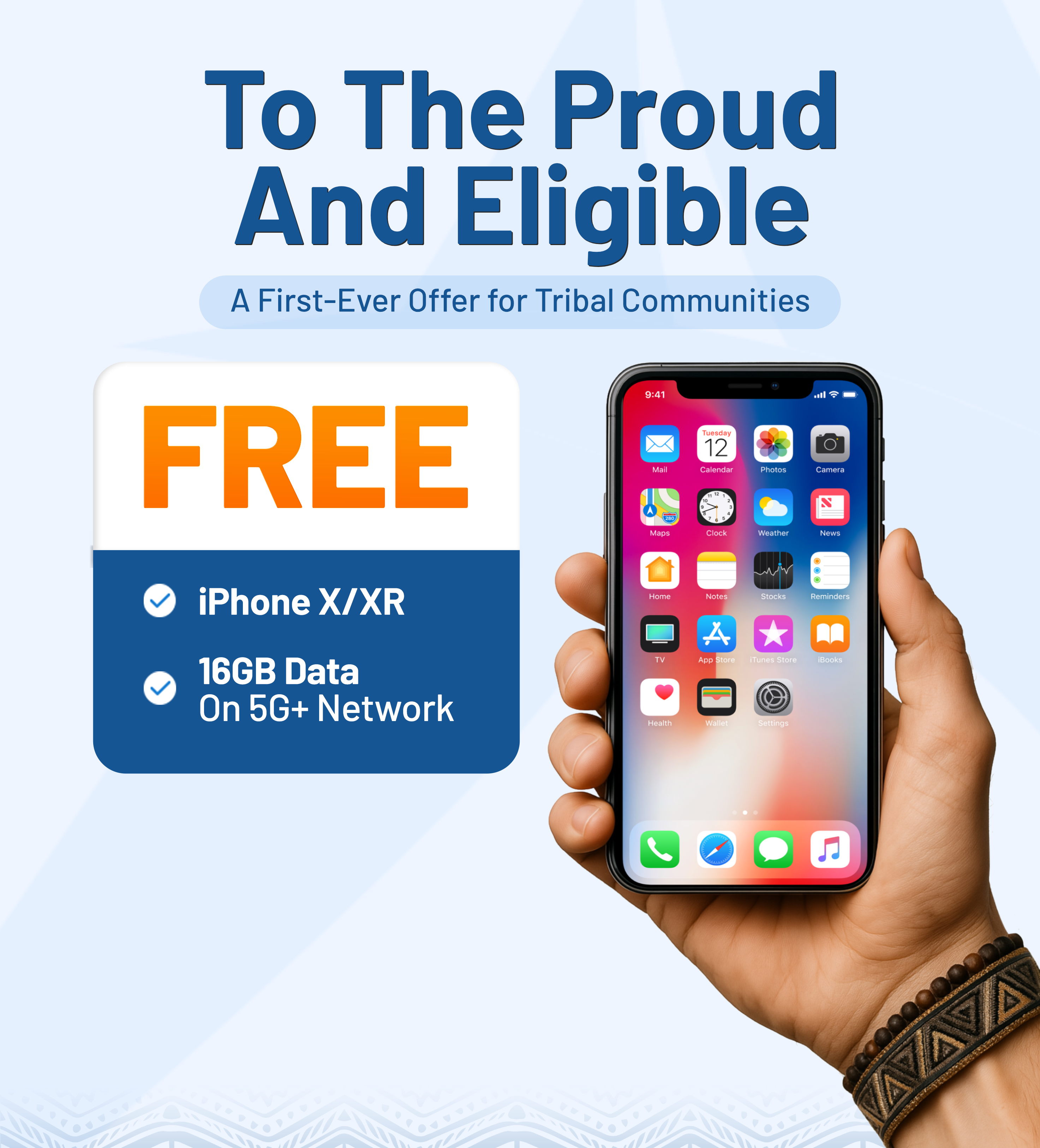
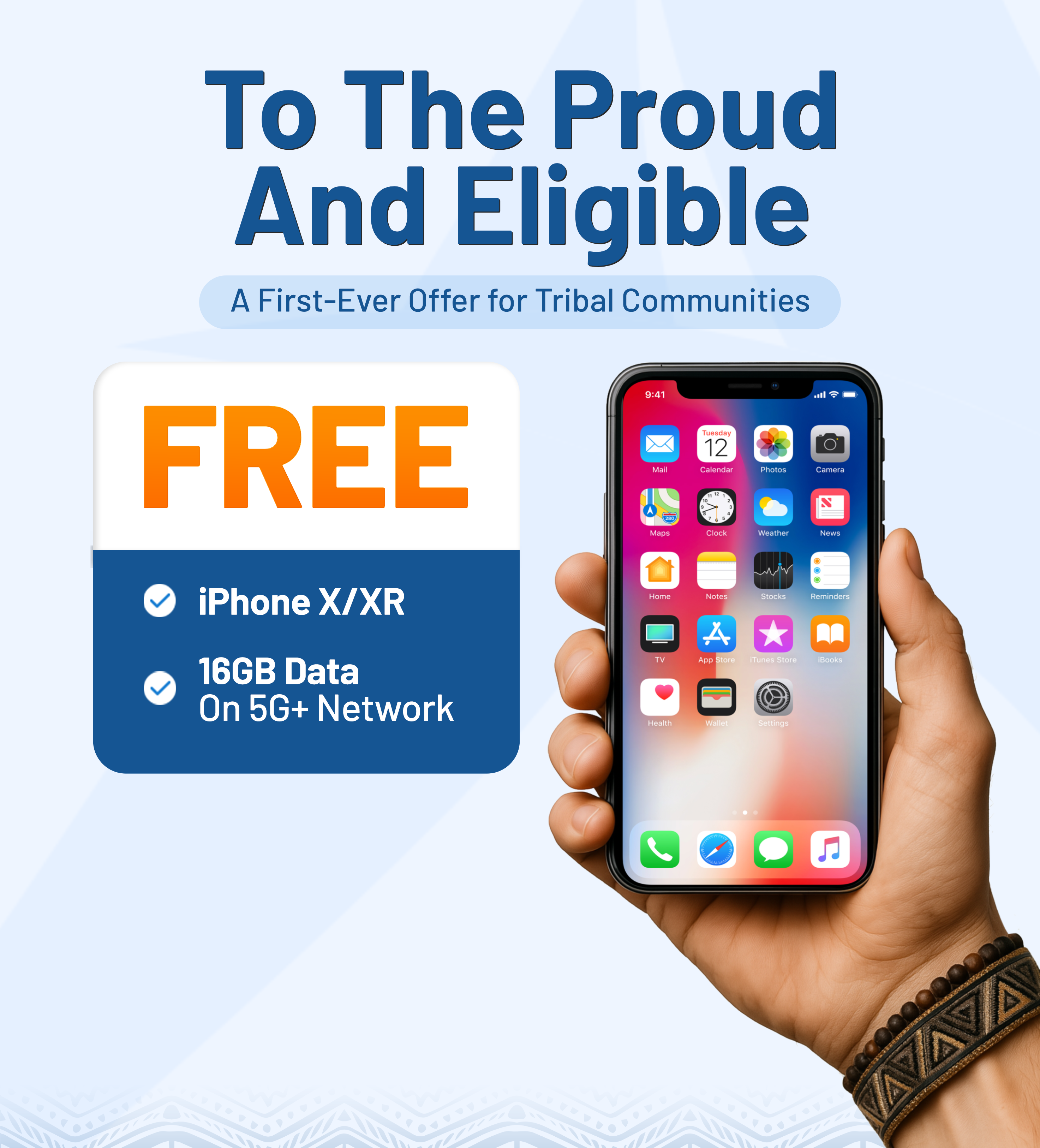
Because Medicaid enrollment often qualifies households for the federal Lifeline program, eligible individuals may receive discounted or fully covered phone service. Through approved providers such as AirTalk Wireless, qualified Medicaid recipients in many states can receive:
- A discounted or free smartphone (depending on availability, promotion and AirTalk’s stock)
- Monthly talk and text
- Mobile data
- Nationwide coverage
This benefit can be especially valuable for new mothers who need to stay in contact with OB-GYN providers, pediatricians, managed care plans, and social service offices.
While pregnancy Medicaid covers medical care, programs like Lifeline help ensure you do not miss important calls, renewal reminders, or follow-up instructions during a critical stage of care.

Eligibility and device availability vary by state, so checking directly with an approved provider can help you understand what options are available in your area.
IMPORTANT: The government does not subsidize devices. Lifeline programs cover basic service costs only. Free or discounted devices, upgrade plans, or top-ups are exclusive benefits provided by AirTalk Wireless as part of our promotional offers. Terms and conditions apply. Limited-time promotion—offers vary by state, stock availability, and eligibility.
>>> Read more: Can You Get a Free Phone and Tablet With Medicaid in 2026?
Conclusion
Pregnancy Medicaid plays a critical role in protecting maternal and newborn health during pregnancy and after delivery. Coverage rules, income thresholds, and postpartum timelines vary by state, and benefits do not always continue automatically once the initial eligibility period ends.
Understanding how long coverage lasts, whether your state offers extended postpartum benefits, and when renewal is required can help prevent gaps in care. Taking time to review your state’s specific policies ensures you can plan medical visits, follow-up treatment, and ongoing support with greater confidence during your pregnancy and beyond.
- Share This:
-
-
-
-
-
-
-
-
New on AirTalk Wireless


